.webp&w=384&q=75)

Loading, please wait...
Loading, please wait...

Systemic lupus erythematosus (SLE) represents one of the most clinically heterogeneous autoimmune disorders encountered across ambulatory practice. Because early intervention significantly improves long-term organ preservation, primary care physicians require robust clinical frameworks to identify disease activity promptly. Implementing a structured SLE primary care triage system bridges the gap between community-level frontline consultations and tertiary rheumatology services. In resource-constrained healthcare environments, severe shortages of rheumatologists frequently lead to prolonged diagnostic delays and suboptimal disease control. When general practitioners and family physicians utilize standardized criteria, they can effectively risk-stratify patients presenting with suspected or confirmed lupus. Consequently, patients experiencing acute organ-threatening flares receive immediate specialist care, whereas individuals with quiescent disease remain safely supported within primary healthcare settings. This structured approach optimizes healthcare delivery while ensuring that specialist appointments remain accessible for high-risk clinical presentations.
A standardized primary care protocol categorizes patients into four distinct management tiers based on rigorous clinical and laboratory criteria. Level 1 encompasses continued primary care, designed for patients with stable, low-disease activity who maintain baseline hydroxychloroquine therapy without evidence of organ dysfunction. Level 2 establishes programmed referral, which serves stable patients requiring routine annual rheumatology assessments, medication adjustments, or screening for subclinical toxicity. Furthermore, Level 3 denotes prioritized referral for patients displaying moderate active symptoms, unresolved cutaneous manifestations, mild hematological abnormalities, or newly confirmed lupus diagnoses without organ failure. Finally, Level 4 represents urgent referral, demanding expedited specialist assessment within 24 to 72 hours. This urgent category captures acute life-threatening or organ-threatening complications, including rapidly progressive glomerulonephritis, severe thrombocytopenia, neuropsychiatric lupus, or acute serositis. Therefore, this four-tier structure transforms ambiguous clinical uncertainty into an actionable clinical trajectory. By clearly delineating specific laboratory thresholds and physical findings, primary physicians can make objective, reproducible management decisions.
Real-world observational evidence demonstrates that systematic SLE primary care triage pathways dramatically streamline consultation timelines for high-risk patients. When a family physician with post-graduate rheumatology training implemented this pathway across an outpatient cohort of 148 adult SLE patients, over 60% required specialist consultation. Importantly, urgent referrals achieved rheumatology evaluation within a median of two days. In contrast, prioritized referrals had a median assessment time of 22 days, while programmed referrals waited a median of 49 days. These distinct timelines prove that risk-stratified gatekeeping prevents dangerous delays for unstable patients while reserving routine appointments for non-urgent cases. Notably, newly diagnosed individuals were far more frequently stratified into prioritized triage tiers compared to established patients. This finding reflects the heightened need for early comprehensive organ screening and baseline immunosuppressive treatment design. Moreover, minimal triage reclassification occurred over time, proving the initial operational criteria remained robust and dependable throughout longitudinal outpatient follow-up.
Effective lupus stratification relies heavily on validated objective disease activity measures that primary clinicians can track alongside clinical history. In clinical pathways, the Systemic Lupus Erythematosus Disease Activity Index 2000 (SLEDAI-2K) serves as a vital instrument to evaluate global inflammatory burden. By incorporating objective clinical parameters—such as inflammatory arthritis, active vasculitis, new rashes, mucosal ulcers, and alopecia—with specific laboratory findings like hypocomplementemia, elevated anti-dsDNA titers, proteinuria, and leukopenia, clinicians can quantify flare severity. Patients presenting with elevated SLEDAI scores require immediate upward triage to prevent irreversible tissue damage. In addition, routine assessment of complete blood counts, renal function panels, and spot urine protein-to-creatinine ratios enables early detection of silent lupus nephritis. Because organ damage accrues rapidly during uncontrolled inflammatory flares, systematic laboratory surveillance empowers family physicians to detect biochemical decompensation before overt physical collapse occurs. Thus, embedding quantitative scoring tools within community practice significantly bolsters clinical decision-making.
In low- and middle-income countries, including India, rheumatologist availability remains heavily concentrated in urban tertiary institutions. Consequently, rural and semi-urban patients experience profound diagnostic delays, often exceeding several months or years after the initial onset of symptoms. Many individuals present with advanced lupus nephritis, end-stage renal disease, or severe neuropsychiatric complications before receiving disease-modifying antirheumatic therapies. A primary care-led triage pathway offers an invaluable solution for the Indian healthcare ecosystem. By empowering community physicians, internal medicine specialists, and medical officers with structured referral protocols, healthcare systems can decentralize preliminary lupus screening. Furthermore, general practitioners can safely initiate baseline organ-protective therapies, such as weight-based hydroxychloroquine, while arranging prioritized or urgent secondary transport. This strategy reduces uncoordinated referrals, decreases out-of-pocket patient expenditures, and minimizes the clinical burden placed on overburdened tertiary medical colleges. Ultimately, expanding primary rheumatology competencies ensures equitable access to life-saving autoimmune interventions across diverse geographical regions.
Achieving long-term success with structured autoimmune triage necessitates close collaboration between primary medical practitioners and hospital-based rheumatology units. Clear communication channels, shared electronic health records, and standardized referral checklists minimize diagnostic ambiguity between health centers. Furthermore, healthcare organizations must invest in continuous medical education and post-graduate certificate courses in rheumatology for family physicians. Providing frontline clinicians with practical training in musculoskeletal examination, serological interpretation, and steroid-sparing immunosuppressive protocols significantly elevates primary care capacity. When primary physicians feel confident monitoring stable patients on maintenance therapy, tertiary rheumatologists can dedicate adequate clinical time to complex, refractory cases. In addition, institutional protocols should outline definitive safety criteria for medication toxicity screening, including regular ophthalmological monitoring for chloroquine retinopathy and routine laboratory checks for drug-induced cytopenias. Through structured institutional coordination, primary care providers and subspecialists establish a synergistic care continuum that maximizes clinical remission and improves patient quality of life.
A structured triage pathway establishes explicit clinical and laboratory criteria to prioritize patients based on disease acuity. By safely maintaining stable patients in primary care and scheduling routine reviews through programmed channels, the system reserves urgent appointments for acute, organ-threatening presentations. Consequently, high-risk patients receive specialized rheumatology evaluations within days rather than waiting several months in unstratified outpatient queues.
Urgent referral is essential for patients displaying red-flag features of organ-threatening lupus activity. These critical manifestations include acute renal impairment or sudden heavy proteinuria suggestive of active lupus nephritis, severe thrombocytopenia or hemolytic anemia, acute neuropsychiatric symptoms such as seizures or psychosis, and severe pericarditis or pleuritis. Immediate specialist intervention prevents permanent tissue injury and reduces mortality.
General practitioners should monitor stable patients every three to six months by evaluating disease activity, screening for disease flares, and assessing treatment tolerance. Routine testing must include complete blood counts, serum creatinine, liver enzymes, urinalysis with spot protein-to-creatinine ratio, and complement levels. Additionally, primary doctors should ensure regular annual ophthalmological screening for hydroxychloroquine toxicity and verify vaccination updates.
Disclaimer: This content is for informational and educational purposes only and does not constitute medical advice, diagnosis, or treatment. Healthcare professionals should exercise independent clinical judgment and verify clinical data. Refer to the latest local and national guidelines for clinical practice.
References

Read summarized clinical updates, watch expert medical content, and earn CME certifications right from your smartphone.
Open your smartphone camera to scan and install.





A structured primary care-led triage pathway for systemic lupus erythematosus (SLE) categorizes patients across four tiers, reducing specialist wait times and expediting care for organ-threatening disease in resource-constrained real-world settings.
4 weeks back
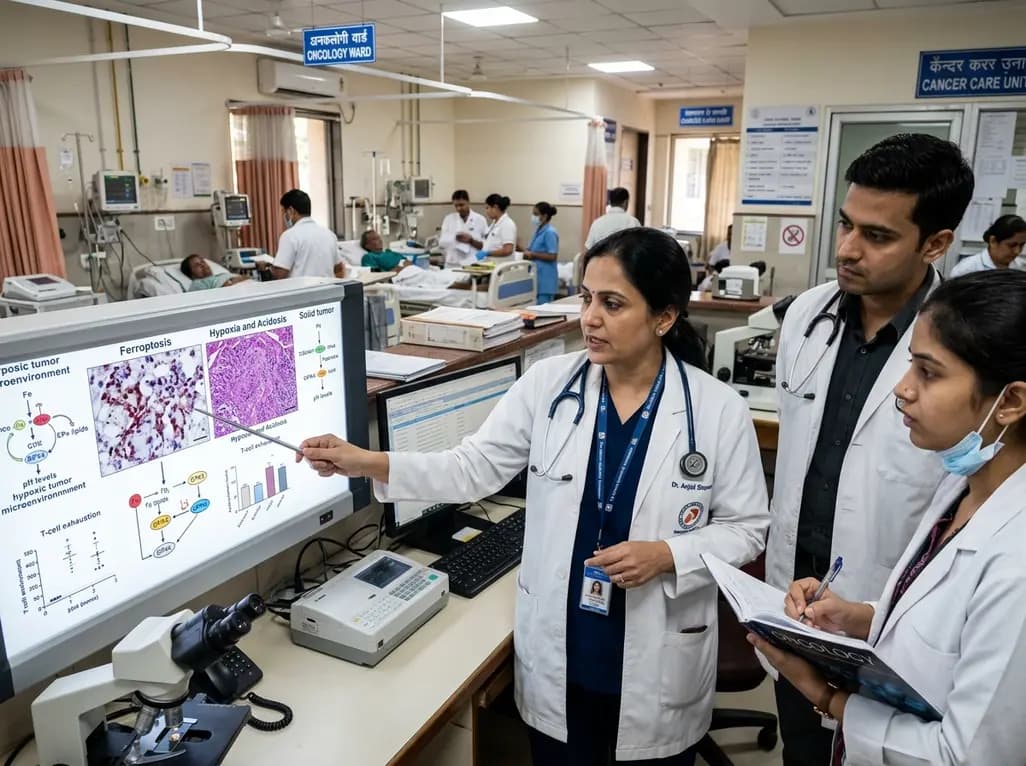
Targeting ferroptosis provides a compelling strategy to dismantle hypoxia- and acidosis-driven immunosuppression in solid tumors, enhancing response to modern immunotherapy.
Today

Findings from Project Viva indicate that sustained postpartum weight retention, rather than excessive gestational weight gain alone, directly worsens women's mid-life cardiovascular health, degrading blood pressure and glycemic parameters decades after delivery.
Today
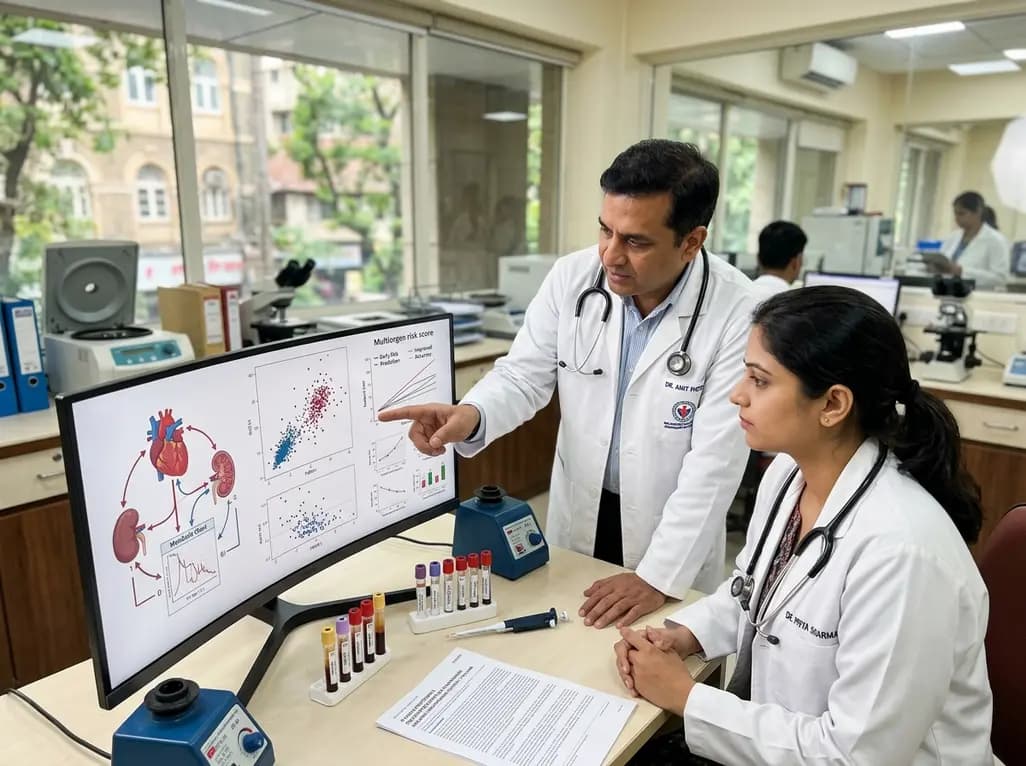
A large UK Biobank study reveals that plasma proteomic signatures capture preclinical organ damage and improve multiorgan risk prediction across early CKM syndrome stages 0 to 2 beyond traditional PREVENT clinical models.
Today

A retrospective CBCT study reveals that superior TMJ space asymmetry correlates moderately with occipital condyle-atlas-axis asymmetry in unilateral TMJ osteoarthritis, highlighting an imaging correlate between jaw biomechanics and upper cervical alignment rather than a standalone diagnostic marker.
Today

A Bayesian multilevel meta-analysis reveals that aerobic training combined with moderate carbohydrate restriction modestly lowers HbA1c in type 2 diabetes. However, sparse data and very low certainty leave incremental benefits over exercise or diet alone unproven, highlighting the need for individualized care.
Today
