.webp&w=384&q=75)

Loading, please wait...
Loading, please wait...
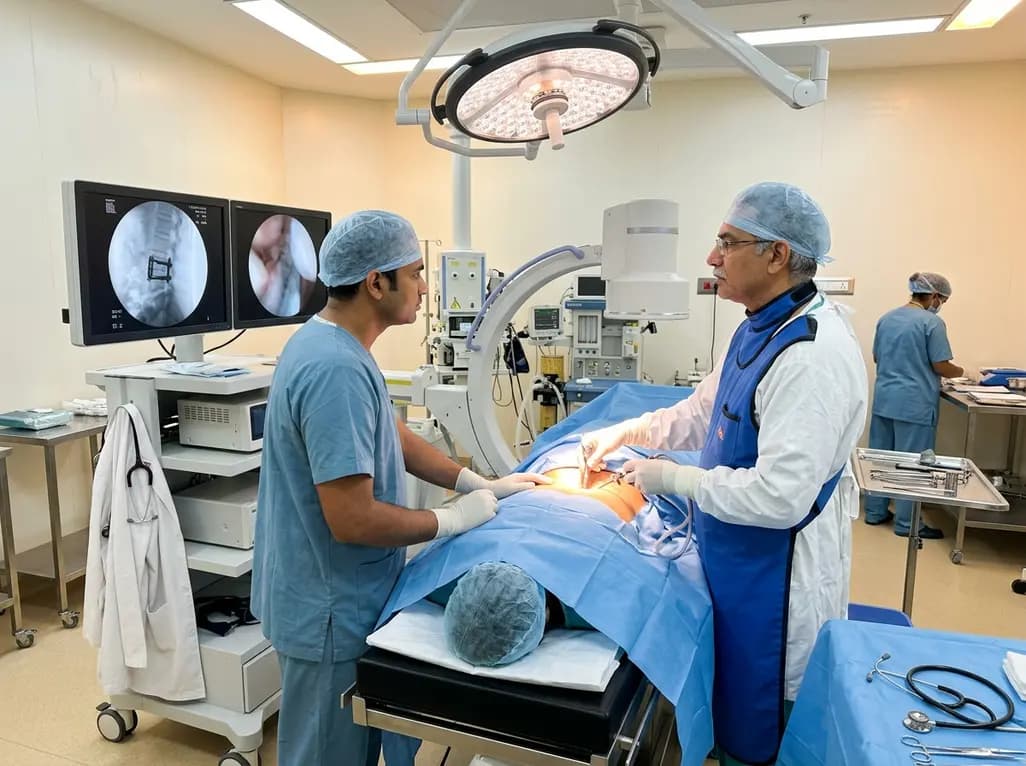
Minimally invasive spine surgery has undergone substantial evolution over the past decade, driven by a continuous effort to optimize clinical outcomes and minimize patient surgical trauma. Among recent innovations, single-position techniques have gained significant popularity because they eliminate the burdensome requirement of repositioning the patient intraoperatively. Surgeons traditionally performed lateral lumbar fusion in the lateral decubitus position, followed by turning the patient prone for posterior instrumentation. However, modern single-position approaches streamline this workflow. In particular, single-position prone lateral interbody fusion has emerged as a compelling alternative to single-position lateral decubitus procedures. By maintaining the patient in a single position, surgical teams reduce overall anesthesia duration, decrease OR setup inefficiencies, and streamline surgical workflow. Additionally, surgical exposure in the prone orientation offers unique biomechanical advantages that can favorably influence spinal alignment and lordosis correction. Consequently, comparing these two positioning strategies provides critical evidence for spine surgeons seeking to enhance patient safety and functional recovery.
The biomechanical environment of the spine changes depending on intraoperative patient positioning. When surgeons perform prone lateral interbody fusion, gravity naturally assists in maintaining or improving segmental lumbar lordosis. In contrast, positioning a patient in the lateral decubitus posture can sometimes cause asymmetrical coronal collapse or induce undesired lateral bending, which requires corrective force during instrumentation. Furthermore, operating in the prone position allows seamless integration with posterior surgical approaches, direct canal decompression, and pedicle screw placement without changing patient orientation. Consequently, surgical teams save significant operative time and reduce technical friction. The physical ergonomics of the operating room also improve for surgeons, as direct line-of-sight access to the disc space becomes more predictable. Therefore, this strategic positioning advantage serves as a cornerstone for achieving robust interbody fusion while minimizing perioperative soft tissue trauma and procedural complications.
Recent comparative data reveals significant perioperative advantages when utilizing single-position prone strategies over lateral decubitus approaches. Clinical evaluations demonstrate that patients undergoing single-position prone procedures experience substantially lower operative times compared to those positioned in lateral decubitus. For instance, mean operative times decrease dramatically, moving from over five hours in lateral decubitus down to approximately three and a half hours in prone positioning. In addition, estimated intraoperative blood loss drops significantly, which reduces transfusion requirements and perioperative systemic stress. Hospital length of stay also decreases, allowing patients to begin rehabilitation sooner after intervention. Furthermore, lower rates of perioperative surgical complications, such as soft tissue swelling and wound issues, directly translate to safer inpatient post-procedure courses. Thus, these perioperative efficiencies confirm that prone interbody instrumentation offers measurable benefits for surgical logistics and acute patient recovery.
Radiographic correction remains a pivotal benchmark for evaluating the long-term success of lumbar interbody fusion procedures. Maintaining or restoring global sagittal alignment is essential because improper alignment strongly correlates with adjacent segment degeneration and persistent mechanical back pain. Comparative radiographical studies demonstrate that prone lateral interbody fusion achieves significantly superior segmental and overall lumbar lordosis correction compared to lateral decubitus positioning. Specifically, post-procedure imaging shows greater angular improvement at the fused disc spaces, which helps restore natural spinopelvic parameters. Furthermore, improved lordosis achievement directly reduces compensatory stress on neighboring motion segments. By optimizing graft placement under favorable gravitational loading in the prone position, surgeons consistently achieve stable construct geometry. As a result, these radiographic enhancements provide a strong anatomical foundation for durable construct stability and reduced mechanical failure over time.
Beyond radiographic measures, patient-reported outcome measures represent the ultimate test of any surgical intervention. One-year clinical follow-up data shows that patients treated with prone lateral techniques achieve higher rates of substantial clinical benefit in both leg and back pain visual scales. Furthermore, a significantly higher percentage of these patients reach predefined optimal outcomes—characterized by achieving substantial clinical benefit without experiencing complications that require reoperation. Multivariate regression analyses adjusting for baseline demographic confounders confirm that prone positioning remains an independent positive predictor of achieving these optimal clinical benchmarks. Consequently, patients report greater pain relief, improved mobility, and higher overall satisfaction during their post-operative recovery journey. Therefore, adopting single-position prone techniques translates directly into improved long-term functional recovery and superior quality of life for individuals undergoing lumbar fusion.
The clinical evidence supporting single-position prone fusion marks a substantial advancement in minimally invasive spine care practice. Surgeons adopting this technique can systematically lower operative duration, reduce intraoperative blood loss, and improve both radiographic alignment and clinical success rates. However, transitioning to prone lateral surgery requires adequate training, specialized retractor systems, and thorough familiarity with retroperitoneal anatomy from a prone vantage point. Surgical teams must carefully evaluate patient-specific factors, such as body habitus and severe coronal deformities, before selecting the optimal positioning strategy. As navigation technologies and robotic assistance continue to evolve, integrating these tools with prone lateral procedures will likely further enhance surgical accuracy and safety. Overall, single-position prone lateral fusion represents a transformative approach that successfully balances operative efficiency with superior 1-year clinical and radiographic results.
Single-position prone lateral interbody fusion is a minimally invasive spine surgery where the patient remains prone throughout the entire procedure. This allows surgeons to access the intervertebral disc laterally and place posterior instrumentation without turning or repositioning the patient mid-surgery.
Prone positioning improves efficiency by eliminating the time required to re-drape and re-position the patient between lateral interbody graft insertion and posterior pedicle screw placement. This dramatically reduces total operative time, decreases blood loss, and shortens overall anesthesia exposure for the patient.
Yes, clinical research shows that prone lateral fusion provides superior restoration of segmental and overall lumbar lordosis compared to lateral decubitus positioning. Gravity naturally aids sagittal alignment in the prone position, optimizing spinal curvature and functional recovery.
Disclaimer: This content is for informational and educational purposes only. It does not constitute medical advice or establish a doctor-patient relationship. Refer to the latest local and national guidelines for clinical practice.
References
Yung A et al. Single-position Prone Lateral Interbody Fusion is Associated With Improved Radiographic and Clinical Outcomes at One Year Compared With Single-position Lateral Interbody Fusion: A Single Institution Experience. Spine (Phila Pa 1976). 2025 Oct 15. doi: 10.1097/BRS.0000000000005239. PMID: 39686616.

Read summarized clinical updates, watch expert medical content, and earn CME certifications right from your smartphone.
Open your smartphone camera to scan and install.





A retrospective study comparing single-position prone lateral (SP-PL) and lateral decubitus (SP-LD) fusion demonstrates that SP-PL significantly reduces operative time and perioperative complications while improving 1-year clinical and radiographic outcomes in minimally invasive spine surgery.
last month
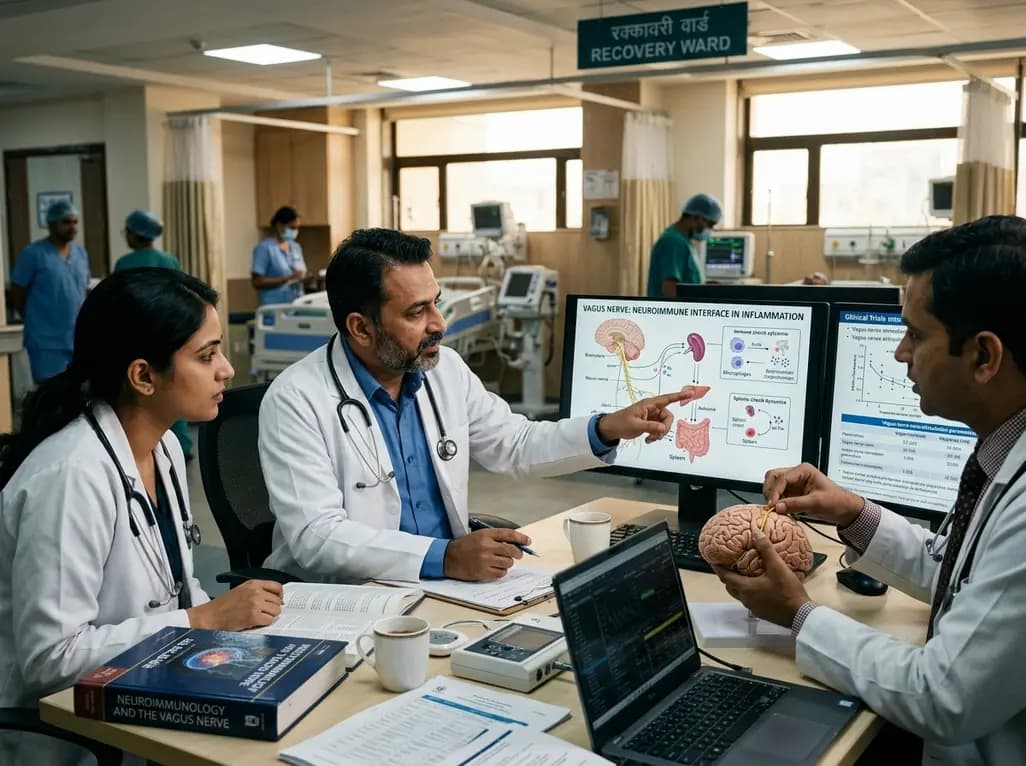
A review examines how vagal neuroimmune circuits link the brain and immune system, sensing cytokine surges and dampening peripheral inflammation. Bioelectronic medicine harnesses these pathways to provide targeted, non-pharmacological therapies for chronic inflammatory and autoimmune diseases.
Today
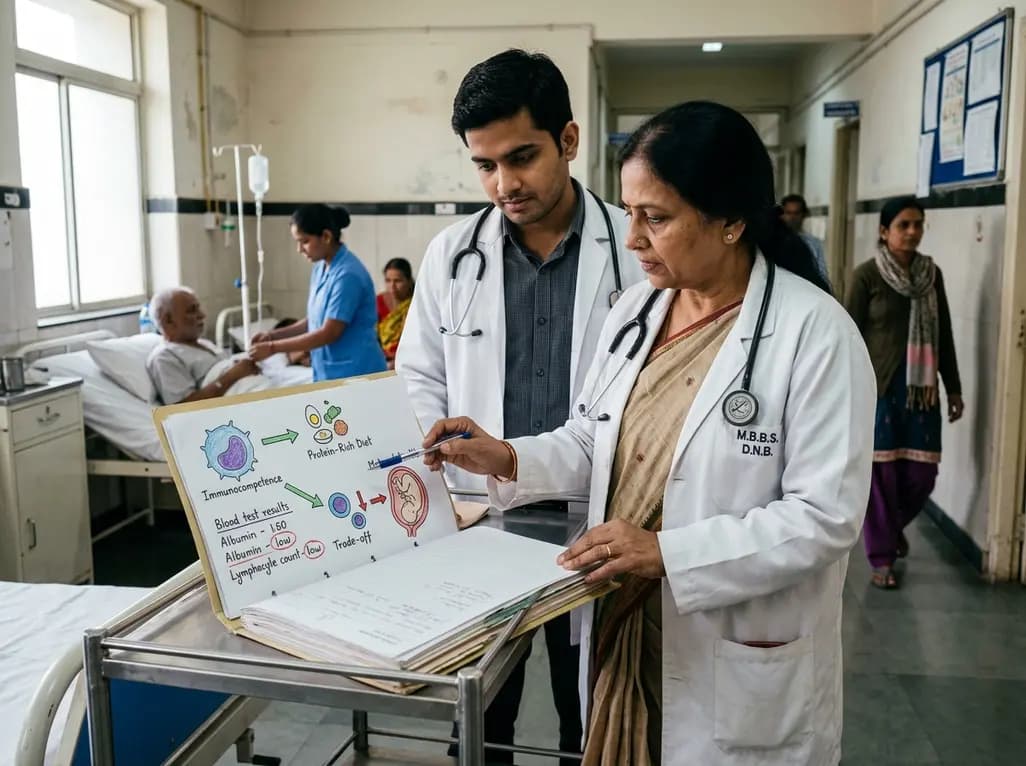
Explore the crucial link between dietary protein and immunocompetence. This review examines how low-protein nutrition shifts metabolic resources away from pathogen defense toward early reproduction, compromising host survival and immunity against severe bacterial infections.
Today
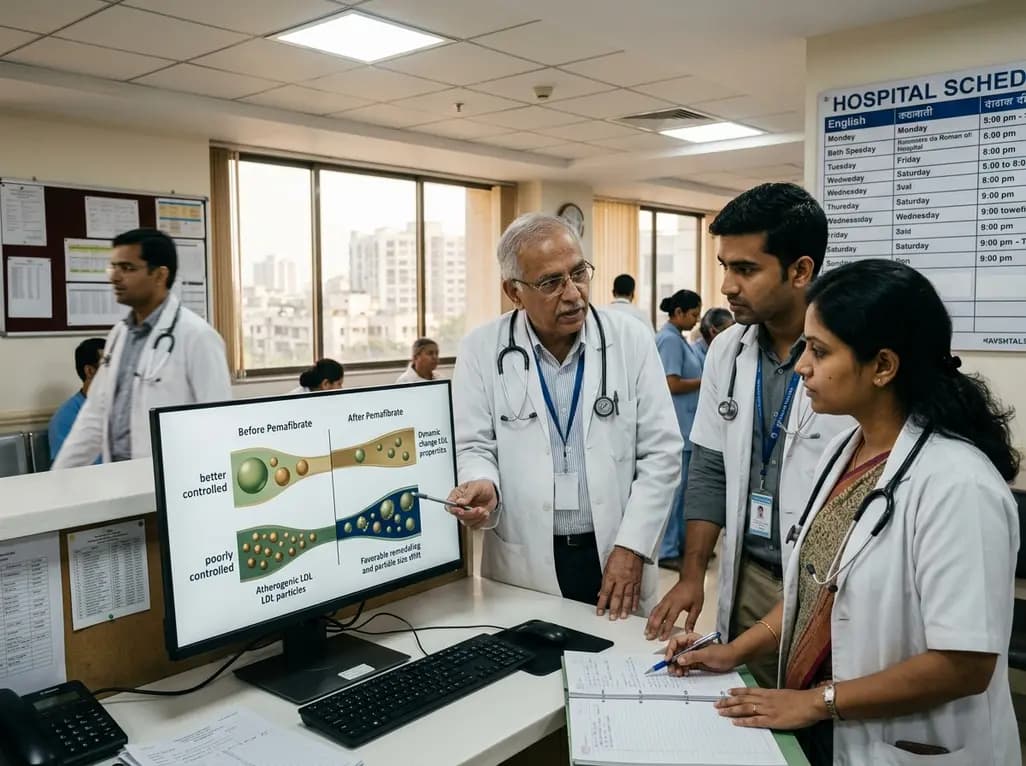
A post hoc analysis of the PARM-T2D study shows pemafibrate exerts baseline-dependent effects on LDL-C and particle size in type 2 diabetes and hypertriglyceridemia. It lowers triglycerides and remnants while favorably remodeling atherogenic LDL particles based on initial lipid control status.
Today
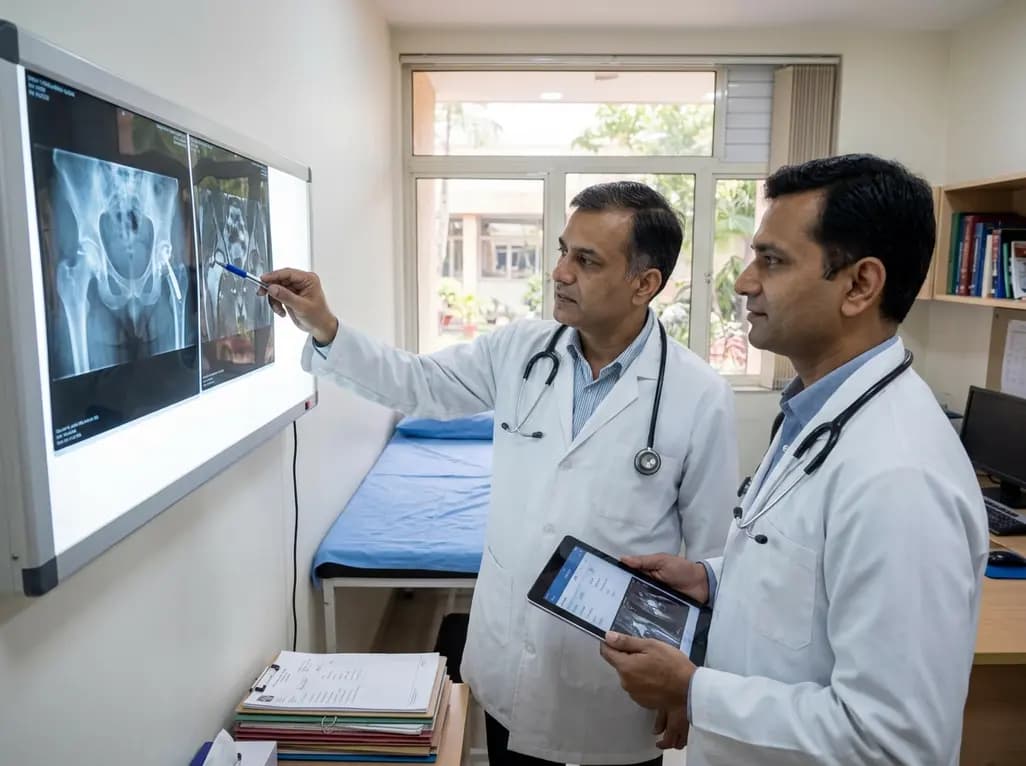
A longitudinal study reveals that patients undergoing staged bilateral hip arthroscopy experience progressive contralateral labral deterioration during surgical intervals. However, structural degradation does not compromise 2-year postoperative clinical outcomes or patient-reported satisfaction scores.
Today
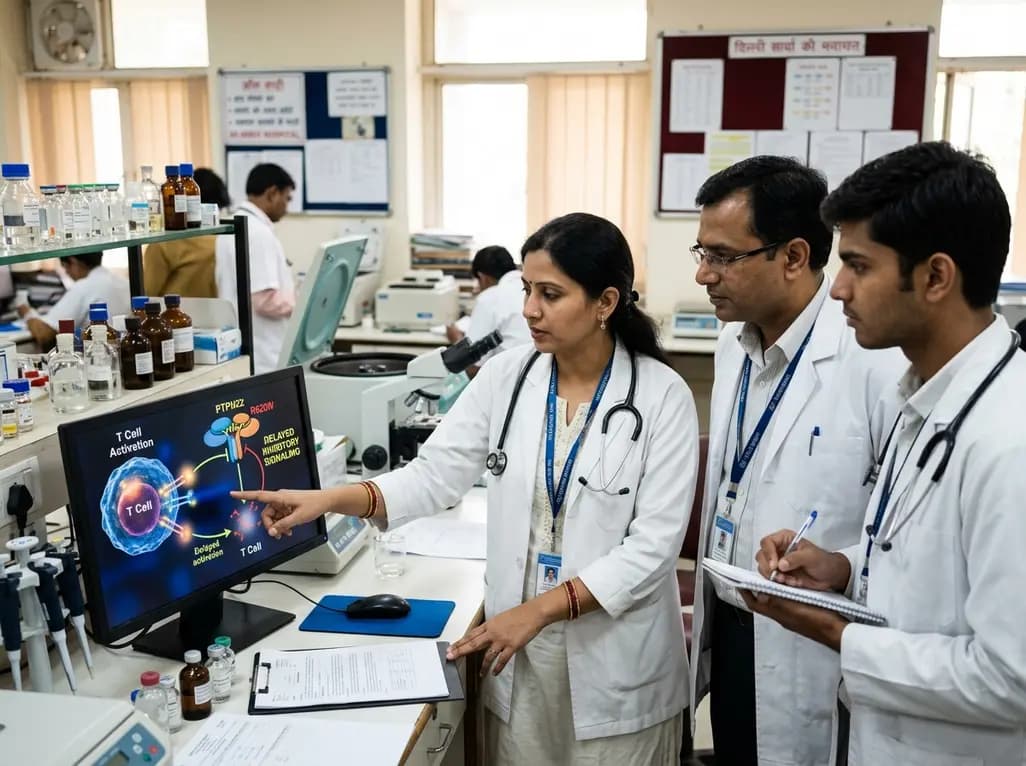
New immunological research reveals how PTPN22 forms a delayed inhibitory signaling complex to restrain T cell activation, explaining how the autoimmune-linked R620W variant disrupts feedback control and promotes persistent inflammation in conditions like rheumatoid arthritis and type 1 diabetes.
Today
