.webp&w=384&q=75)

Loading, please wait...
Loading, please wait...
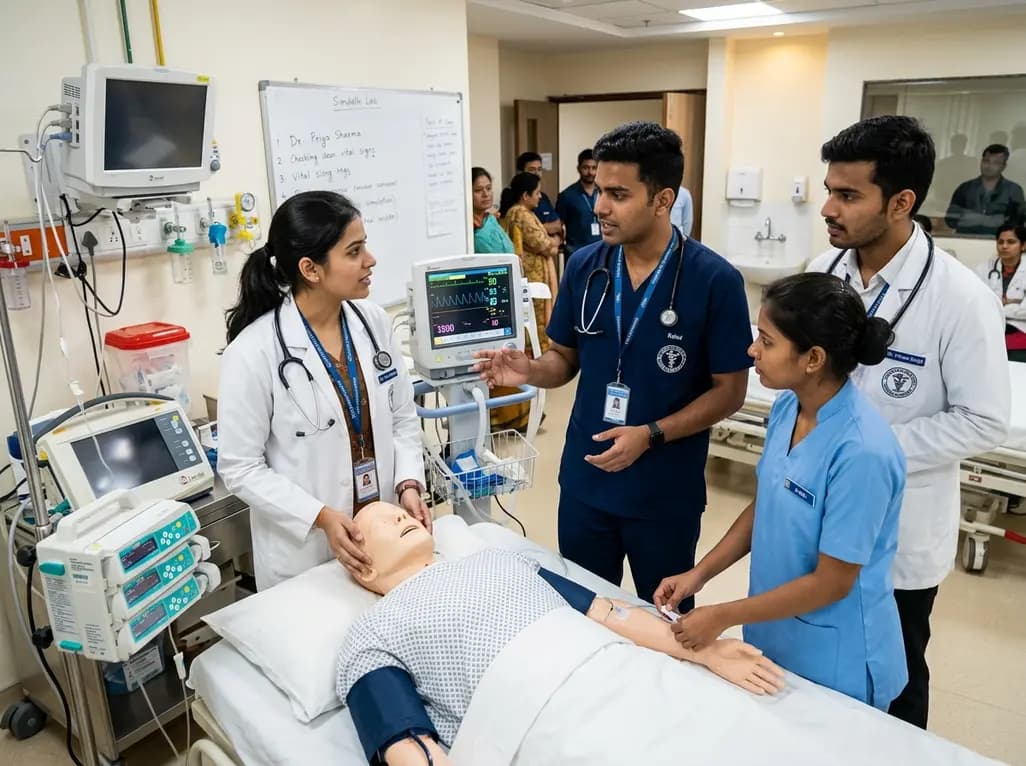
Effective clinical practice relies heavily on collaborative teamwork and transparent communication among diverse healthcare professionals. Today, interprofessional education represents an essential pillar in contemporary healthcare pedagogy, preparing medical and nursing students for integrated clinical practice. When trainees learn together, they cultivate mutual respect and acquire shared mental models necessary for acute patient management. A recent exploratory pilot study evaluated how simulation-based interprofessional training influences medical and nursing students' communication skills and teamwork perceptions. The study demonstrated remarkable gains in student engagement, structured communication, and appreciation for interdisciplinary roles in patient safety.
Modern healthcare environments require multidisciplinary coordination across complex clinical workflows. Historically, medical and nursing curricula operated in silos, leaving future practitioners unprepared for dynamic ward communication. Consequently, communication breakdowns remain among the leading causes of preventable adverse patient events worldwide. Simulation-based interprofessional education resolves this gap by placing learners in realistic, low-stakes clinical scenarios. In these settings, trainees practice collaborative decision-making, crisis resource management, and team leadership.
Furthermore, experiential learning bridges theoretical medical concepts and bedside nursing execution. During simulated acute emergencies, students must rapidly assign tasks, verbalize clinical reasoning, and execute shared care plans. Therefore, joint simulation breaks traditional professional divisions early in professional training. Medical students learn to actively value nursing insights regarding real-time patient monitoring and drug administration. Simultaneously, nursing students gain greater confidence in asserting clinical assessments and proposing urgent interventions. Ultimately, early interprofessional collaboration establishes foundational habits that directly enhance hospital patient safety.
To assess perceptual shifts objectively, researchers utilized the validated Students' Perceptions of Interprofessional Clinical Education-Revised tool. The study tracked eight third-year medical and nursing students participating in a targeted simulation exercise at a medical university. Participants completed the assessment before the simulation and immediately following the structured debriefing session. Subsequently, researchers gathered reflective essays three months later to explore long-term retention and clinical translation.
Statistically, the quantitative results showed meaningful improvements across all measured domains. The total median score increased from 3.90 to 4.60, demonstrating a statistically significant change. Moreover, both medical and nursing cohorts exhibited higher appreciation for interdisciplinary cooperation and team-based patient care. The data highlighted that even a single, well-structured simulation can transform how students view collaborative practice. Additionally, longitudinal reflective essays revealed that students retained these positive attitudes during their hospital rotations. Consequently, standardized perceptual instruments provide valuable objective data supporting the regular integration of interprofessional modules into institutional curricula.
The qualitative thematic analysis yielded five central themes that illustrate how students evolved during the training. Most notably, students described a fundamental shift from parallel workflows toward truly shared patient care. Before the simulation, medical and nursing trainees often viewed clinical care as discrete, isolated tasks performed independently. However, the simulation required continuous information exchange, prompting students to embrace shared clinical accountability.
Furthermore, students adopted structured communication tools such as SBAR to standardize emergency handoffs. Clearer role appreciation emerged as another major outcome from the reflective exercises. Medical students recognized that nursing colleagues possess vital bedside insights that guide diagnosis and therapeutic titration. Similarly, nursing students recognized how physician decisions depend upon timely clinical reporting. Therefore, both groups developed mutual appreciation rather than territorial defensiveness. In addition, trainees recognized that patient safety requires collective vigilance, assertive closed-loop communication, and shared responsibility across the entire clinical team.
Despite significant educational gains, qualitative feedback underscored persistent systemic hurdles in routine clinical practice. In particular, deeply entrenched hospital hierarchies and severe workload constraints often hinder ideal interprofessional communication. In many healthcare systems, traditional authority gradients discourage junior doctors and nursing personnel from questioning senior directives. Consequently, trainees occasionally revert to passive behaviors when transitioning from the simulation lab back to busy hospital wards.
Additionally, high patient-to-staff ratios and administrative burdens leave little time for comprehensive interdisciplinary briefings. When clinical teams operate under severe time constraints, communication frequently becomes fragmented and transactional. Therefore, medical educators must address these operational realities directly within simulation training modules. Facilitators should teach assertiveness techniques and psychological safety principles to empower all team members. Moreover, hospital administrators must create designated spaces and protected time for structured team huddles. Addressing institutional culture alongside individual competency ensures that collaborative practices survive under real-world clinical pressures.
In India, the National Medical Commission has increasingly prioritized communication competencies through the Competency-Based Medical Education curriculum and AETCOM modules. However, formal joint training sessions combining MBBS candidates and BSc Nursing students remain relatively rare across Indian medical colleges. Integrating simulation-based interprofessional education aligns perfectly with these national regulatory directives. By creating joint simulation programs, Indian teaching hospitals can cultivate interdisciplinary respect early in undergraduate training.
Furthermore, Indian healthcare settings manage exceptionally high patient volumes, making rapid, error-free communication crucial in casualty departments and intensive care units. When doctors and nurses practice emergency scenarios together, they minimize medication errors and streamline resuscitation efforts. Academic institutions can implement simple, low-cost simulation modules focusing on common clinical emergencies like septic shock, trauma triage, and postpartum hemorrhage. In addition, incorporating regular interprofessional debriefing into clinical clerkships reinforces positive teamwork habits. Ultimately, modernizing Indian health professions education through collaborative simulation will elevate healthcare quality across the country.
Simulation-based interprofessional education aims to bring medical and nursing students together in controlled clinical environments. Consequently, learners practice structured communication, team leadership, and emergency management without endangering patients. This training clarifies professional boundaries and nurtures mutual respect among disciplines. Furthermore, active debriefing sessions allow participants to reflect on collaborative strategies, ultimately improving clinical outcomes and reducing preventable medical errors in real hospital settings.
The SPICE-R2 instrument evaluates healthcare trainees across core collaborative domains through validated perceptual rating items. Specifically, it assesses understanding of professional roles, attitudes toward team-based healthcare delivery, and patient outcomes related to interprofessional teamwork. In addition, educators utilize pre- and post-intervention survey scores to quantify perceptual shifts among learners. Therefore, this standardized metric provides robust empirical evidence regarding how educational interventions reshape collaborative attitudes.
Steep clinical hierarchies, disparate educational tracks, and excessive daily workloads frequently create communication silos between physicians and nursing staff. Moreover, historical authority gradients discourage junior staff and nurses from speaking up during critical events. Implementing structured frameworks like SBAR mitigates these barriers effectively. Additionally, joint simulation sessions build shared mental models, fostering psychological safety and empowering all healthcare personnel to voice patient safety concerns freely.
Disclaimer: This content is for informational and educational purposes only and does not constitute medical advice, diagnosis, or treatment. Healthcare professionals should exercise their independent clinical judgment. Refer to the latest local and national guidelines for clinical practice.
References

Read summarized clinical updates, watch expert medical content, and earn CME certifications right from your smartphone.
Open your smartphone camera to scan and install.





A pilot study shows simulation-based interprofessional education significantly boosts communication and teamwork between medical and nursing students, shifting practice toward collaborative patient safety.
4 weeks back
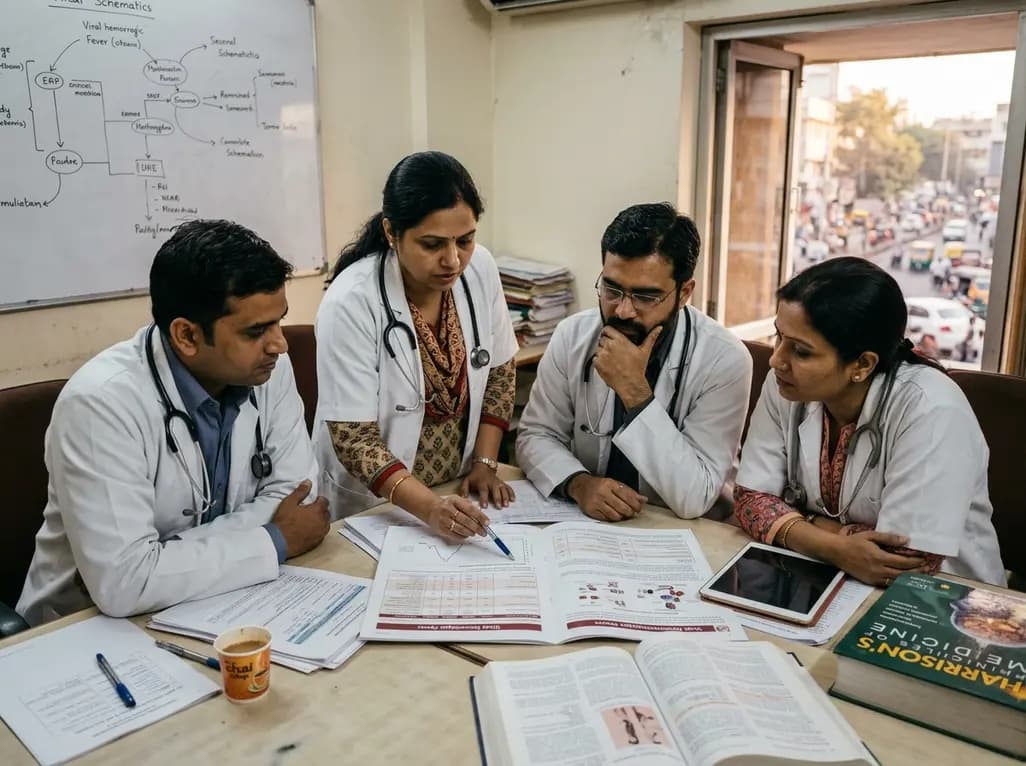
Health authorities in the Democratic Republic of the Congo report unprecedented mortality from the Bundibugyo virus epidemic. Clinicians worldwide must understand the virological profile, atypical hemorrhagic manifestations, early diagnostic protocols, and containment strategies for this evolving health threat.
Today
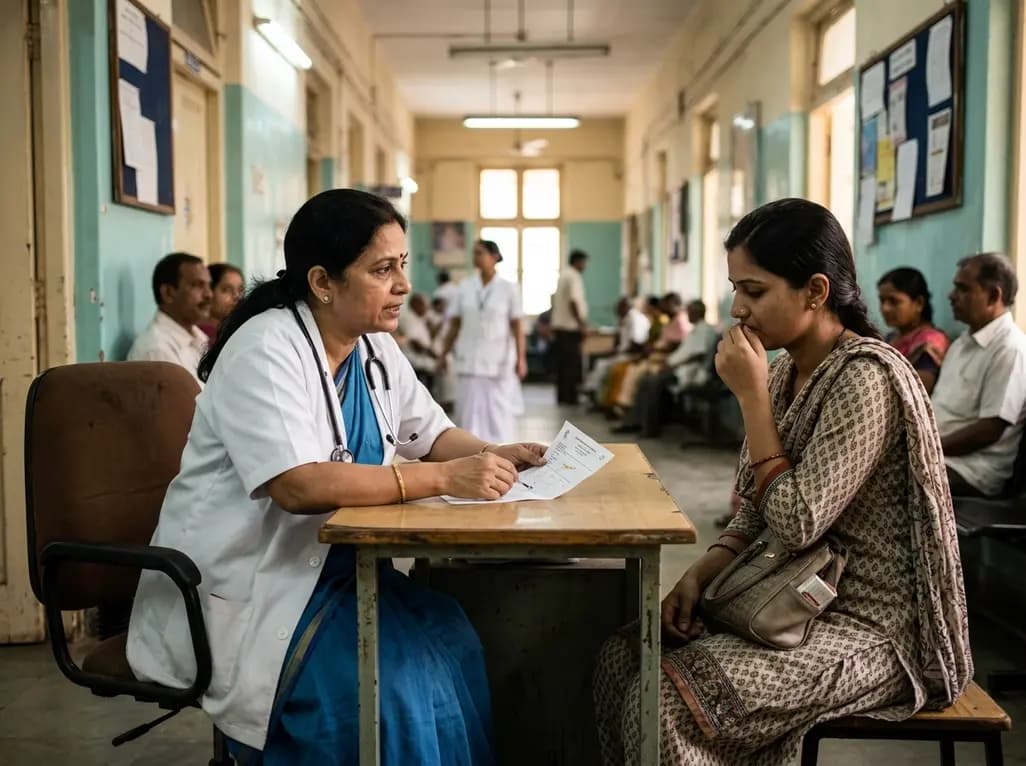
A nationwide South Korean study shows underreporting of smoking among women dropped from 57.4% to 36.4% between 2008 and 2021. However, over one-third of female smokers still conceal their habit, highlighting the critical role of cotinine verification in clinical risk assessment.
Today
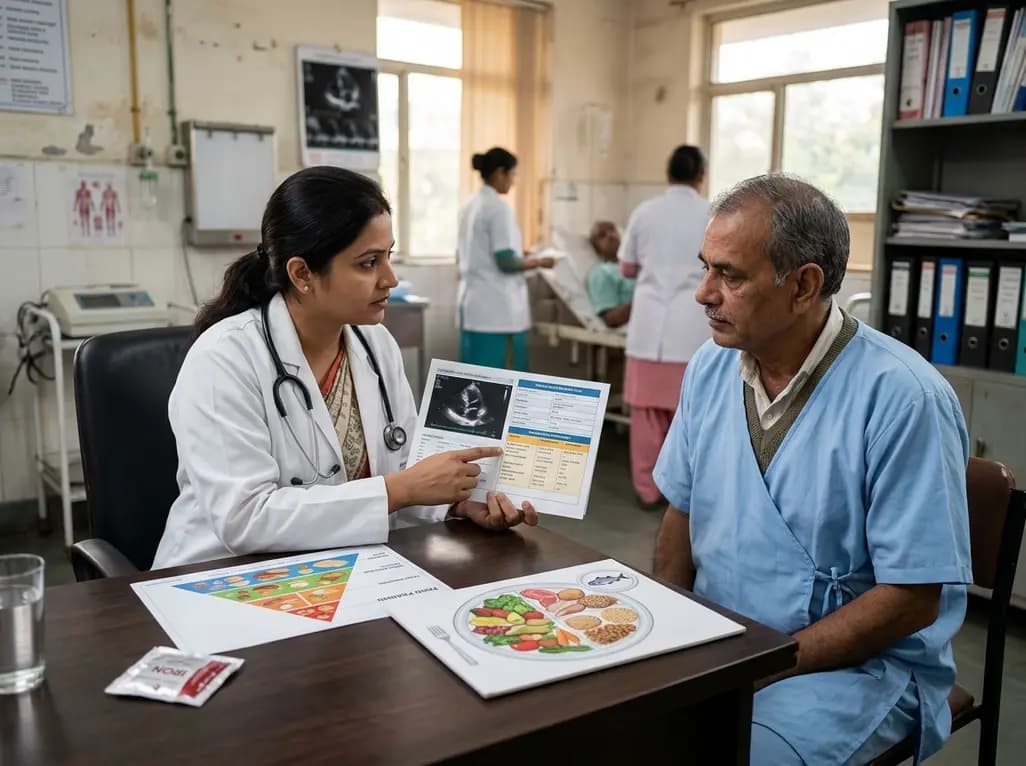
A scientific statement highlights the crucial role of nutrition in managing chronic heart failure. It emphasizes GLIM-based screening, individualized dietary patterns like the Mediterranean diet, appropriate protein and energy intake, avoiding unnecessary fluid restriction, and targeted iron supplementation.
Today
A new study evaluates the rheological stability of decellularized peripheral nerve matrix hydrogels under varied storage conditions. Findings show -80°C storage and freeze-drying preserve gelation kinetics and mechanical stiffness, offering key insights for shipping and translational clinical applications.
Today
A qualitative meta-synthesis highlights the complex interplay between gender dysphoria, minority stress, and eating disorders in transgender and gender-diverse individuals. Clinicians must recognize these distinct drivers to offer supportive, gender-affirming, and interdisciplinary eating disorder care.
Today
