.webp&w=384&q=75)

Loading, please wait...
Loading, please wait...
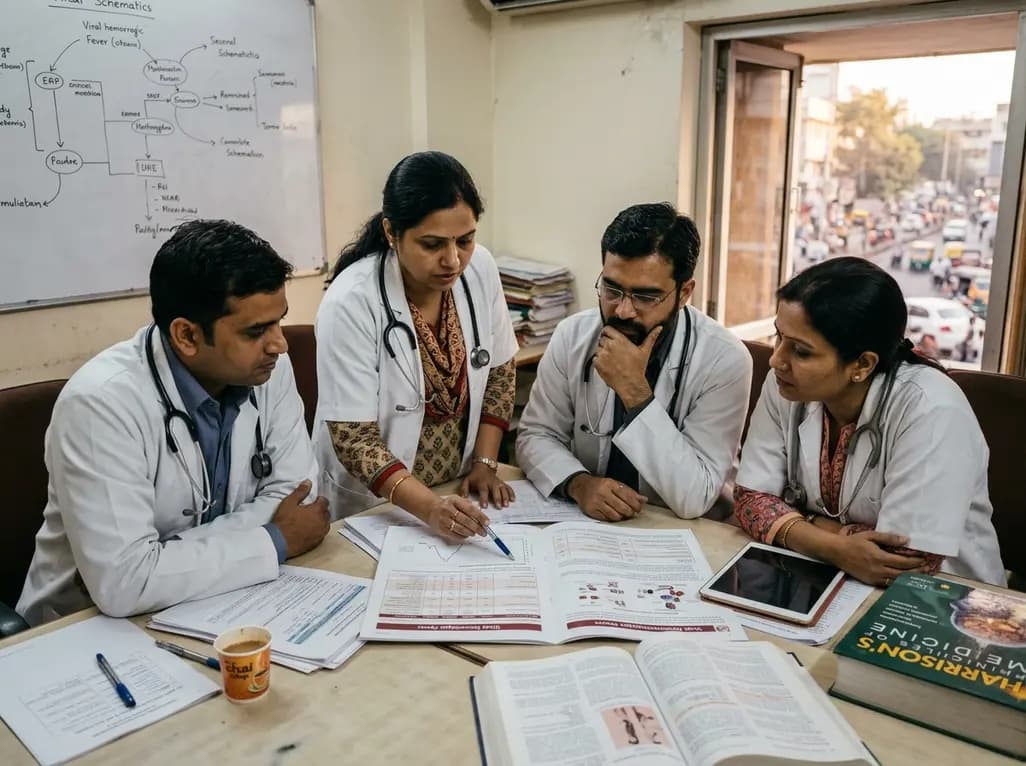
Recent epidemiological surveillance reveals that the ongoing Congo Ebola outbreak has officially claimed over 4,000 lives, marking an unprecedented milestone in regional viral hemorrhagic fever history. Government figures indicate that confirmed cases have now climbed past 8,300 across seven provinces. Although more than 2,000 patients have successfully recovered, the crude case-fatality rate remains concerningly near 48 percent. Consequently, healthcare providers and public health leaders worldwide must assess the biological nuances of this catastrophic epidemic. Understanding these transmission patterns enables clinicians to recognize potential imported cases rapidly and implement stringent biosecurity precautions.
The Democratic Republic of the Congo faces its seventeenth recorded confrontation with filovirus infection. However, this crisis now represents the deadliest outbreak in the nation's history, surpassing the prolonged 2018-2020 North Kivu epidemic. Historically, only the catastrophic 2014-2016 West African disaster produced greater morbidity and mortality globally. The transmission epicenter remains concentrated within northeastern Ituri province, where civil displacement and infrastructural damage continually frustrate surveillance teams. Nevertheless, active chains of transmission have propagated into neighboring North Kivu, South Kivu, Haut-Uele, Bas-Uele, Tshopo, and South Ubangi provinces.
In addition, cross-border transmission has already reached neighboring Uganda, prompting extensive contact tracing and border temperature screenings. Health officials initially observed brief signs of plateauing infection rates in isolated rural health zones. Unfortunately, population movement rapidly dispersed the pathogen to newly vulnerable urban centers. Frontline clinical workers have suffered significant casualties, with dozens of doctors and nurses contracting the disease while delivering routine care. Therefore, national health authorities continue to request urgent international logistics, personal protective equipment, and field laboratory assistance.
Unlike previous DRC crises caused by the Zaire ebolavirus species, this widespread epidemic stems from the Bundibugyo virus. The Bundibugyo species belongs to the Orthoebolavirus genus within the Filoviridae family. Scientists first isolated this particular virus during a 2007 outbreak in western Uganda. Furthermore, Bundibugyo possesses distinct genomic sequencing differences when compared directly against the Zaire or Sudan species. These structural divergences profoundly complicate clinical countermeasures because established medical tools do not confer cross-protection.
Specifically, the widely deployed rVSV-ZEBOV vaccine and monoclonal antibody therapeutics like mAb114 and REGN-EB3 do not demonstrate clinical efficacy against Bundibugyo virus. Consequently, clinicians cannot rely on established immunization rings or specific viral neutralization therapies. Researchers have therefore initiated urgent, pragmatic clinical trials evaluating candidate vaccines directly within high-transmission zones. Fruit bats remain the primary zoonotic reservoir maintaining environmental persistence. Human spillover occurs through contact with bushmeat, followed by sustained human-to-human transmission via infectious bodily secretions, blood, and contaminated surfaces.
The incubation period for Bundibugyo virus disease spans from two to twenty-one days, averaging approximately one week. Early symptomatic phases resemble common endemic infectious conditions, creating severe diagnostic dilemmas for triage personnel. Patients present primarily with sudden-onset high fevers, debilitating asthenia, generalized myalgia, frontal headaches, and pharyngitis. As the illness progresses, gastrointestinal symptoms dominate, including severe watery diarrhea, intractable vomiting, and acute abdominal tenderness. Consequently, secondary hypovolemic shock and profound electrolyte derangements frequently emerge as leading drivers of early mortality.
Interestingly, overt frank hemorrhage occurs in only ten to twenty percent of infected patients during this outbreak. Because pronounced mucosal bleeding remains relatively infrequent compared to Zaire strain epidemics, clinicians often misclassify early cases as severe malaria, enteric fever, or dysentery. Nevertheless, subclinical coagulopathies, petechial rashes, hematuria, and oozing from venipuncture sites can still emerge during terminal stages. Diagnostic confirmation requires reverse transcriptase-polymerase chain reaction testing under strict biosafety level four laboratory controls or validated rapid field platforms.
In the absence of approved viral-specific neutralizing agents, meticulous supportive intensive care forms the foundation of clinical survival. Aggressive early fluid resuscitation significantly improves hemodynamic stability and curbs renal shutdown. Physicians utilize balanced crystalloid solutions administered orally or intravenously while closely tracking systemic perfusion and urinary output. Furthermore, aggressive correction of severe potassium, magnesium, and calcium imbalances prevents fatal cardiac arrhythmias during persistent gastrointestinal losses. Rapid bedside point-of-care biochemical analyzers substantially aid this physiological correction.
Additionally, clinicians systematically administer empiric broad-spectrum antimicrobial agents to counteract secondary bacterial translocation across damaged intestinal mucosal barriers. Nutritional supplementation, antipyretics, and targeted antiemetic therapy preserve patient stamina throughout the second week of illness. When respiratory distress or multiorgan dysfunction develops, clinicians provide supplemental oxygen and careful hemodynamic titration. Notably, clinical centers that establish structured supportive algorithms achieve survival rates above fifty percent, underscoring the decisive role of rigorous intensive monitoring.
Containing filovirus dissemination demands unyielding adherence to standardized infection prevention and control practices within all healthcare facilities. Triage areas must isolate febrile individuals who report recent international travel to endemic territories immediately upon presentation. Healthcare personnel must rigorously deploy full personal protective gear, including fluid-resistant coveralls, double gloving, powered air-purifying respirators, and impermeable foot protection. Moreover, trained observers must supervise donning and doffing procedures meticulously to prevent self-contamination during peak fatigue periods.
Hospital infection control teams must also implement strict environmental decontamination using standardized sodium hypochlorite solutions or equivalent virucidal chemicals. Furthermore, community engagement remains vital, particularly regarding respectful, dignified, and safe burial practices for deceased victims. Traditional funeral rituals that involve washing remains present extraordinary transmission risks due to high postmortem viral titers. International airports and public health authorities must uphold vigilant point-of-entry surveillance, rigorous travel history documentation, and rapid isolation infrastructure to avert transatlantic secondary clusters.
Q1: How does Bundibugyo virus differ from the common Zaire Ebola virus?
Bundibugyo virus represents a distinct species within the Orthoebolavirus genus. While both viruses cause severe hemorrhagic fever with high mortality, Bundibugyo typically displays lower overall rates of overt bleeding manifestations. Crucially, licensed vaccines and monoclonal antibody therapies developed for the Zaire strain do not offer cross-protection against Bundibugyo infections, necessitating reliance on investigational trial agents and supportive medical management.
Q2: Why is the death toll accelerating so rapidly in the current epidemic?
Multiple intersecting humanitarian factors drive transmission across eastern Congo. Protracted regional insecurity, violent civil conflict, and community displacement continuously disrupt epidemiological field surveillance and contact tracing. Furthermore, the absence of approved pre-exposure vaccines leaves population rings vulnerable. Delayed diagnostic recognition in remote clinics, combined with limited local critical care infrastructure, exacerbates patient mortality significantly across affected healthcare jurisdictions.
Q3: What immediate precautions should international hospitals undertake for suspect travelers?
Hospitals must immediately place returning travelers presenting with acute fever, diarrhea, or systemic symptoms who recently visited endemic central African regions into airborne and contact isolation rooms. Frontline clinicians must wear comprehensive personal protective equipment before conducting clinical assessments. Local infectious disease specialists and public health authorities require prompt notification to facilitate rapid molecular diagnostic confirmation through designated reference laboratories.
Disclaimer: This content is for informational and educational purposes only. It does not constitute medical advice or replace professional judgment. Refer to the latest local and national guidelines for clinical practice.
References

Read summarized clinical updates, watch expert medical content, and earn CME certifications right from your smartphone.
Open your smartphone camera to scan and install.





Health authorities in the Democratic Republic of the Congo report unprecedented mortality from the Bundibugyo virus epidemic. Clinicians worldwide must understand the virological profile, atypical hemorrhagic manifestations, early diagnostic protocols, and containment strategies for this evolving health threat.
Today
A nationwide South Korean study shows underreporting of smoking among women dropped from 57.4% to 36.4% between 2008 and 2021. However, over one-third of female smokers still conceal their habit, highlighting the critical role of cotinine verification in clinical risk assessment.
Today
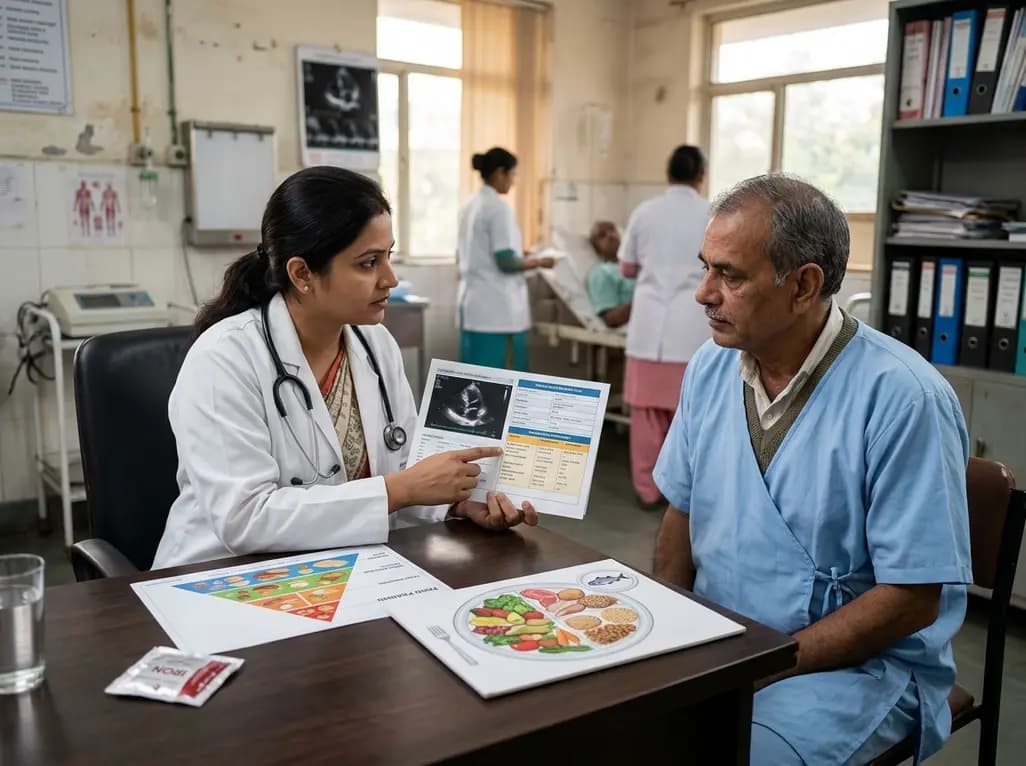
A scientific statement highlights the crucial role of nutrition in managing chronic heart failure. It emphasizes GLIM-based screening, individualized dietary patterns like the Mediterranean diet, appropriate protein and energy intake, avoiding unnecessary fluid restriction, and targeted iron supplementation.
Today

A new study evaluates the rheological stability of decellularized peripheral nerve matrix hydrogels under varied storage conditions. Findings show -80°C storage and freeze-drying preserve gelation kinetics and mechanical stiffness, offering key insights for shipping and translational clinical applications.
Today

A qualitative meta-synthesis highlights the complex interplay between gender dysphoria, minority stress, and eating disorders in transgender and gender-diverse individuals. Clinicians must recognize these distinct drivers to offer supportive, gender-affirming, and interdisciplinary eating disorder care.
Today
