.webp&w=384&q=75)

Loading, please wait...
Loading, please wait...

Public health surveillance requires swift verification whenever high-consequence pathogens trigger acute clinical concerns. Recently, international attention focused on a Siberian plague lab in Irkutsk after a young technician died unexpectedly. Russian regulatory authorities officially dismissed circulating social media reports suggesting that a second contact contracted illness. Consequently, health officials emphasized that thousands of diagnostic tests showed no pathogen transmission. However, global health agencies continue seeking complete epidemiological verification regarding the primary fatality. For clinicians and infectious disease specialists, this incident underscores essential diagnostic challenges in acute respiratory failure and biosafety.
Official statements from Russian regulatory authorities clarified that rumors of a secondary infection were completely unfounded. Previously, social media platforms reported that an acquaintance of the deceased researcher had fallen severely ill. In response, public health agencies screened dozens of facility contacts and performed nearly five thousand laboratory tests. Officials confirmed that none of these biological specimens demonstrated dangerous pathogens. Nevertheless, the incident generated substantial scrutiny from international bodies, including the World Health Organization. Global health observers requested detailed microbiological data concerning the initial fatality of technician Darya Shipilova. The primary patient succumbed to fulminant pneumonia shortly after working within the research complex. Russian health monitors have described the primary cause of death as pneumonia of undetermined etiology. Therefore, questions linger regarding potential exposure events within the experimental setting. While regional administrators insist no broader epidemic threat exists, external epidemiologists urge complete diagnostic disclosure. Transparent reporting remains essential to maintain international health security during suspected pathogen exposures. Thus, healthcare professionals worldwide monitor these official updates to assess institutional biosecurity performance. Consequently, international bodies emphasize rigorous laboratory biosafety oversight.
Differentiating pneumonic plague from typical community-acquired pneumonia represents a formidable diagnostic challenge for clinicians. Typically, pneumonic plague arises either primarily via inhalation of droplets or secondarily from bacteremic spread. In contrast, standard bacterial pneumonia usually progresses more gradually over several days. Primary pneumonic plague presents with a sudden onset of high fever, severe chills, headache, and profound malaise. Subsequently, patients develop tachypnea, productive cough, pleuritic chest pain, and characteristic blood-tinged sputum. Because Yersinia pestis produces rapid alveolar tissue destruction, respiratory insufficiency progresses swiftly toward acute respiratory distress syndrome. Furthermore, systemic bacteremia frequently induces refractory septic shock and disseminated intravascular coagulation. Without prompt antibiotic therapy within twenty-four hours of symptom onset, primary pneumonic plague carries an exceptionally high mortality. Conversely, standard bacterial pathogens usually respond to empirical beta-lactam therapies. Therefore, physicians must maintain a high index of suspicion when evaluating patients with rapid respiratory deterioration. Clinicians should elicit detailed occupational, travel, and environmental exposure histories immediately upon admission. Early recognition remains the single most decisive determinant of patient survival in primary pneumonic disease. Additionally, prompt chest radiography reveals rapid alveolar consolidation progressing to bilateral multilobar infiltrates.
Research facilities handling Yersinia pestis must operate under strict Biosafety Level 3 containment standards to protect personnel. Specifically, these specialized laboratories utilize directional inward airflow, negative pressure differentials, and certified high-efficiency particulate air filtration. Laboratory workers must wear advanced personal protective equipment, including positive-pressure respirators, double gloves, and impermeable protective suits. Furthermore, personnel must execute all manipulation of viable bacterial cultures inside certified Class II biological safety cabinets. Accidental spills, broken glassware, or aerosolization incidents require immediate emergency evacuation and chemical decontamination procedures. Additionally, institutional occupational health programs must implement daily symptom tracking for laboratory technicians working with dangerous pathogens. In the event of an accidental exposure, staff must report incidents immediately to safety officers for post-exposure prophylaxis. Routine biological surveillance also includes baseline serological archiving and rapid diagnostic access for feverish personnel. Moreover, robust physical security systems prevent unauthorized access to pathogen repositories and experimental suites. Ultimately, adherence to comprehensive biosafety guidelines prevents laboratory-acquired infections and eliminates secondary community transmission. Therefore, biomedical facilities maintain strict compliance monitoring to safeguard laboratory researchers against accidental biocontainment failures. Ongoing training reinforces adherence to safety standards.
When healthcare authorities suspect a pneumonic plague case, epidemiological teams must activate rapid contact tracing protocols immediately. Because pneumonic plague spreads via respiratory droplets, close contacts face substantial infection risks during unshielded exposure. Public health investigators define close contacts as individuals within two meters of a symptomatic patient during active disease. Consequently, field epidemiologists establish strict quarantine boundaries and register all exposed healthcare personnel and family members. Monitored contacts must undergo active temperature checks twice daily for a minimum duration of seven days. Furthermore, hospital administrators must place index patients in airborne infection isolation rooms equipped with negative pressure. Treating clinical teams must utilize droplet and standard precautions, including fitted N95 respirators, face shields, and protective gowns. If a contact develops fever or new respiratory symptoms, clinicians must initiate immediate diagnostic testing and hospital isolation. In addition, health authorities must communicate epidemiological surveillance findings transparently to prevent dangerous public panic. Clear public communication dispels unverified social media rumors regarding secondary transmission clusters during high-profile investigations. Thus, coordinated epidemiological tracing prevents potential localized outbreaks from expanding into widespread regional health crises. Meanwhile, international reporting agreements obligate member states to share verified outbreak metrics under global health regulations.
Timely antimicrobial administration dramatically reduces mortality in patients suffering from suspected or confirmed Yersinia pestis infection. Historically, clinicians regarded parenteral aminoglycosides, particularly streptomycin and gentamicin, as the first-line therapeutic agents for acute plague. In modern clinical practice, intravenous fluoroquinolones such as ciprofloxacin and levofloxacin demonstrate equivalent efficacy with favorable safety profiles. Alternatively, clinicians frequently prescribe doxycycline for mild presentations or as an oral transition therapy after clinical stabilization. Treatment duration generally spans ten to fourteen days, depending on clinical response and microbiological clearance. For asymptomatic close contacts exposed to pneumonic plague cases, physicians must initiate post-exposure chemoprophylaxis immediately. Recommended oral prophylaxis regimens typically involve oral doxycycline or ciprofloxacin administered twice daily for seven consecutive days. Furthermore, clinicians must closely evaluate pediatric patients and pregnant women to adjust antimicrobial selections appropriately. Because antimicrobial resistance remains rare in natural strains, empirical regimens successfully prevent clinical disease progression when administered early. Ultimately, rapid procurement and distribution of emergency antimicrobial stockpiles remain critical components of national epidemic preparedness plans. Hospitals must therefore maintain readily accessible therapeutic protocols for high-consequence biological threats. Additionally, early infectious disease consultation optimizes individualized antimicrobial stewardship.
Q1: Why did Russian health regulators dismiss rumors of a second illness following the laboratory worker death?
Russian health authorities officially classified reports of a second infected contact as false rumors circulating on social media. After the fatal pneumonia case occurred in Siberia, public health teams conducted exhaustive epidemiological contact tracing. Technicians evaluated dozens of contacts and processed nearly five thousand laboratory tests. All diagnostic investigations showed zero evidence of dangerous pathogenic microorganisms, confirming that no secondary transmission occurred among community members.
Q2: Why does the World Health Organization require verification of unexplained pneumonia cases in high-containment laboratories?
The World Health Organization mandates transparent verification because unexplained fatal respiratory infections in specialized research facilities pose potential public health hazards. High-consequence pathogens like Yersinia pestis transmit rapidly through respiratory droplets. International Health Regulations obligate member states to share clinical and epidemiological findings. Independent verification enables global health experts to conduct thorough risk assessments, evaluate laboratory biosafety protocols, and prevent potential transnational infectious disease dissemination.
Q3: What immediate infection control and prophylactic measures are required for suspected pneumonic plague exposures?
When clinicians suspect pneumonic plague exposure, healthcare facilities must isolate index patients immediately in negative-pressure rooms with strict droplet precautions. Medical personnel must wear N95 respirators, eye protection, and protective gowns. Simultaneously, public health teams identify all close contacts within two meters and initiate daily temperature monitoring. Exposed individuals must immediately receive oral antimicrobial chemoprophylaxis, typically doxycycline or ciprofloxacin, to abort active infection before symptoms develop.
Disclaimer: This content is for informational and educational purposes only. It does not constitute medical advice or replace professional judgment. Refer to the latest local and national guidelines for clinical practice.
References

Read summarized clinical updates, watch expert medical content, and earn CME certifications right from your smartphone.
Open your smartphone camera to scan and install.





Russian health authorities refuted rumors of a second infectious illness linked to a research facility in Irkutsk after a laboratory technician died of severe pneumonia. International bodies seek transparency while clinicians review infection control measures, diagnostic standards, and rapid containment pathways.
Today

A large Medicare fee-for-service claims study reveals significant shifts in initial stress urinary incontinence treatments from 2008 to 2016. Pelvic floor muscle therapy usage rose substantially while sling surgeries declined, highlighting important clinical practice changes and short-term cost benchmarks.
Today
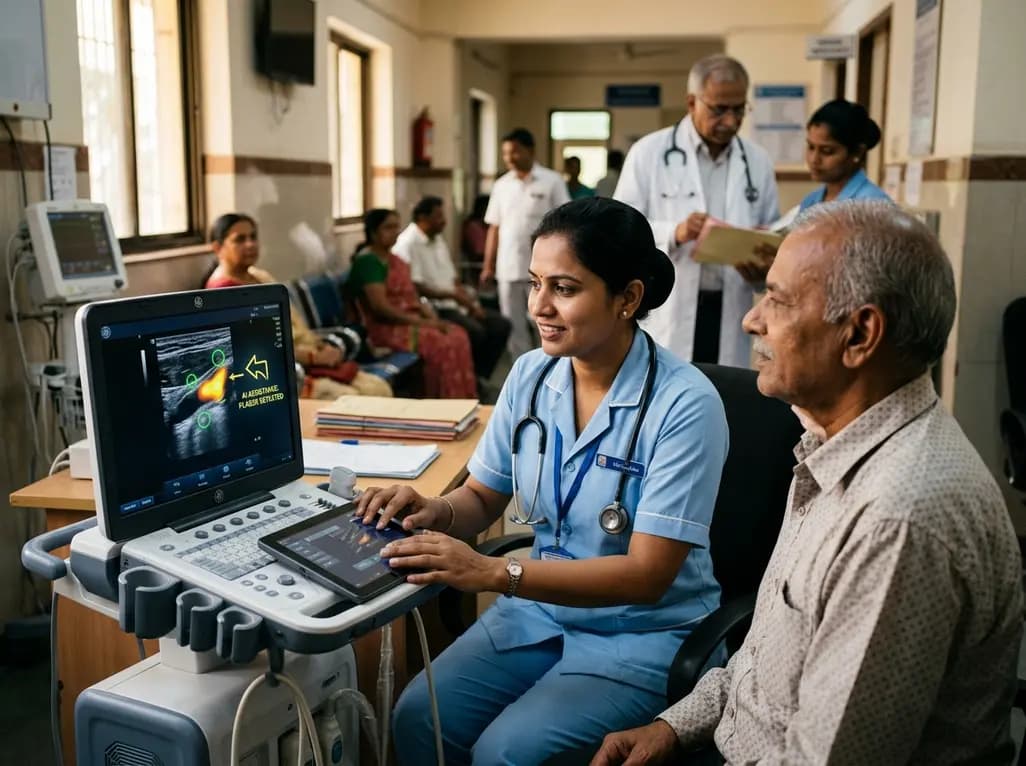
A user-centered study demonstrates that AI-assisted carotid ultrasound enables nonexpert primary care staff to detect subclinical atherosclerosis. With real-time guidance and workflow optimization, this technology supports early cardiovascular risk communication and task-shifting in routine clinical practice.
Today
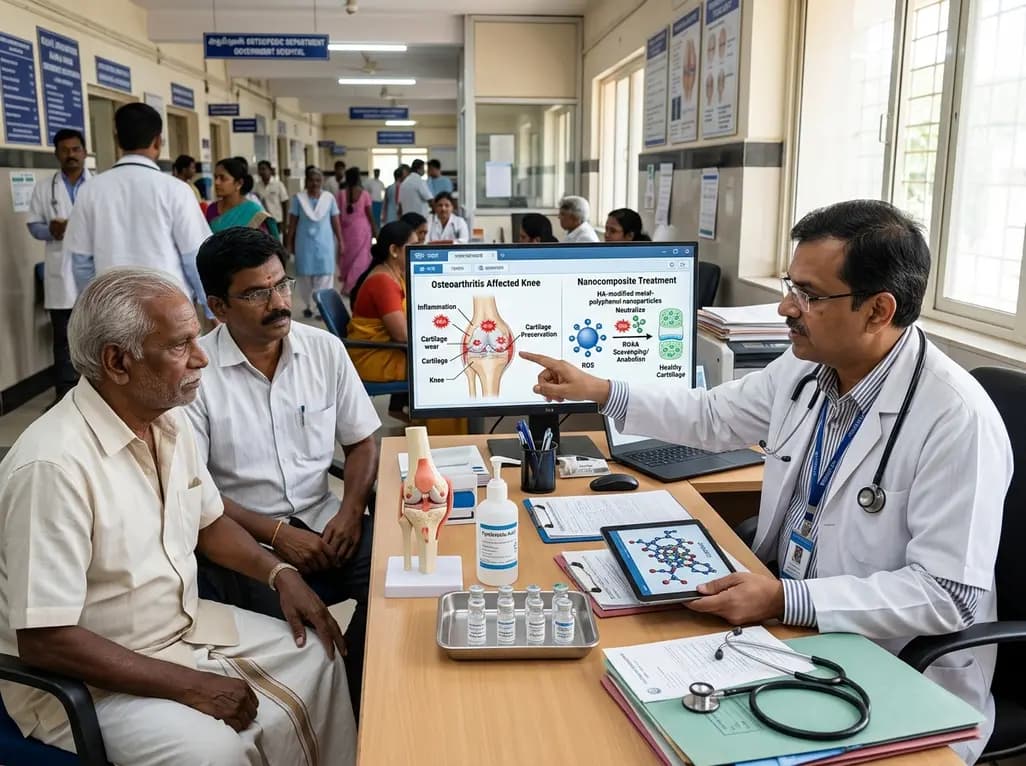
A hyaluronic acid-modified metal-polyphenol nanocomposite successfully eliminates reactive oxygen species in chondrocytes, halts cartilage breakdown, and promotes tissue anabolism, presenting a novel disease-modifying strategy for early osteoarthritis.
Today
The Food Safety and Standards Authority of India issued show-cause notices to Dr. Reddy's Laboratories, Nestle Health Science, and e-commerce platforms. The regulator flagged unverified advertising claims regarding lean muscle preservation, complete daily nourishment, and European purity for Celevida GLP+.
Today
