.webp&w=384&q=75)

Loading, please wait...
Loading, please wait...

Shingles prevention in India is gaining urgency as the population ages and chronic diseases become more prevalent. Consequently, medical professionals must prioritize adult immunization to mitigate the rising health burden. Proactive clinical intervention can protect millions of vulnerable seniors from severe complications. This demographic shift necessitates a move from reactive treatment to proactive preventive strategies.
India is witnessing a significant epidemiological shift where chronic illnesses increase the risk of viral reactivation. Specifically, diabetes, cardiovascular disease, and chronic kidney disease weaken the immune system in older adults. Therefore, the reactivation of the varicella-zoster virus is becoming a widespread clinical concern. Experts emphasize that age-related immunosenescence further exacerbates this vulnerability among the geriatric population. Consequently, the convergence of longevity and non-communicable diseases creates a substantial public health challenge.
Shingles is not merely a skin condition; it often leads to debilitating complications like post-herpetic neuralgia. Furthermore, these complications can persist for months and significantly reduce the patient's quality of life. Vaccination remains the primary strategy for effective Shingles prevention in India. Currently, the recombinant zoster vaccine offers high efficacy for adults aged 50 and above. Physicians should discuss these preventive options during routine clinical visits to bridge the existing awareness gap. Timely intervention can prevent chronic pain and the associated socio-economic strain on families.
Despite the availability of vaccines, several factors hinder widespread adoption in the Indian healthcare landscape. High out-of-pocket costs and limited inclusion in national programs remain major obstacles for many families. Additionally, a lack of proactive doctor-patient dialogue contributes to low uptake rates. However, shifting toward a life-course immunization strategy could transform public health outcomes. Therefore, integrating adult vaccines into standard care is essential for India’s healthy ageing goals. Medical stakeholders must advocate for better insurance coverage and public awareness to improve health equity.
Q1: Why does chronic illness increase the risk of shingles?
Chronic conditions like diabetes and kidney disease cause persistent inflammation and metabolic stress. These factors weaken the immune system, making it harder for the body to keep the latent varicella-zoster virus in check.
Q2: Is the shingles vaccine recommended for those who already had chickenpox?
Yes, the vaccine is specifically designed for adults who previously had chickenpox. It helps boost immunity to prevent the dormant virus from reactivating as shingles later in life.
Disclaimer: This content is for informational and educational purposes only. It does not constitute medical advice or replace professional judgment. Refer to the latest local and national guidelines for clinical practice.
References

Read summarized clinical updates, watch expert medical content, and earn CME certifications right from your smartphone.
Open your smartphone camera to scan and install.





India's ageing population faces a rising shingles risk due to chronic diseases. Learn why adult vaccination is key to preventing long-term pain and disabili...
7 months ago
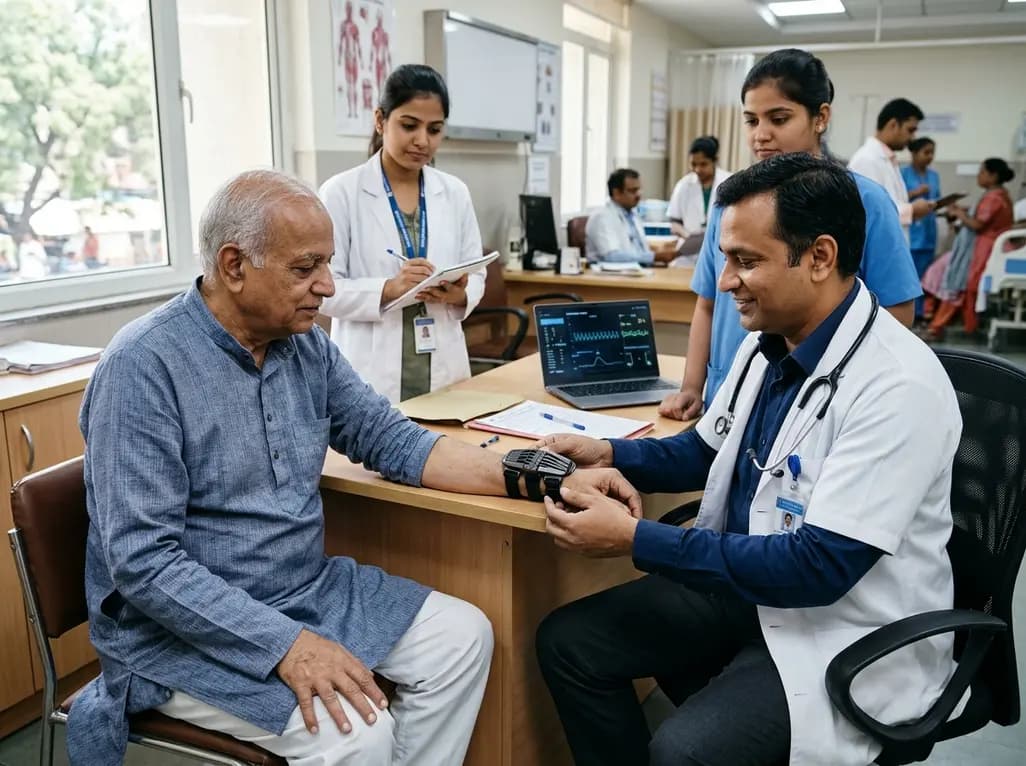
The TREM-AB open-label pilot study evaluated a wearable passive nonlinear vibration absorber for essential tremor. The Nonlinear Energy Sink bracelet reduced clinical Fahn-Tolosa-Marin tremor scores by 32.1% and electrophysiological tremor power by 49.2% with no adverse effects reported.
Today
A population-based study of 20,928 children reveals that small vulnerable newborns face sex-divergent mental capital outcomes at ages 6-7: term SGA girls show higher behavioral difficulties and lower resilience, while preterm non-SGA boys experience increased behavioral problems.
Today
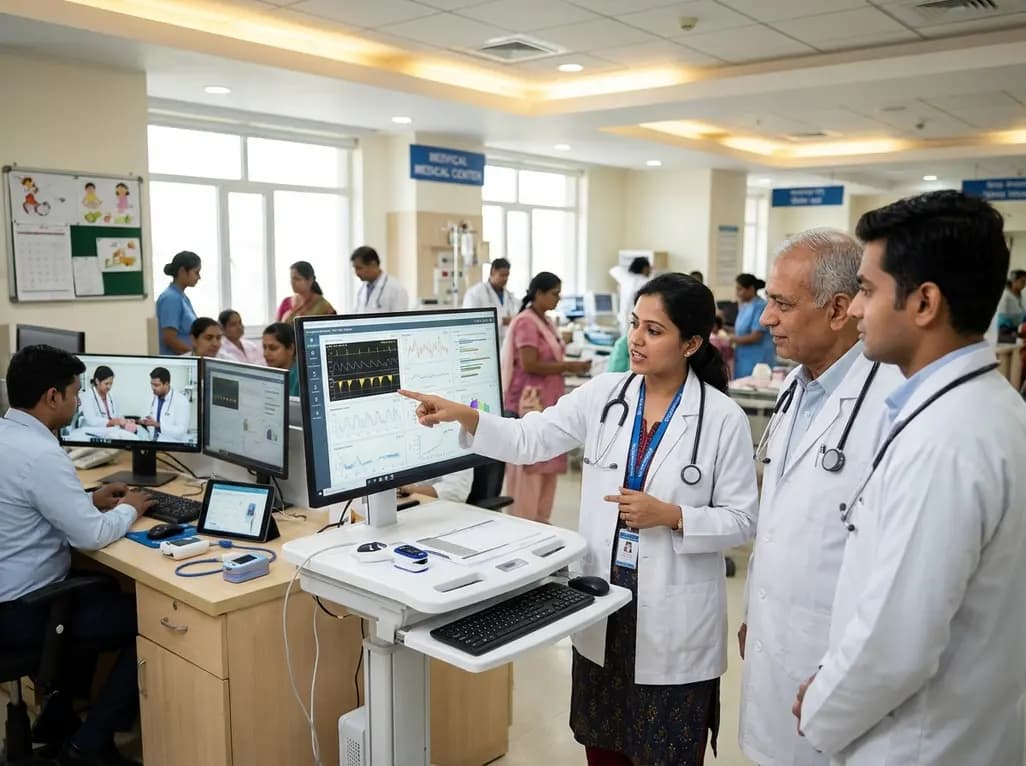
A landmark study details how an enterprise pediatric remote patient management model expanded from a single cardiology pilot to 16 diverse specialty programs by combining centralized digital operations with specialty clinical leadership.
Today
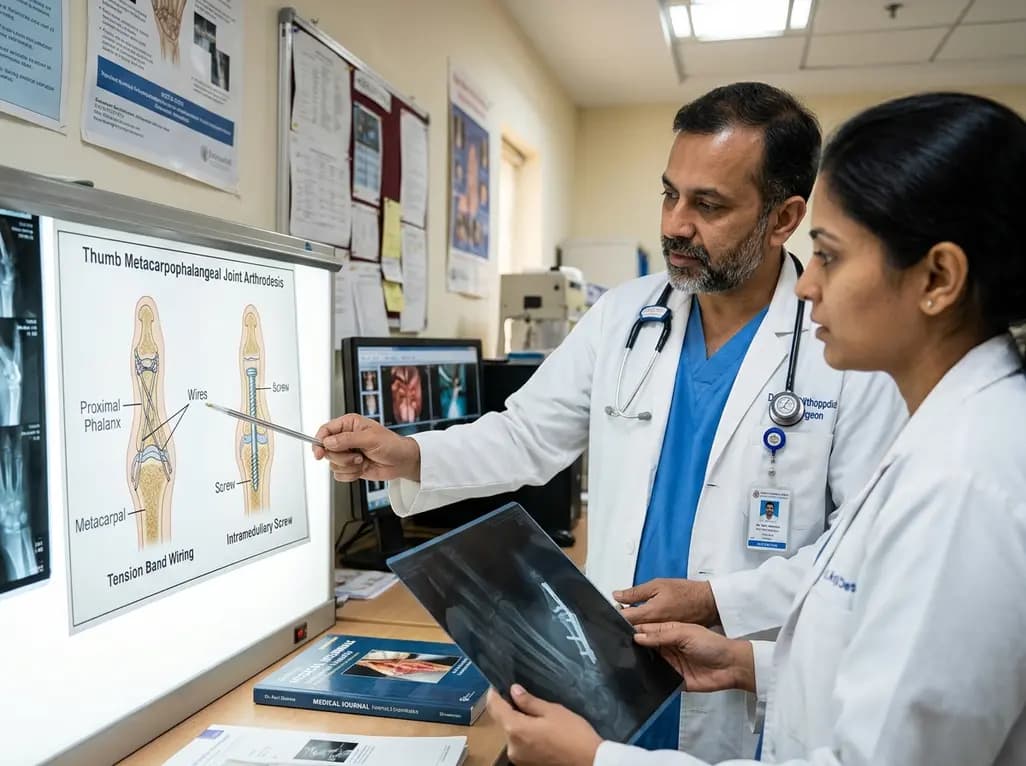
A comparative review of tension band wiring and intramedullary screw fixation in thumb metacarpophalangeal arthrodesis, evaluating union rates, hardware complications, and clinical outcomes.
Today
A breakthrough ultrathin multimodal sensor decouples physical hemodynamic monitoring from disposable electrochemical calibration, achieving long-term wearable glucose prediction with 81.36% accuracy and a 9.12% MARD. This offers a robust, drift-free solution for outpatient metabolic surveillance.
Today
