.webp&w=384&q=75)

Loading, please wait...
Loading, please wait...

Modern antiretroviral therapy transforms pediatric HIV from an acute condition into a manageable chronic illness. However, adolescents living with HIV continue to face formidable challenges in achieving sustained viral suppression. Young individuals experience complex neurodevelopmental, social, and emotional changes that can disrupt daily medication routines. Consequently, clinicians must evaluate specific behavioral competencies that foster consistent treatment adherence. Recent clinical evidence indicates that targeted disease management skills significantly impact adolescent virological outcomes.
Adolescence represents a volatile transitional phase characterized by emerging autonomy, peer pressure, and psychological vulnerability. For youth managing chronic viral illness, these dynamic changes often impede treatment compliance. Historically, healthcare teams evaluated adolescent readiness through broad self-management questionnaires. Nevertheless, aggregate scores frequently mask subtle deficiencies in everyday disease management. When clinicians evaluate overall scores, they often miss distinct knowledge gaps regarding daily pill regimens. Furthermore, adolescents frequently encounter treatment fatigue after years of strict therapy. Consequently, routine adherence counseling may fail if providers do not identify specific cognitive hurdles. In many public healthcare centers, clinicians struggle to pinpoint why certain adolescents maintain undetectable viral loads while others experience virological breakthrough. Therefore, researchers must examine individual behavioral components rather than relying solely on global measures. Identifying these concrete components allows medical teams to deliver tailored support. As adolescents gain independence from primary caregivers, their personal mastery of therapy becomes paramount for long-term health survival.
A recent cross-sectional investigation conducted across ten large treatment centers in Dar es Salaam, Tanzania, evaluated 658 adolescents living with HIV aged 15 to 19 years. The investigators examined whether self-management scores, depression, HIV-related stigma, social support, and physical quality of life correlated with virological outcomes. In this cohort, 78% of the adolescents achieved viral suppression. Surprisingly, overall aggregated self-management scores showed no statistically significant difference between virally suppressed and unsuppressed youth. However, detailed item-level analyses revealed striking differences between the two clinical groups. Specifically, suppressed adolescents demonstrated higher baseline health self-efficacy, clearer life ambitions, and superior antiretroviral administration knowledge. When investigators applied adjusted generalized linear models, differences in self-efficacy and future goals attenuated. In contrast, antiretroviral administration knowledge remained highly significant as an independent predictor of viral suppression. Consequently, this finding demonstrates that concrete practical knowledge regarding dosing schedules, food interactions, and missed-dose protocols outweighs general self-efficacy beliefs. Therefore, medical teams must prioritize functional pharmacotherapeutic literacy during routine clinical reviews.
Beyond pharmacological knowledge, environmental and emotional circumstances deeply alter virological control in young patients. The Tanzanian cohort study demonstrated that physical quality of life, community stigma, and peer social support significantly moderate the relationship between self-management behaviors and viral suppression. For instance, internalized stigma creates persistent anxiety and discourages youth from carrying medications outside their homes. As a result, adolescents often skip midday or evening doses when socializing with peers. Moreover, depressive symptoms and compromised physical quality of life severely drain the cognitive energy required for daily disease management. Conversely, robust family and community support structures buffer adolescents against chronic social stress. When family members actively encourage adherence without nagging, youth feel empowered to maintain their routines. Similarly, structured peer-support groups normalize chronic disease care and alleviate the burden of social isolation. Therefore, clinical interventions cannot focus exclusively on didactic instruction. Instead, physicians must assess environmental stressors and emotional wellbeing to ensure self-management behaviors translate into sustained viral control.
Because accurate drug administration knowledge independently predicts viral suppression, clinical teams must refine their educational strategies. Rather than delivering generic advice, healthcare workers should assess exact patient routines during every consultation. For example, clinicians can ask adolescents to describe their real-time dosing schedule, dietary precautions, and catch-up actions after a missed dose. Furthermore, healthcare teams should incorporate interactive learning methods, including smartphone reminders and digital visual aids. In many high-burden settings, peer educators provide relatable guidance that resonates with teenage patients. These educators share practical strategies for remembering medication during school hours and family travel. Additionally, pharmacists can simplify regimens by transitioning eligible youth to once-daily fixed-dose combinations. Reducing daily pill burden dramatically lowers cognitive fatigue and reduces dosing errors. When clinicians combine simplified regimens with practical education, adolescents build enduring mastery over their treatment. Consequently, targeted education directly prevents drug resistance mutations and preserves future therapeutic options.
These international findings offer vital lessons for physicians managing adolescent HIV within India's national care framework. Under the National AIDS Control Organisation guidelines, thousands of perinatally infected children are currently transitioning into adult healthcare facilities. Indian clinicians frequently observe that treatment adherence deteriorates during this delicate transition period. Furthermore, widespread familial stigma and financial strain often prevent Indian youth from disclosing their diagnosis to friends or employers. Therefore, Indian antiretroviral therapy centers should shift from generic compliance lectures to focused competency assessments. Clinicians must actively verify that adolescents understand their specific regimens, including interactions with tuberculosis co-therapies or nutritional supplements. Additionally, establishing adolescent-friendly clinic hours can reduce stigma and encourage frank discussions regarding lifestyle habits, mental health, and substance use. Integrating adolescent counselors into multidisciplinary ART centers provides ongoing psychological reassurance. Ultimately, equipping Indian adolescents with actionable clinical knowledge and compassionate social support will safeguard long-term viral suppression and enhance community health.
Successful long-term management of youth with chronic viral infections requires cohesive multidisciplinary teamwork. Pediatricians, adult physicians, clinical psychologists, and medical social workers must coordinate care through structured transitional programs. Too often, young patients encounter abrupt transfers from nurturing pediatric clinics to intimidating adult medical departments. Consequently, many adolescents drop out of regular care or experience virological rebound during transition. To prevent treatment gaps, healthcare institutions should implement phased transition plans starting in early adolescence. During these visits, providers gradually transfer responsibility from caregivers to the young individuals themselves. Moreover, mental health professionals must routinely screen for depression, cognitive impairment, and substance use disorders. Addressing these co-occurring challenges restores emotional resilience and reinforces daily self-care habits. In addition, digital tracking platforms and community outreach workers help reconnect vulnerable youth who miss routine appointments. Thus, comprehensive transitional frameworks ensure that adolescents maintain viral suppression as they transition into productive adulthood.
Aggregated self-management scores encompass broad theoretical beliefs that do not always translate into daily adherence actions. In contrast, accurate administration knowledge reflects functional, practical competence. When adolescents understand exact dosing schedules, dietary requirements, and appropriate remediation for missed tablets, they navigate real-world barriers effectively. Consequently, this specific mechanistic understanding directly ensures adequate plasma drug levels, which consistently prevents viral replication and treatment failure.
Social stigma creates severe psychological distress and fear of involuntary disclosure, which frequently causes adolescents to skip doses in public settings. Conversely, empathetic social support buffers against this emotional burden and reinforces daily adherence routines. When peers, families, and healthcare providers establish safe environments, adolescents feel validated and motivated. Therefore, psychosocial support directly enhances the practical effectiveness of individual self-management skills in maintaining viral suppression.
Indian physicians should establish structured, adolescent-friendly transition protocols within National AIDS Control Organisation centers. Clinicians should evaluate functional drug knowledge at every visit, simplify regimens to once-daily co-formulations where feasible, and routinely screen for depressive symptoms. Furthermore, connecting youth with trained peer counselors and adolescent support groups helps mitigate community stigma. This integrated approach ensures consistent engagement, prevents regimen failure, and protects long-term health.
Disclaimer: This content is for informational and educational purposes only... Refer to the latest local and national guidelines for clinical practice.
References
Siril HN et al. Role of self-management among virally suppressed and unsuppressed adolescents living with HIV in Dar es Salaam, Tanzania. AIDS Care. 2026 Oct 03. doi: 10.1080/09540121.2026.2737591. PMID: 42829324.
World Health Organization. Consolidated guidelines on HIV prevention, testing, treatment, service delivery and monitoring: recommendations for a public health approach. Geneva: WHO; 2021.
National AIDS Control Organisation. National Guidelines for HIV Care and Treatment. New Delhi: Ministry of Health and Family Welfare, Government of India; 2021.

Read summarized clinical updates, watch expert medical content, and earn CME certifications right from your smartphone.
Open your smartphone camera to scan and install.





A recent study highlights that targeted ART administration knowledge and psychosocial factors, rather than broad self-management scores, determine viral suppression in adolescents living with HIV. Learn how targeted clinical interventions can bridge adherence gaps and improve long-term outcomes.
Today

A pharmacometric and machine learning study reveals that specific vaginal bacteria alter cervical antiretroviral exposure, highlighting the need for precision HIV PrEP strategies.
Yesterday
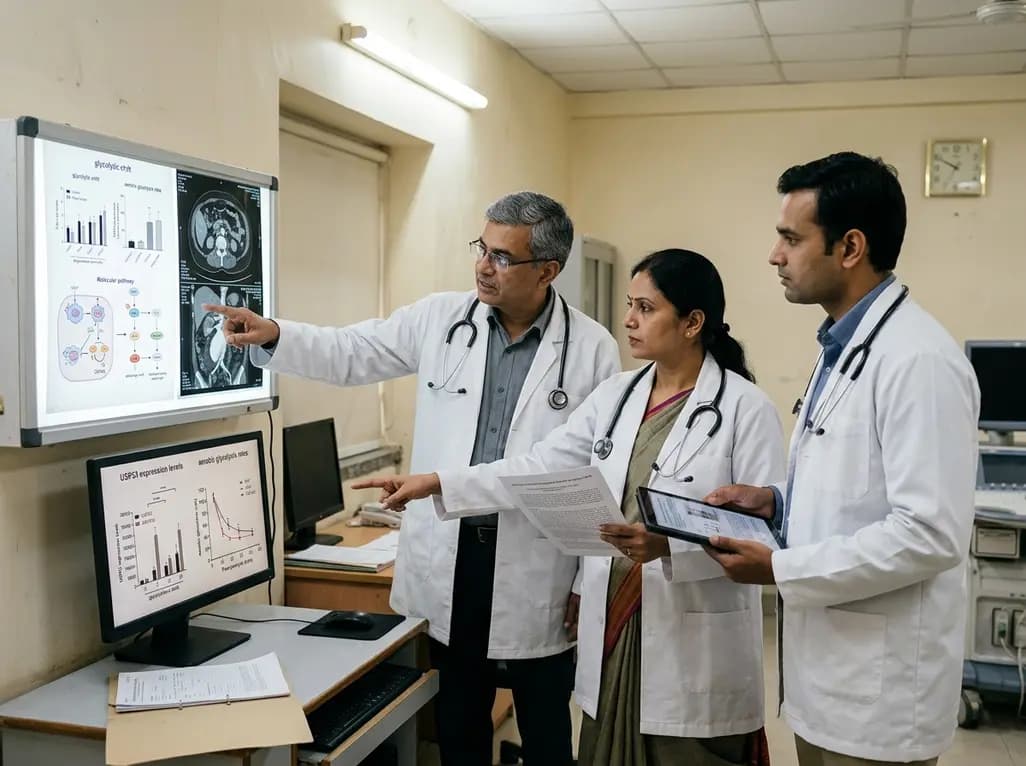
Abdominal aortic aneurysm rupture remains a catastrophic vascular emergency. Groundbreaking research reveals that USP53 accelerates aneurysm progression by reprogramming smooth muscle cell metabolism toward aerobic glycolysis, highlighting a promising target beyond conventional diameter-based surveillance.
Today

A breakthrough study leverages natural language processing to accurately identify incident medication-related osteonecrosis of the jaw and track antiresorptive drug holidays from clinical narratives in electronic health records, advancing osteoporosis pharmacovigilance and dental safety.
Today
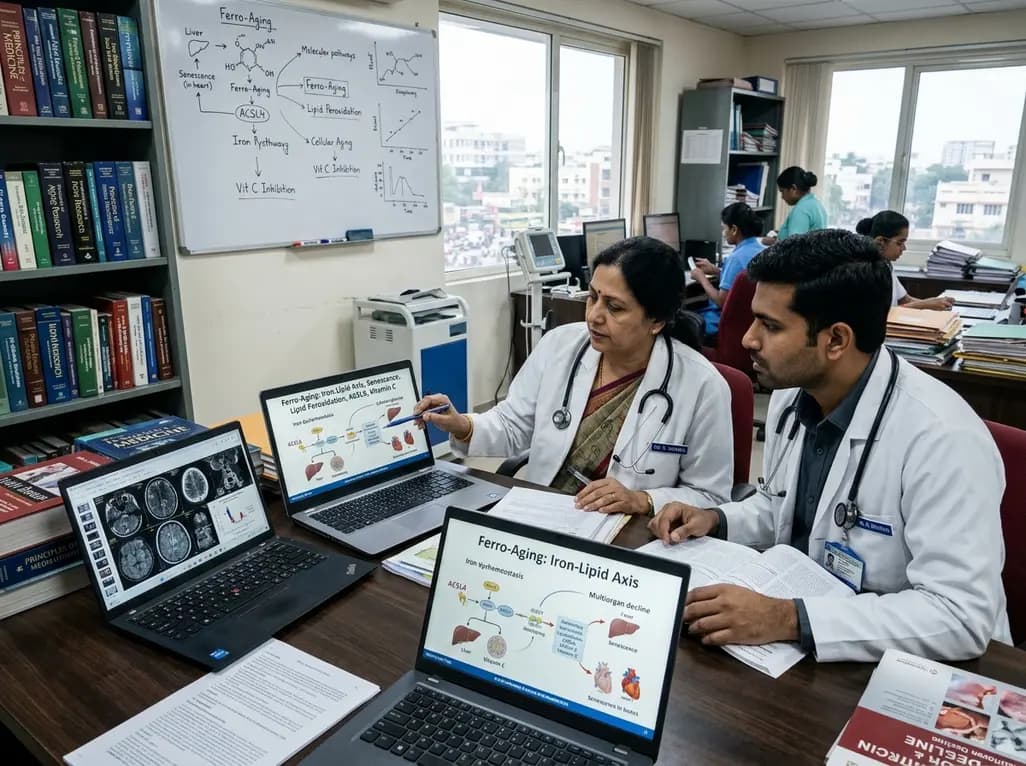
Recent research defines ferro-aging as a conserved iron-lipid axis driving organ decline across primates. Age-related iron dyshomeostasis stimulates ACSL4-mediated lipid peroxidation, promoting cellular senescence. Notably, vitamin C directly inhibits ACSL4, suppressing phospholipid oxidation and multi-organ decay.
Yesterday
