.webp&w=384&q=75)

Loading, please wait...
Loading, please wait...

Acute inflammatory brain disorders represent critical medical emergencies that frequently leave survivors with enduring physical and cognitive impairments. Among the most debilitating chronic sequelae is postencephalitic epilepsy, a secondary seizure disorder resulting from extensive neuroinflammatory and structural parenchymal disruption. Recent nationwide population-based surveillance spanning fifteen years demonstrates a clear upward secular trend in encephalitis incidence, increasing from 5.95 to 10.46 cases per 100,000 person-years. Consequently, understanding the clinical trajectory of secondary epileptogenesis has become essential for clinicians managing acute neuroinfections. Medical practitioners must identify early risk factors, institute prompt therapy, and maintain vigilant long-term surveillance to mitigate persistent neurological disability.
Population-level data reveal significant changes in the recorded burden of acute encephalitis across modern healthcare systems. Standardized incidence rates demonstrate a consistent annual percentage increase exceeding 1.5%, accompanied by observable yearly variations that reflect emerging viral outbreaks and changing pathogen exposures. In addition, broader implementation of sensitive diagnostic technologies, such as cerebrospinal fluid multiplex polymerase chain reaction panels and advanced magnetic resonance imaging protocols, has substantially improved case detection. Clinicians now identify milder or previously cryptogenic cases of both infectious and autoimmune encephalitis with greater precision. Furthermore, shifting demographic profiles contribute to rising vulnerability, as older adults with multiple comorbidities experience heightened susceptibility to severe central nervous system infections. Concurrently, pediatric cohorts remain disproportionately vulnerable to rapid-onset viral encephalitides and post-infectious inflammatory syndromes. Therefore, these epidemiological secular trends highlight the necessity for robust public health monitoring, early emergency triage, and dedicated long-term neurological care networks worldwide.
The progression from acute parenchymal infection to postencephalitic epilepsy involves intricate cellular, vascular, and immunological cascades. During the acute phase, infectious pathogens or autoantibodies trigger intense microglial activation, astrogliosis, and local blood-brain barrier disruption. Consequently, massive releases of pro-inflammatory cytokines, including interleukin-1 beta and tumor necrosis factor-alpha, dramatically alter extracellular glutamate homeostasis. This persistent neuroinflammation induces pronounced neuronal hyperexcitability and disrupts intrinsic inhibitory gamma-aminobutyric acid pathways. Moreover, localized tissue necrosis, gliotic scar formation, and aberrant axonal sprouting create permanent, highly epileptogenic structural circuits within cortical and limbic structures. Viral pathogens with specific tropism for temporal lobe architecture, such as herpes simplex virus, frequently produce severe cortical damage that directly predisposes survivors to recurrent unprovoked seizures. As a result, the secondary structural alterations and enduring chronic inflammatory milieu lower the seizure threshold permanently, establishing chronic epileptogenesis long after the primary infectious process resolves.
Clinicians must recognize specific prognostic indicators that correlate with subsequent epileptogenesis following acute cerebral infection. Patients who experience acute symptomatic seizures or status epilepticus during the initial febrile phase exhibit significantly higher rates of long-term seizure development. Furthermore, extensive cortical involvement, particularly within frontotemporal networks documented on baseline neuroimaging, indicates substantial parenchymal injury and elevated epileptogenic risk. Prolonged coma, severe encephalopathic delirium, and delayed initiation of targeted antimicrobial or immunomodulatory therapy also predict poorer neurological recovery. In pediatric populations, developmental stage and baseline neurological vulnerability influence the rapidity with which secondary seizures emerge. Conversely, elderly patients frequently present with subtle, atypical altered mental status, masking severe underlying cortical irritation until major clinical seizures manifest. Therefore, recognizing these acute risk factors enables physicians to identify high-risk cohorts requiring close electrophysiological monitoring and early clinical follow-up.
A comprehensive diagnostic evaluation remains pivotal for defining the etiology of encephalitis and mapping structural epileptogenic substrates. Clinicians must perform an urgent lumbar puncture to evaluate cerebrospinal fluid opening pressure, cytochemical parameters, viral molecular panels, and specific autoimmune encephalitis antibody profiles. In addition, high-resolution magnetic resonance imaging with dedicated epilepsy protocols provides superior visualization of subtle cortical edema, hippocampal sclerosis, or localized parenchymal necrosis. Serial or continuous electroencephalography serves as an indispensable tool for identifying non-convulsive status epilepticus, focal slowing, and periodic lateralized epileptiform discharges. Consequently, continuous electrophysiological monitoring guides both acute anticonvulsant administration and long-term risk assessment. Blood biomarkers and serological tests further help exclude systemic infectious diseases, vasculitides, and metabolic encephalopathies. Accordingly, structured multimodal diagnostic workflows ensure rapid therapeutic decision-making during the hyperacute window and establish an accurate baseline for subsequent neurological monitoring.
Managing acute brain inflammation and subsequent chronic seizure disorders requires an aggressive, dual-targeted therapeutic strategy. During the hyperacute phase, clinicians must administer empiric intravenous antimicrobial agents, such as high-dose acyclovir, immediately while awaiting microbiological confirmation. In suspected or confirmed autoimmune etiologies, early initiation of high-dose intravenous corticosteroids, intravenous immunoglobulin, or plasma exchange significantly curbs immune-mediated neuronal destruction. When acute seizures occur, prompt stabilization using standard protocol-driven intravenous antiseizure medications prevents excitotoxic secondary brain injury. Furthermore, survivors who develop recurrent unprovoked seizures require long-term anti-seizure monotherapy or rational polytherapy tailored to individual seizure semiology and pharmacokinetic profiles. Newer-generation anti-seizure medications often provide favorable tolerability, minimal drug interactions, and sustained seizure control in patients with structural epilepsy. Therefore, optimizing acute neuroprotective interventions alongside proactive long-term anti-seizure regimens remains paramount for achieving optimal clinical outcomes.
The long-term prognosis for survivors of severe encephalitis depends heavily on early neuroprotective interventions and structured post-acute care. While timely medical therapy improves acute survival rates, many individuals continue to experience residual cognitive impairment, psychiatric disturbances, motor deficits, and refractory seizure episodes. Consequently, comprehensive multidisciplinary rehabilitation, incorporating physical therapy, occupational training, cognitive rehabilitation, and neuropsychiatric support, forms the cornerstone of restorative management. Clinicians must maintain periodic clinical evaluations to adjust anti-seizure medications, assess medication adherence, and evaluate therapeutic plasma levels. Moreover, educating patients and caregivers regarding seizure precautions, lifestyle modifications, and medication compliance significantly reduces morbidity and prevents sudden unexpected death in epilepsy. In conclusion, integrated long-term follow-up programs enable survivors to regain functional independence and attain an improved overall quality of life.
Key risk factors include the occurrence of acute seizures or status epilepticus during the initial infection, substantial frontotemporal cortical lesions on neuroimaging, prolonged coma, delayed therapeutic initiation, and specific viral etiologies such as herpes simplex virus that directly damage epileptogenic limbic structures.
Secondary seizures can emerge during the acute recovery period or manifest months to years after the primary infection resolves. Late-onset seizures typically reflect permanent structural gliosis, localized tissue necrosis, and gradual network reorganization that permanently lower the baseline cerebral seizure threshold.
Antiseizure therapy is tailored to seizure semiology, patient comorbidities, and drug interactions. Newer-generation agents with broad efficacy and low hepatic enzyme induction are commonly preferred to optimize long-term seizure control, prevent adverse drug reactions, and preserve baseline cognitive function in recovering patients.
Disclaimer: This content is for informational and educational purposes only. It is not intended to substitute for professional medical advice, diagnosis, or treatment. Refer to the latest local and national guidelines for clinical practice.
References
Wang YS et al. Secular Trends in the Incidence of Encephalitis and Outcomes of Postencephalitic Epilepsy in Taiwan: A Nationwide Population-Based Study. Neuroepidemiology. 2026. doi: 10.1159/000543853. PMID: 39904321.
Venkatesan A, et al. Diagnosis and Management of Acute Encephalitis: A Practical Approach. Neurol Clin Pract. 2021;11(2):104-115.
Misra UK, et al. Acute Encephalitis Syndrome in India: A Complex Diagnostic and Therapeutic Challenge. Ann Indian Acad Neurol. 2022;25(5):811-820.
Kwan P, et al. Definition of Drug-Resistant Epilepsy: Consensus Proposal by the Ad Hoc Task Force of the ILAE Commission on Therapeutic Strategies. Epilepsia. 2010;51(6):1069-1077.

Read summarized clinical updates, watch expert medical content, and earn CME certifications right from your smartphone.
Open your smartphone camera to scan and install.





A nationwide cohort study evaluated secular trends in encephalitis incidence and postencephalitic epilepsy risk. Findings show rising encephalitis rates, highlighting the need for prompt neuroprotective strategies, early diagnostic evaluation, and proactive long-term anti-seizure management in clinical practice.
last month

A recent case shows that exertional rhabdomyolysis can trigger marked transaminase spikes despite moderate creatine kinase elevation. Preserved hepatic synthetic function confirms muscle injury rather than liver failure, guiding conservative hydration and preventing unnecessary invasive diagnostics.
Today

A pharmacometric and machine learning study reveals that specific vaginal bacteria alter cervical antiretroviral exposure, highlighting the need for precision HIV PrEP strategies.
Today
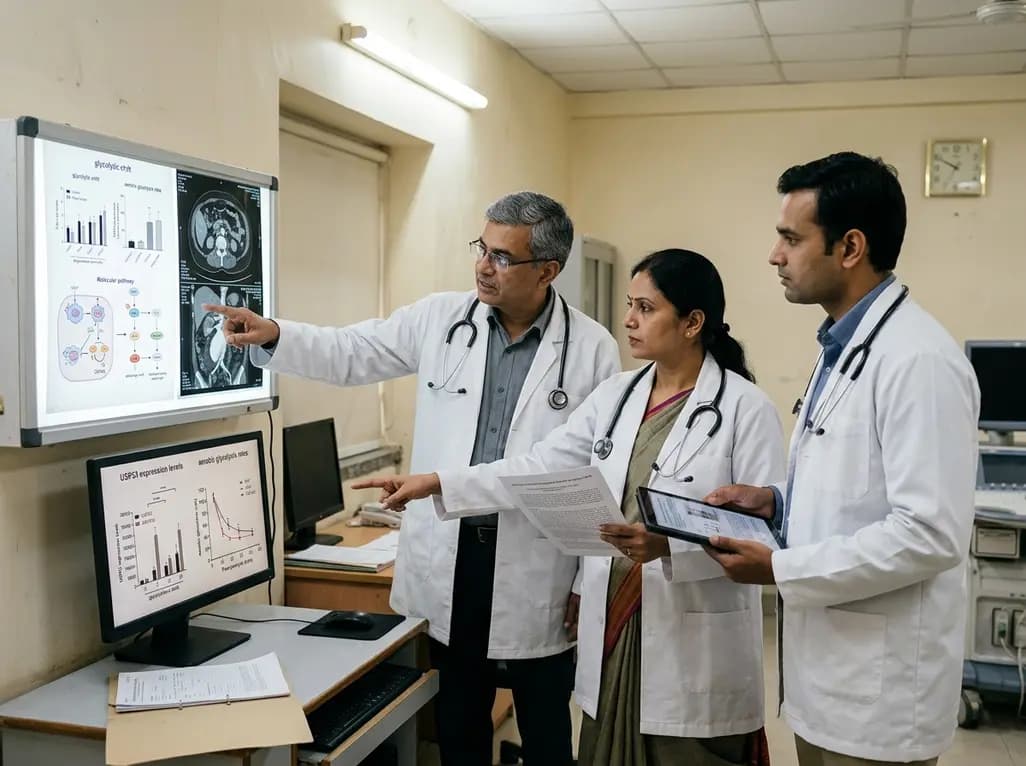
Abdominal aortic aneurysm rupture remains a catastrophic vascular emergency. Groundbreaking research reveals that USP53 accelerates aneurysm progression by reprogramming smooth muscle cell metabolism toward aerobic glycolysis, highlighting a promising target beyond conventional diameter-based surveillance.
Today
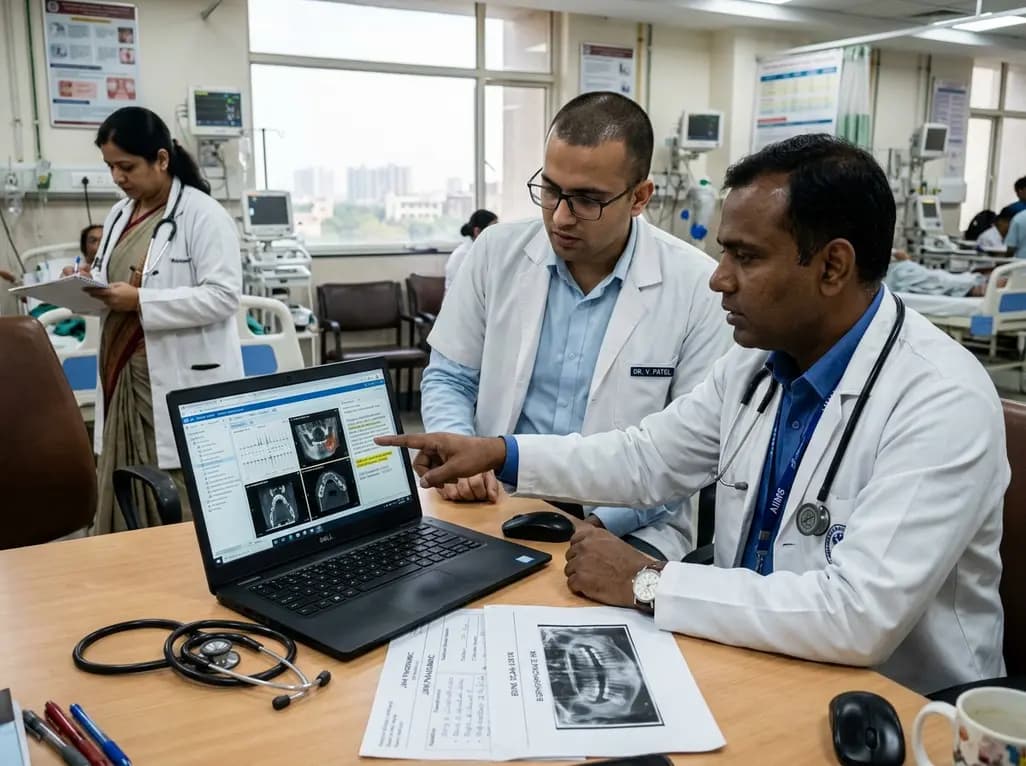
A breakthrough study leverages natural language processing to accurately identify incident medication-related osteonecrosis of the jaw and track antiresorptive drug holidays from clinical narratives in electronic health records, advancing osteoporosis pharmacovigilance and dental safety.
Today

Recent research defines ferro-aging as a conserved iron-lipid axis driving organ decline across primates. Age-related iron dyshomeostasis stimulates ACSL4-mediated lipid peroxidation, promoting cellular senescence. Notably, vitamin C directly inhibits ACSL4, suppressing phospholipid oxidation and multi-organ decay.
Today
