.webp&w=384&q=75)

Loading, please wait...
Loading, please wait...
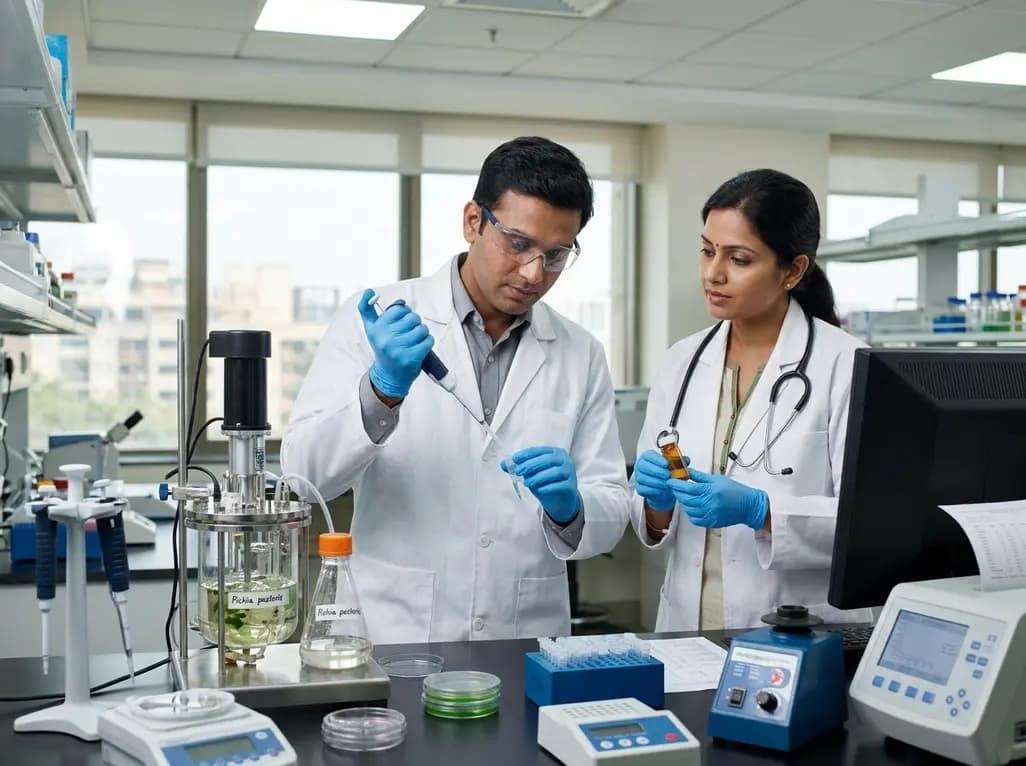
Tissue engineering and regenerative medicine continually rely on biological scaffolds that replicate the native extracellular matrix. Among these biomaterials, recombinant type III collagen has emerged as a cornerstone for wound management, dermal remodeling, and structural tissue repair. Natural type III collagen forms critical fibrillar networks across vascular structures, distensible visceral organs, and dermal layers. However, traditional animal-derived collagen sources present notable clinical challenges, including pathogen transmission risks, batch variation, and immunogenic reactions. Modern synthetic biology aims to overcome these hurdles through recombinant production platforms. Recent biotechnology breakthroughs now demonstrate that precision secretion engineering in Pichia pastoris enables the robust biosynthesis of long-continuous, structurally intact humanized collagen fragments suitable for therapeutic utilization.
Type III collagen plays a foundational role in human tissue repair, cell adhesion, and mechanical elasticity. During early wound healing cascades, fibroblasts rapidly synthesize type III collagen to form the initial provisional matrix. This delicate scaffold guides cellular migration, directs angiogenesis, and promotes tissue remodeling. Consequently, high-purity recombinant type III collagen offers immense promise across dermatology, aesthetic procedures, and surgical reconstructive disciplines. Synthetic variants circumvent the biological risks associated with bovine or porcine extraction, such as zoonotic viral transmission and unpredictable immune stimulation.
Furthermore, humanized recombinant fragments provide uniform molecular weights and precise biochemical characteristics. Clinicians can utilize these tailored biomaterials in injectable formulations, bioactive wound dressings, and implantable regenerative scaffolds. Because natural tissue regeneration depends heavily on cellular recognition motifs, maintaining the continuous peptide sequence is vital. Recombinant biomolecules that preserve natural integrin-binding domains successfully stimulate fibroblast proliferation, enhance keratinocyte migration, and accelerate physiological closure in complex cutaneous wounds.
The methylotrophic yeast Pichia pastoris represents an exceptional expression host for complex eukaryotic proteins due to its high-density fermentation capacity and efficient secretory pathways. Nevertheless, producing full-length or long-continuous collagen chains in yeast has historically faced major hurdles. Endogenous host proteases frequently target the recombinant polypeptide chains during expression and secretion, causing severe fragmentation and loss of structural fidelity. This host-derived proteolysis significantly diminishes yield and compromises the mechanical integrity required for downstream clinical applications.
To solve this persistent challenge, investigators developed an innovative proteolytic selection strategy. By analyzing vulnerable cleavage sites and isolating protease-resistant segments, researchers successfully identified a continuous 585-amino acid sequence spanning residues N611 to P1195 of the human type III collagen alpha-1 chain. This specific fragment retains the key structural motifs necessary for biocompatibility while demonstrating remarkable resilience against host degradation. Liquid chromatography-tandem mass spectrometry confirmed the uninterrupted continuity and chemical stability of the expressed protein backbone.
Achieving commercially and clinically viable yields requires optimizing the intracellular transit and extracellular secretion of recombinant proteins. In standard yeast systems, heterologous structural proteins frequently accumulate within the endoplasmic reticulum, triggering cellular stress responses and reducing overall cell viability. Therefore, researchers applied advanced secretion engineering to enhance protein translocation and extracellular export.
Through systematic signal peptide optimization, the cellular transport machinery was finely tuned to direct the nascent collagen polypeptide efficiently through the secretory pathway. This optimization dramatically improved secretion efficiency, preventing intracellular aggregation and proteolytic bottlenecking. Consequently, engineered high-producing strains achieved extraordinary yields of 6.22 grams per liter during high-density fermentation. This remarkable expression titer demonstrates the feasibility of industrial-scale biosynthesis, ensuring cost-effective production of premium biomaterials for extensive preclinical and translational evaluation.
Translating recombinant biomaterials from laboratory bioreactors to clinical settings mandates rigorous purification and stringent safety benchmarks. Host-derived impurities, residual nucleic acids, and endotoxins can trigger adverse inflammatory reactions in human tissues. In recent evaluations, the engineered recombinant type III collagen fragment achieved high chromatographic purity exceeding 90 percent, accompanied by negligible endotoxin levels.
Importantly, circular dichroism and biophysical characterization confirmed that the 585-amino acid fragment maintains structural stability under physiological conditions. The absence of unwanted proteolytic sub-fragments ensures consistent biological performance and predictable degradation rates in vivo. Moreover, cell culture models demonstrate that this humanized collagen fragment exhibits superior biocompatibility, promoting robust cell adhesion without eliciting cytotoxicity or excessive inflammatory cytokine release. These safety parameters establish a strong foundation for regulatory compliance and clinical translation in advanced wound therapeutics.
The successful production of stable, high-yield recombinant type III collagen opens broad therapeutic horizons across multiple medical domains. In chronic wound management, such as diabetic foot ulcers and venous stasis wounds, application of this bioactive fragment can restore an impaired extracellular microenvironment, attenuate chronic inflammation, and stimulate coordinated tissue granulation. The high solubility and structural integrity of the protein facilitate its incorporation into advanced hydrogels, nanofibrous matrices, and bio-absorbable sponges.
Similarly, plastic surgeons and dermatologists can leverage these recombinant fragments in tissue augmentation, scar mitigation, and anti-aging therapies. Because the engineered yeast expression system operates under controlled, animal-free conditions, the resulting biomaterial offers unprecedented batch-to-batch consistency and exceptional biosafety. As synthetic biology and secretion engineering continue to converge, engineered collagen fragments are poised to redefine modern regenerative medicine and surgical wound care.
Recombinant type III collagen provides consistent batch uniformity, eliminates the danger of zoonotic pathogen transmission, and significantly minimizes immunogenic adverse events. Unlike animal tissues that yield variable protein mixtures, engineered recombinant platforms generate pure, well-defined humanized sequences tailored for specific cellular interactions and optimal biocompatibility.
Secretion engineering optimizes the molecular signal peptides that direct nascent protein chains through the endoplasmic reticulum and Golgi apparatus. This targeted modification prevents intracellular protein aggregation, reduces cellular stress, avoids host proteolysis, and facilitates rapid extracellular export, thereby achieving exceptional production yields during fermentation.
Dermatology, plastic surgery, orthopedics, and general surgery benefit substantially from recombinant collagen biomaterials. These medical fields utilize collagen-based scaffolds, hydrogels, and injectable matrices to accelerate chronic wound healing, facilitate soft tissue reconstruction, enhance tendon repair, and promote regenerative aesthetic outcomes safely.
Disclaimer: This content is for informational and educational purposes only. It is not intended to be a substitute for professional medical advice, diagnosis, or treatment. Always seek the advice of your physician or other qualified health provider with any questions you may have regarding a medical condition or clinical practice. Refer to the latest local and national guidelines for clinical practice.
References
Zhu L et al. Secretion Engineering Enables Production of a Structurally Stable and Long-Continuous Type III Collagen Fragment in Pichia pastoris. Biotechnol Bioeng. 2026 Aug 16. doi: 10.1002/bit.70311. PMID: 42604590.
Shan Y, Wang T, Lin H. Applications of recombinant type III collagen in tissue engineering. BioMed Eng OnLine. 2026;25:12.
Wang Y, Tan W, Hong J. Advances in recombinant type III collagen: Expression systems, structural optimization, and clinical applications. Mater Des. 2026;240:115513.

Read summarized clinical updates, watch expert medical content, and earn CME certifications right from your smartphone.
Open your smartphone camera to scan and install.





Biomedical researchers have engineered a high-yield Pichia pastoris expression system to produce a structurally stable, long-continuous recombinant humanized type III collagen fragment, offering significant translational potential in regenerative medicine, wound care, and soft tissue repair.
last month

A review examines how vagal neuroimmune circuits link the brain and immune system, sensing cytokine surges and dampening peripheral inflammation. Bioelectronic medicine harnesses these pathways to provide targeted, non-pharmacological therapies for chronic inflammatory and autoimmune diseases.
Today

Explore the crucial link between dietary protein and immunocompetence. This review examines how low-protein nutrition shifts metabolic resources away from pathogen defense toward early reproduction, compromising host survival and immunity against severe bacterial infections.
Today

A post hoc analysis of the PARM-T2D study shows pemafibrate exerts baseline-dependent effects on LDL-C and particle size in type 2 diabetes and hypertriglyceridemia. It lowers triglycerides and remnants while favorably remodeling atherogenic LDL particles based on initial lipid control status.
Today
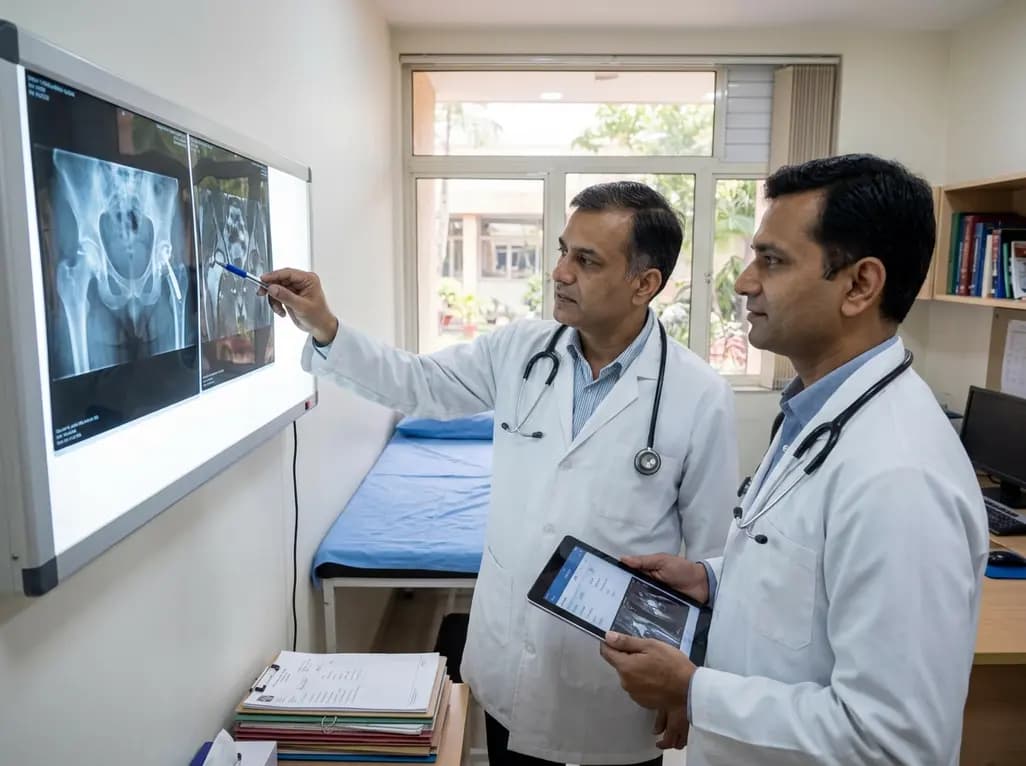
A longitudinal study reveals that patients undergoing staged bilateral hip arthroscopy experience progressive contralateral labral deterioration during surgical intervals. However, structural degradation does not compromise 2-year postoperative clinical outcomes or patient-reported satisfaction scores.
Today
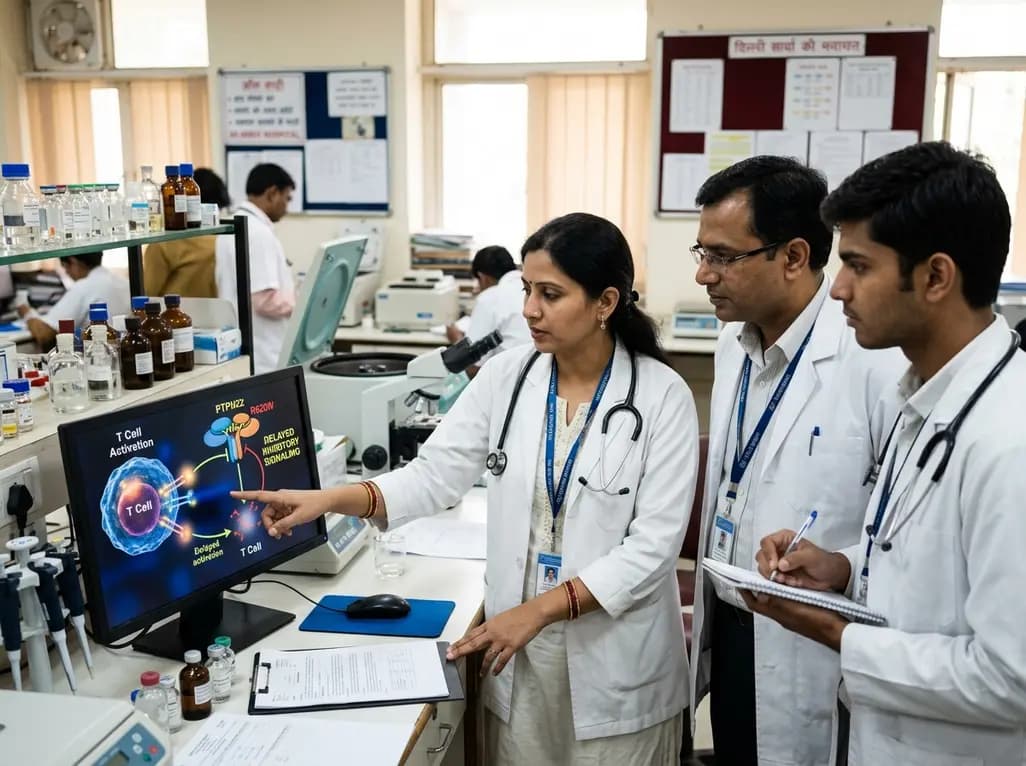
New immunological research reveals how PTPN22 forms a delayed inhibitory signaling complex to restrain T cell activation, explaining how the autoimmune-linked R620W variant disrupts feedback control and promotes persistent inflammation in conditions like rheumatoid arthritis and type 1 diabetes.
Today
