.webp&w=384&q=75)

Loading, please wait...
Loading, please wait...

Cardiac surgery with cardiopulmonary bypass saves lives, yet postoperative infections remain a formidable challenge for cardiothoracic teams. During extracorporeal circulation, patient blood interacts with synthetic circuit surfaces, triggering an intense systemic inflammatory response. Consequently, acute physiological shifts closely mimic microbial sepsis, complicating clinical surveillance in the critical care unit. Therefore, clinicians must distinguish sterile inflammation from true infection to preserve antimicrobial efficacy and improve patient survival.
Recent clinical investigations reveal that postoperative infections occur frequently among patients undergoing major cardiac interventions. In a landmark cohort evaluating 1,222 patients on cardiopulmonary bypass, researchers recorded an overall infection incidence of 17.3 percent. These infectious complications impose severe prognostic consequences on surgical recovery. Specifically, patients who developed infections experienced significantly higher ninety-day all-cause mortality, reaching 3.8 percent compared to 1.5 percent in uninfected peers. Furthermore, this survival disadvantage persisted across extended observation, yielding a one-year mortality rate of 5.7 percent versus 2.7 percent. In addition, severe infectious episodes prolong critical care admissions, elevate ventilatory requirements, and trigger secondary end-organ dysfunction. Hospital systems also encounter dramatic escalations in inpatient resource utilization and healthcare expenses. Therefore, early identification of vulnerable individuals represents an essential clinical priority. Surgical teams must recognize these substantial risks to design targeted prophylactic pathways and reduce avoidable operative mortality. Moreover, timely identification prevents catastrophic progressions toward septic shock and multi-organ failure. Consequently, systematic vigilance must begin immediately upon patient transfer to the intensive care unit.
Cardiopulmonary bypass reliably precipitates a profound systemic inflammatory response syndrome that complicates bedside evaluation. When patient blood circulates through non-endothelial tubing, mechanical shear stress and contact activation ignite cellular cascades. In particular, complement cascades and massive cytokine releases stimulate broad endothelial permeability and microvascular alterations. Moreover, surgical ischemia-reperfusion injury and transient gut barrier translocation amplify this sterile systemic response. Consequently, nearly all patients develop classic systemic manifestations during the immediate post-perfusion period. Bedside teams frequently observe rapid heart rates, tachypnea, peripheral vasodilation, and fluctuating arterial pressures. In addition, acute elevations in core body temperature regularly occur, mimicking the cardinal signs of severe bacterial sepsis. Thus, intensivists face an intricate diagnostic paradox during the initial forty-eight postoperative hours. Because extracorporeal circuits reproduce septic physiology so closely, clinicians often struggle to confirm genuine bacterial invasion. Therefore, indiscriminate antibiotic escalation remains common, driving avoidable antimicrobial resistance in cardiothoracic intensive care units. Conversely, underestimating these signals can delay life-saving antimicrobials in truly septic patients. Hence, teams require a nuanced understanding of post-bypass inflammatory kinetics to balance diagnostic caution with therapeutic urgency.
Clinicians routinely depend on traditional inflammatory laboratory parameters, yet standard tests demonstrate poor diagnostic accuracy following cardiac surgery. Receiver operating characteristic analyses reveal that serum C-reactive protein, total leukocyte counts, and body temperature provide inadequate discriminatory performance. Because extracorporeal perfusion triggers intense hepatic acute-phase protein synthesis, C-reactive protein rises dramatically in almost every patient. Similarly, surgical trauma and bone marrow demargination cause marked leukocytosis, regardless of microbiological infection status. Nevertheless, certain peak values correlate with infectious complications in multivariable logistic regression models. For instance, peak C-reactive protein levels and peak postoperative temperature independently associate with infection hazards. However, their isolated diagnostic sensitivity and specificity remain insufficient to guide definitive clinical choices. Furthermore, static single-point measurements frequently generate deceptive clinical impressions during early convalescence. Hence, critical care specialists must avoid relying strictly on isolated threshold values. Instead, practitioners should integrate laboratory parameters with physical findings to prevent costly diagnostic oversights. Additionally, serial assessments provide far greater clinical utility than solitary snapshot values. Therefore, interpreting laboratory markers within their evolving temporal context prevents both overtreatment and delayed intervention.
To prevent postoperative infectious complications, medical teams must evaluate patient-specific vulnerabilities alongside procedural complexity. Multivariable analyses indicate that patients developing infections carry substantially greater baseline comorbidity burdens. Specifically, advanced chronological age, long-standing diabetes mellitus, chronic kidney disease, and peripheral vascular disease significantly heighten infectious vulnerability. Moreover, operative complexity strongly influences subsequent infection risk profiles. Extended durations of cardiopulmonary bypass, prolonged aortic cross-clamp times, and emergent surgical re-explorations amplify physiological strain. In addition, combined procedures, such as concurrent coronary bypass and multi-valve replacements, correlate with elevated infection rates. Invasive therapeutic devices, including prolonged endotracheal intubation, central venous lines, and urinary catheters, further present opportunistic microbiological portals. Consequently, proactive preoperative risk assessment helps clinicians identify susceptible patients before severe complications emerge. Structured preventative bundles, strict perioperative glycemic control, and meticulous aseptic technique represent fundamental countermeasures. Therefore, addressing modifiable risk factors preoperatively shields vulnerable surgical candidates from life-threatening infections. Furthermore, optimizing preoperative nutritional status supports immune resilience throughout the surgical journey. Thus, multidisciplinary coordination between surgeons, intensivists, and endocrinologists ensures comprehensive patient protection.
Because traditional diagnostic markers show clear limitations, intensive care teams must employ structured multimodal diagnostic strategies. Rather than depending on solitary laboratory values, clinicians should track longitudinal biomarker kinetics across sequential postoperative days. For example, serial procalcitonin measurements provide helpful discriminatory value when levels fail to decline forty-eight hours after surgery. Furthermore, bedside teams must integrate clinical evaluations, dynamic hemodynamics, and targeted microbiological diagnostics into daily practice. Rapid molecular diagnostics and automated blood culture systems expedite pathogen identification before severe shock manifests. Meanwhile, targeted cross-sectional imaging and bedside point-of-care ultrasound assist in locating occult fluid collections, sternal wound breakdown, or pneumonia. In addition, structured antimicrobial stewardship programs protect patients from excessive broad-spectrum drug exposures while ensuring appropriate therapy. Ultimately, combining clinical acumen, dynamic biomarker monitoring, and comprehensive diagnostic imaging establishes the most reliable management framework. This integrated approach ensures prompt intervention while safeguarding long-term surgical outcomes. Moreover, multidisciplinary rounds involving infectious disease specialists refine therapeutic regimens for challenging pathogens. Consequently, patients receive timely, targeted treatments that substantially reduce both morbidity and hospital length of stay.
Cardiopulmonary bypass triggers profound sterile systemic inflammation through blood contact with artificial surfaces and surgical trauma. Consequently, C-reactive protein, white blood cell count, and core temperature rise sharply in uninfected patients. Because these routine inflammatory parameters become universally elevated across the entire postoperative cohort, their diagnostic specificity plummets. Thus, isolated values cannot reliably distinguish benign, bypass-induced systemic inflammation from genuine bacterial infection during the initial recovery window.
Patients facing post-cardiotomy infections typically exhibit distinct baseline and procedural risk factors. Preoperative comorbidities, including chronic kidney disease, uncontrolled diabetes, advanced age, and poor nutritional status, weaken physiological defenses. Furthermore, complex surgical interventions requiring extended cardiopulmonary bypass duration, prolonged aortic cross-clamping, and urgent surgical re-explorations multiply biological vulnerability. In addition, extended mechanical ventilation and indwelling vascular devices create critical access routes for opportunistic pathogens during intensive care hospitalization.
Intensivists must move beyond static thresholds and evaluate dynamic biomarker trajectories alongside comprehensive bedside exams. Tracking serial procalcitonin levels provides vital discriminatory power because values usually drop within forty-eight hours unless genuine bacterial infection occurs. Moreover, clinicians should monitor organ dysfunction markers, unexplained vasopressor escalation, dynamic fever patterns, and serial lactate levels. Combining rapid microbiological assays with targeted ultrasonography ensures timely infection confirmation without relying on flawed individual laboratory markers.
Disclaimer: This content is for informational and educational purposes only... Refer to the latest local and national guidelines for clinical practice.
References

Read summarized clinical updates, watch expert medical content, and earn CME certifications right from your smartphone.
Open your smartphone camera to scan and install.





A recent cohort study reveals that postoperative infections occur in 17.3% of cardiac surgery patients using cardiopulmonary bypass. Routine inflammatory biomarkers like CRP and WBC show poor diagnostic accuracy due to bypass-induced systemic inflammation, demanding multi-parameter clinical vigilance.
Today
Left atrial stiffening generates prominent V waves that pressurize the pulmonary circulation and augment right ventricular afterload independently of intrinsic pulmonary vascular disease in patients with heart failure with preserved ejection fraction.
Today
A meta-analysis demonstrates that secondhand smoke exposure significantly elevates fetal loss risk by 21% among nonsmoking pregnant women. Clinicians must implement household screening and family-centered cessation interventions to prevent avoidable miscarriages and stillbirths.
Today

Explore the emerging role of glucose metabolic reprogramming in exercise-attenuated osteoporosis, examining how physical activity influences osteoblast glycolysis, osteoclast bioenergetics, and skeletal remodeling pathways to improve bone mineral density.
Today
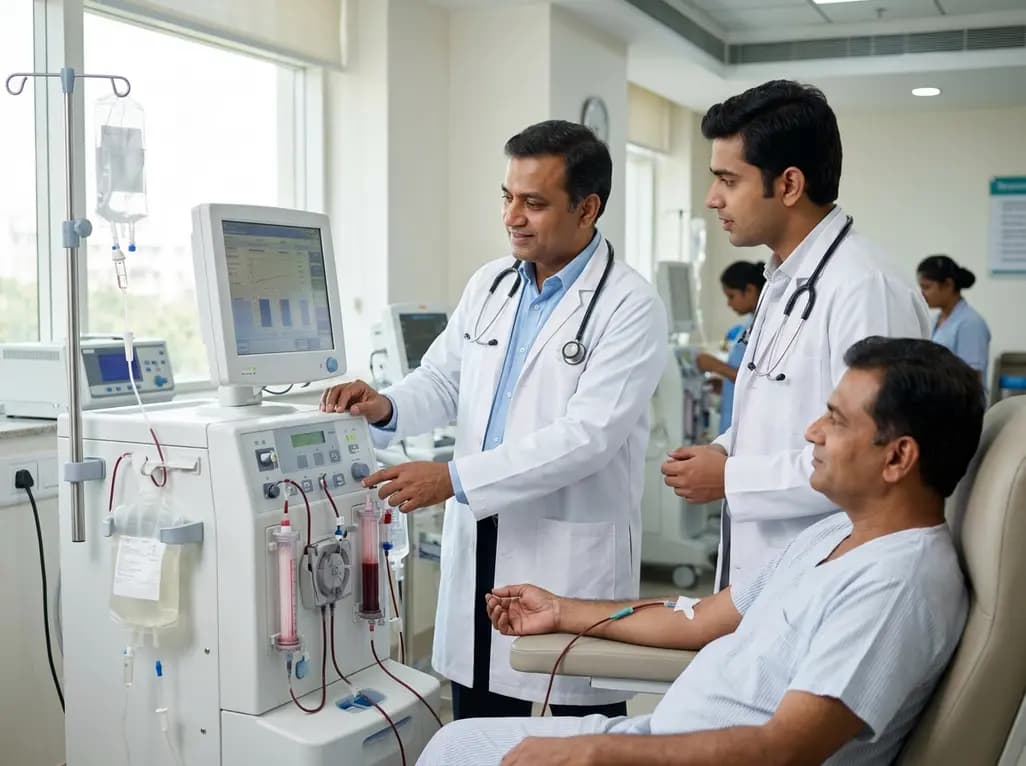
A systematic review and meta-analysis of 33 studies evaluates the effectiveness of LDL apheresis techniques in familial hypercholesterolemia. Double-filtration plasmapheresis demonstrated the greatest reductions in total cholesterol and LDL-C, while safety and clinical feasibility guide individual therapy.
Today
