.webp&w=384&q=75)

Loading, please wait...
Loading, please wait...

Prehospital healthcare professionals frequently confront acute emergencies that leave lasting psychological scars. Recent evidence highlights that second victim experiences represent a widespread challenge among emergency medical technicians and paramedics. In a comprehensive nationwide survey of Austrian emergency medical services personnel, 60.1% of respondents identified as second victims following distressing field incidents. This substantial proportion demonstrates that emotional trauma affects more than half of active prehospital providers. Furthermore, acute critical events in emergency care expose responders to severe emotional distress, ethical dilemmas, and self-doubt. While historical research prioritized hospital physicians, emergency medical technicians operate in uncontrolled environments with minimal psychological shielding. Consequently, these frontline clinicians absorb intense traumatic exposure during critical resuscitations and catastrophic calls. In addition, persistent clinical stressors compound these acute events over time. Many responders continue working subsequent shifts without adequate time for emotional processing. Therefore, acknowledging the extensive prevalence of second victim trauma establishes an essential first step toward safeguarding workforce sustainability and clinician well-being.
Specific catastrophic incidents serve as prominent catalysts for severe psychological reactions among field providers. Notably, data demonstrate that unexpected patient demise and completed patient suicide account for 41.8% of primary index events. When resuscitation efforts unexpectedly fail, clinicians often experience overwhelming grief and self-reproach. Similarly, encountering completed suicides leaves lasting moral distress and cognitive rumination among attending crews. Moreover, interpersonal aggression from patients or agitated relatives represents another major trigger, comprising 18.8% of reported key events. Paramedics must provide rapid life support while simultaneously securing physical safety against hostile bystanders or erratic family members. Consequently, these violent confrontations induce acute hyperarousal, feelings of vulnerability, and severe anxiety. In contrast to hospital staff who access on-site security, field clinicians manage unpredictable aggression in isolated domestic settings. Furthermore, cumulative exposure to hostile encounters erodes professional confidence and accelerates emotional exhaustion. As a result, sudden death combined with workplace violence creates an exceptionally toxic combination for frontline teams.
Individual psychological characteristics play a profound role in shaping post-incident symptom severity. Specifically, multivariable logistic regression reveals that elevated neuroticism significantly increases the odds of experiencing high symptom burden (odds ratio 1.44). Responders exhibiting higher neuroticism typically experience greater emotional reactivity, catastrophic thinking, and persistent negative affect following traumatic clinical encounters. In addition, personality openness correlates with higher symptom burden (odds ratio 1.21). Clinicians with higher openness may possess greater emotional sensitivity, allowing traumatic imagery to resonate more deeply. Conversely, male responders demonstrated substantially lower odds of reporting high symptom burden compared with female counterparts (odds ratio 0.62). However, cultural norms in emergency services often encourage emotional suppression among men, potentially obscuring true psychological distress through underreporting. Furthermore, personality constructs do not indicate professional incompetence or personal weakness. Instead, these psychological profiles identify clinicians who require tailored post-incident debriefing. Organizational leaders can utilize these personality insights to structure supportive wellness initiatives rather than penalizing individuals who process traumatic stress differently.
System-level operational variables exert a substantial influence on the mental health trajectory of prehospital clinicians. For instance, higher patient volume directly elevates psychological risk, with every 100 additional patients per quarter increasing the odds of high symptom burden by 14% (odds ratio 1.14). Continuous call volume restricts operational downtime, preventing autonomic nervous system recovery between acute resuscitations. Moreover, employment structure generates marked disparities in psychological resilience. Full-time professional personnel exhibit 52% higher odds of suffering high symptom burden compared with volunteer staff (odds ratio 1.52). Although career paramedics possess extensive clinical training, their unrelenting operational exposure amplifies cumulative trauma over decades. In contrast, volunteer personnel frequently maintain alternative primary careers, which offer cognitive detachment and diverse identity reinforcement outside emergency services. Professional clinicians also face intense career dependencies and institutional pressures that discourage vulnerability. Consequently, full-time emergency staff bear an amplified risk of chronic compassion fatigue. Therefore, ambulance service administrators must monitor call frequency, enforce mandatory rest intervals, and establish balanced shift rosters.
The availability of institutional help represents the single most decisive factor influencing clinician recovery. Strikingly, personnel who sought formal assistance but experienced an absence of support suffered an almost sixfold increase in high symptom burden (odds ratio 5.98). This alarming finding reveals that institutional abandonment inflicts secondary trauma upon already distressed clinicians. When emergency workers disclose psychological vulnerability, encountering silence, administrative indifference, or punitive blame destroys organizational trust. In contrast, timely empathetic validation helps reframe traumatic events and mitigates toxic self-blame. To resolve this critical issue, emergency medical organizations must establish low-threshold peer support programs where trained colleagues provide rapid psychological first aid. Peer responders possess deep credibility and shared operational experience, communicating without judgmental evaluation. Furthermore, structured follow-up protocols must automatically trigger after critical index events, including unexpected deaths, provider assaults, or completed suicides. Automated outreach removes the emotional burden of requesting assistance from traumatized workers. Implementing these low-threshold peer networks and structured follow-up systems actively protects workforce retention and clinician well-being.
The second victim phenomenon occurs when emergency healthcare personnel experience acute emotional trauma, psychological distress, or moral injury following unanticipated adverse patient outcomes, fatal resuscitations, or workplace violence. These affected providers frequently endure intense guilt, intrusive thoughts, severe anxiety, and functional impairment. Recognizing this occupational condition helps organizations shift away from individual blame, thereby enabling early psychological first aid, professional counseling, and structured peer interventions that preserve clinician well-being and safeguard long-term workforce retention.
Professional emergency medical technicians face significantly higher psychological symptom burdens due to continuous clinical exposure and unremitting call volumes without sufficient decompression time. Furthermore, career responders experience greater institutional scrutiny and carry their occupational identity as their primary livelihood, which amplifies fear of career compromise. Conversely, volunteer workers often engage in diverse outside careers that provide emotional detachment and alternative support networks, helping them buffer the psychological shock of distressing field resuscitations and traumatic critical encounters.
Emergency service administrators should establish structured peer support networks by training experienced frontline personnel in psychological first aid and nonjudgmental active listening. Additionally, organizations must implement automated follow-up protocols after critical sentinel incidents, including unexpected deaths and violent assaults, ensuring immediate outreach. Leaders must also maintain strict confidentiality, establish clear escalation pathways to licensed mental health specialists, and actively cultivate an institutional culture that normalizes help-seeking behavior without punitive professional repercussions.
Disclaimer: This content is for informational and educational purposes only... Refer to the latest local and national guidelines for clinical practice.
References

Read summarized clinical updates, watch expert medical content, and earn CME certifications right from your smartphone.
Open your smartphone camera to scan and install.





A nationwide Austrian study reveals that over 60% of nonphysician emergency medical services personnel experience second victim trauma. High symptom burden correlates with unexpected patient deaths, high workload, personality traits, and absent organizational support, highlighting an urgent need for peer interventions.
Today
New single-nucleus transcriptomic research reveals how microglial communication remodeling and CADM1 upregulation drive neuroinflammation in vascular dementia, highlighting novel therapeutic targets.
Today
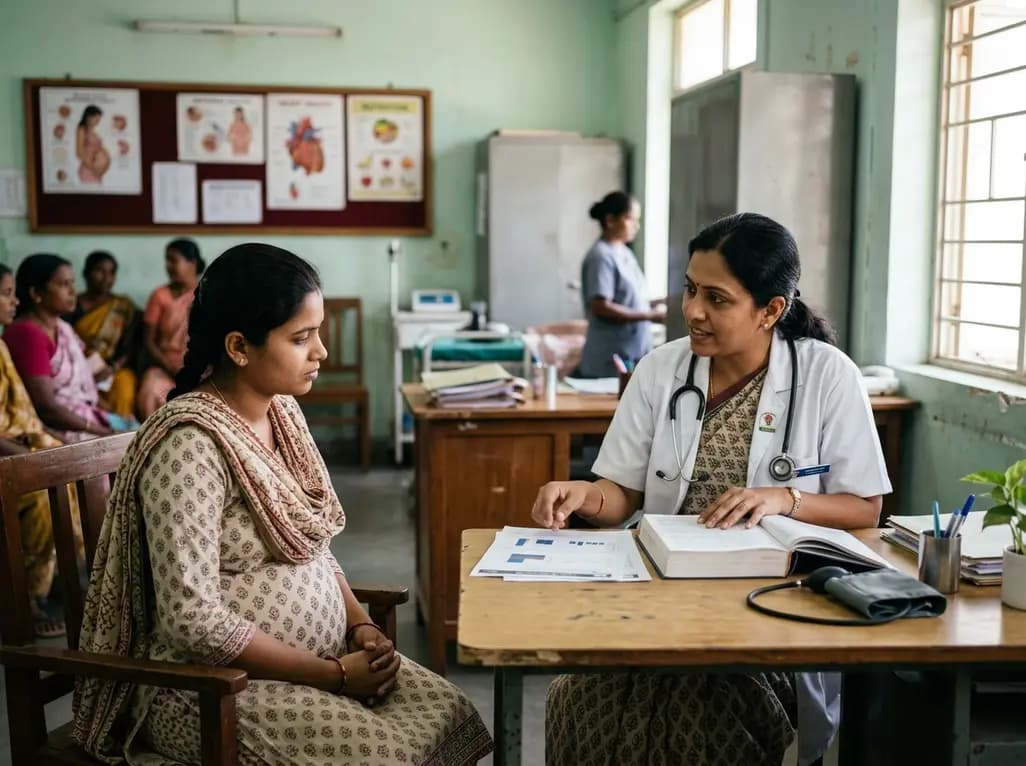
A recent longitudinal study evaluated the link between prenatal loss of control eating and cardiovascular health using Life's Essential 8 frameworks. While direct associations across pregnancy were non-significant, the high prevalence of dysregulated eating highlights critical implications for obstetric practice.
Today
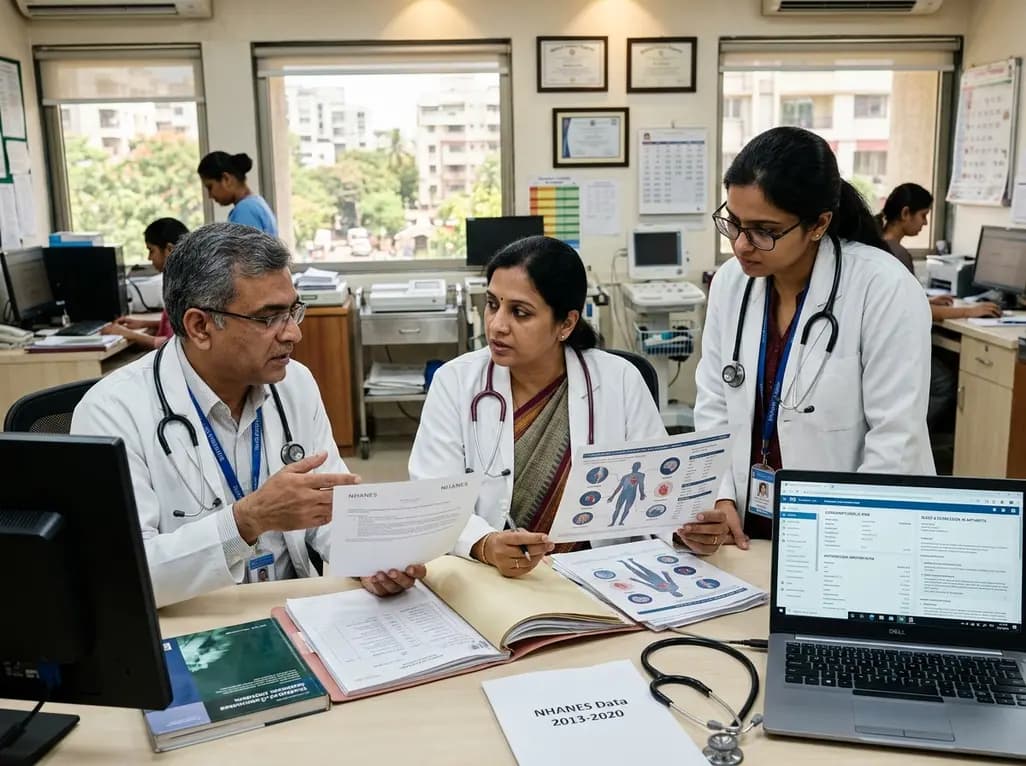
A cross-sectional analysis of NHANES 2013-2020 reveals that depressive symptoms and sleep disturbance significantly elevate the odds of cardiometabolic multimorbidity in adults with arthritis. Comprehensive clinical screening and integrated multi-organ interventions are vital to reduce overall cardiovascular burden.
Today
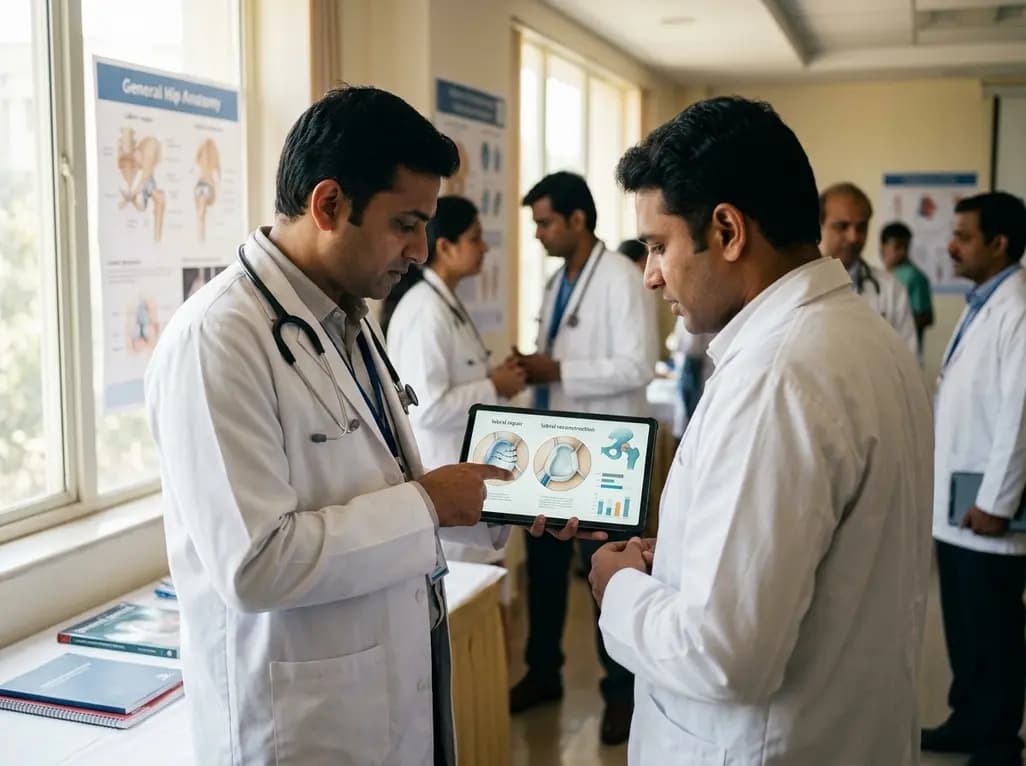
Systematic review comparing labral repair and reconstruction in primary hip arthroscopy shows comparable short- to mid-term patient-reported outcomes, with lower THA conversion after repair but superior outcomes for reconstruction in patients aged 40 and older.
Yesterday
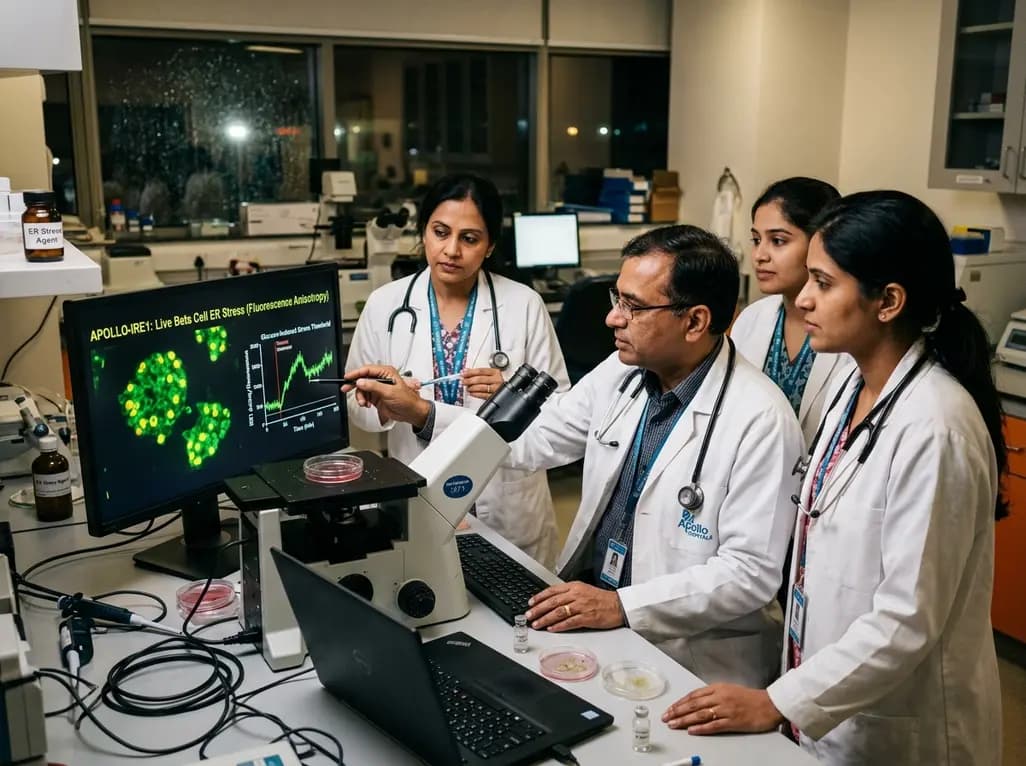
Apollo-IRE1 is a genetically encoded biosensor that monitors real-time endoplasmic reticulum stress dynamics in living pancreatic beta cells. By measuring IRE1 oligomerization through fluorescence anisotropy, it illuminates stress thresholds critical for understanding and treating diabetes.
Today
