.webp&w=384&q=75)

Loading, please wait...
Loading, please wait...
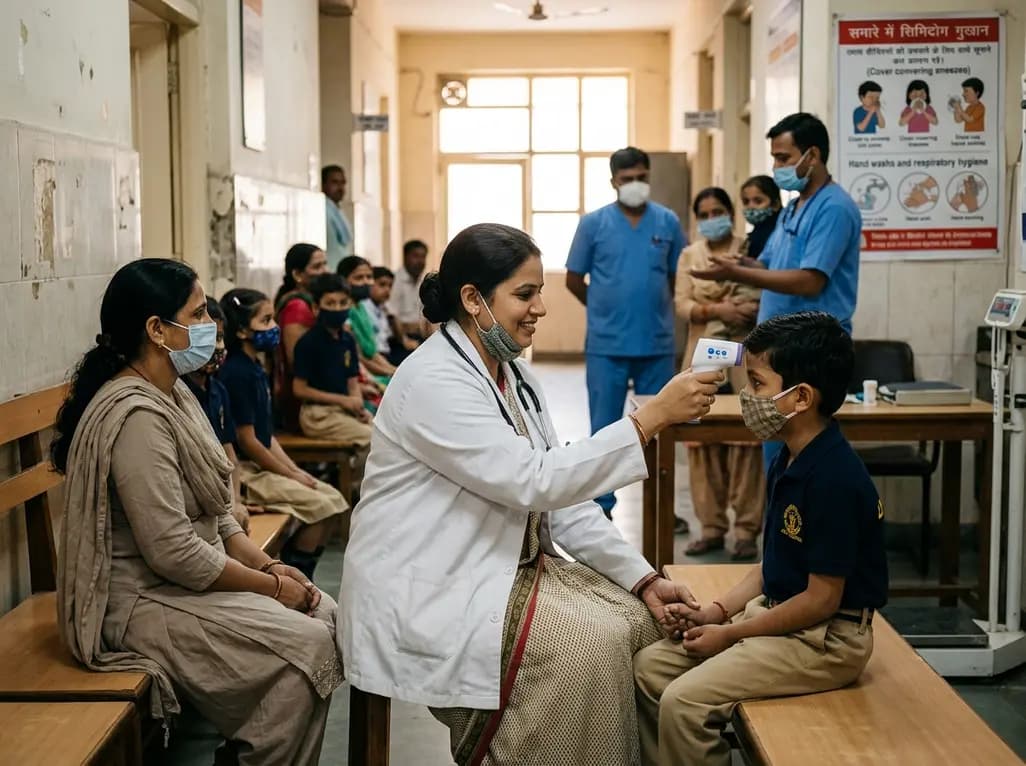
The Delhi Directorate of Education has directed all government and private schools across the capital to reinforce preventive safeguards against Seasonal Influenza and H1N1. State health authorities have emphasized that the circulating viral infections follow standard seasonal epidemiological trends. Therefore, the advisory prioritizes institutional readiness, surveillance, and basic hygiene over unnecessary public alarm.
Health authorities in the National Capital Territory recently released a comprehensive directive designed to interrupt respiratory transmission chains in educational institutions. Specifically, the Directorate of Education instructed institutional heads to adopt a robust "Healthy School-Healthy Community" operational framework. Officials have reassured the public that current viral activity reflects expected post-monsoon peaks rather than an anomalous emergency. Consequently, the public health response centers on proactive hygiene education, daily health tracking, and the prompt mitigation of symptomatic clusters.
Furthermore, district and zonal deputy directors of education have been assigned to supervise institutional compliance across all educational jurisdictions. School administrators must compile and submit detailed compliance reports to the Directorate by August 31. Therefore, educational establishments are actively mobilizing student assemblies, interactive classroom sessions, digital messaging portals, and parent communication channels to disseminate standard health advisories. By establishing structured communication lines, health authorities aim to curb community transmission while avoiding unnecessary panic among families.
Primary care physicians, pediatricians, and school medical officers must recognize early presentations of influenza-like illness among children. Patients infected with circulating influenza strains typically present with abrupt high-grade fever, non-productive cough, sore throat, severe malaise, and headache. In addition, pediatric cohorts frequently experience prominent gastrointestinal manifestations, including nausea, vomiting, loose stools, and abdominal discomfort. Clinicians must maintain high vigilance because early viral symptoms often mirror various benign childhood viral illnesses.
Consequently, structured clinical triage remains essential to differentiate uncomplicated upper respiratory viral illness from progressive lower respiratory tract infections. Healthcare providers must evaluate students presenting with persistent chills, tachypnea, chest retractions, or pronounced fatigue. Prompt identification of high-risk children allows clinicians to intervene before respiratory compromise develops. Therefore, school infirmaries should implement standard screening forms to record symptom onset, baseline oxygen saturation levels, and underlying comorbidities before referring affected students for outpatient clinical evaluations.
Educational institutions serve as prime amplification hubs for viral respiratory pathogens due to high occupant density and prolonged indoor contact. To counteract transmission, the state advisory mandates strict hand hygiene protocols across all school premises. Students and faculty members must practice thorough handwashing with soap and running water before meals and after coughing, sneezing, or using sanitation facilities. In addition, institutions should install alcohol-based hand rub dispensers near high-traffic corridors and classroom entrances.
Moreover, the advisory highlights the necessity of thorough respiratory etiquette and environmental decontamination. Students and staff must cover their nose and mouth with disposable tissues or their inner elbow whenever coughing or sneezing. Furthermore, housekeeping personnel must routinely disinfect high-touch surfaces, including desks, doorknobs, handrails, computer keyboards, and water taps, using standard hypochlorite or alcohol solutions. Schools must also maximize natural airflow across classrooms and common halls, as adequate indoor ventilation significantly reduces ambient viral droplet concentrations.
A central pillar of the Delhi health advisory focuses on discouraging inappropriate self-medication, particularly the unguided administration of antibiotics and over-the-counter antipyretics. Because influenza viruses cause these seasonal infections, empirical antibacterial treatments provide zero antiviral therapeutic benefit. In fact, unwarranted antibiotic exposure drives community antimicrobial resistance and exposes young children to preventable adverse drug reactions. Therefore, school authorities have instructed parents to seek registered medical consultation rather than procuring pharmacy medications independently.
Simultaneously, healthcare practitioners must guide parents regarding symptomatic support and evidence-based therapeutic interventions. Clinicians should emphasize oral hydration, balanced nutrition, age-appropriate antipyretic therapy with paracetamol, and adequate physical rest. For patients classified with moderate to severe disease or individuals with underlying respiratory vulnerabilities, physicians should initiate neuraminidase inhibitor therapy, such as oseltamivir, within 48 hours of symptom onset. Rational pharmacotherapy minimizes disease burden while safeguarding community antibiotic stewardship.
While the vast majority of pediatric influenza cases follow a self-limiting clinical course, specific vulnerable groups remain prone to secondary complications. Children under five years of age, particularly infants and toddlers, carry a heightened baseline vulnerability to severe viral lower respiratory tract infections. Furthermore, pediatric patients diagnosed with chronic asthma, congenital heart diseases, type 1 diabetes mellitus, neurodevelopmental delays, or primary immunodeficiencies face significant risks of rapid clinical deterioration.
Accordingly, clinicians and school staff must collaborate to maintain updated health registries of students with known chronic illnesses. Parents of vulnerable children must receive clear counseling on red-flag symptoms, such as severe respiratory distress, cyanosis, altered sensorium, poor oral intake, and oliguria. If seasonal influenza spreads within a classroom, high-risk students require close surveillance and immediate outpatient medical appraisal. Timely specialist referral prevents fatal complications, including secondary bacterial pneumonia, acute respiratory distress syndrome, and severe asthma exacerbations.
Immunization remains the most dependable preventive shield against seasonal influenza complications, hospitalizations, and intensive care admissions. National and international pediatric guidelines recommend annual seasonal influenza vaccination for all children aged six months and older, especially before seasonal surges begin. Because circulating influenza strains undergo minor antigenic drift annually, current quadrivalent and trivalent formulations contain updated antigens matching circulating A(H1N1), A(H3N2), and B lineages.
Consequently, primary care clinicians should actively recommend seasonal influenza vaccines during routine pediatric wellness visits and outpatient consultations. Vaccinating healthy school-aged children creates robust indirect community immunity, shielding fragile infants, elderly grandparents, and immunosuppressed household members. In conjunction with environmental sanitization and respiratory etiquette, universal seasonal vaccination provides long-term protection, sustaining a resilient and healthy school ecosystem throughout the academic year.
Q1: What are the primary warning signs that indicate a child needs immediate medical attention for H1N1 flu?
Parents and educators must seek immediate emergency medical care if a child develops persistent high fever, rapid breathing, chest retractions, or bluish discoloration of the lips. In addition, severe lethargy, inability to drink fluids, continuous vomiting, or sudden behavioral confusion signify severe respiratory or systemic compromise, necessitating urgent pediatric hospitalization and clinical assessment.
Q2: How does seasonal influenza differ from a routine common cold in school children?
Seasonal influenza typically presents with sudden, intense systemic symptoms, including high-grade fever, severe muscle aches, exhausting fatigue, and a dry cough. In contrast, common cold infections develop gradually with mild fever, prominent nasal congestion, sneezing, and minimal systemic toxicity, allowing most children to recover without specific pharmacological intervention or significant systemic morbidity.
Q3: Why must clinicians and educators strictly discourage self-medication during seasonal flu surges?
Influenza is a viral infection that does not respond to antibiotic therapy. Indiscriminate over-the-counter antibiotic use accelerates antimicrobial resistance and causes gastrointestinal complications. Furthermore, improper use of nonsteroidal anti-inflammatory drugs like aspirin in children with viral infections carries severe risks, including Reye syndrome, making professional clinical evaluation essential for safe therapeutic management.
Disclaimer: This content is for informational and educational purposes only. It does not constitute medical advice or replace professional judgment. Refer to the latest local and national guidelines for clinical practice.
References

Read summarized clinical updates, watch expert medical content, and earn CME certifications right from your smartphone.
Open your smartphone camera to scan and install.





The Delhi Directorate of Education has issued comprehensive health advisories to all schools across the capital to combat seasonal influenza and H1N1. Emphasizing respiratory hygiene, symptom monitoring, and no self-medication, health officials aim to curb pediatric transmission without causing public panic.
last month

Red blood cell transfusion is critical in sickle cell disease management but brings significant immunological complexity, including alloimmunisation and iron overload. Extended RBC phenotyping and tailored protocols optimize clinical safety.
Today
Discover the crucial distinctions between mesonephric and mesonephric-like proliferations of the female genital tract. Learn the key histomorphologic, immunohistochemical, and molecular differences essential for accurate diagnosis and clinical management.
Today
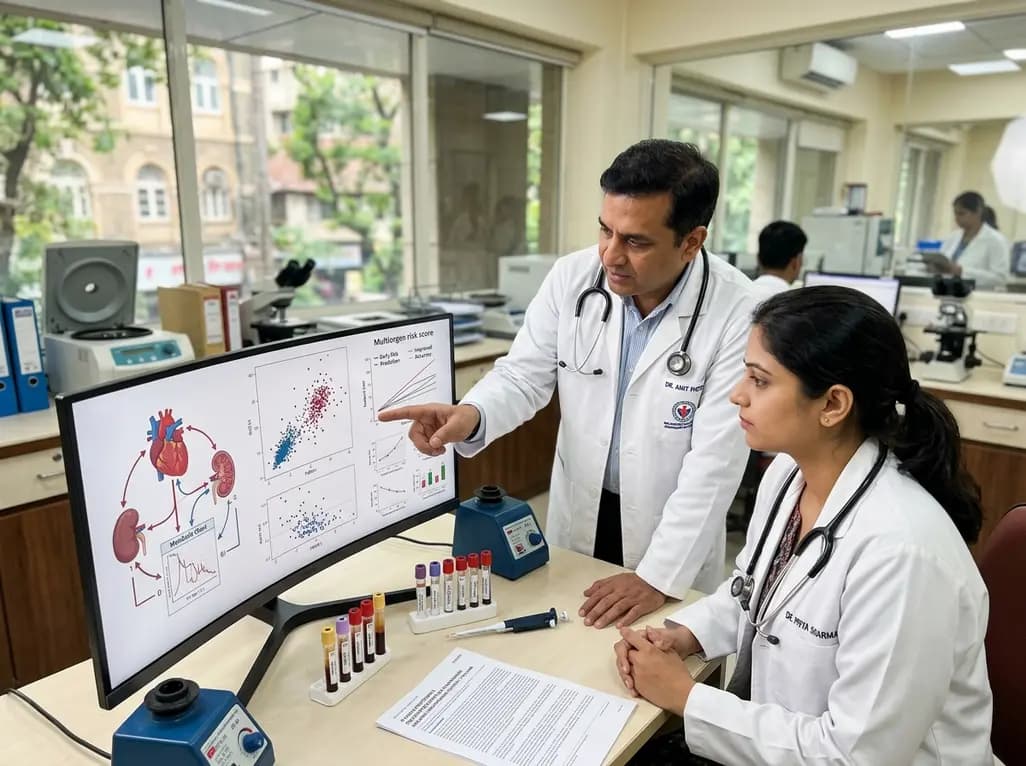
A large UK Biobank study reveals that plasma proteomic signatures capture preclinical organ damage and improve multiorgan risk prediction across early CKM syndrome stages 0 to 2 beyond traditional PREVENT clinical models.
Today

A retrospective CBCT study reveals that superior TMJ space asymmetry correlates moderately with occipital condyle-atlas-axis asymmetry in unilateral TMJ osteoarthritis, highlighting an imaging correlate between jaw biomechanics and upper cervical alignment rather than a standalone diagnostic marker.
Today

A Bayesian multilevel meta-analysis reveals that aerobic training combined with moderate carbohydrate restriction modestly lowers HbA1c in type 2 diabetes. However, sparse data and very low certainty leave incremental benefits over exercise or diet alone unproven, highlighting the need for individualized care.
Today
