.webp&w=384&q=75)

Loading, please wait...
Loading, please wait...

The management of severe hemorrhagic shock requires rapid resuscitation to restore organ perfusion. Hemoglobin-based oxygen carriers (HBOCs) like HBOC-CHP01 provide an essential alternative to blood. Unfortunately, these carriers often cause acute heart damage during the recovery phase. A new study investigates the protective effect of Salvia Miltiorrhiza myocardial injury prevention strategies using SMI. Overall, this research highlights SMI's potential as a safe adjunctive therapy during critical care.
Network pharmacology initially predicted the complex mechanisms of Salvia Miltiorrhiza Injection (SMI). Researchers identified 189 potential targets within the heart tissue. Core candidates included AKT1, CASP3, and HIF-1α. These molecules play vital roles in cellular stress and survival. Specifically, SMI appears to target pathways that regulate oxidative stress and programmed cell death.
In rat models, SMI showed remarkable results during shock resuscitation. Researchers treated rats with HBOC-CHP01 alone or combined with SMI. While survival rates remained similar over 72 hours, the physiological benefits were clear. SMI significantly reduced plasma markers of heart damage, including AST, LDH, and cardiac Troponin I. Furthermore, histological analysis confirmed reduced inflammation and apoptosis in myocardial tissues.
The primary mechanism involves the Nrf2/HO-1 antioxidant pathway. SMI treatment notably upregulated myocardial Nrf2 and HO-1 expression. Consequently, this activation lowered reactive oxygen species and myeloperoxidase levels. By strengthening the heart's internal defense, SMI mitigates the oxidative stress typically caused by oxygen carriers. Primarily, this suggests SMI could improve the clinical safety of HBOCs in emergency medicine.
SMI activates the Nrf2/HO-1 antioxidant pathway. This process reduces reactive oxygen species and inflammation, which protects cardiomyocytes from the stress of resuscitation.
Studies show SMI significantly decreases plasma markers such as AST, LDH, Creatine Kinase (CK), and cardiac Troponin I (cTnI) after resuscitation from shock.
Disclaimer: This content is for informational and educational purposes only. It does not constitute professional medical advice, diagnosis, or treatment. Always seek the advice of your physician or other qualified healthcare provider with any questions you may have regarding a medical condition. Refer to the latest local and national guidelines for clinical practice.
References
Hao S et al. Protective effect of Salvia Miltiorrhiza Injection on myocardial injury in rats with haemorrhagic shock resuscitated by HBOC-CHP01. Artif Cells Nanomed Biotechnol. 2026 Dec undefined. doi: 10.1080/21691401.2026.2632551. PMID: 41758521.
Huang J, Liu C. Protective mechanisms of Salvia miltiorrhiza extracts in ischemic heart disease models. Med Plant Res. 2025;15(5):233-243. doi:10.5376/mpr.2025.15.0025.
Li Q et al. Salvia miltiorrhiza Bunge root in the treatment of myocardial fibrosis: research progress and challenges. Front Pharmacol. 2025 Mar;16. doi:10.3389/fphar.2025.1583210.
"
Read summarized clinical updates, watch expert medical content, and earn CME certifications right from your smartphone.
Open your smartphone camera to scan and install.





SMI mitigates myocardial injury after shock resuscitation by activating the Nrf2/HO-1 pathway, offering a potential adjunct for oxygen carrier safety....
7 months ago

Failing to account for competing events like mortality in longitudinal geriatric studies produces biased risk estimates and misleading inferences. This review highlights key methodological principles, insights from the Precipitating Events Project, and practical approaches for clinical research appraisal.
Today
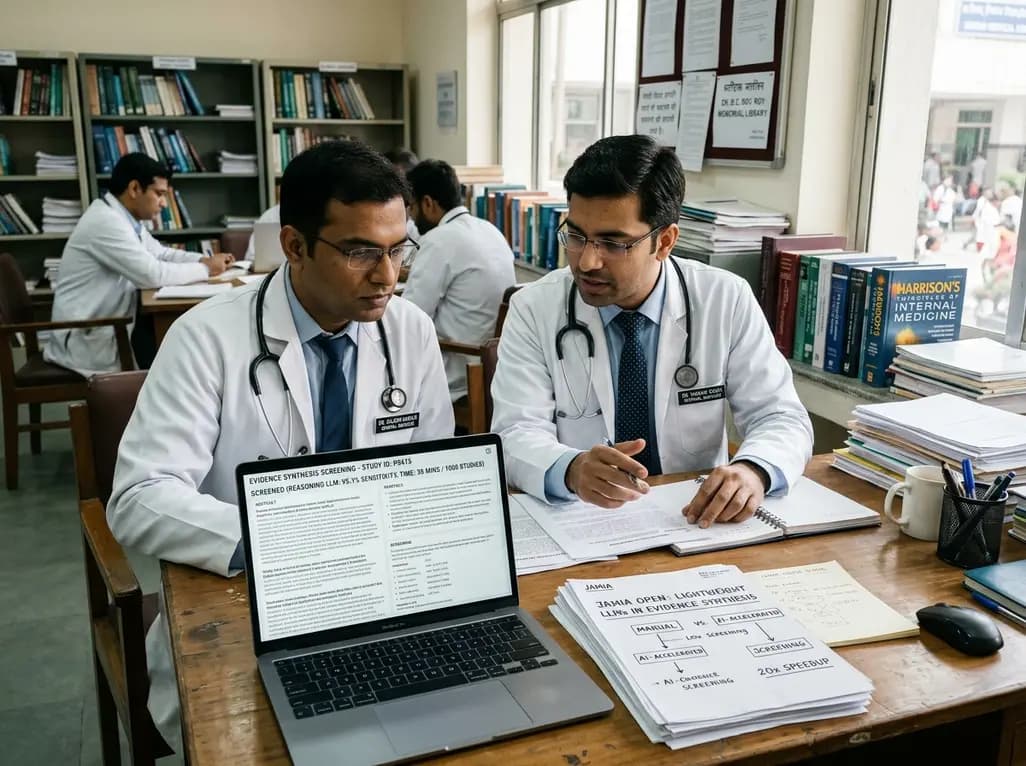
A study in JAMIA Open shows lightweight open-source reasoning LLMs achieve up to 95% sensitivity and accelerate evidence synthesis screening by nearly twentyfold, presenting a cost-effective, scalable AI solution for biomedical research and systematic reviews.
Today
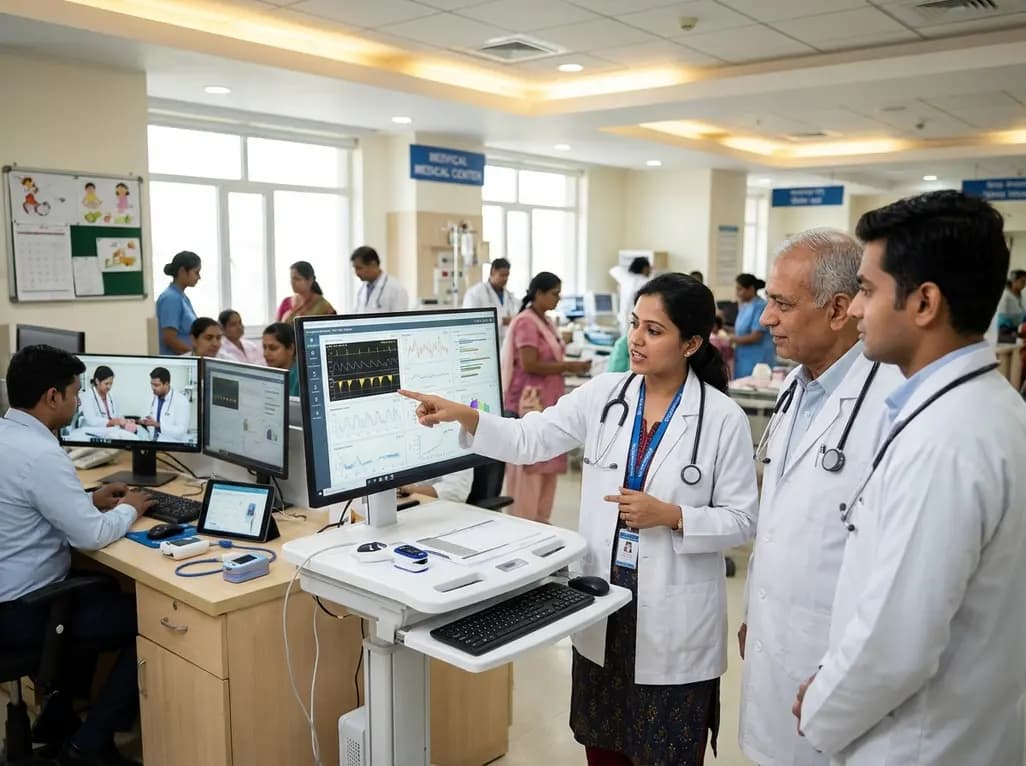
A landmark study details how an enterprise pediatric remote patient management model expanded from a single cardiology pilot to 16 diverse specialty programs by combining centralized digital operations with specialty clinical leadership.
Today
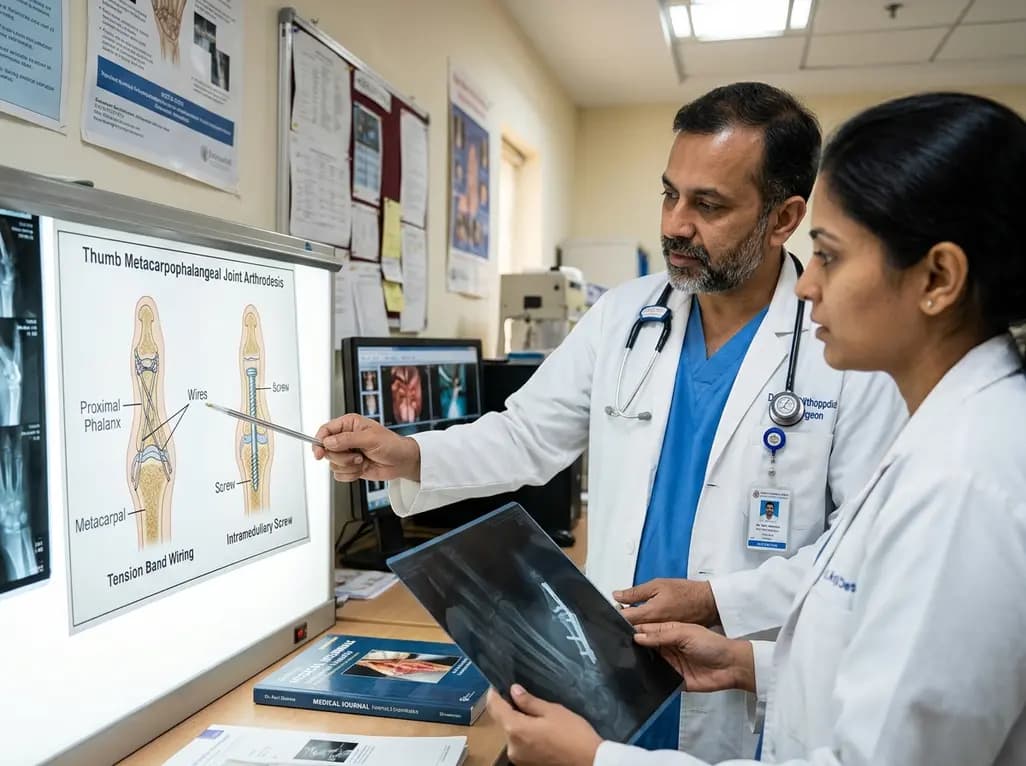
A comparative review of tension band wiring and intramedullary screw fixation in thumb metacarpophalangeal arthrodesis, evaluating union rates, hardware complications, and clinical outcomes.
Yesterday
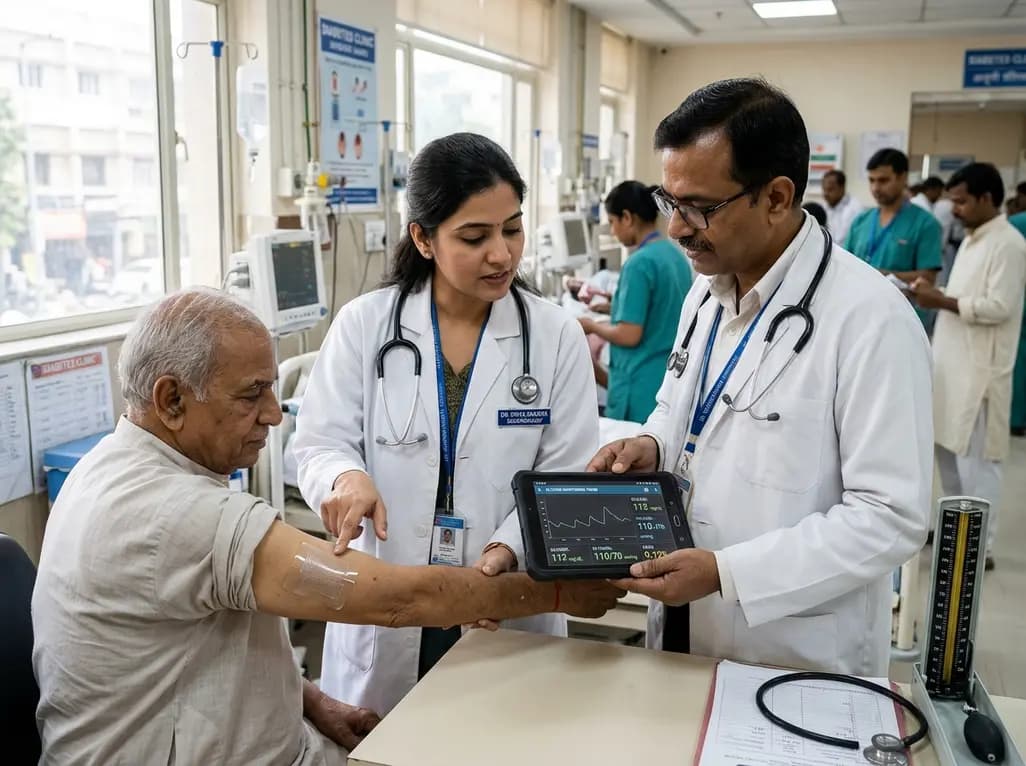
A breakthrough ultrathin multimodal sensor decouples physical hemodynamic monitoring from disposable electrochemical calibration, achieving long-term wearable glucose prediction with 81.36% accuracy and a 9.12% MARD. This offers a robust, drift-free solution for outpatient metabolic surveillance.
Today
