.webp&w=384&q=75)

Loading, please wait...
Loading, please wait...

Solid organ transplantation offers a definitive cure for irreversible end-stage liver disease and acute liver failure. Recently developed interdisciplinary frameworks, such as the German S2k guidelines on liver transplantation, establish comprehensive standards for clinical practice. These updated liver transplantation guidelines synthesize evidence on candidate selection, organ allocation, perioperative management, and lifelong post-transplant care. Clinicians worldwide, including gastroenterologists and surgeons in India, can utilize these insights to standardize care and improve patient survival.
Candidate evaluation demands an exhaustive, multidisciplinary approach to identify transplant necessity and verify physiological eligibility. Clinicians must confirm the non-reversibility of liver failure, whether stemming from metabolic dysfunction-associated steatohepatitis, chronic hepatitis, or acute decompensation. Simultaneously, teams must screen thoroughly for absolute contraindications, including active extrahepatic malignancies, uncontrolled systemic sepsis, or irreversible neurological injury.
Cardiovascular evaluation represents a foundational component of pre-transplant workup because cirrhotic cardiomyopathy frequently masks underlying coronary artery disease. Consequently, protocols mandate transthoracic echocardiography, non-invasive stress imaging, and right-heart catheterization when portal hypertension causes severe portopulmonary changes. Psychosocial screening evaluates treatment adherence, social support, and substance dependence. For patients with alcohol-associated liver disease, modern guidelines advocate structured psychosocial rehabilitation rather than arbitrary abstinence durations. Furthermore, nutritional assessment identifies sarcopenia and frailty as vital modifiable predictors of post-transplant morbidity. Routine surveillance also identifies occult pulmonary hypertension early. Thus, systematic candidate assessment balances urgent survival benefits against surgical operability.
Managing the waiting list requires constant clinical vigilance to balance waitlist mortality against fair organ distribution. The Model for End-Stage Liver Disease (MELD) score provides an objective basis for deceased donor organ allocation. However, standard MELD scoring often underestimates mortality in specific clinical scenarios. Therefore, guidelines outline defined criteria for exceptional points, addressing conditions such as refractory hydrothorax, hepatopulmonary syndrome, and portopulmonary hypertension.
Similarly, patients with localized hepatocellular carcinoma receive standardized waiting list prioritization when bridging therapies maintain disease within accepted criteria. Transplant teams must systematically reassess waitlisted candidates at predefined intervals, dynamically tracking laboratory parameters and infectious risks. If sudden multiorgan failure occurs, teams must decide whether transplantation remains clinically feasible or medically futile. Moreover, active infection screening prevents inadvertent transplantation during occult bacteremia. In addition, guidelines clarify distinctions between clinical care pathways and statutory organ distribution laws. Consequently, transplant programs maintain transparency and public accountability by documenting all waitlist modifications according to strict regulatory frameworks.
Intraoperative management demands meticulous coordination between transplant surgeons, anesthesiologists, and intensive care teams. Surgical teams evaluate graft quality rigorously, particularly when utilizing extended criteria donor organs or split grafts. For example, quantifying donor steatosis, limiting cold ischemia duration, and applying dynamic machine perfusion techniques minimize ischemia-reperfusion injury and biliary complications.
During recipient hepatectomy and implantation, anesthesiologists monitor coagulation using point-of-care viscoelastic testing. This targeted method prevents indiscriminate blood transfusions, thereby avoiding volume overload and transfusion-related acute lung injury. In addition, careful hemodynamic stabilization during the anhepatic phase protects renal perfusion. Transplant teams maintain strict normothermia throughout surgery to preserve enzymatic coagulation function. Following graft revascularization, postoperative care transitions to the intensive care unit. Intensivists closely monitor hourly lactate clearance, bile output, and hemodynamic parameters. Furthermore, early Doppler ultrasonography detects vascular thrombosis or outflow obstruction within the initial postoperative hours. Proactive perioperative protocols thereby prevent early allograft failure and support rapid functional recovery.
Immunosuppressive regimens must balance the prevention of allograft rejection against drug-related toxicities. Modern protocols frequently employ antibody induction, such as basiliximab, allowing delayed initiation or lower starting doses of calcineurin inhibitors. This kidney-sparing approach protects renal function in the vulnerable early postoperative period. Maintenance therapy typically combines tacrolimus, an antimetabolite like mycophenolate mofetil, and a rapidly tapered corticosteroid regimen.
Nevertheless, chronic calcineurin inhibitor exposure promotes arterial hypertension, nephrotoxicity, and metabolic syndrome. Guidelines therefore recommend calcineurin inhibitor minimization, often introducing mammalian target of rapamycin (mTOR) inhibitors like everolimus once surgical wounds heal completely. This transition preserves renal function and provides antineoplastic benefits for recipients transplanted for hepatocellular carcinoma. Concurrently, antimicrobial prophylaxis shields patients from cytomegalovirus, Pneumocystis jirovecii, and invasive fungal infections during peak immunosuppression. Therapeutic drug monitoring minimizes rejection episodes while safeguarding long-term renal health. Clinicians must routinely monitor therapeutic drug levels to avoid rejection while preventing toxicity, ensuring durable graft survival.
Long-term post-transplant care transitions recipient management toward cardiovascular risk mitigation, renal preservation, and secondary malignancy surveillance. Metabolic syndrome affects nearly half of long-term recipients due to immunosuppressive side effects and weight gain. Accordingly, clinicians must aggressively manage blood pressure, dyslipidemia, and glycemic control through tailored medical therapy and lifestyle interventions.
Furthermore, persistent immunosuppression increases cancer risk, necessitating scheduled dermatologic, colorectal, and cervical cancer screenings. Serial biochemical testing and liver elastography help identify recurrent steatohepatitis, biliary complications, or chronic rejection. In global practice, including Indian centers where living-donor liver transplantation predominates, these guidelines provide valuable benchmarks for post-operative care. Indian physicians must especially balance immunosuppressive management with heightened vigilance for regional infections such as tuberculosis and multidrug-resistant pathogens. Regular surveillance helps clinicians distinguish graft rejection from infectious hepatitis reactivations. Close collaboration between transplant specialists and primary care physicians ensures optimal adherence and early intervention. Structured long-term monitoring successfully translates operative triumphs into lifelong wellness.
Clinicians must refer patients urgently whenever acute liver failure develops, as marked by sudden coagulopathy and encephalopathy without preexisting disease. Additionally, acute-on-chronic liver failure with progressive multiorgan dysfunction demands prompt evaluation. Timely referral allows multidisciplinary teams to stabilize hemodynamics, initiate targeted supportive therapies, and commence waiting list registration before severe septic or cerebral complications preclude operative intervention. Therefore, early contact with a specialized transplant unit remains crucial for preserving patient survival.
Modern protocols recommend tailoring immunosuppression to balance graft acceptance against adverse drug toxicity. Clinicians typically initiate calcineurin inhibitors, such as tacrolimus, combined with antimetabolites and short courses of corticosteroids. Over subsequent months, physicians systematically taper steroids and minimize calcineurin inhibitor dosages. This strategic minimization prevents calcineurin inhibitor-induced nephrotoxicity, metabolic syndrome, and systemic infections. Furthermore, clinicians can introduce mammalian target of rapamycin inhibitors when managing renal compromise or recurrent hepatocellular carcinoma risks.
Transplant centers utilize objective scoring models, primarily the Model for End-Stage Liver Disease, to allocate donor organs based on medical urgency. However, standard scores sometimes fail to reflect mortality risks in conditions like refractory ascites, hepatocellular carcinoma, or severe hepatopulmonary syndrome. Consequently, consensus frameworks incorporate standardized exceptional points to correct these disparities. Regular multidisciplinary reviews guarantee that waiting list priorities remain transparent, equitable, and aligned with dynamic clinical changes in waiting candidates.
Disclaimer: This content is for informational and educational purposes only and should not be considered medical advice. Always consult a qualified healthcare professional regarding any medical condition or before making healthcare decisions. Refer to the latest local and national guidelines for clinical practice.
References

Read summarized clinical updates, watch expert medical content, and earn CME certifications right from your smartphone.
Open your smartphone camera to scan and install.





The interdisciplinary S2k liver transplantation guidelines provide standardized recommendations spanning pre-transplant candidate evaluation, MELD-based organ allocation, perioperative management, calcineurin inhibitor minimization, and long-term surveillance for clinicians managing end-stage liver disease.
Today

A recent preclinical study reveals that regulatory T cell therapy effectively cures chronic dermatitis but shows limited efficacy in chronic arthritis, driven by distinct tissue microenvironments and molecular pathway responses.
Today
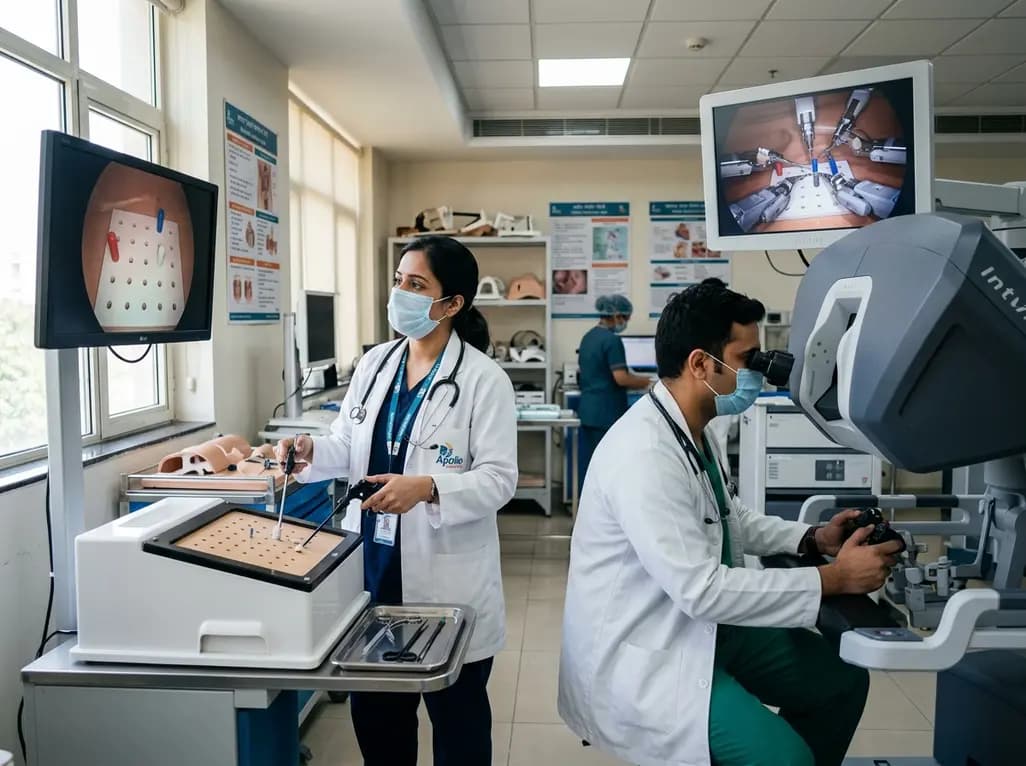
A randomized crossover study demonstrates that conventional and robotic laparoscopy require distinct neuropsychological and psychomotor skills. While trainees master conventional laparoscopy faster, robotic proficiency demands individualized, adaptive curricula tailored to specific learner profiles.
Today
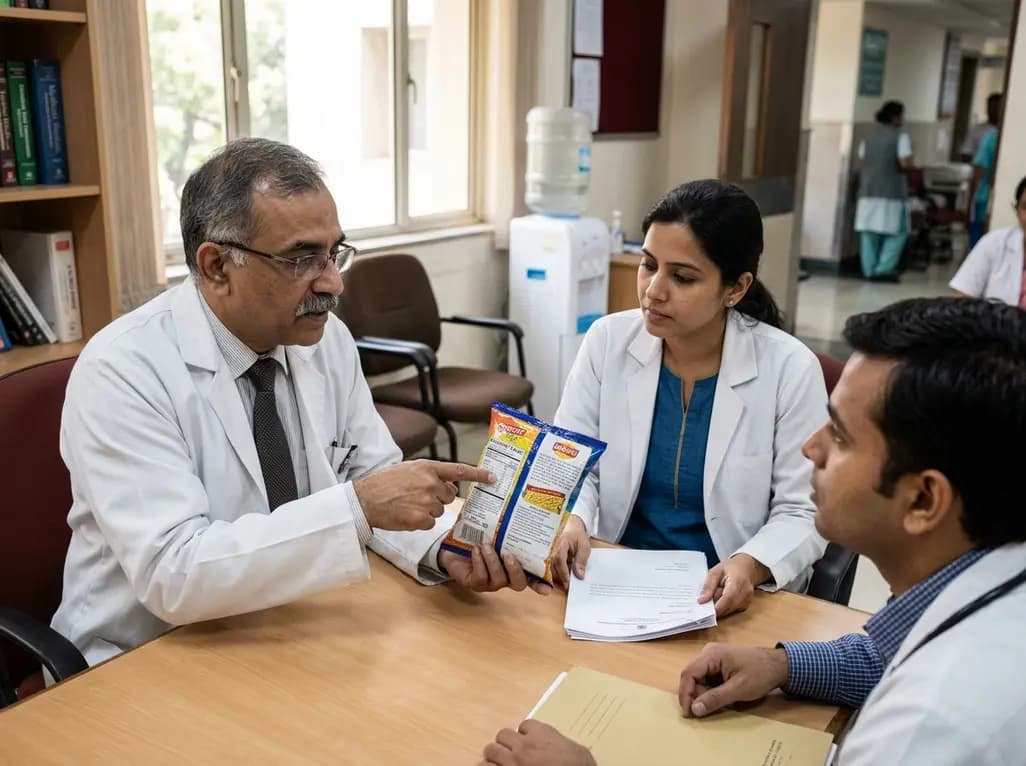
The Supreme Court has reserved its judgment on FSSAI's proposed front-of-pack nutritional warning labels for packaged foods. With debates over compliance timelines, added versus total sugars, and ultra-processed food definitions, this landmark decision carries profound public health implications for India.
Today

A scoping review of 51 studies reveals that spinal manual therapy on the lumbo-pelvic area is commonly used for isolated lower extremity pain, predominantly knee conditions. While thrust manipulation is frequent, reporting deficits highlight the need for standardized technique descriptions to guide practice.
Today
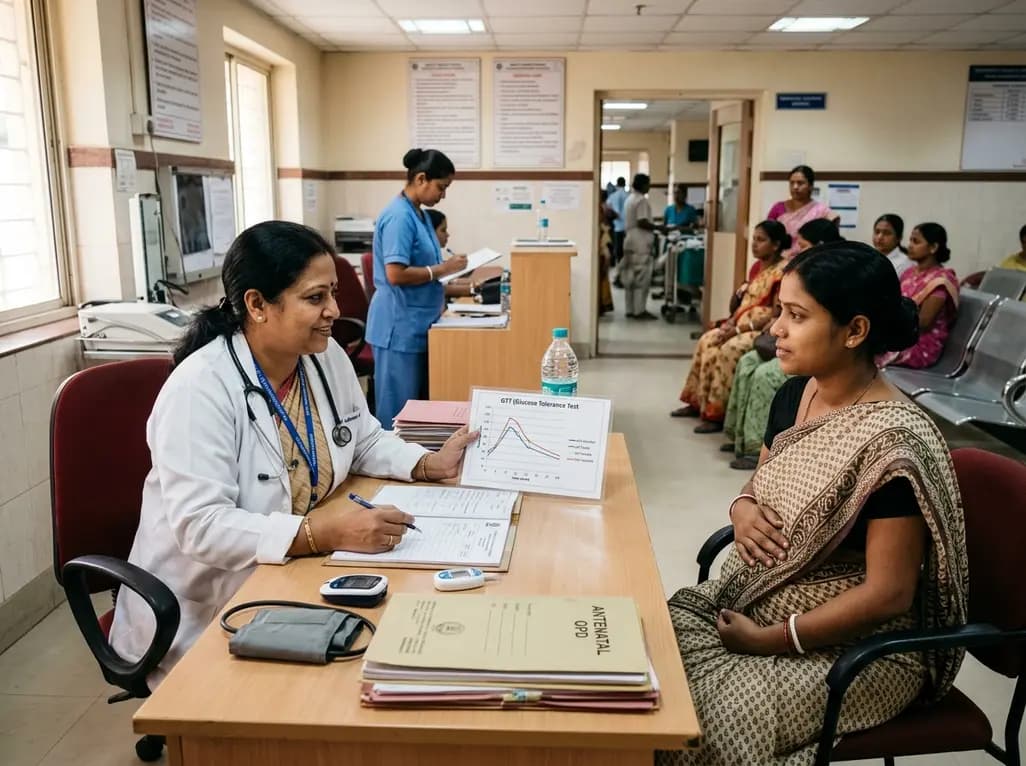
A comprehensive scoping review reveals a 23.24% prevalence of gestational diabetes mellitus in Vietnam alongside heightened risks in diaspora communities, underscoring urgent needs for standardized screening and culturally tailored metabolic interventions.
Today
