.webp&w=384&q=75)

Loading, please wait...
Loading, please wait...

Allogeneic hematopoietic stem cell transplantation remains a curative modality for diverse hematological malignancies and non-malignant marrow disorders. However, severe vascular complications frequently compromise patient survival and long-term outcomes. Among these post-transplant complications, transplant-associated thrombotic microangiopathy represents a devastating endothelial injury syndrome that poses substantial diagnostic and therapeutic challenges. Clinicians often encounter cases refractory to standard interventions, especially when microvascular thrombosis compromises vital organ systems. Recent evidence highlights the therapeutic potential of ruxolitinib in mitigating progressive microvascular injury in complex post-transplant presentations.
Delayed-onset manifestations of microangiopathy often present with insidious yet catastrophic clinical deterioration. Specifically, patients may develop severe multi-organ dysfunction long after completing their initial conditioning regimens. When microvascular damage involves ocular and central nervous system structures, clinicians face substantial diagnostic ambiguity. Patients frequently present with sudden visual field deficits, progressive retinal ischemia, encephalopathy, intractable seizures, or focal neurological deficits. Furthermore, clinical features overlap considerably with calcineurin inhibitor neurotoxicity, posterior reversible encephalopathy syndrome, viral encephalitis, and graft-versus-host disease. Consequently, physicians must maintain a high index of clinical suspicion when systemic microangiopathic hemolytic anemia accompanies acute organ dysfunction. Standard diagnostic criteria require evidence of microangiopathic hemolysis, including prominent schistocytes on peripheral blood smear review, marked lactate dehydrogenase elevation, worsening thrombocytopenia, and decreased haptoglobin. However, atypical presentations may manifest with localized tissue ischemia before overt systemic laboratory abnormalities appear. Therefore, prompt collaborative evaluation among hematologists, neurologists, and ophthalmologists is essential for timely recognition. Delaying intervention until complete systemic manifestation occurs often leads to irreversible tissue necrosis and permanent functional deficits. Clinicians must vigorously synthesize laboratory data, advanced neuroimaging, and detailed fundoscopic examinations to establish an early, accurate diagnosis.
The pathophysiology of transplant-associated thrombotic microangiopathy involves widespread endothelial cell activation, complement dysregulation, and microvascular thrombosis. Multiple cumulative insults precipitate this cascade during the transplant trajectory. Initially, pre-transplant conditioning regimens, calcineurin inhibitors, systemic infections, and alloreactive donor T cells induce progressive endothelial stress. Damaged endothelial cells subsequently shed protective glycocalyx components and downregulate natural anticoagulant mechanisms. Moreover, injured endothelium releases large quantities of ultra-large von Willebrand factor multimers, which actively aggregate platelets within the microcirculation. Simultaneously, complement cascade activation amplifies local inflammation and cellular lysis. The formation of the terminal complement complex, membrane attack complex C5b-9, directly perforates endothelial membranes and accelerates cell apoptosis. Consequently, microvascular thrombosis occludes fine arterioles and capillaries, producing significant shearing of passing erythrocytes. This mechanical destruction generates schistocytes while severely restricting capillary tissue perfusion. In ocular microvasculature, this process induces severe retinal cotton wool spots, retinal hemorrhages, and optic disc edema. Similarly, cerebral microvascular thrombosis causes extensive focal ischemia, microhemorrhages, and localized cerebral edema. Therefore, uncontrolled endothelial inflammation perpetuates a vicious cycle of sustained complement consumption, microthrombi formation, and progressive parenchymal necrosis. Interrupting this self-amplifying cascade remains paramount for organ preservation.
An intricate immunological crosstalk links endothelial injury syndromes with graft-versus-host disease. Notably, severe alloreactive immune responses target recipient host tissues, including vascular endothelial cells. Activated donor alloreactive T lymphocytes secrete potent pro-inflammatory cytokines such as tumor necrosis factor-alpha, interleukin-1, and interferon-gamma. These circulating mediators directly damage microvascular endothelium, exacerbating barrier breakdown and vascular leakage. Furthermore, clinical observations demonstrate that active graft-versus-host disease substantially increases the incidence and severity of microangiopathy. Conversely, severe endothelial disruption facilitates alloreactive lymphocyte extravasation into target tissues, thereby accelerating systemic inflammatory damage. This pathophysiological overlap frequently generates diagnostic dilemmas, as both conditions can produce concurrent neurological deficits, cutaneous manifestations, and gastrointestinal symptoms. Calcineurin inhibitors, traditionally administered to suppress graft-versus-host disease, directly aggravate endothelial toxicity and worsen microvascular damage. Consequently, clinicians must often reduce or discontinue calcineurin inhibitors, risking uncontrollable graft-versus-host flares. Recognizing this reciprocal relationship provides a strong rationale for selecting targeted therapeutic agents that simultaneously suppress alloreactive immune activity and dampen systemic endothelial inflammation. Managing this delicate balance requires comprehensive clinical assessment and innovative systemic interventions.
Conventional therapies for refractory microangiopathy, including plasma exchange, calcineurin inhibitor withdrawal, and complement blockade, do not always achieve complete organ recovery. Consequently, researchers have turned toward Janus kinase inhibitors to control unyielding inflammation. Ruxolitinib, a potent selective JAK1 and JAK2 inhibitor, suppresses intracellular signaling downstream of several key pro-inflammatory cytokine receptors. By blocking the JAK-STAT pathway, ruxolitinib significantly diminishes the transcription of genes driving alloreactive T-cell proliferation and cytokine secretion. Furthermore, ruxolitinib reduces the production of inflammatory mediators that perpetuate endothelial activation and microthrombus formation. In patients experiencing concurrent alloreactivity and vascular injury, JAK inhibition offers a dual therapeutic benefit. Specifically, the drug dampens active alloreactive graft-versus-host responses while concurrently mitigating the cytokine-mediated endothelial damage that sustains microangiopathic processes. In refractory cases with profound ocular and neurological impairment, initiating ruxolitinib has demonstrated rapid neurological recovery and stabilization of microvascular lesions. This temporal association indicates that controlling systemic cytokine storms and alloreactivity can halt ongoing microthrombus propagation. Therefore, ruxolitinib represents an attractive immunomodulatory candidate when conventional interventions fail to halt progressive microvascular compromise.
Optimal management of complex post-transplant endothelial syndromes demands early intervention and seamless multidisciplinary collaboration. Transplant physicians must partner closely with expert nephrologists, neurologists, ophthalmologists, and critical care specialists. First, clinicians should promptly eliminate identifiable endothelial triggers, particularly calcineurin inhibitors and other nephrotoxic agents. Additionally, aggressive supportive care remains imperative, including meticulous blood pressure control, judicious blood product transfusion, and antimicrobial stewardship. When patients exhibit severe neurological or ocular deterioration refractory to initial interventions, teams should consider innovative immunomodulating therapies without undue delay. Moreover, the integration of ruxolitinib requires vigilant safety monitoring. JAK inhibition can induce cytopenias, particularly worsening anemia and thrombocytopenia, which requires careful differentiation from ongoing microangiopathy. Furthermore, profound immunosuppression increases the risk of opportunistic viral reactivations, particularly cytomegalovirus and Epstein-Barr virus. Consequently, clinicians must implement stringent viral surveillance and proactive prophylaxis protocols during ruxolitinib therapy. Prospective clinical studies are essential to delineate precise timing, optimal dosing, and definitive efficacy endpoints for JAK inhibitors in this setting. Establishing standardized protocols will ultimately improve long-term functional recovery and patient survival.
Transplant-associated thrombotic microangiopathy causes cerebral microvascular thrombosis, widespread endothelial swelling, and localized tissue ischemia. Consequently, patients develop acute confusion, focal neurological deficits, encephalopathy, and severe seizures. Moreover, disrupted microvascular integrity promotes cerebral microhemorrhages and localized vasogenic edema. Because these manifestations closely mimic calcineurin inhibitor neurotoxicity or viral encephalitis, clinicians must promptly combine comprehensive neuroimaging, cerebrospinal fluid analysis, and microangiopathic laboratory markers to confirm the diagnosis and prevent permanent neuronal injury.
Clinicians consider ruxolitinib because it directly inhibits the Janus kinase signaling pathway, which drives severe pro-inflammatory cytokine production. In patients with concurrent graft-versus-host disease, persistent alloreactive inflammation perpetuates microvascular endothelial damage. By suppressing these inflammatory cascades, ruxolitinib halts endothelial destruction and microthrombosis. Furthermore, it effectively manages alloreactive immune responses without requiring calcineurin inhibitors, thereby providing dual therapeutic benefit when conventional plasma exchange and complement-targeting therapies fail to stabilize organ function.
When administering ruxolitinib, clinicians must routinely monitor complete blood counts, as therapy frequently induces significant thrombocytopenia, neutropenia, and anemia. In addition, healthcare providers should regularly perform viral surveillance for cytomegalovirus and Epstein-Barr virus reactivation due to targeted immunosuppression. Finally, regular liver and renal function assessments, alongside clinical monitoring for opportunistic fungal and bacterial infections, ensure that physicians detect toxicities early, adjust dosages appropriately, and maintain patient safety throughout the treatment course.
Disclaimer: This content is for informational and educational purposes only... Refer to the latest local and national guidelines for clinical practice.
References

Read summarized clinical updates, watch expert medical content, and earn CME certifications right from your smartphone.
Open your smartphone camera to scan and install.





A recent clinical report highlights the therapeutic promise of ruxolitinib for refractory transplant-associated thrombotic microangiopathy (TA-TMA) presenting with severe neurological and ocular deficits. The findings emphasize multidisciplinary management and JAK inhibition in post-transplant endothelial syndromes.
Today
This clinical review examines the dangerous intersection of climate change and antimicrobial resistance (AMR). It highlights thermal selection, altered transmission pathways, and the imperative for One Health and Planetary Health adaptation frameworks to preserve therapeutic efficacy.
Today
Discover the crucial distinctions between mesonephric and mesonephric-like proliferations of the female genital tract. Learn the key histomorphologic, immunohistochemical, and molecular differences essential for accurate diagnosis and clinical management.
Today
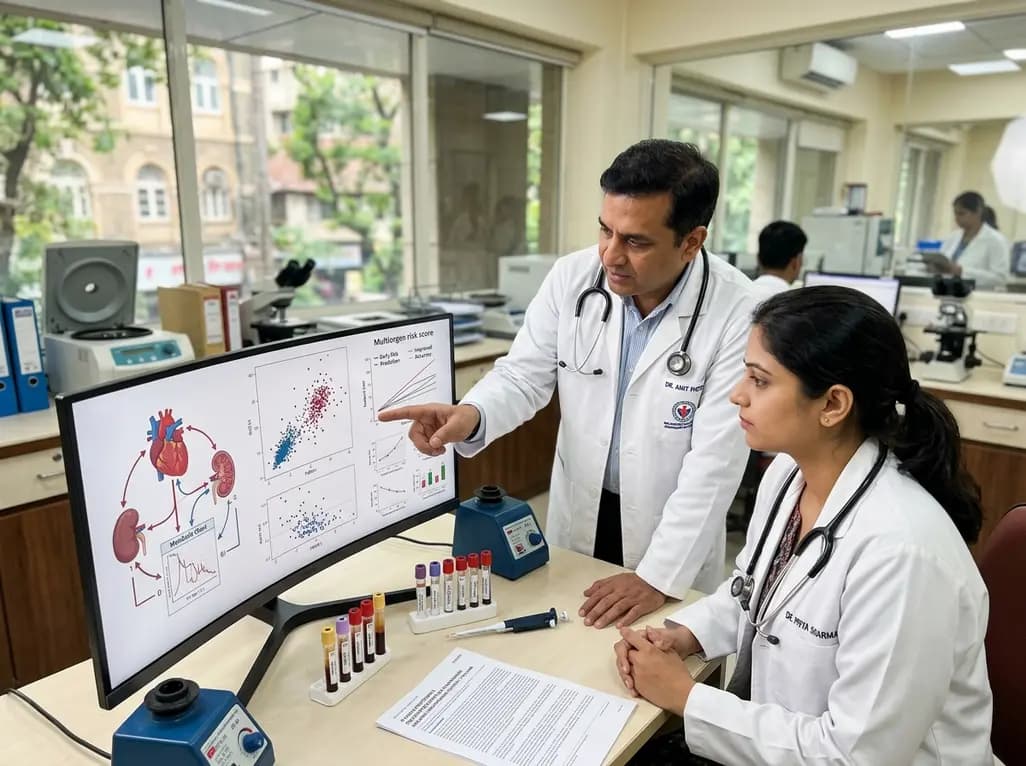
A large UK Biobank study reveals that plasma proteomic signatures capture preclinical organ damage and improve multiorgan risk prediction across early CKM syndrome stages 0 to 2 beyond traditional PREVENT clinical models.
Today

A narrative review investigates whether the articularis genus muscle functions as an independent anatomical entity or blends with the vastus intermedius. We evaluate its morphology, role in retracting the suprapatellar bursa, and direct clinical significance in anterior knee pain and arthroplasty.
Today

A Bayesian multilevel meta-analysis reveals that aerobic training combined with moderate carbohydrate restriction modestly lowers HbA1c in type 2 diabetes. However, sparse data and very low certainty leave incremental benefits over exercise or diet alone unproven, highlighting the need for individualized care.
Today
