.webp&w=384&q=75)

Loading, please wait...
Loading, please wait...

Global healthcare systems now face an unprecedented dual convergence as environmental degradation accelerates global microbial threats. Emerging scientific evidence reveals that climate change and AMR represent deeply intertwined public health emergencies rather than separate biological phenomena. Historically, clinicians viewed antimicrobial resistance primarily through the narrow lens of hospital stewardship and pharmacological overprescribing. However, shifting climatic conditions rapidly reshape how bacterial pathogens emerge, persist, and disseminate across global ecospheres. Consequently, medical professionals must adapt their clinical understanding to address these multifaceted ecological interactions effectively.
Contemporary medical practice operates within a rapidly destabilizing global environment. Climate change and AMR simultaneously challenge health infrastructure, food security, and pathogen control systems across the globe. Rising surface temperatures and altered precipitation patterns create fertile ground for opportunistic pathogens to thrive outside typical seasonal windows. Furthermore, extreme weather events frequently overwhelm municipal wastewater treatment plants and hospital containment systems. When severe floods submerge urban and rural communities, untreated municipal sewage mingles freely with agricultural waste and potable drinking supplies. This catastrophic mixing accelerates the dissemination of resistant enteric organisms such as extended-spectrum beta-lactamase producers and carbapenem-resistant Enterobacteriaceae. In addition, displaced human populations face acute overcrowding, damaged sanitary infrastructure, and compromised water access. Consequently, infectious disease outbreaks escalate rapidly in displaced communities, driving acute surges in empirical antimicrobial therapy. Overstretched primary care physicians often prescribe broad-spectrum antimicrobials empirically without diagnostic microbiology confirmation during such humanitarian crises. Therefore, ecological degradation directly fuels bacterial selective pressure, accelerating community-wide resistance patterns that subsequently burden secondary and tertiary referral hospitals.
Biological mechanisms clearly explain how environmental temperature surges accelerate bacterial drug resistance. Higher ambient temperatures directly stimulate bacterial enzymatic machinery and enhance cellular metabolic rates. Consequently, bacterial replication speeds up significantly, creating expanded populations that encounter environmental antimicrobials and biocides. Furthermore, elevated thermal conditions markedly increase horizontal gene transfer among divergent microbial taxa. Under physiological heat stress, bacteria upregulate conjugation mechanisms, actively exchanging conjugative plasmids, integrons, and transposons carrying multidrug-resistant determinants. Laboratory investigations confirm that elevated temperatures promote plasmid transfer rates between environmental saprophytes and clinical pathogens such as Escherichia coli and Klebsiella pneumoniae. In addition, climate-induced thermal stress triggers bacterial SOS responses, which significantly boost random genomic mutation rates. These adaptive cellular mutations frequently confer cross-resistance to vital antimicrobial classes, including fluoroquinolones, cephalosporins, and aminoglycosides. Moreover, co-selection dynamics worsen because rising agricultural temperatures prompt heavy pesticide applications, which enrich resistance traits against frontline clinical antibiotics. Thus, environmental warming acts as an insidious catalytic force that accelerates bacterial evolutionary diversification and renders established antibiotic regimens increasingly obsolete.
The environment serves as an active dynamic reactor for microbial resistance rather than a passive repository. Runoff from animal farms, aquaculture ponds, and pharmaceutical production facilities routinely saturates soil and natural watersheds with bioactive residues. Consequently, environmental bacteria live continuously under sub-inhibitory antimicrobial concentrations, which systematically selects for tough survival mechanisms. Furthermore, intense heatwaves reduce natural river volumes, concentrating chemical effluents and amplifying bacterial exposure to heavy metals and antimicrobial agents. When torrential monsoon rains follow these prolonged droughts, catastrophic runoff mobilizes concentrated resistance reservoirs into downstream community water supplies. In developing nations and tropical regions, vulnerable populations frequently rely on unprotected surface water for daily domestic and agricultural needs. Therefore, millions of rural and peri-urban citizens ingest multidrug-resistant bacteria daily through contaminated irrigation and drinking water. Similarly, ambient warming expands the geographical range and seasonal activity of vectors that transmit secondary microbial infections. As vector-borne pathogens proliferate, clinicians inevitably encounter more febrile illnesses, prompting extensive antimicrobial misuse. Thus, unbroken environmental transmission chains continuously funnel novel resistant genotypes directly into vulnerable clinical populations.
Climate-mediated resistance dynamics directly undermine modern clinical medicine and daily inpatient care. Physicians now confront highly resistant hospital-acquired and community-acquired infections that fail to respond to standard empirical therapy. For instance, clinicians observe sharp seasonal spikes in Gram-negative bloodstream infections and resistant urinary tract infections during intense summer heatwaves. Furthermore, high ambient temperatures compromise the stability of temperature-sensitive diagnostic reagents and antimicrobial formulations in resource-constrained clinics. Subpotent, heat-degraded antibiotics produce suboptimal serum concentrations in septic patients, accelerating in-host resistance selection and increasing therapeutic failures. In addition, extreme weather disasters severely disrupt electricity grids and supply chains, disabling vital microbiology laboratories and automated blood culture systems. Consequently, clinicians must manage complex clinical infections empirically without essential susceptibility data. In intensive care units, increasing rates of pan-drug-resistant Acinetobacter baumannii and Pseudomonas aeruginosa leave intensivists with minimal therapeutic options beyond toxic polymyxins. Therefore, environmental disruptions weaken critical infection prevention safeguards within hospitals. Clinicians must recognize that local therapeutic failures often stem from expansive environmental drivers rather than isolated hospital lapses.
Addressing this dual existential challenge demands a rapid paradigm shift from isolated treatment models toward integrated planetary health frameworks. Clinicians must expand their traditional clinical gaze beyond hospital walls to encompass broader ecological and social determinants of health. Specifically, medical teams should champion antimicrobial stewardship programs that account for regional climatic vulnerabilities and local seasonal resistance patterns. Furthermore, healthcare facilities must decarbonize operations, upgrade wastewater filtration systems, and eliminate pharmaceutical discharge into municipal waterways. In addition, interdisciplinary collaboration between infectious disease specialists, veterinarians, and environmental scientists is crucial for real-time genomic surveillance. Such integrated One Health surveillance networks can detect emerging resistant clones in livestock and surface waters before massive human spillover occurs. Moreover, clinicians must actively educate patients and communities regarding water purification, hand hygiene, and safe food preparation during seasonal floods. Ultimately, preserving antibiotic efficacy requires aggressive global climate adaptation, emissions reduction, and resilient public health infrastructure. By embedding planetary health principles into daily clinical practice, physicians can safeguard essential therapeutic tools for future generations.
Rising ambient temperatures directly increase bacterial growth rates and accelerate horizontal gene transfer across diverse microbial communities. Consequently, warmer conditions stimulate bacterial plasmid conjugation, allowing resistance genes to spread rapidly among environmental and pathogenic bacteria. In addition, heat stress elevates bacterial mutation frequencies and enhances selective pressure, especially in environments polluted with sub-inhibitory antimicrobial residues. Therefore, thermal fluctuations create robust environmental reservoirs of multi-drug-resistant pathogens that ultimately threaten vulnerable human populations.
A One Health approach is indispensable because resistant pathogens move continuously between humans, animals, and natural ecosystems. Climate events such as extreme rainfall and flooding wash agricultural runoff, animal manure, and untreated pharmaceutical effluents into communal drinking water sources. Consequently, environmental dissemination bridges clinical settings and agricultural landscapes. Therefore, isolated healthcare interventions cannot curb resistance without coordinated surveillance across veterinary sectors, environmental health systems, sanitation infrastructure, and clinical infection control programs worldwide.
Clinicians must implement strict antimicrobial stewardship by adhering to culture-guided prescribing and avoiding unnecessary broad-spectrum agents. Furthermore, medical practitioners should educate patients regarding water safety, personal hygiene, and proper sanitation, particularly during seasonal floods and severe heatwaves. In addition, hospitals must reinforce stringent infection prevention protocols to prevent nosocomial transmission during climate disruptions. Finally, healthcare professionals must actively report unusual resistance patterns to sentinel surveillance networks to strengthen regional epidemiological monitoring.
Disclaimer: This content is for informational and educational purposes only... Refer to the latest local and national guidelines for clinical practice.
References

Read summarized clinical updates, watch expert medical content, and earn CME certifications right from your smartphone.
Open your smartphone camera to scan and install.





This clinical review examines the dangerous intersection of climate change and antimicrobial resistance (AMR). It highlights thermal selection, altered transmission pathways, and the imperative for One Health and Planetary Health adaptation frameworks to preserve therapeutic efficacy.
Today
Discover the crucial distinctions between mesonephric and mesonephric-like proliferations of the female genital tract. Learn the key histomorphologic, immunohistochemical, and molecular differences essential for accurate diagnosis and clinical management.
Today
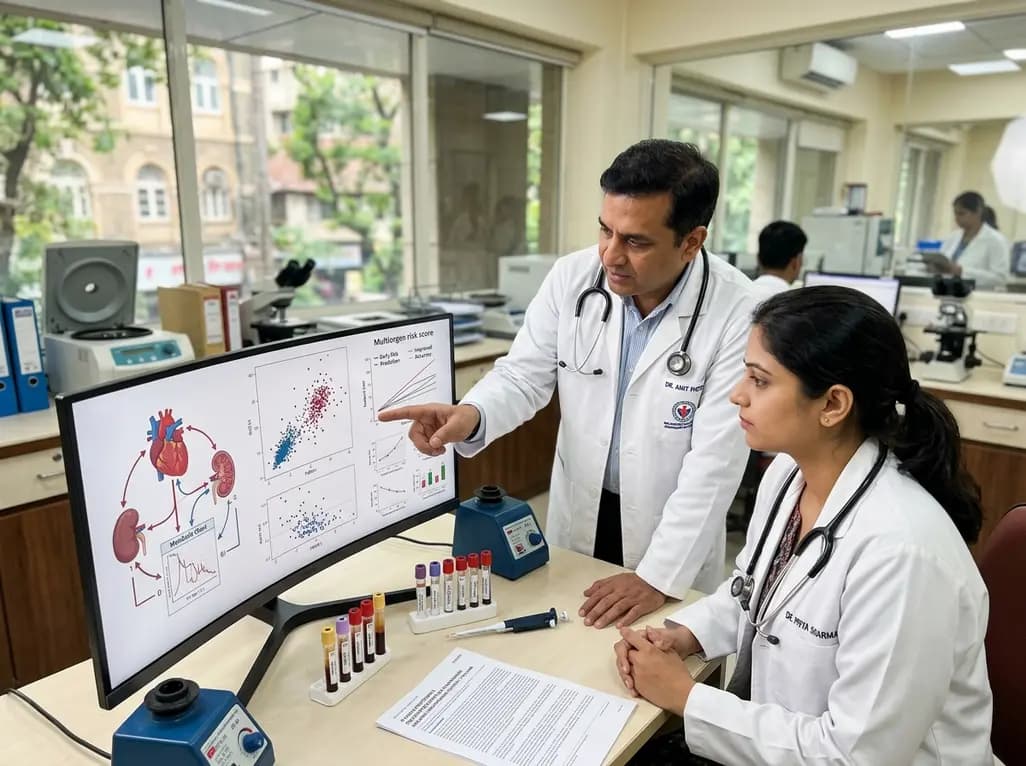
A large UK Biobank study reveals that plasma proteomic signatures capture preclinical organ damage and improve multiorgan risk prediction across early CKM syndrome stages 0 to 2 beyond traditional PREVENT clinical models.
Today
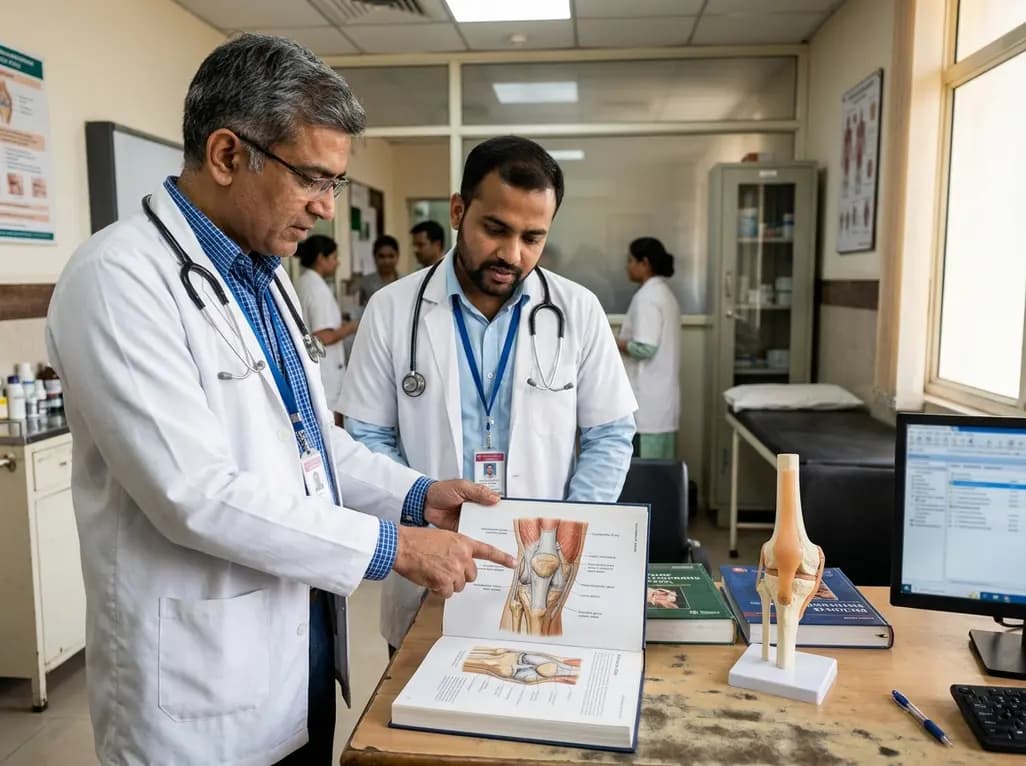
A narrative review investigates whether the articularis genus muscle functions as an independent anatomical entity or blends with the vastus intermedius. We evaluate its morphology, role in retracting the suprapatellar bursa, and direct clinical significance in anterior knee pain and arthroplasty.
Today

A Bayesian multilevel meta-analysis reveals that aerobic training combined with moderate carbohydrate restriction modestly lowers HbA1c in type 2 diabetes. However, sparse data and very low certainty leave incremental benefits over exercise or diet alone unproven, highlighting the need for individualized care.
Today
