

Loading, please wait...
Loading, please wait...
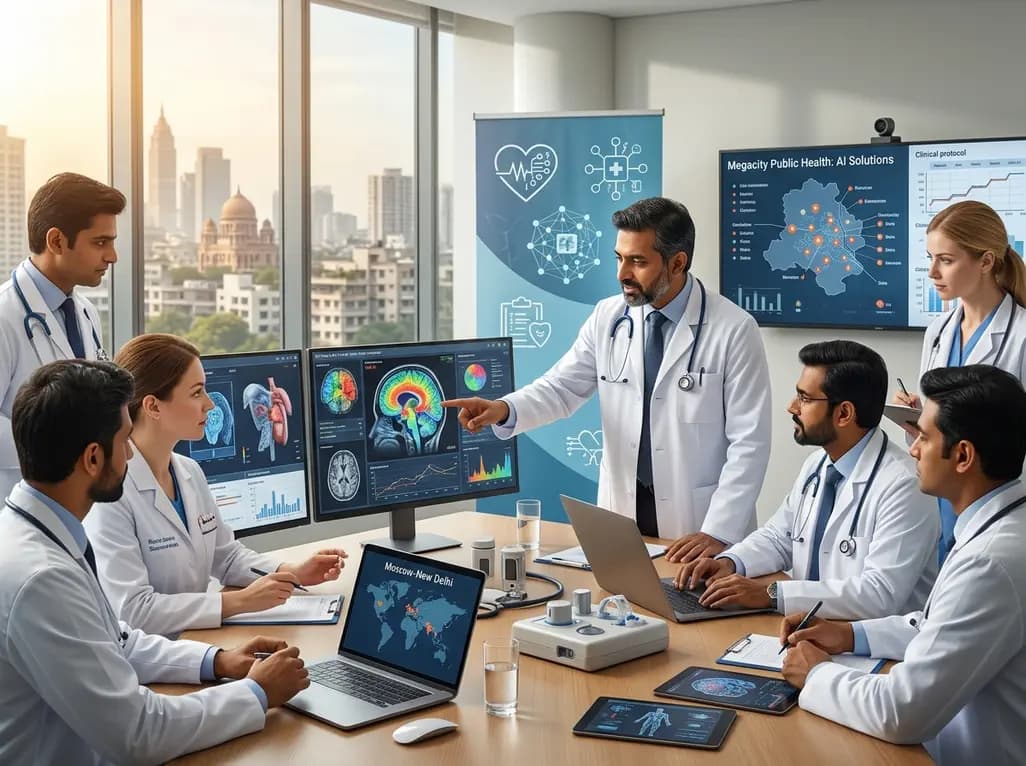
Recent international health diplomacy highlights bilateral technological cooperation as a vital driver of medical innovation. Specifically, the emerging Russia India healthcare collaboration offers critical opportunities to address pressing public health challenges. Deputy Head of the Moscow Health Department, Nikolay Vladimirovich Rubtsov, emphasized this mutual imperative during the Russia-India Forum. Consequently, both nations seek to exchange advanced medical technologies, artificial intelligence systems, and clinical best practices.
A structured bilateral framework requires close alignment between government bodies, hospital networks, and medical researchers. Historically, India and Russia maintain established diplomatic relations and flourishing scientific exchanges. However, contemporary healthcare demands structured clinical integration rather than simple trade arrangements. Moscow health authorities actively encourage institutional partnerships with Indian healthcare providers. Therefore, establishing specialized bilateral working groups enables direct collaboration across critical medical sectors. In addition, these collaborative teams can target vital therapeutic disciplines, including oncology, cardiovascular disease, and trauma management. Russian public health systems have created centralized medical data registers and advanced telemedicine infrastructure. Conversely, India demonstrates extraordinary capabilities in generic pharmaceutical production, clinical volume management, and digital health software. Consequently, mutual collaboration connects complementary strengths across both health ecosystems. Healthcare administrators can systematically evaluate which technological tools deliver the highest clinical efficacy and cost-effectiveness. Furthermore, high-level diplomatic dialogues between health ministries create transparent regulatory pathways for technology transfer. When both systems align clinical standards, doctors achieve higher precision and improved workflow efficiency. Similarly, shared planning accelerates clinical progress. Ultimately, this strategic cooperation establishes a reliable foundation for long-term clinical innovation and enhanced patient outcomes.
Metropolitan healthcare systems encounter unprecedented logistical challenges driven by high population density and distinct disease burdens. Moscow and Delhi represent two of the largest municipal territories worldwide, serving millions of urban residents daily. Accordingly, municipal health leaders in both cities face comparable public health priorities in tackling non-communicable diseases. Ischemic heart disease, type 2 diabetes mellitus, chronic obstructive pulmonary disease, and stroke remain leading causes of morbidity. Therefore, studying how each municipal authority organizes emergency response and chronic care provides valuable clinical insight. Moscow operates a comprehensive digital polyclinic network that connects primary care providers with centralized diagnostic laboratories. Similarly, Delhi utilizes tiered medical infrastructure ranging from local community clinics to premier tertiary institutes like AIIMS. However, both megacities must continuously optimize emergency triage to prevent hospital overcrowding during peak epidemiological periods. By comparing urban emergency response data, clinicians can refine standard intervention pathways for acute myocardial infarction. Additionally, joint epidemiological analysis allows researchers to detect emerging disease trends across dense urban environments. As a result, bilateral exchange fosters evidence-based care models tailored specifically to metropolitan populations. Ultimately, shared urban health strategies help doctors optimize preventive measures and reduce emergency admissions.
Artificial intelligence represents a revolutionary capability in population screening and point-of-care diagnostics. Nikolay Rubtsov emphasized that both Russia and India actively deploy complex algorithms to process medical data and refine clinical workflows. For example, Russian research institutes have developed automated computer vision software to evaluate chest computed tomography scans and digital mammograms rapidly. Meanwhile, Indian technology developers excel in creating scalable, smartphone-integrated AI tools for diabetic retinopathy screening and rural primary triage. Consequently, integrating these distinct software capabilities produces versatile diagnostic solutions for diverse clinical environments. Clinicians can utilize federated learning techniques to train diagnostic neural networks without transferring confidential patient records across national borders. In this way, algorithms gain exposure to diverse demographic datasets, which minimizes algorithmic bias and enhances clinical accuracy. In addition, machine learning models can help hospital physicians predict acute patient deterioration in intensive care units. Nevertheless, clinical leaders must ensure rigorous peer validation before incorporating artificial intelligence into everyday practice. Doctors should regard algorithm outputs as diagnostic aids that support rather than replace clinical judgment. Ultimately, collaborative artificial intelligence research ensures safe, reliable technology adoption in hospital care.
Direct collaboration between practicing clinicians forms the foundation of sustainable medical progress. Nikolay Rubtsov specifically advocated for bringing together Indian and Russian doctors to share technical expertise and clinical approaches. Historically, medical innovations spread most effectively through hands-on clinical immersion and direct specialist dialogue. For example, Russian surgical teams possess outstanding proficiency in neurosurgical interventions, complex oncological resections, and orthopedics. Conversely, Indian physicians demonstrate unmatched experience in interventional cardiology, robotic laparoscopic procedures, and living-donor organ transplantations. Therefore, establishing formal clinical observer programs and academic fellowships allows specialists to examine alternate procedural methods firsthand. In addition, routine virtual grand rounds provide secure forums where multidisciplinary teams can discuss complex clinical presentations. Junior doctors benefit enormously from studying differing clinical management algorithms and antimicrobial stewardship protocols. Furthermore, joint professional committees can draft shared clinical guidelines for managing prevalent non-communicable conditions. When medical teams systematically exchange proven clinical practices, overall patient safety and care quality increase markedly. Thus, physician-level partnerships translate governmental health agreements into practical clinical improvements at the bedside. Ultimately, ongoing academic interaction enriches medical education and elevates therapeutic standards across both health systems.
While the benefits of healthcare collaboration appear extensive, healthcare administrators must navigate complex regulatory environments. First, medical device registration pathways differ considerably between the two sovereign nations. For instance, the Central Drugs Standard Control Organisation in India and Roszdravnadzor in Russia maintain distinct documentation standards. Consequently, health authorities must collaborate closely to create harmonized certification protocols for innovative diagnostic hardware and medical software. Additionally, stringent data protection frameworks govern the handling of patient health records. India enforces statutory compliance under the Digital Personal Data Protection Act, whereas Russia applies Federal Law No. 152-FZ. Therefore, joint research projects must adopt privacy-preserving computational architectures, including federated data pipelines and synthetic dataset generation. These advanced methodologies permit secure clinical algorithm training without transmitting identifiable patient records abroad. Furthermore, medical institutions must resolve linguistic barriers through standardized medical translation tools and international diagnostic coding taxonomies. Establishing transparent regulatory mechanisms eliminates operational delays and protects patient privacy throughout cross-border initiatives. As a result, clinical teams can adopt novel digital diagnostic platforms with confidence. Ultimately, clear regulatory oversight ensures that cutting-edge medical technologies transition smoothly into routine clinical practice without compromising patient safety.
Q1: What medical technologies are central to Russia-India healthcare cooperation?
The collaboration primarily centers on artificial intelligence software, centralized hospital information systems, automated radiological screening, and digital pathology. Additionally, both nations aim to exchange advanced medical technologies, including robotic surgical tools and telemedicine infrastructure. Furthermore, these integrated platforms enable clinical teams to manage massive patient volumes efficiently. Consequently, adopting these shared tools helps doctors improve diagnostic speed while maintaining rigorous clinical standards.
Q2: Why do Moscow and Delhi serve as primary reference models?
Moscow and Delhi represent two massive urban centers confronting similar public health dynamics, including dense populations and heavy chronic disease burdens. Therefore, both municipal systems face comparable pressures in emergency triage, cardiology, and outpatient monitoring. By sharing administrative models, healthcare administrators can identify practical solutions for urban healthcare delivery. Consequently, successful initiatives tested in these megacities provide scalable blueprints for other metropolitan centers.
Q3: How can Indian doctors participate in bilateral medical exchange initiatives?
Indian medical practitioners can engage through bilateral medical forums, specialized fellowship programs, and collaborative research working groups organized by health ministries. Additionally, participating in joint clinical webinars allows clinicians to discuss complex patient cases with Russian counterparts. Furthermore, academic institutions plan to establish institutional observerships and scientific registries. As a result, participating doctors gain valuable exposure to alternative surgical methodologies, hospital workflows, and diagnostic tools.
Disclaimer: This content is for informational and educational purposes only. It does not constitute medical advice or replace professional judgment. Refer to the latest local and national guidelines for clinical practice.
References

Read summarized clinical updates, watch expert medical content, and earn CME certifications right from your smartphone.
Open your smartphone camera to scan and install.





Bilateral healthcare ties between Moscow and New Delhi emphasize artificial intelligence integration, medical technology sharing, and clinical protocol alignment. These cooperative efforts target common challenges in metropolitan disease burden, chronic care management, and scalable public health infrastructure.
Today
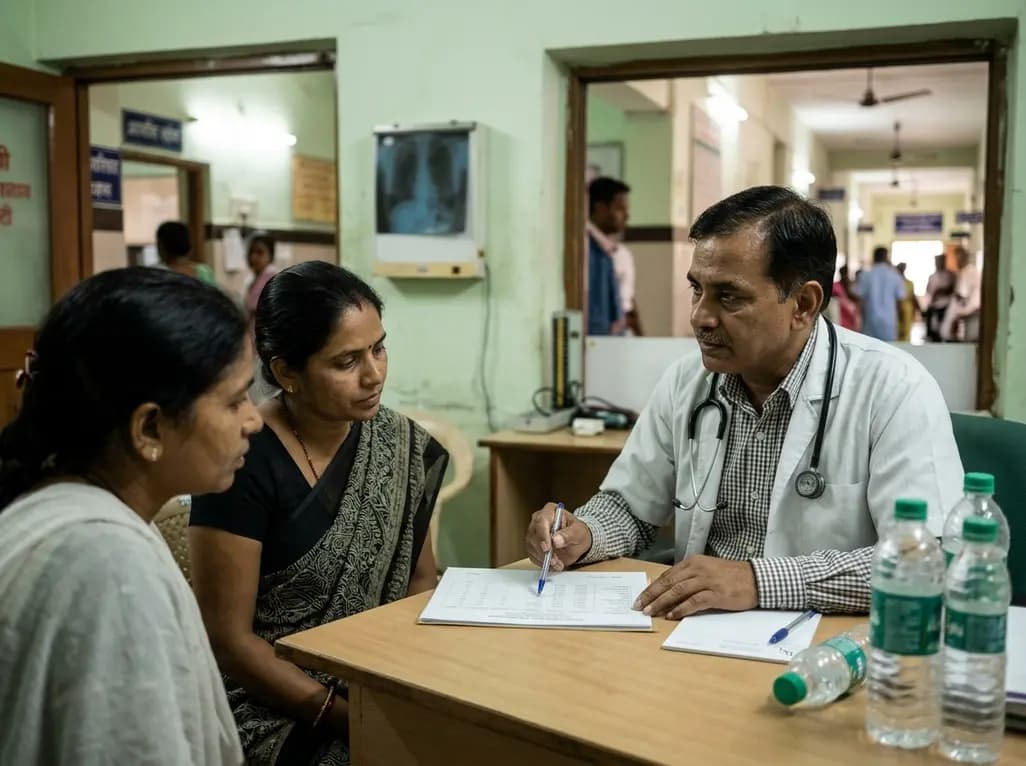
Following regulatory scrutiny over chemical contaminants in packaged water, food safety authorities have highlighted acceptable chemical thresholds. This clinical overview outlines the toxicological profile of bromate and polycyclic aromatic hydrocarbons, their health impacts, and essential patient guidance.
Today
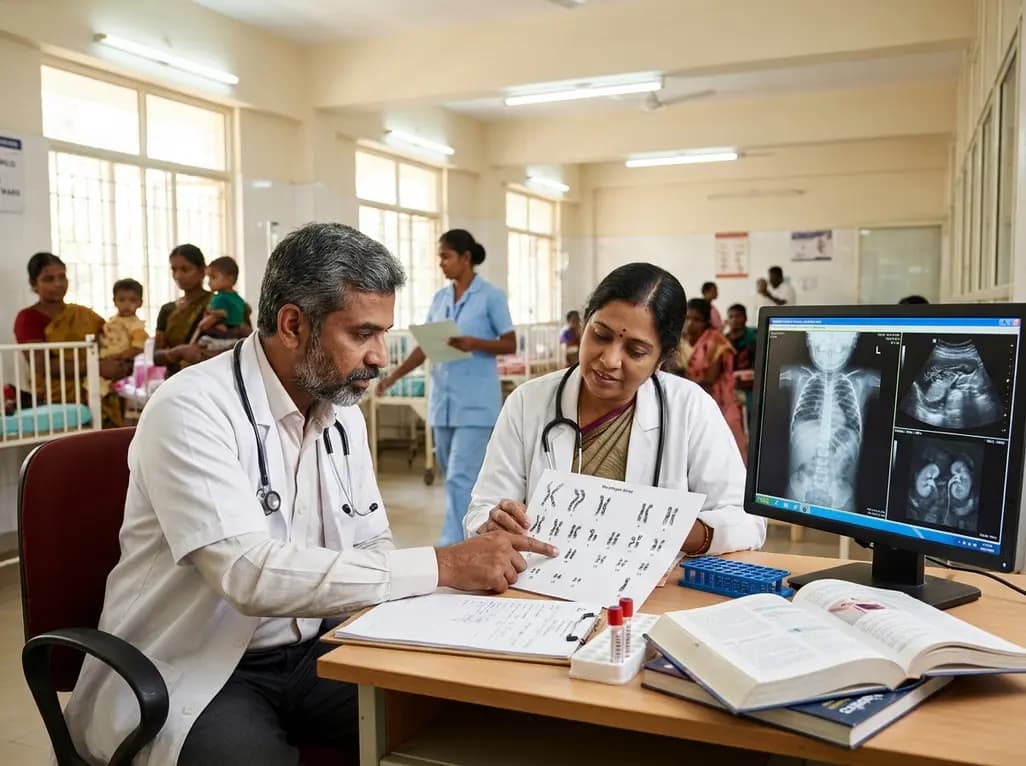
Mosaic trisomy 20 presents a unique diagnostic challenge. Although frequently viewed as a benign artifact in prenatal testing, true mosaicism causes distinct skeletal, gastrointestinal, and renal manifestations. Skin fibroblast karyotyping provides definitive confirmation and guides long-term multidisciplinary care.
Today
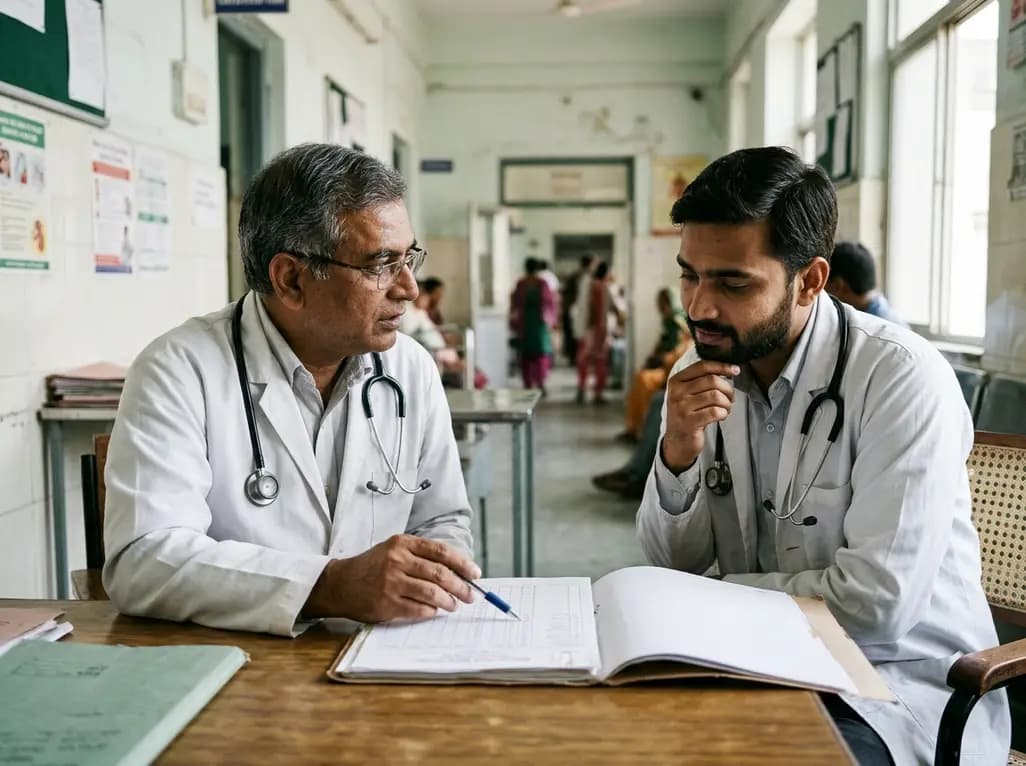
A nationwide Swedish register study of 46,479 VTE patients found no significant increase in major or fatal bleeding with concomitant DOAC and SSRI therapy compared to DOACs alone, though all-cause mortality was modestly elevated, offering reassuring safety data for clinicians managing both conditions.
Today
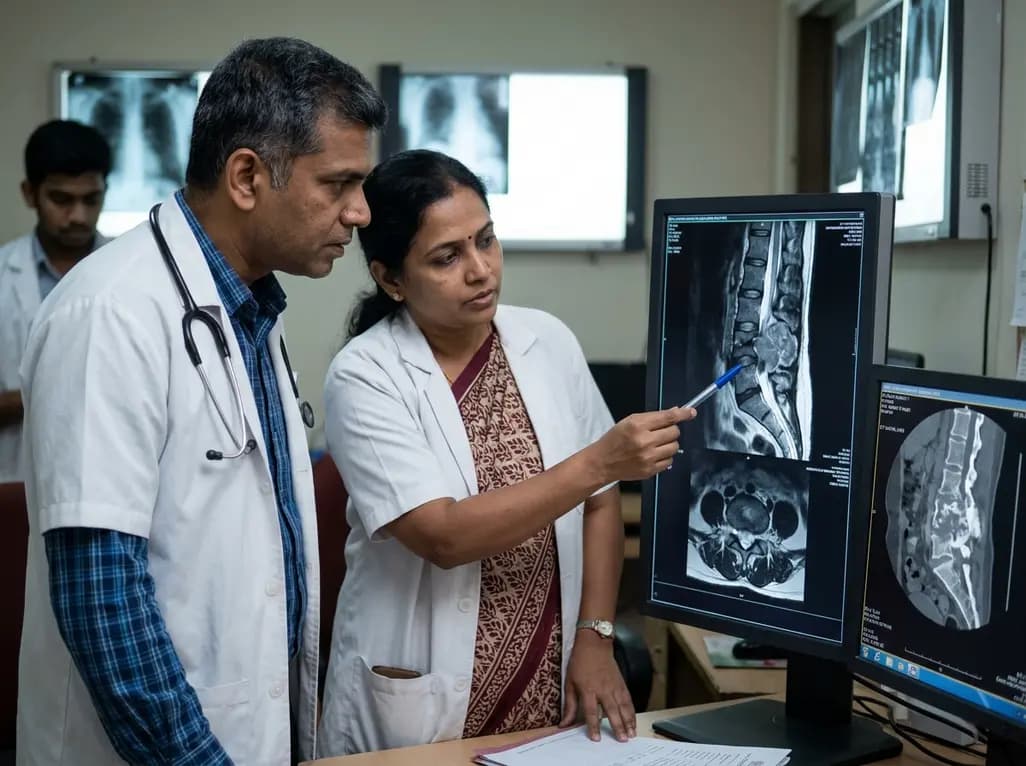
Primary spinal bone tumors can mimic benign nerve sheath tumors as foraminal dumbbell lesions. Learn to recognize crucial CT red flags and prevent delays.
Today
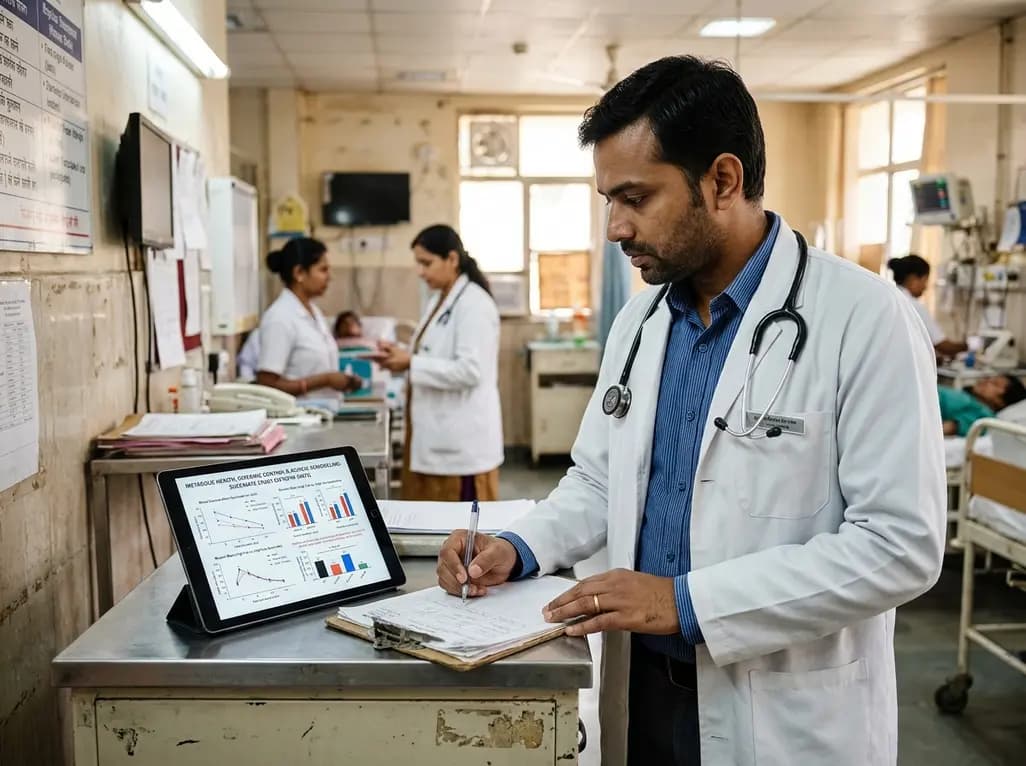
A recent investigation assesses the impact of succinate supplements on metabolic health, energy intake, and muscle remodeling in mice fed high-fat or ketogenic diets. Although succinate briefly blunts hyperphagia, it fails to improve long-term glycemic control or alter skeletal muscle hypertrophy.
Today
