

Loading, please wait...
Loading, please wait...
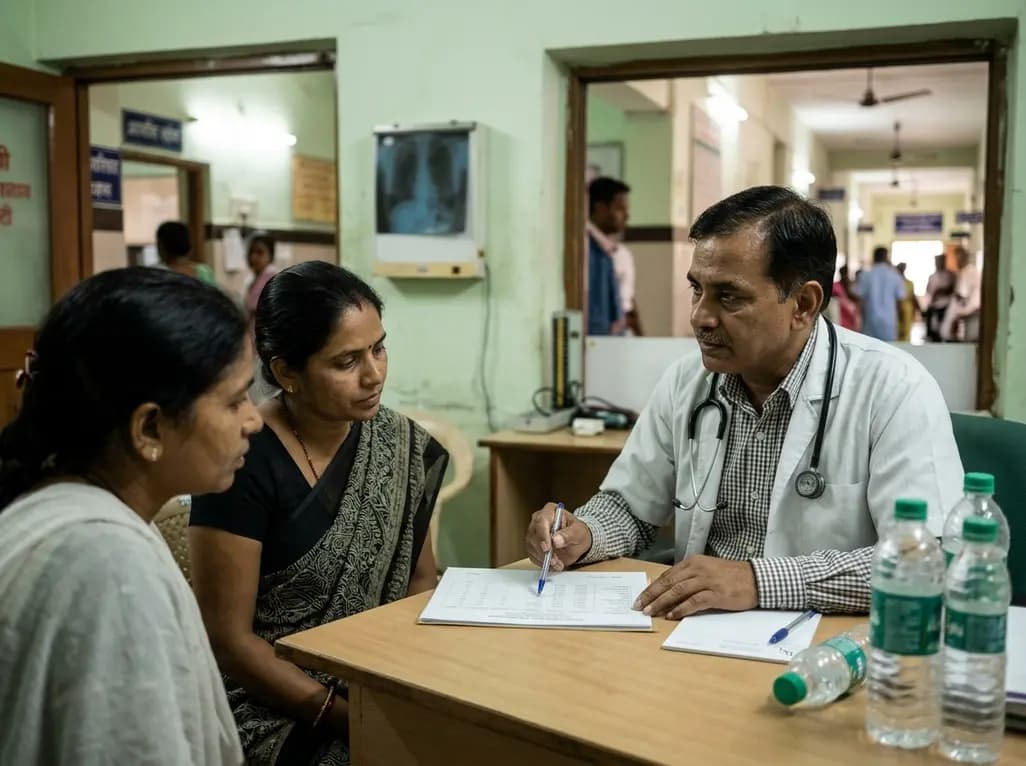
Public health discussions recently intensified after regulatory scrutiny highlighted concerns regarding bromate in drinking water across packaged commercial supplies. The food safety regulator initiated legal prosecution against a prominent beverage brand. This action followed reports of chemical non-compliance in a regional manufacturing plant. Although the manufacturer disputed these findings, the controversy highlighted important consumer safety issues. Consequently, clinicians must understand the toxicological risks to counsel concerned patients effectively.
Regulatory authorities maintain rigorous oversight over commercial beverage bottling to prevent public exposure to harmful chemical residues. In India, the national food authority enforces strict statutory criteria aligned with standard specifications. Specifically, standard protocols cap the permissible level of bromate at ten micrograms per litre of packaged water. This ceiling mirrors recommendations established by the World Health Organization to mitigate long-term oncologic hazards. Recently, regulatory testing identified a batch registering twelve micrograms per litre at a manufacturing plant. Although this marginal increase represents an isolated measurement, statutory enforcement mandates strict compliance for consumer protection.
Furthermore, regulatory bodies conduct randomized sampling to verify operational adherence across regional packaging hubs. When a test reveals non-compliance, authorities issue formal warnings and initiate punitive legal action. Nevertheless, manufacturers retain the legal right to challenge initial findings through accredited referral testing. Discrepancies between initial tests and referral laboratories can complicate enforcement proceedings. Therefore, thorough documentation and consistent analytical methodologies remain crucial for legal transparency. In addition, continuous surveillance protects consumers from cumulative toxicities over their lifespan. Clear enforcement ultimately reassures the public and guarantees beverage purity across vulnerable populations.
Industrial water purification relies heavily on chemical disinfection to eliminate pathogenic bacteria, viruses, and protozoan cysts. Treatment facilities commonly utilize ozonation because ozone acts as a powerful antimicrobial oxidant. However, source water naturally contains dissolved inorganic bromide ions derived from geological mineral deposits. When ozone contacts bromide during treatment, a multi-step oxidation cascade begins spontaneously. Ozone first oxidizes bromide to form hypobromous acid and hypobromite ions. Subsequent chemical interactions with additional ozone molecules transform these intermediate compounds into stable bromate.
Consequently, bromate represents an unintended disinfection byproduct rather than an intentional manufacturing additive. Several operational parameters govern the formation rate of this toxic byproduct. For example, higher ambient water temperatures and elevated pH levels significantly accelerate bromate synthesis. Similarly, prolonged ozone contact time increases overall bromate yield in treated batches. Beverage engineers can suppress this reaction by adding trace amounts of ammonia or adjusting acidification. Moreover, advanced filtration techniques like reverse osmosis help extract bromide ions prior to final ozonation. Implementing these technical modifications effectively prevents chemical accumulation while maintaining complete microbiological sterility. Thus, continuous quality monitoring ensures water safety throughout every step of production.
The toxicological profile of bromate centers primarily on its potent cellular oxidative activity. Following oral ingestion, the gastrointestinal tract rapidly absorbs bromate molecules into systemic circulation. Inside tissues, bromate generates reactive oxygen species that cause extensive oxidative stress and lipid peroxidation. Furthermore, reactive oxygen species attack nucleic acids, producing 8-hydroxy-2'-deoxyguanosine DNA lesions. These uncorrected genomic mutations interfere with normal cellular replication cycles. Consequently, the International Agency for Research on Cancer categorizes bromate as a Group 2B possible human carcinogen.
Extensive rodent bioassays demonstrate that chronic bromate exposure induces renal cell tumors, thyroid follicular adenomas, and peritoneal mesotheliomas. In addition, experimental models show progressive non-neoplastic renal injury characterized by proximal tubular degeneration and interstitial fibrosis. However, acute human toxicity manifests quite differently from chronic low-dose environmental exposure. Ingesting massive amounts produces severe abdominal pain, persistent vomiting, methemoglobinemia, and central nervous depression. Subsequently, acute poisoning can cause irreversible sensorineural deafness and acute renal failure. Fortunately, commercial concentrations remain far below acute toxic thresholds. They represent long-term stochastic risks rather than sudden emergencies. Therefore, strict regulatory limits prevent cumulative cellular injury over a lifetime.
The regulatory scrutiny surrounding packaged water also highlighted the unexpected detection of polycyclic aromatic hydrocarbons during referral testing. These compounds comprise ubiquitous environmental contaminants generated by incomplete combustion of organic materials like petroleum and coal. Unlike bromate, aromatic hydrocarbons do not originate from ozone disinfection. Instead, their presence in bottled water usually indicates environmental pollution of source aquifers or industrial runoff. Furthermore, migration from poor packaging plastics, pipeline coatings, or storage sealants can occasionally introduce these compounds into bottled water.
From a physiological perspective, these lipophilic chemicals readily cross cellular membranes and distribute across lipid-rich tissues. Cytochrome P450 enzymes metabolize these compounds into reactive dihydrodiol epoxides that covalently bind to cellular DNA. These DNA adducts disrupt essential tumor suppressor genes and activate cellular oncogenes over extended periods. Therefore, statutory standards mandate that polycyclic aromatic hydrocarbons remain entirely undetectable in packaged drinking water. When laboratories identify these hydrocarbons, authorities must promptly investigate the entire distribution pipeline. Identifying the exact source of contamination protects the public from persistent bioaccumulative environmental toxins. Rigorous laboratory testing ensures complete industrial compliance before products enter retail distribution channels.
Public reports regarding contaminated packaged water frequently trigger substantial anxiety among everyday consumers and vulnerable patients. Primary care physicians often receive urgent inquiries regarding safe hydration practices and potential poisoning symptoms. Clinicians must reassure patients that isolated consumption of non-compliant commercial water does not cause acute medical illness. Because chronic carcinogenic risks depend on sustained lifetime exposure, an occasional bottle presents negligible clinical hazard. Nonetheless, physicians should advise patients to purchase certified packaged beverages with verifiable batch markings and intact tamper-evident seals.
Additionally, medical practitioners should educate households about effective domestic water purification alternatives. For example, modern multi-stage domestic filtration combining reverse osmosis and carbon filtration eliminates organic chemicals and dissolved solids effectively. Clinicians managing immunocompromised individuals or renal patients must emphasize continuous access to certified clean drinking water. Furthermore, patients presenting with acute gastrointestinal distress or unexplained tinnitus require systematic diagnostic evaluation for toxic ingestions. By explaining regulatory safety margins and toxicological principles calmly, physicians alleviate consumer panic and reinforce rational health habits. In summary, informed physician guidance empowers communities to make safe, evidence-based hydration decisions every single day.
Q1: How does bromate contaminate packaged drinking water during manufacturing?
Bromate typically forms during industrial disinfection when manufacturers use ozonation to sterilize source water containing natural bromide ions. Ozone rapidly oxidizes bromide into hypobromite, which subsequently converts into stable bromate. Consequently, water treatment facilities must closely control ozone dosages, pH levels, and contact time. When processing parameters shift unexpectedly, bromate concentrations can surpass allowable safety thresholds, creating potential compliance hazards for commercial bottling plants.
Q2: What clinical manifestations occur following acute toxic ingestion of bromate?
Acute bromate poisoning occurs rarely from drinking water and mostly stems from industrial accidents or chemical ingestion. Patients frequently experience severe epigastric pain, persistent vomiting, profuse diarrhea, and central nervous depression. Furthermore, severe cases can trigger acute tubular necrosis, irreversible sensorineural hearing loss, and acute kidney injury requiring hemodialysis. Therefore, clinicians evaluating suspicious chemical exposures must monitor serum electrolytes, assess renal function promptly, and initiate aggressive supportive therapy immediately.
Q3: How do regulatory authorities in India monitor and limit chemical contaminants in water?
The Food Safety and Standards Authority of India enforces stringent maximum residue limits for packaged drinking water. For instance, regulations restrict bromate to a maximum threshold of ten micrograms per litre, matching World Health Organization recommendations. Additionally, standards mandate that polycyclic aromatic hydrocarbons remain completely undetectable in all commercial batches. Regulators perform surprise facility audits, collect independent surveillance samples, and sanction legal prosecution against non-compliant manufacturers to safeguard public health.
Disclaimer: This content is for informational and educational purposes only. It does not constitute medical advice or replace professional judgment. Refer to the latest local and national guidelines for clinical practice.
References

Read summarized clinical updates, watch expert medical content, and earn CME certifications right from your smartphone.
Open your smartphone camera to scan and install.





Following regulatory scrutiny over chemical contaminants in packaged water, food safety authorities have highlighted acceptable chemical thresholds. This clinical overview outlines the toxicological profile of bromate and polycyclic aromatic hydrocarbons, their health impacts, and essential patient guidance.
Today

Mosaic trisomy 20 presents a unique diagnostic challenge. Although frequently viewed as a benign artifact in prenatal testing, true mosaicism causes distinct skeletal, gastrointestinal, and renal manifestations. Skin fibroblast karyotyping provides definitive confirmation and guides long-term multidisciplinary care.
Today

A nationwide Swedish register study of 46,479 VTE patients found no significant increase in major or fatal bleeding with concomitant DOAC and SSRI therapy compared to DOACs alone, though all-cause mortality was modestly elevated, offering reassuring safety data for clinicians managing both conditions.
Today

Primary spinal bone tumors can mimic benign nerve sheath tumors as foraminal dumbbell lesions. Learn to recognize crucial CT red flags and prevent delays.
Today
A recent investigation assesses the impact of succinate supplements on metabolic health, energy intake, and muscle remodeling in mice fed high-fat or ketogenic diets. Although succinate briefly blunts hyperphagia, it fails to improve long-term glycemic control or alter skeletal muscle hypertrophy.
Today
