

Loading, please wait...
Loading, please wait...
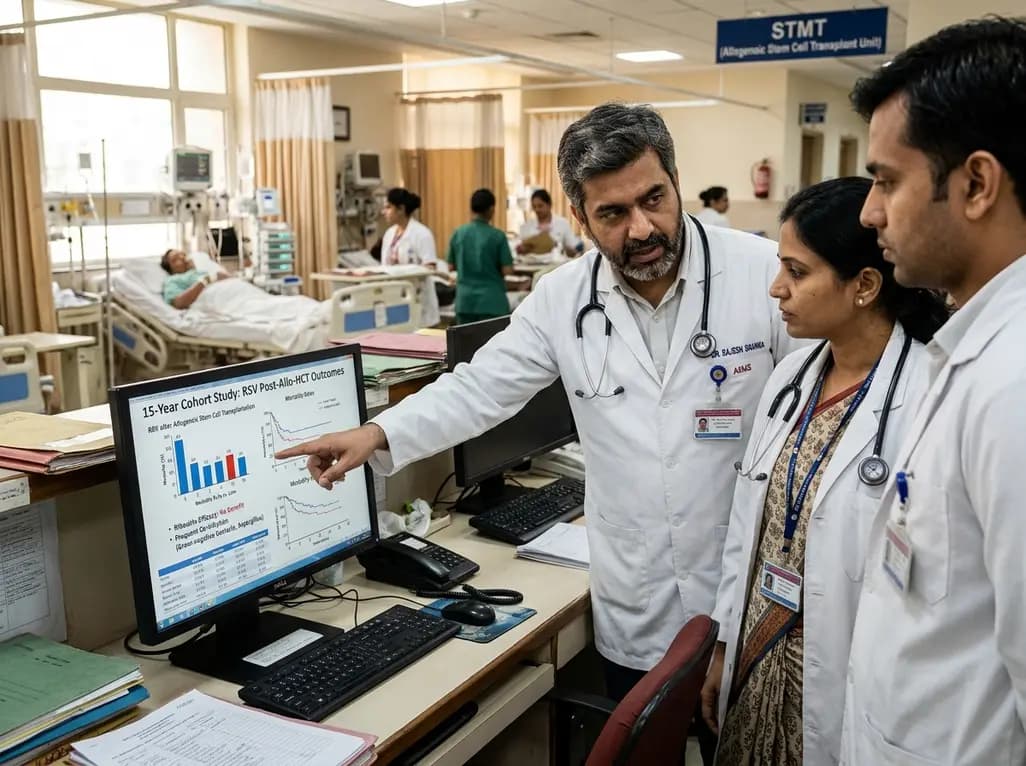
Respiratory syncytial virus poses a persistent threat to immunocompromised hosts worldwide. Managing RSV after allo-HCT represents a major clinical challenge for hematologists and transplant teams. Historically, viral respiratory infections have produced significant pulmonary morbidity in allogeneic transplant recipients. Recent 15-year cohort data from Karolinska University Hospital now provide essential real-world insights into viral behavior across modern clinical eras.
Specifically, researchers evaluated 102 allogeneic hematopoietic cell transplant recipients with polymerase chain reaction confirmed infection. The study investigated infection kinetics, progression patterns, and therapeutic interventions over an extended observation period. Notably, 43% of patients contracted the infection more than one year post-transplantation. This late presentation highlights the prolonged vulnerability that recipients experience after stem cell grafting.
Consequently, clinicians must recognize that immune reconstitution requires considerable time. Ongoing immunosuppression for graft-versus-host disease continues to impair antiviral defenses long after hospital discharge. Although historical cohorts demonstrated high attributable mortality, modern supportive care may attenuate lethal outcomes. Therefore, transplant physicians must maintain heightened surveillance for viral respiratory pathogens across all phases of outpatient recovery.
Progression from upper respiratory tract infection to lower respiratory tract infection represents a critical clinical pivot point. In this Swedish cohort, 28 patients out of 102 developed lower tract involvement. Among these individuals, eight patients directly progressed from an initial upper tract presentation.
Importantly, the timing of viral acquisition significantly influenced patient trajectories. Patients who contracted the virus within 30 days of transplantation experienced a striking 36% progression rate. In contrast, patients diagnosed beyond day 30 exhibited only a 5.6% progression rate. This stark statistical difference emphasizes the extreme vulnerability of the early post-engraftment phase. During this early window, severe neutropenia and profound mucosal disruption impair host defense mechanisms.
Furthermore, systemic inflammatory markers accurately reflected lower tract progression. Patients with lower respiratory disease displayed median C-reactive protein levels of 50 mg/L compared to 17 mg/L in uncomplicated upper illness. However, clinicians cannot interpret elevated inflammatory markers in isolation. Bacterial co-infections occurred in 32% of lower tract infections compared to only 14% of upper presentations. Consequently, clinicians must promptly initiate microbiological workups to rule out concurrent bacterial pneumonia when systemic inflammation escalates.
Antiviral pharmacotherapy remains an intensely debated topic in transplant infectious disease management. International consensus guidelines historically recommended oral or aerosolized ribavirin for high-risk recipients showing upper tract symptoms. However, empirical data from this long-term cohort raise serious doubts regarding the clinical efficacy of oral ribavirin.
Specifically, physicians administered ribavirin to 43 patients, primarily utilizing oral formulations. Among 31 recipients treated at the initial upper tract stage, 16% subsequently progressed to lower tract disease. Conversely, only 3.9% of untreated patients progressed to lower tract involvement. Although baseline selection bias likely influenced prescribing decisions, ribavirin failed to demonstrate protective clinical benefit.
Moreover, clinicians must balance potential antiviral benefits against noticeable drug toxicities. Systemic ribavirin frequently triggers significant hemolytic anemia and renal impairment in transplant recipients. In addition, the high cost and environmental precautions required for aerosolized delivery limit widespread clinical implementation. Therefore, routine administration of oral ribavirin lacks robust justification in unstratified patient groups. Clinicians should exercise restraint and reserve antiviral interventions for meticulously selected individuals with extreme immunodeficiency scores.
Despite frequent progression to lower respiratory illness, overall mortality remained surprisingly low throughout the study period. RSV-associated mortality reached only 2.0%, representing two fatalities among the 102 studied patients. In addition, intensive care unit admission occurred in just 5.9% of the cohort.
These favorable figures contrast sharply with historical mortality rates exceeding 20% in older literature. Multiple advancements in modern supportive care explain this positive shift in patient outcomes. First, routine multiplex PCR diagnostics facilitate rapid detection of viral shedding before profound pulmonary injury develops. Second, modern conditioning regimens and refined graft-versus-host disease prophylaxis cause less generalized tissue toxicity. Third, advanced critical care protocols provide superior lung-protective ventilation and tailored hemodynamic stabilization.
Nevertheless, physicians must avoid clinical complacency. While immediate viral mortality appears low, secondary complications often cause prolonged morbidity. Bacterial and fungal superinfections frequently capitalize on respiratory epithelial disruption, leading to protracted hospitalizations. Furthermore, post-transplant viral infections may trigger latent airflow obstruction and bronchiolitis obliterans syndrome. Consequently, long-term pulmonary surveillance remains essential for all transplant recipients recovering from lower respiratory viral insults.
The findings from this 15-year cohort demand a refined approach to transplant infection control. First, clinicians must stratify risk based strictly on the timing of viral acquisition. Individuals diagnosed within the first month post-transplant require aggressive monitoring and prompt inpatient observation. Conversely, stable outpatient management with strict symptom tracking suffices for many late-onset infections.
Additionally, diagnostic stewardship must guide therapeutic decisions. Because bacterial co-infection accompanied nearly one-third of lower tract cases, empirical antimicrobial coverage often becomes necessary. Clinicians should obtain sputum cultures, urinary antigens, and procalcitonin measurements whenever clinical deterioration occurs. Indiscriminate antiviral prescription should yield to rigorous supportive management and targeted antimicrobial therapy.
Looking forward, proactive prevention represents the most promising avenue for reducing viral burden. Recently approved maternal and older-adult RSV vaccines offer exciting possibilities for cellular therapy recipients. Although immunogenicity may vary during active immunosuppression, pre-transplant vaccination schedules warrant systematic clinical investigation. In addition, novel long-acting monoclonal antibodies provide passive immunity without requiring active host antibody production. Future clinical trials must evaluate these prophylactic interventions to safeguard vulnerable transplant recipients from preventable respiratory morbidity.
Viral acquisition occurring within the first thirty days post-transplantation carries a substantially heightened risk of pulmonary progression. During this early pre-engraftment and early post-engraftment phase, severe neutropenia, mucosal injury, and potent immunosuppression severely compromise host immunity. Consequently, over one-third of these patients develop lower respiratory tract disease. Conversely, patients diagnosed after thirty days, or beyond one year, exhibit far lower progression rates and milder clinical trajectories due to partial immunologic reconstitution.
Current real-world evidence advises against routine oral ribavirin administration in all transplant recipients with upper respiratory tract symptoms. Retrospective cohort analyses demonstrate that oral formulations do not reliably reduce progression to lower respiratory tract disease. Furthermore, ribavirin carries substantial risks of treatment-limiting hemolytic anemia and secondary organ toxicity. Clinicians should instead reserve antiviral therapy for highly selected individuals who demonstrate severe lymphopenia, extensive graft-versus-host disease, or elevated immunodeficiency scoring index values.
Respiratory viruses disrupt the respiratory mucosal barrier, denude epithelial surfaces, and impair mucociliary clearance mechanisms in immunocompromised hosts. Consequently, colonizing bacteria readily adhere to compromised tissues and invade pulmonary parenchyma. In allogeneic transplant recipients, this secondary bacterial invasion occurs in approximately one-third of lower tract infections. Therefore, when patients experience escalating fever, acute dyspnea, or markedly elevated C-reactive protein levels, clinicians must perform aggressive microbiological diagnostics and immediately administer empirical antibacterial therapy.
Disclaimer: This content is for informational and educational purposes only... Refer to the latest local and national guidelines for clinical practice.
References

Read summarized clinical updates, watch expert medical content, and earn CME certifications right from your smartphone.
Open your smartphone camera to scan and install.





A 15-year cohort study reveals low RSV-associated mortality post-allo-HCT but highlights significant morbidity early after transplantation, lack of benefit from oral ribavirin, and frequent bacterial co-infection.
Today

Pulmonary vascular diseases like PAH carry high mortality. While current drugs improve hemodynamics, they fail to halt remodeling. This review examines viral vector engineering and endothelial targeting strategies, highlighting BMPR2 restoration and translational challenges in achieving disease-modifying therapies.
Today

A cross-sectional study of 4,862 women highlights how metabolic phenotypes alter female reproductive impairment. Metabolically unhealthy overweight and obesity presented the greatest odds for infertility and impaired fecundity, underscoring the vital need for comprehensive cardiometabolic screening.
Today

A large network analysis of middle-aged and older adults reveals distinct sex-specific dependency pathways between lifestyle factors and cardiometabolic diseases. Physical activity, smoking, and alcohol exhibit divergent bridging roles in men and women, underscoring the need for tailored clinical prevention.
Today
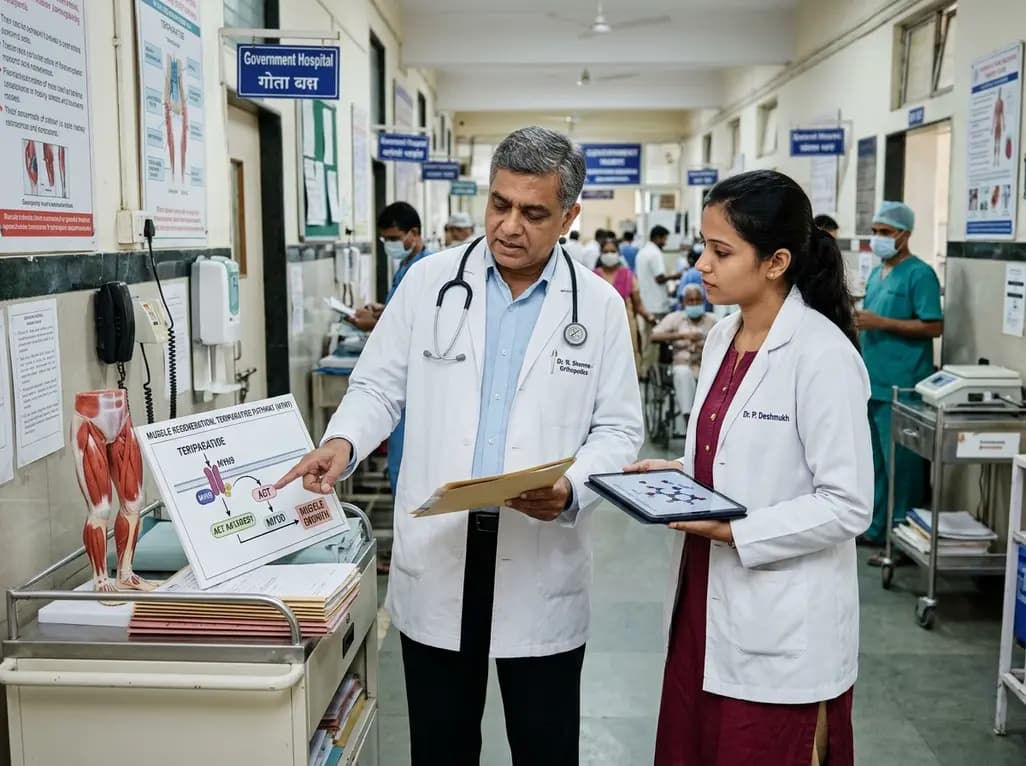
A breakthrough study reveals that teriparatide alleviates sarcopenia by binding MYH9 rather than PTH1R, activating an AKT/CREB1 axis to promote MYOD transcription and muscle regeneration. This discovery offers a promising biological rationale for repurposing bone anabolic therapies to combat age-related muscle loss.
Today

Researchers have engineered a resilient LC-PAM hydrogel that resolves the trade-off between toughness and elasticity. Incorporating lignin and cellulose nanoparticles alongside selenium, this biomaterial offers durable adhesion and antibacterial activity for complex infected and diabetic wound care.
Today
