.webp&w=384&q=75)

Loading, please wait...
Loading, please wait...

Researchers have recently introduced a significant advancement in ROS-responsive anticancer therapy by developing an amphiphilic block prodrug copolymer (PCC). This innovative system specifically targets the delicate intracellular redox balance that tumor cells depend on for survival and progression. The study, led by Feng C et al., describes a sophisticated platform that co-delivers two potent natural agents: curcumin (Cur) and cinnamaldehyde (CA).
The PCC nanoparticles operate using a reactive oxygen species (ROS)-cleavable thioketal monomer. When these particles enter the high-ROS environment typically found in tumor cells, they release their therapeutic cargo rapidly and continuously. Consequently, the combination of Cur and CA triggers a powerful positive feedback loop. This loop induces calcium ion overload and significantly reduces mitochondrial membrane potential. This process ultimately leads to programmed cell death or apoptosis. Moreover, this intelligent approach bypasses the poor solubility and rapid clearance issues that usually limit the clinical use of these natural compounds.
The synergy between cinnamaldehyde and curcumin serves as the cornerstone of this delivery platform. Notably, the PCC nanoparticles achieved a half-inhibitory concentration (IC50) of 13.93 μM in 4T1 tumor cells. In contrast, free curcumin and cinnamaldehyde required much higher concentrations of 21.66 μM and 193.06 μM, respectively, to achieve similar results. Furthermore, in vivo experiments confirmed that the nanoparticles utilize the enhanced permeability and retention (EPR) effect. This allowed them to accumulate effectively at tumor sites, resulting in an impressive tumor inhibition rate of up to 86%.
This intelligent delivery platform represents a promising shift in oncology and pharmaceutical sciences. By leveraging the specific biochemical microenvironment of tumors, clinicians may soon utilize natural pro-oxidant drugs more effectively. Furthermore, the ability to minimize systemic toxicity while maximizing therapeutic impact offers a vital tool for future cancer management strategies. This work establishes a robust foundation for the development of next-generation stimuli-responsive nanomedicines.
These systems ensure that the drug is primarily released in environments with high oxidative stress, such as inside tumor cells. This targeted release reduces damage to healthy tissues and improves the overall therapeutic index of the treatment.
Both are natural pro-oxidants known for their relatively low systemic toxicity. When combined within this nanoparticle platform, they work synergistically to disrupt mitochondrial function and amplify oxidative stress specifically within cancer cells.
Disclaimer: This content is for informational and educational purposes only. It is not intended as medical advice or to replace the professional judgment of a healthcare provider. Refer to the latest local and national guidelines for clinical practice.
References
Feng C et al. ROS-Responsive Polyprodrug Co-Delivery of Curcumin and Cinnamaldehyde to Disrupt Tumor Redox Homeostasis for Anticancer Therapy. ACS Appl Mater Interfaces. 2026 May 06. doi: 10.1021/acsami.6c00387. PMID: 42090188.
Kasi PD et al. Role of Curcumin in Cancer Therapy: Curcumin in Cancer: An Overview of Molecular Mechanisms and Clinical Applications. MDPI. 2023.
Nihal M et al. Anticancer Potential and Molecular Mechanisms of Cinnamaldehyde and Its Congeners. MDPI Pharmaceutics. 2023.

Read summarized clinical updates, watch expert medical content, and earn CME certifications right from your smartphone.
Open your smartphone camera to scan and install.





A new ROS-responsive nanoparticle delivery system for curcumin and cinnamaldehyde shows 86% tumor inhibition by disrupting mitochondrial redox balance....
5 months ago
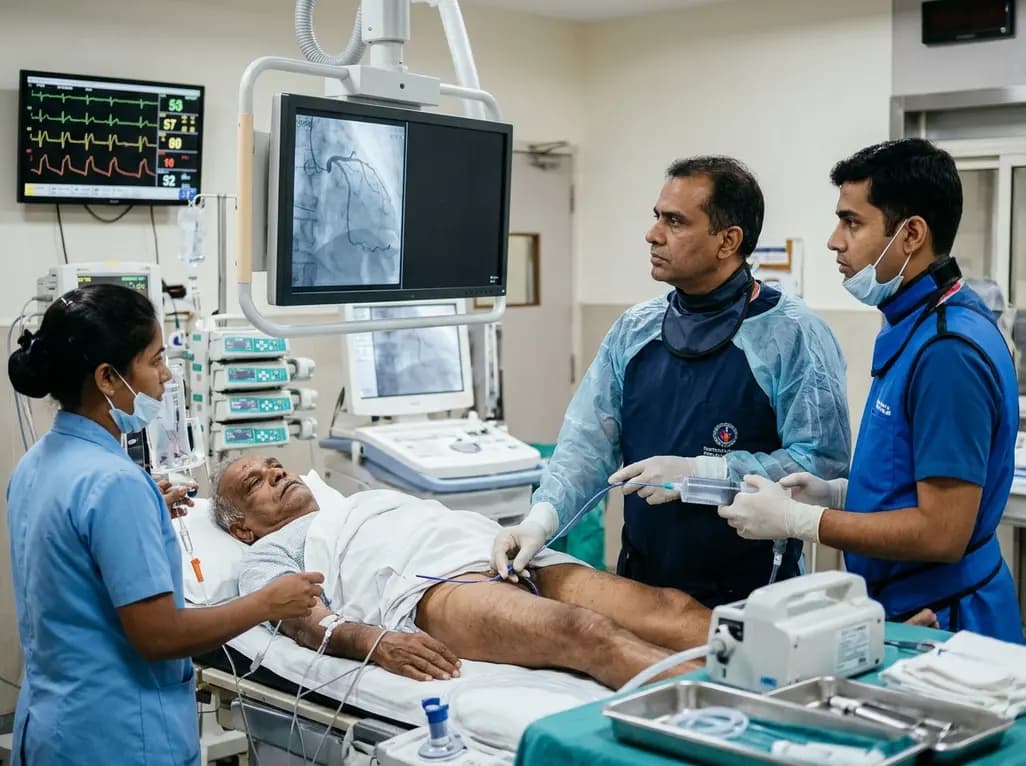
An elderly man with partially repaired Tetralogy of Fallot presented with STEMI caused by coronary embolism rather than atherosclerosis. Successful treatment with sustained mechanical aspiration thrombectomy underscores the vital need for high clinical vigilance in adult congenital heart disease.
Today

Demanding exhaustive hormonal profiling can inadvertently discourage clinical studies involving females. Methodological standards must align with the specific scientific question to expand, not restrict, equitable evidence for women.
Today

A recent study demonstrates that spinal oxygen sensors do not require mitochondrial electron transport to trigger sympathetic excitation during acute hypoxia, revealing new insights into how mitochondrial oxidative stress modulates autonomic tone in cardiovascular and neurological diseases.
Today
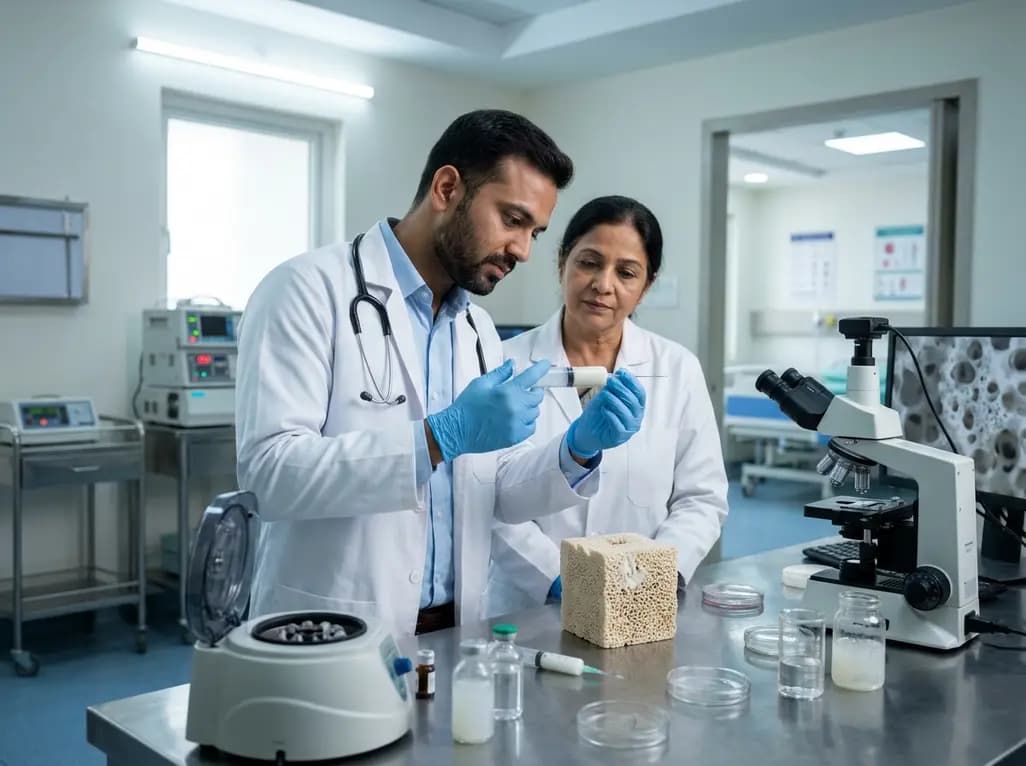
A novel calcium polyphosphate coacervate enables injectable bone implants with in situ hierarchical porosity via phase separation and gas foaming, significantly enhancing cell proliferation, energy metabolism, and osteogenic differentiation for minimally invasive bone defect repair.
Today

Following regulatory scrutiny from FSSAI regarding promotional representations and lean muscle preservation claims, Dr. Reddy's Laboratories and Nestlé Health Science are currently reviewing the branding and marketing strategy for their joint nutritional supplement Celevida GLP+.
Today
