.webp&w=384&q=75)

Loading, please wait...
Loading, please wait...

The Earth BioGenome Project (EBP) aims to sequence the genomes of all eukaryotic species on Earth. However, traditional field collection often relies on complex cold chains. Researchers must usually transport specimens using dry ice or specialized shippers to prevent DNA degradation. These methods are frequently expensive and logistically difficult, especially in remote regions. Consequently, finding reliable methods for room temperature mosquito preservation has become a priority for scientists seeking to scale up genomic research worldwide.
A recent study explored how various preservation liquids protect high molecular weight (HMW) DNA and RNA. Specifically, researchers tested Anopheles mosquitoes to evaluate the effectiveness of these solutions when stored at room temperature for one week. The team compared intact specimens against those that were slightly squished to allow better preservative penetration. Their findings offer a transformative approach to field-based entomological research.
The study highlights that the physical preparation of the specimen is just as important as the chemical buffer used. Specifically, squished samples stored in 100% ethanol or Allprotect Tissue Reagent yielded excellent results. These specimens maintained HMW DNA and nuclei suitable for Hi-C, which is essential for assembling high-quality chromosomal-level genomes. In contrast, while buffers like RNAlater and DMSO Salt Solution (DESS) performed well for RNA and long-read data, they were less effective for Hi-C applications.
This development is particularly relevant for public health in India. Institutions like the Tata Institute for Genetics and Society (TIGS) are already working to establish high-quality reference genomes for local vectors like Anopheles stephensi. By eliminating the need for ultra-cold storage, researchers can collect diverse samples from across the country more efficiently. Therefore, these simplified protocols could significantly accelerate the development of targeted vector control strategies and insecticide resistance monitoring.
Furthermore, using 100% ethanol is a highly cost-effective solution for large-scale field operations. Because ethanol is widely available, researchers can deploy collection kits to areas with minimal infrastructure. This shift ensures that high-quality genomic data is no longer limited by the accessibility of dry ice. Ultimately, these advancements democratize genomic research, allowing for more comprehensive mapping of the biodiversity found in tropical and subtropical ecosystems.
Squishing the mosquito allows the preservative liquid to penetrate the insect's cuticle more effectively. This rapid penetration protects the internal high molecular weight DNA from degrading before the buffer can reach the tissues.
For high-quality Hi-C data, which is required for chromosomal assembly, 100% ethanol and Allprotect Tissue Reagent are the most effective options for room temperature storage.
It allows for cheaper and easier collection of mosquito samples from various ecological zones. Consequently, it supports the creation of precise reference genomes that help in understanding insecticide resistance and disease transmission dynamics.
Disclaimer: This content is for informational and educational purposes only. It is not intended to provide medical advice or to be a substitute for professional clinical judgment. Refer to the latest local and national guidelines for clinical practice.
References
Teltscher F et al. Breaking the cold chain: solutions for room temperature preservation of mosquitoes leading to high quality reference genomes. Gigascience. 2026 May 22. doi: undefined. PMID: 42172053.
Tata Institute for Genetics and Society (TIGS). Genomic resources for vector management – An Indian perspective. 2026.
Makunin AI et al. A chromosomal reference genome sequence for the malaria mosquito, Anopheles nili, Theobald, 1904. Wellcome Open Res. 2024;9:161.

Read summarized clinical updates, watch expert medical content, and earn CME certifications right from your smartphone.
Open your smartphone camera to scan and install.





New research identifies room temperature preservation methods for mosquitoes, using ethanol or Allprotect to maintain high-quality DNA for genomic studies....
5 months ago
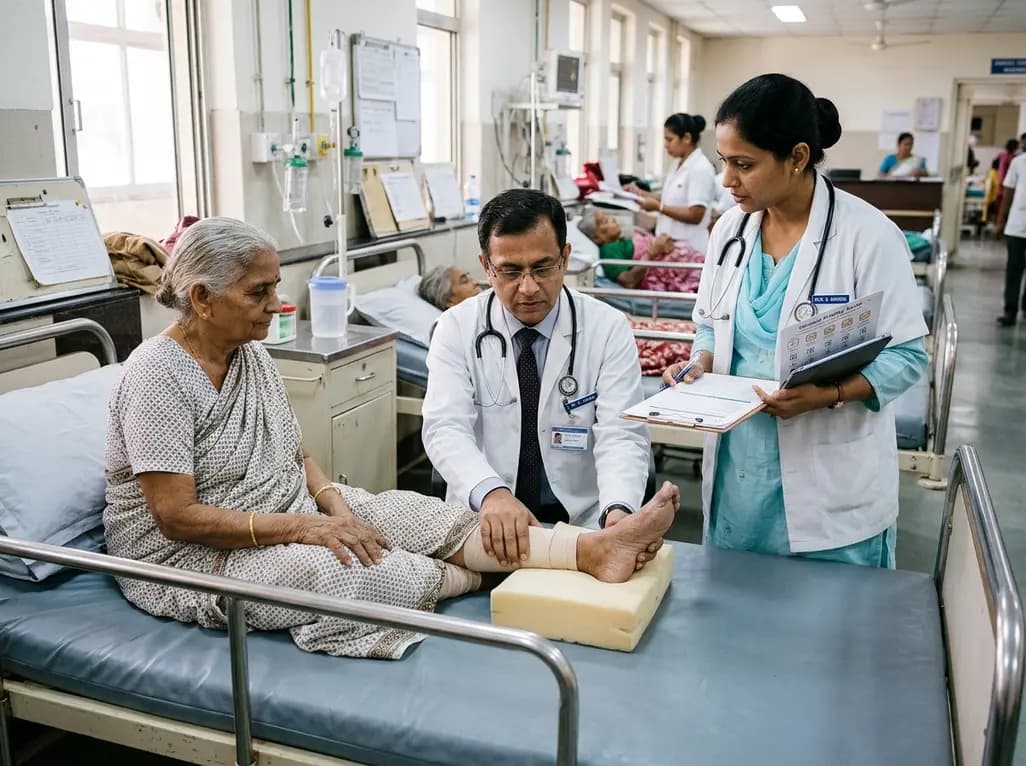
A retrospective cohort study reveals that frailty quadruples the odds of pressure injuries in hospitalized older adults. Integrating the Clinical Frailty Scale with comprehensive geriatric care is crucial for identifying vulnerability early and implementing targeted multidisciplinary prevention.
Today

Occult maternal malignancy accounts for 3.82% of persistent unreportable NIPT results with genomic noise. Multiple chromosomal aberrations, notably on chromosome 18, warrant thorough oncological evaluation and whole-body MRI to ensure timely maternal diagnosis while preserving fetal care.
Today

This article reviews the forensic and clinical complexities of acute myocarditis arising on left ventricular hypertrophy in children, highlighting early diagnostic red flags and multidisciplinary postmortem autopsy protocols.
Today
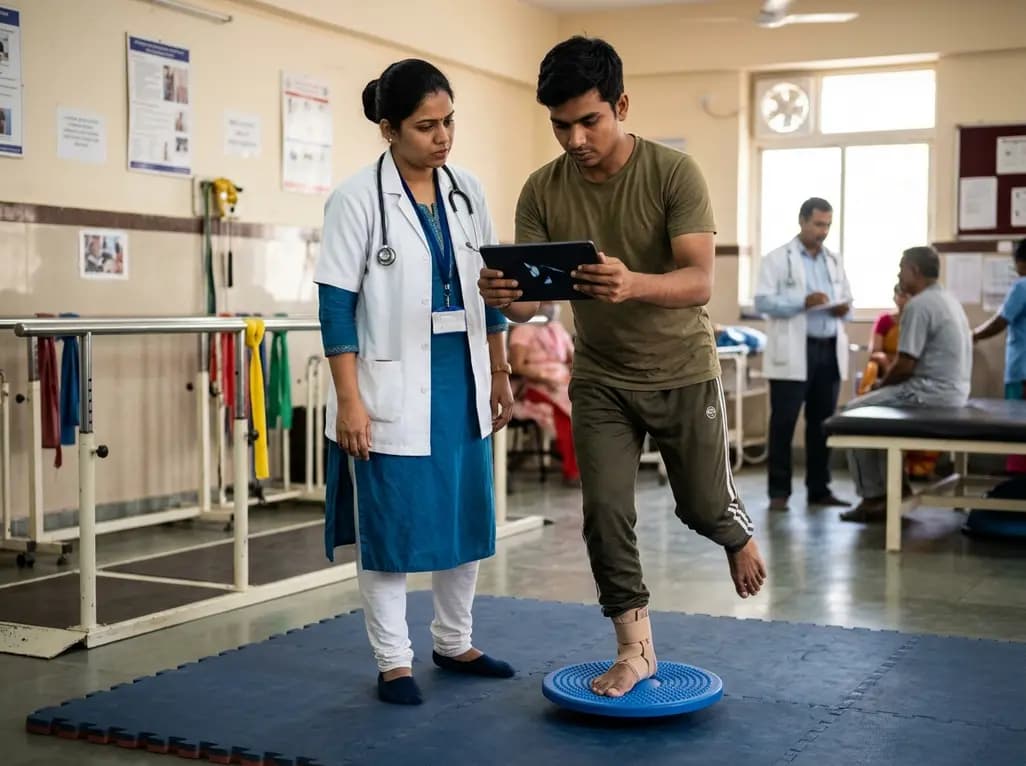
A randomized controlled trial demonstrates that an eight-week dual-task training intervention significantly improves static and dynamic postural control over standard balance exercises in individuals with chronic ankle instability, addressing critical neurocognitive deficits during athletic and daily activities.
Today

A retrospective cohort study of 7,716 ICU patients from the MIMIC-IV database demonstrates that Gradient Boosting Decision Trees significantly outperform traditional SOFA scores in predicting in-hospital mortality among patients with sepsis and diabetes, with SHAP analysis providing clinical interpretability.
Today
