.webp&w=384&q=75)

Loading, please wait...
Loading, please wait...

The Robson classification system helps clinicians evaluate and compare Cesarean section (CS) rates across different healthcare settings accurately. A recent analytical study at a public tertiary care hospital revealed a significant increase in CS rates from 31.1% in 2019 to 41.1% by early 2023. Researchers utilized the Robson Ten Group Classification System (RTGCS) to identify which obstetric populations contributed most to this rise. Consequently, the study identified Groups 2, 5, and 10 as the primary drivers of the overall surgical increase. Notably, Group 4 was the only category to show a statistically significant decline during the observation phases.
High CS rates are a growing concern across South Asia, including India. However, simple overall rates often fail to reveal the specific clinical reasons for these trends. By using the RTGCS, hospitals can categorize every delivery into ten mutually exclusive groups based on parity, presentation, and labor onset. Specifically, Group 5—comprising women with a previous uterine scar—often represents the largest absolute contributor to hospital rates. Furthermore, high rates in Group 2, which includes nulliparous term inductions, suggest that primary CS prevention remains a critical area for clinical improvement.
Implementing the Robson classification system provides a clear roadmap for facility-level clinical audits. For instance, it allows departments to compare their specific performance metrics with national and international standards effortlessly. Additionally, it highlights areas where evidence-based interventions, such as trial of labor after cesarean (TOLAC), might be underutilized. Therefore, this system serves as an "eye-opener" for administrators and senior obstetricians. It promotes accountability and encourages the adoption of labor management protocols that optimize maternal and neonatal health.
The transition to standardized reporting is essential for modern obstetric practice and policy making. By focusing on high-contribution groups, clinicians can implement targeted strategies to reduce unnecessary surgical interventions. Ultimately, the use of this system ensures that hospitals allocate resources effectively while maintaining the highest safety standards for both mother and child.
The system provides a standardized, prospective method to categorize every delivery. This allows clinicians to identify specific patient groups that contribute most to high Cesarean section rates, facilitating targeted clinical audits and quality improvements.
In many tertiary hospitals, Group 5 (multiparous women with a previous CS) and Group 2 (nulliparous term women who are induced) are the largest contributors. Monitoring these groups helps hospitals implement strategies to optimize surgical rates.
Disclaimer: This content is for informational and educational purposes only. It is not intended to be a substitute for professional medical advice, diagnosis, or treatment. Always seek the advice of your physician or other qualified health provider with any questions you may have regarding a medical condition. Refer to the latest local and national guidelines for clinical practice.
References
Bilqis H et al. Implementing Robson's classification to compare Cesarean section rates over time at a public tertiary care hospital in Pakistan: An eye-opener. Int J Gynaecol Obstet. 2026 May 23. doi: 10.1002/ijgo.71076. PMID: 42175756.
World Health Organization. Robson Classification: Implementation Manual. Geneva: World Health Organization; 2017.
National Family Health Survey (NFHS-5), 2019-21. India: International Institute for Population Sciences; 2021.

Read summarized clinical updates, watch expert medical content, and earn CME certifications right from your smartphone.
Open your smartphone camera to scan and install.





This study highlights how the Robson classification system identifies high-contribution groups for Cesarean sections, aiding targeted clinical interventions...
5 months ago
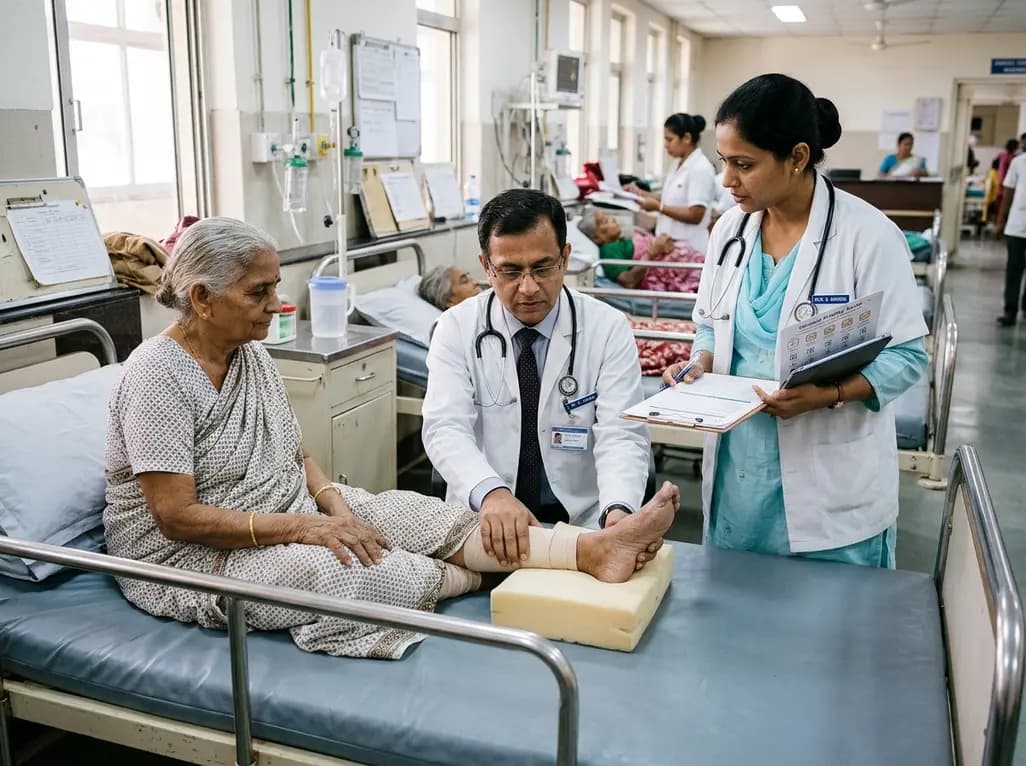
A retrospective cohort study reveals that frailty quadruples the odds of pressure injuries in hospitalized older adults. Integrating the Clinical Frailty Scale with comprehensive geriatric care is crucial for identifying vulnerability early and implementing targeted multidisciplinary prevention.
Today
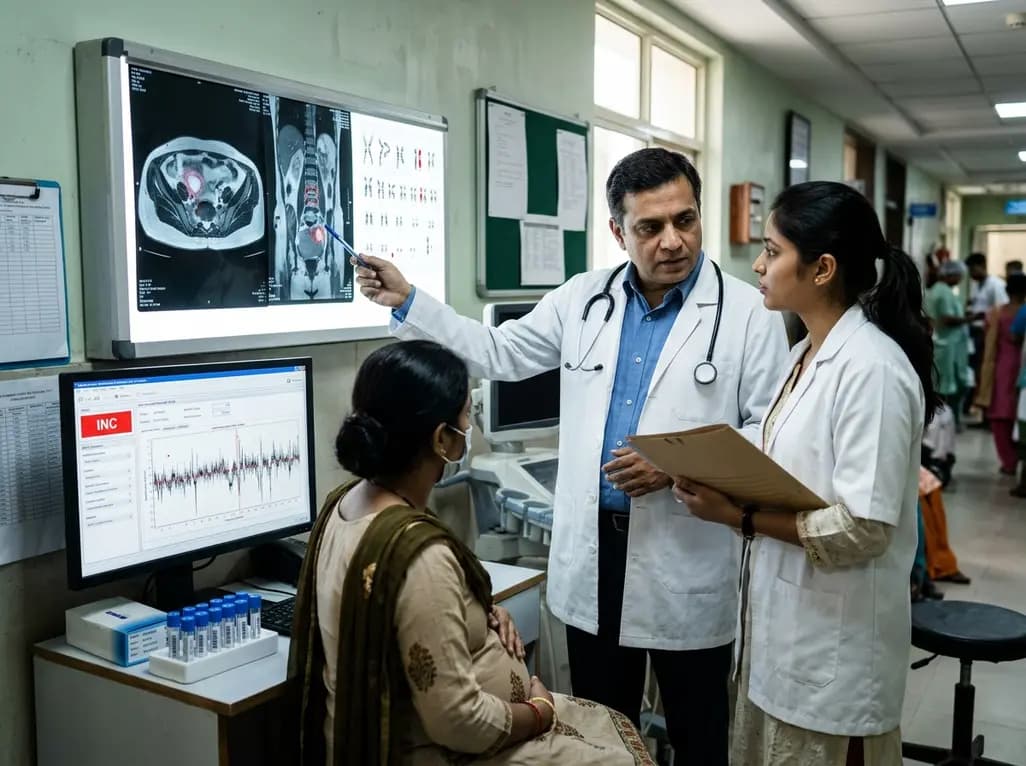
Occult maternal malignancy accounts for 3.82% of persistent unreportable NIPT results with genomic noise. Multiple chromosomal aberrations, notably on chromosome 18, warrant thorough oncological evaluation and whole-body MRI to ensure timely maternal diagnosis while preserving fetal care.
Today

This article reviews the forensic and clinical complexities of acute myocarditis arising on left ventricular hypertrophy in children, highlighting early diagnostic red flags and multidisciplinary postmortem autopsy protocols.
Today
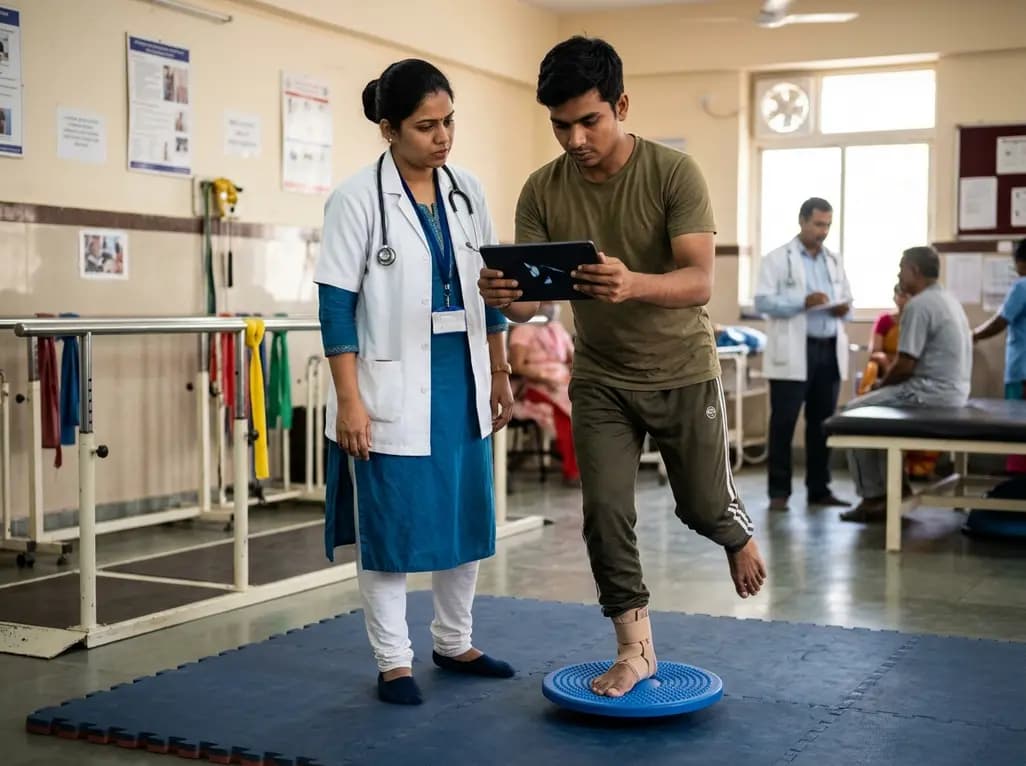
A randomized controlled trial demonstrates that an eight-week dual-task training intervention significantly improves static and dynamic postural control over standard balance exercises in individuals with chronic ankle instability, addressing critical neurocognitive deficits during athletic and daily activities.
Today

A retrospective cohort study of 7,716 ICU patients from the MIMIC-IV database demonstrates that Gradient Boosting Decision Trees significantly outperform traditional SOFA scores in predicting in-hospital mortality among patients with sepsis and diabetes, with SHAP analysis providing clinical interpretability.
Today
