.webp&w=384&q=75)

Loading, please wait...
Loading, please wait...

Maintaining independence often depends on the ability to transition from sitting to standing. Many older adults struggle with this task because it requires significant leg strength. Consequently, researchers are developing robotic mobility assistance devices to bridge the gap between muscle weakness and functional movement. These devices use actuated handles to guide the user's upper body, effectively reducing the burden on the lower limbs.
A recent study evaluated how different handle movement paths, or trajectories, affect biomechanical loading. Researchers designed four scalable trajectories based on natural shoulder movements. These paths provide active support during the most strenuous phases of standing and sitting. Furthermore, the study compared these moving handles to static ones found on conventional rollators. The findings suggest that the specific path of the handle significantly influences how much help the user actually receives.
The results of the experimental evaluation are striking. Using the best-performing trajectories, the system reduced the peak hip extension moment by over 70%. Additionally, the peak knee extension moment dropped by more than 50% during both standing and sitting. These improvements directly correlate with the user\'s perceived level of assistance. However, this relief comes with a trade-off. The upper body must handle vertical forces reaching up to 60% of the person's body weight. Therefore, while the legs are spared, the arms and shoulders experience increased demand.
This technology offers a promising foundation for future assistive devices. Specifically, these trajectories can be scaled to fit an individual's unique body measurements. Such customization ensures that the robotic mobility assistance remains effective for various heights and weights. While the current study focused on younger adults, the data provides a roadmap for testing with the target elderly population. Ultimately, these advancements could significantly improve the quality of life for those with limited mobility.
The device uses moving handles that follow a physiological path. This movement transfers the mechanical load from the hip and knee joints to the handles, allowing the upper body to provide the necessary lift.
Users need sufficient upper body strength to manage the increased vertical handle forces. Since the handles can carry up to 60% of the user's body weight, arm and shoulder stability are essential for safe operation.
Yes, the proposed trajectories are parameterized and scalable. This allows the robotic system to adjust the handle movement based on the person\'s anthropometry and specific mobility needs.
References
Ackermann M et al. Active robotic assistance for standing and sitting: experimental evaluation of handle trajectories. J Neuroeng Rehabil. 2026 Feb 05. doi: 10.1186/s12984-025-01849-9. PMID: 41645211.
Alkjær T et al. Biomechanical analysis of rollator walking. Biomed Eng Online. 2012; 11: 60. doi: 10.1186/1475-925X-11-60.
Martins M et al. Assistive robotic devices for elderly mobility. Journal of Rehabilitation Research. 2022; 59(4): 432-445.
"
Read summarized clinical updates, watch expert medical content, and earn CME certifications right from your smartphone.
Open your smartphone camera to scan and install.





The Evolution of Robotic Mobility AssistanceMaintaining independence often depends on the ability to transition from sitting to standing. Many older adults ...
8 months ago
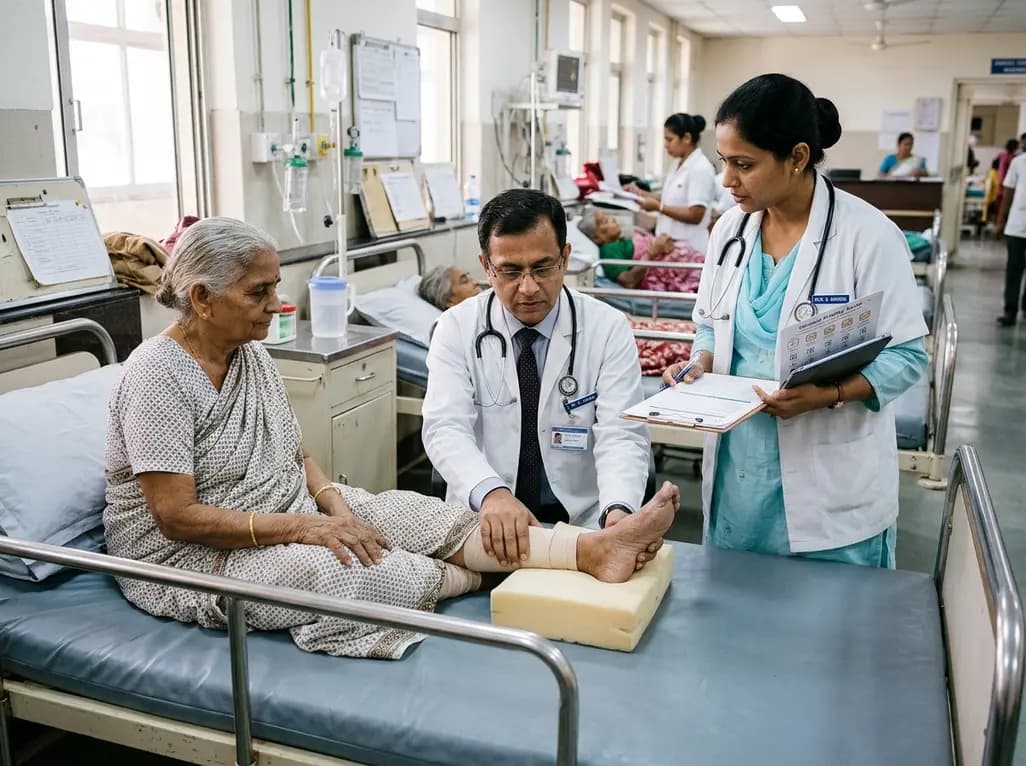
A retrospective cohort study reveals that frailty quadruples the odds of pressure injuries in hospitalized older adults. Integrating the Clinical Frailty Scale with comprehensive geriatric care is crucial for identifying vulnerability early and implementing targeted multidisciplinary prevention.
Today
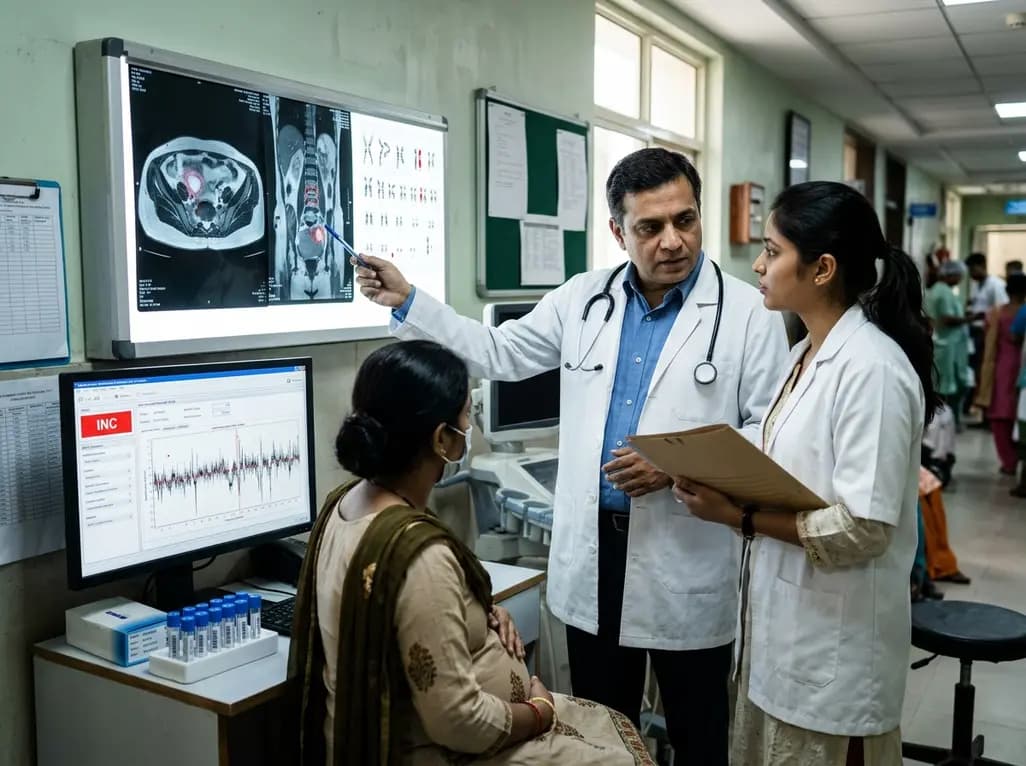
Occult maternal malignancy accounts for 3.82% of persistent unreportable NIPT results with genomic noise. Multiple chromosomal aberrations, notably on chromosome 18, warrant thorough oncological evaluation and whole-body MRI to ensure timely maternal diagnosis while preserving fetal care.
Today

This article reviews the forensic and clinical complexities of acute myocarditis arising on left ventricular hypertrophy in children, highlighting early diagnostic red flags and multidisciplinary postmortem autopsy protocols.
Today

A randomized controlled trial demonstrates that an eight-week dual-task training intervention significantly improves static and dynamic postural control over standard balance exercises in individuals with chronic ankle instability, addressing critical neurocognitive deficits during athletic and daily activities.
Today

A retrospective cohort study of 7,716 ICU patients from the MIMIC-IV database demonstrates that Gradient Boosting Decision Trees significantly outperform traditional SOFA scores in predicting in-hospital mortality among patients with sepsis and diabetes, with SHAP analysis providing clinical interpretability.
Today
