.webp&w=384&q=75)

Loading, please wait...
Loading, please wait...
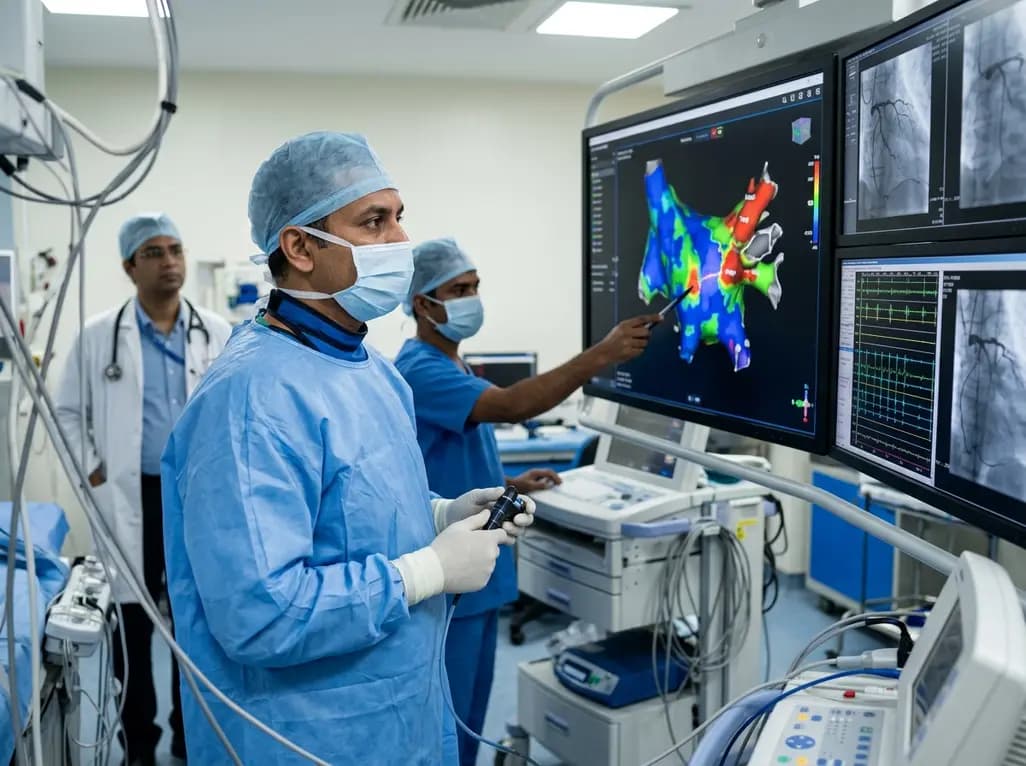
Clinicians treating atrial fibrillation often encounter anatomical variations. The right middle pulmonary vein (RMPV) is one such variation. Understanding its traits is vital for successful RMPV ablation in AF. Typically, the RMPV arises as an inferiorly directed branch of the right superior pulmonary vein (RSPV). RMPV potentials predominantly originate from the RSPV, making standard isolation effective for many. Researchers recently analyzed 118 patients to map these electrophysiological characteristics. Their findings highlight the importance of precise targeting during isolation procedures.
The RMPV usually presents as a branch within one centimeter of the RSPV ostium. In most cases, standard circumferential pulmonary vein isolation (CPVI) effectively silences these potentials. Specifically, 83.9% of patients saw concurrent elimination of RSPV and RMPV signals. However, anatomy varies significantly between individuals. Therefore, electrophysiologists must assess each patient's unique pulmonary vein structure carefully. Furthermore, pre-procedural cardiac CTA provides essential details about ostial diameter and ovality.
For a specific subset of patients, standard CPVI does not achieve complete isolation. Approximately 16% of patients retain active RMPV potentials after initial ablation. Consequently, RMPV ablation in AF often requires additional carina targeting. This supplementary step ensures the elimination of all arrhythmogenic triggers. Notably, researchers identified AF triggers originating directly from the RMPV in only 2.5% of patients. Nevertheless, achieving electrical silence is crucial for preventing arrhythmia recurrence. Long-term follow-up shows that most patients remain free from tachyarrhythmia after these tailored interventions.
The RMPV is an inferiorly directed branch that arises from the proximal segment of the right superior pulmonary vein (RSPV), usually within 1 cm of the ostium.
Carina ablation is necessary when RMPV potentials persist after standard circumferential pulmonary vein isolation. This occurs in approximately 16% of cases where the RMPV is present.
No, the RMPV is a relatively uncommon trigger site. Studies suggest AF triggers originate from the RMPV in only about 2.5% of patients with this anatomical variation.
Disclaimer: This content is for informational and educational purposes only. It does not constitute medical advice or a substitute for professional healthcare. Refer to the latest local and national guidelines for clinical practice.
References

Read summarized clinical updates, watch expert medical content, and earn CME certifications right from your smartphone.
Open your smartphone camera to scan and install.





Study on RMPV electrophysiology shows that while most potentials vanish with CPVI, some require additional carina ablation to achieve complete isolation....
4 months ago

Explore vital recurrent stroke predictors in lacunar stroke patients managed with intensive blood pressure lowering. This analysis examines trial findings from SPS3 to uncover residual vascular risks, metabolic factors, and targeted secondary prevention strategies for high-risk neurological patients.
Today
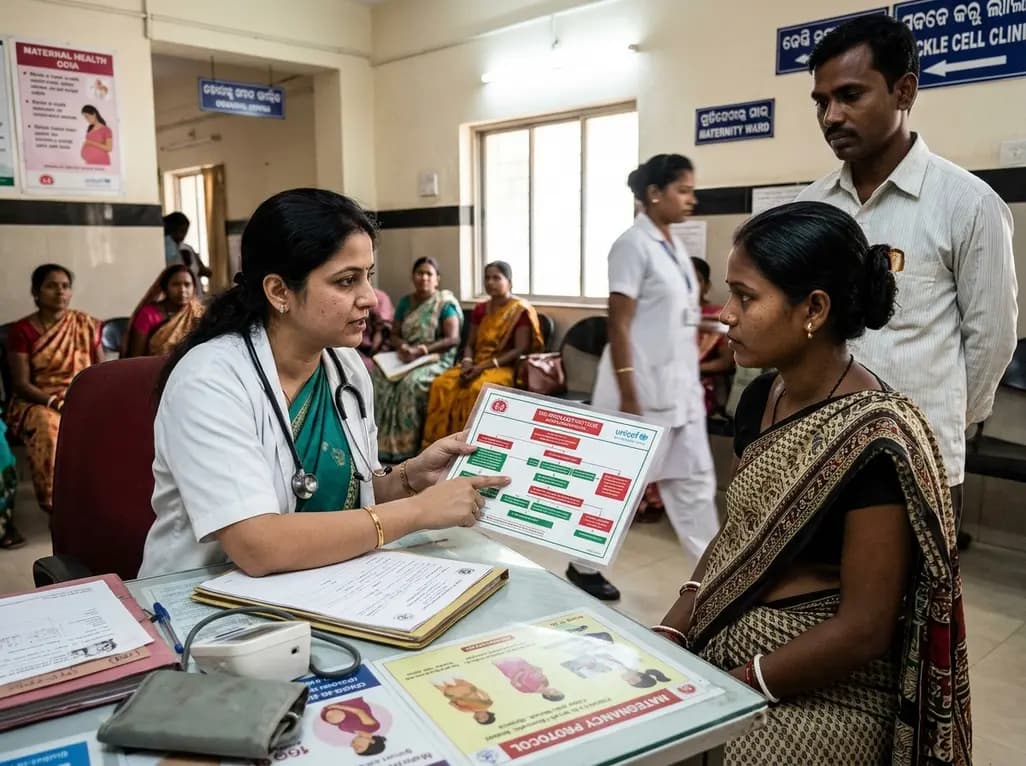
Odisha has established India's first state-level clinical protocol specifically tailored for pregnant women with sickle cell disease. Developed with NHM and UNICEF, the framework provides structured antenatal screening, crisis mitigation, standardized referral pathways, and specialized interdisciplinary care.
Today
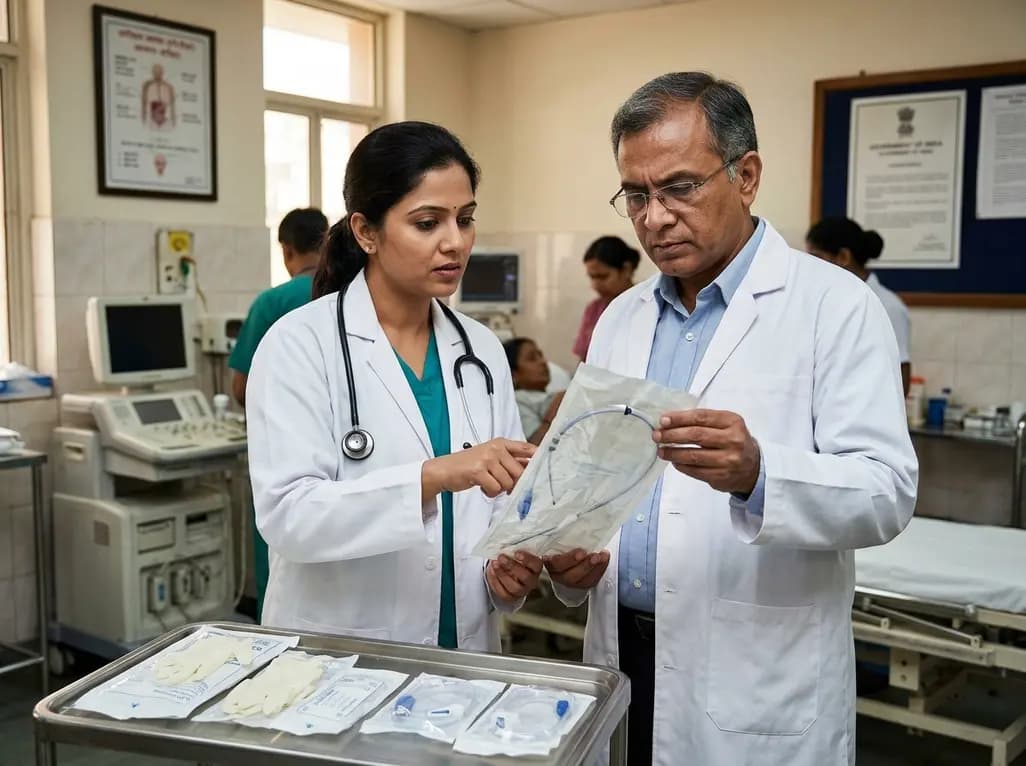
The Directorate General of Health Services directs Indian states to halt the hazardous reuse and reprocessing of single-use medical devices. Discover regulatory implications under the Drugs and Cosmetics Act, critical infection risks, legal liabilities, and operational changes required across clinical specialties.
Today

Mitochondria-targeted nanoparticles self-assembled from EGCG and L-glutamic acid effectively restore mitochondrial homeostasis, suppress synovial inflammation, and attenuate chondrocyte senescence in osteoarthritis, offering a promising disease-modifying nanotherapy.
Today

India is advancing preventive healthcare by integrating genomics, artificial intelligence, and quantum technologies. With the SANGAM programme sequencing one million Indian genomes, clinicians can unlock personalized therapies, detect cardiometabolic risks early, and curb the burden of diabetes and heart disease.
Today
