.webp&w=384&q=75)

Loading, please wait...
Loading, please wait...
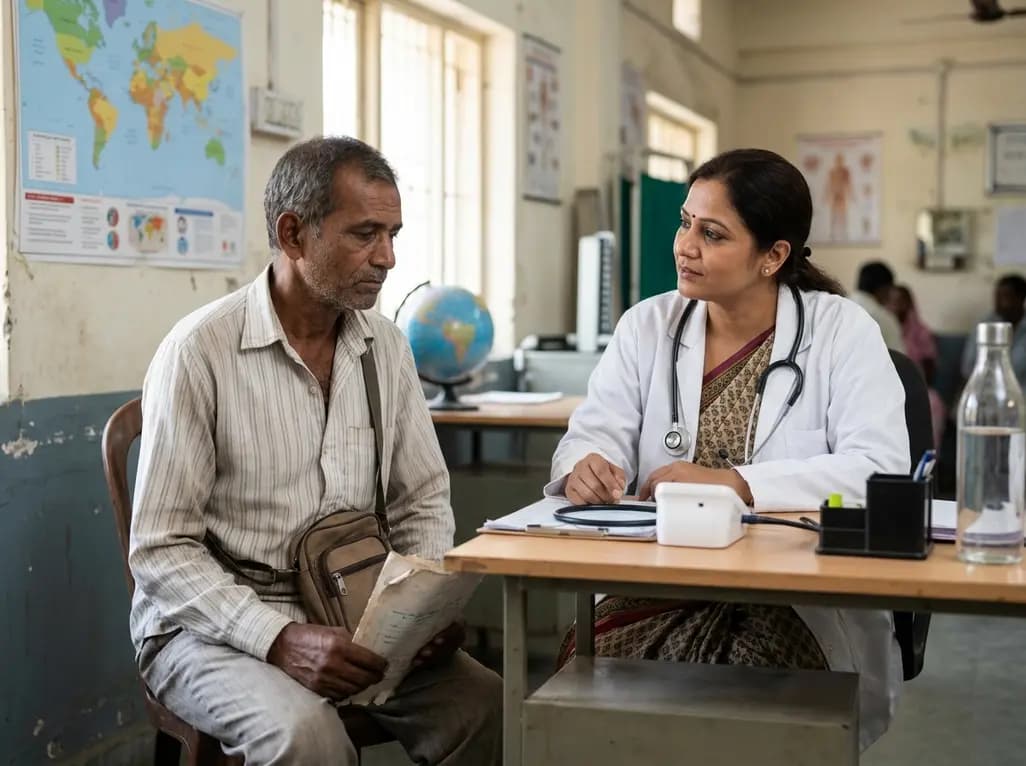
Return migrant health challenges often remain invisible in clinical practice, yet they profoundly affect the long-term well-being of individuals returning from precarious conditions. Whether returning to Sub-Saharan Africa or the Indian subcontinent, these individuals frequently arrive with complex physical and psychological burdens. Recent research highlights that return migration is not merely a geographic relocation but a transition often marked by trauma, social exclusion, and significant gaps in medical care.
Clinicians must recognize that the migration journey itself is a major determinant of health. Many migrants experience varying levels of physical violence, occupational hazards, and mental harm during transit or at their destination. Consequently, they may present with chronic pain, respiratory issues, or poorly managed non-communicable diseases. Furthermore, the psychological impact is often profound, with high rates of depression, anxiety, and post-traumatic stress disorder (PTSD) reported among those returning from high-stress environments.
In addition to physical symptoms, social factors play a critical role in reintegration. Many returnees face intense social isolation and stigma upon their return. They may be perceived as "failures" if they return without significant financial gains, which further exacerbates mental distress. Therefore, a comprehensive clinical assessment should include a detailed migration history to identify these underlying psychosocial stressors.
Despite their high needs, return migrants often struggle to navigate healthcare systems. In many regions, including India and parts of Sub-Saharan Africa, barriers such as a lack of valid identification (like Aadhaar cards or local registration), high costs of private care, and discrimination within facilities prevent timely intervention. Additionally, many returnees are unaware of the services available to them or fear being marginalized if they seek help for mental health conditions. Health providers can bridge this gap by offering culturally sensitive care and advocating for inclusive health policies.
Return migrants frequently experience depression, PTSD, and severe anxiety, often driven by experiences of violence during transit, economic failure, and social stigma upon their return.
Major barriers include lack of documentation, financial constraints, limited awareness of available services, and the stigma associated with returning from abroad without perceived success.
Doctors should perform thorough psychosocial screenings, ask about the patient's migration history, and provide guidance on navigating local healthcare and social support systems.
Disclaimer: This content is for informational and educational purposes only. It does not constitute medical advice or establish a doctor-patient relationship. Refer to the latest local and national guidelines for clinical practice.
References
Vange SS et al. Returned but Not Restored: Experiences of Health and Access to Care Among Return Migrants in Sub-Saharan Africa-A Scoping Review. Trop Med Int Health. 2026 Jun 11. doi: 10.1111/tmi.70180. PMID: 42277558.
Banerjee S. Quality of life, stress, occupation status of immigrants: predictors of psychological health condition among the gulf return migrants in India. Int J Community Med Public Health. 2022;9(12):4500-4506.
World Health Organization. Refugee and migrant mental health. Published September 2025.
"
Read summarized clinical updates, watch expert medical content, and earn CME certifications right from your smartphone.
Open your smartphone camera to scan and install.





Return migrants in Sub-Saharan Africa and beyond face immense physical and mental health challenges. This review highlights the critical need for targeted interventions to address stigma and healthcare access barriers, providing essential insights for general practitioners and family medicine specialists.
4 months ago

Novel diimide and hydrazone scaffolds, particularly compound #C4, synergistically reactivate latent HIV-1 when combined with JQ1 or PKC activators. Demonstrating donor-matched proviral transcription ex vivo and non-canonical signaling, these findings advance shock and kill strategies toward reservoir eradication.
Today
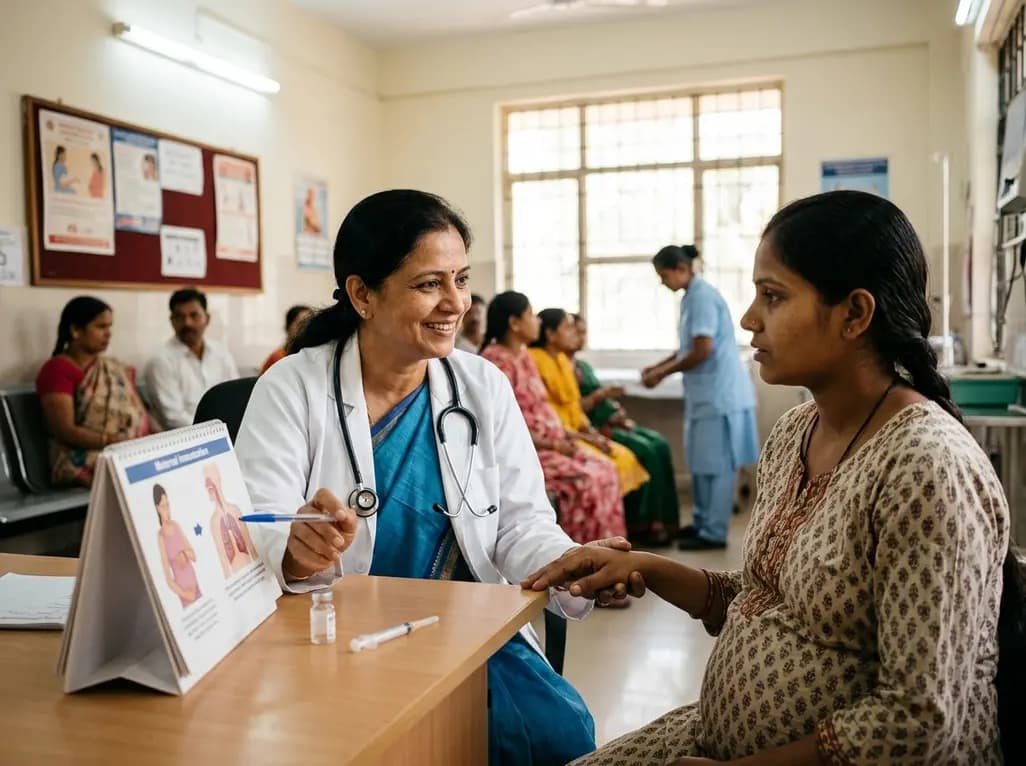
A cross-sectional study reveals that maternal RSV vaccination coverage reached only 43.7% in Argentina, with maternal vaccine knowledge being the sole independent predictor of uptake. Clinicians play a crucial role in eliminating informational and structural barriers to optimize infant health.
Today

Review how tailored exercise programs benefit frail older patients with heart failure. Explore pathophysiological mechanisms, individualized training prescriptions, and strategies to overcome adherence barriers in clinical practice.
Yesterday

This comparative study evaluates posterior labral tears with and without glenohumeral instability, highlighting distinct demographic patterns, MRI underestimation in stable shoulders, and successful arthroscopic repair outcomes.
Yesterday

A clinical study demonstrates that early intervention with tocilizumab, either as monotherapy or bridged with corticosteroids, achieves significant proptosis reduction and resolves active inflammation in treatment-naive thyroid eye disease.
Yesterday
