

Loading, please wait...
Loading, please wait...

Primary retroperitoneal sarcomas present unique technical challenges for surgical oncologists worldwide. Achieving successful retroperitoneal sarcoma resection demands specialized expertise because these rare mesenchymal malignancies develop silently within deep retroperitoneal spaces. A comprehensive nine-year retrospective study from a specialized oncology center evaluated long-term outcomes in 73 adult patients undergoing curative-intent surgery. The cohort demonstrated a median age of 61 years, and female patients represented 63.0% of cases. Over a median follow-up of 24.9 months, the researchers documented an estimated five-year overall survival rate of 56%. Additionally, the five-year relapse-free survival reached 50.7%, highlighting substantial oncological burdens. Therefore, surgical oncologists must carefully assess tumor biology and patient reserve before undertaking major operative procedures. Furthermore, tertiary referral centers with dedicated multidisciplinary sarcoma boards consistently achieve superior surgical clearance and improved perioperative outcomes. These initial clinical findings underscore the importance of standardized treatment pathways across global cancer institutions. Consequently, surgical teams must continually refine preoperative planning to optimize curative outcomes and minimize unnecessary surgical morbidity. Given the prolonged natural history of lipomatous neoplasms, ongoing clinical surveillance provides vital prognostic clarification.
Histological subtype remains one of the strongest determinants of patient outcomes in retroperitoneal soft tissue oncology. In this cohort, liposarcoma emerged as the predominant diagnosis, accounting for 74.0% of all surgically treated cases. Specifically, dedifferentiated liposarcoma occurred in 38.4% of patients, whereas well-differentiated liposarcoma appeared in 35.6%. Multivariable Cox proportional hazards regression revealed that non-well-differentiated histology dramatically compromised survival. In fact, patients harboring non-well-differentiated liposarcoma experienced a 7.4-fold increased hazard of death compared to well-differentiated disease. This stark difference reflects the aggressive local invasiveness and elevated metastatic propensity of dedifferentiated cellular components. Moreover, high-grade histologic features frequently correlate with early post-surgical recurrence. Consequently, accurate preoperative tissue acquisition via percutaneous image-guided core needle biopsy represents a critical standard of care. Surgical pathologists must distinguish well-differentiated lipomatous borders from dedifferentiated cellular zones with great vigilance. As a result, multidisciplinary teams can tailor systemic therapies, radiation sequencing, and operative radicality to specific tumor biology. Additionally, molecular testing for MDM2 gene amplification aids in distinguishing atypical lipomatous lesions from benign retroperitoneal lipomas.
Achieving clear macroscopic and microscopic margins often requires multivisceral, compartmental resection. In this reported clinical series, surgeons executed compartmental resection in 50.7% of patients to maximize local control. This radical strategy involves en bloc excision of the retroperitoneal sarcoma alongside contiguous anatomical structures. For instance, the resection frequently incorporates the ipsilateral kidney, colon, psoas fascia, or adrenal gland. However, extensive multivisceral resections carry considerable physiological risks. The authors observed major postoperative complications, classified as Clavien-Dindo grade III or higher, in 30.1% of patients. These serious events encompass anastomotic leaks, secondary hemorrhage requiring intervention, intra-abdominal sepsis, and prolonged organ dysfunction. Therefore, high-volume sarcoma centers must institute robust postoperative monitoring protocols. Additionally, modern surgical teams should balance radical clearance against the potential for life-altering morbidity. International consensus guidelines from the Transatlantic Australasian Retroperitoneal Sarcoma Working Group strongly advise centralizing such challenging surgeries within expert tertiary facilities. Thus, specialized care pathways safeguard patient safety while maximizing therapeutic margins. Furthermore, selective preservation of uninvolved adjacent organs prevents unnecessary functional deficits without compromising microscopic surgical margins.
Intraoperative blood transfusion emerged as another profound independent prognostic factor in this nine-year study. Patients requiring blood transfusions during surgery faced a hazard ratio of 4.56 for overall mortality. Several physiological and immunological mechanisms explain this striking correlation. Primarily, allogeneic transfusion triggers transfusion-related immunomodulation, which suppresses natural killer cell activity and cytotoxic T-cell responses. This transient immunosuppression may enable circulating micrometastatic sarcoma cells to establish viable secondary lesions. Furthermore, high intraoperative blood loss indicates extensive vascular adherence, difficult dissection planes, and larger tumor burden. Consequently, prolonged hemodynamic instability and massive transfusion can exacerbate systemic inflammatory cascades. Surgical teams should therefore prioritize blood conservation strategies throughout the perioperative timeline. Techniques such as meticulous vascular control, autologous cell salvage, and preoperative anemia optimization can mitigate allogeneic transfusion requirements. In addition, anesthesiologists should employ goal-directed hemodynamic therapies during complex retroperitoneal dissections. Ultimately, minimizing blood product exposure preserves host immunological surveillance and enhances long-term survival. Moreover, implementing restrictive transfusion thresholds in surgical intensive care units further minimizes adverse immunological sequelae.
Modern management of retroperitoneal tumors extends beyond technical execution in the operating theater. Implementing evidence-based enhanced recovery protocols significantly improves clinical trajectories in complex oncologic surgery. Specifically, multidisciplinary teams should evaluate baseline cardiopulmonary reserve, renal function, and nutritional status weeks before elective intervention. Correcting preexisting anemia with intravenous iron or erythropoietic agents substantially lowers intraoperative transfusion demands. Moreover, careful preoperative planning with high-resolution cross-sectional imaging clarifies critical vascular relationships and renal involvement. When surgeons anticipate major venous or arterial involvement, early vascular surgical collaboration ensures safe vascular reconstruction. Similarly, postoperative critical care specialists must manage fluid shifts, maintain renal perfusion, and promptly identify septic complications. Because retroperitoneal sarcomas exhibit notorious recurrence rates, long-term oncologic surveillance remains mandatory. Scheduled imaging with abdominal computed tomography permits timely detection of isolated local relapses. Thus, comprehensive multidisciplinary integration across oncology, surgery, anesthesia, and radiology optimizes curative outcomes and patient survival. Additionally, structured rehabilitation programs accelerate functional recovery and help patients resume daily activities promptly after extensive abdominal surgery.
Histological subtype and intraoperative blood transfusions strongly predict overall survival following sarcoma surgery. Specifically, patients with non-well-differentiated liposarcomas face substantially higher recurrence and mortality rates compared to well-differentiated variants. Furthermore, significant intraoperative blood loss requiring transfusion indicates complex tumor invasion and adverse immunological modulation. Therefore, clinicians must emphasize precise histological classification through core biopsies, meticulous surgical margins, and blood-conservation strategies to improve survival outcomes.
Intraoperative blood transfusion frequently correlates with reduced survival due to transfusion-related immunomodulation and heightened surgical trauma. Specifically, allogeneic red blood cell administration can suppress host antitumor immune responses, which subsequently facilitates micrometastatic dissemination. Moreover, substantial transfusion requirements typically reflect invasive tumors, profound intraoperative hemorrhage, and prolonged operative times. Consequently, surgical teams should employ meticulous haemostatic techniques, cell salvage protocols, and preoperative anemia management to minimize perioperative blood product utilization.
Compartmental resection involves the en bloc removal of the sarcoma along with adjacent uninvolved organs to achieve microscopic clearance. Consequently, this radical technique substantially reduces local recurrence rates in anatomically challenging retroperitoneal spaces. However, the aggressive procedure carries notable morbidity, including major organ sacrifice and Clavien-Dindo grade three or higher complications. Therefore, experienced multidisciplinary sarcoma tumor boards must carefully balance oncological benefit against functional organ preservation for each individual patient.
Disclaimer: This content is for informational and educational purposes only. It is not intended to substitute professional medical advice, diagnosis, or treatment. Always seek the advice of your physician or another qualified healthcare provider with any questions you may have regarding a medical condition or treatment options. Never disregard professional medical advice or delay in seeking it because of something you have read here. Refer to the latest local and national guidelines for clinical practice.
References

Read summarized clinical updates, watch expert medical content, and earn CME certifications right from your smartphone.
Open your smartphone camera to scan and install.





A nine-year cohort study evaluated 73 patients undergoing retroperitoneal sarcoma resection. Non-well-differentiated histology and intraoperative blood transfusion were independent predictors of worse overall survival, underscoring the critical need for specialized multidisciplinary care.
Today

A review explores whether Borrelia burgdorferi peptidoglycan persists to drive postinfectious Lyme arthritis via NOD2 sensing. Although mouse models show cell wall persistence, human evidence remains unconfirmed, highlighting the need for validated biomarkers and targeted anti-inflammatory strategies.
Today
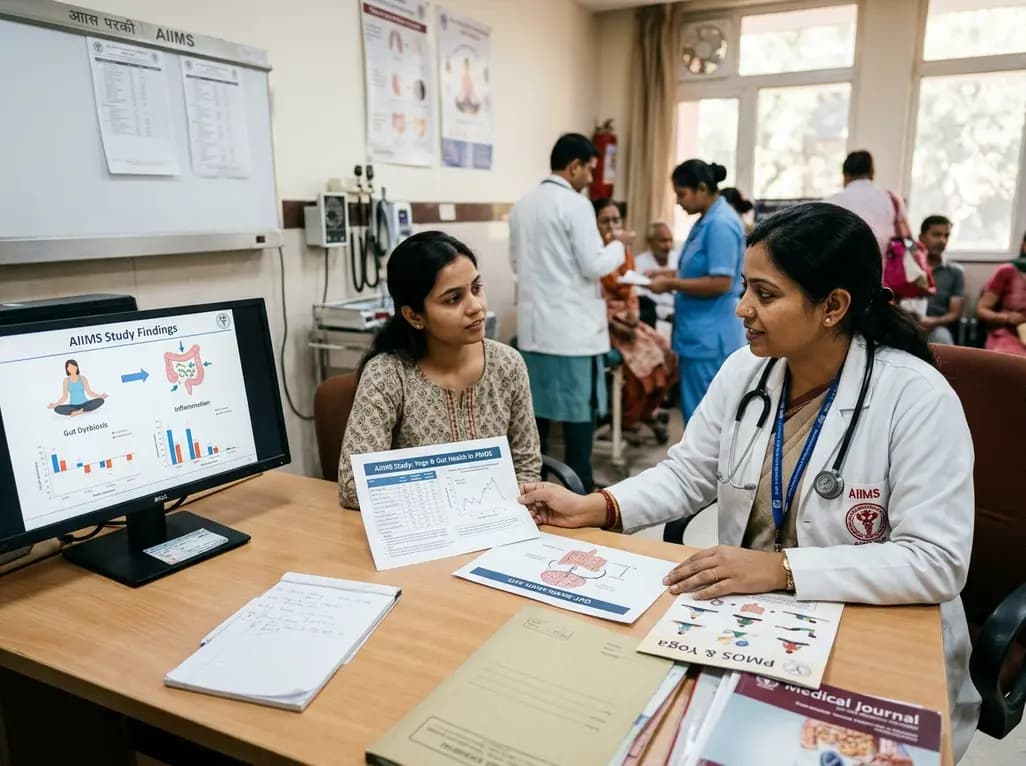
AIIMS researchers suggest yoga may alleviate gut dysbiosis in Polyendocrine Metabolic Ovarian Syndrome (PMOS) by modulating the gut-brain axis, lowering chronic inflammation, and enhancing parasympathetic tone to support metabolic and hormonal equilibrium.
Today
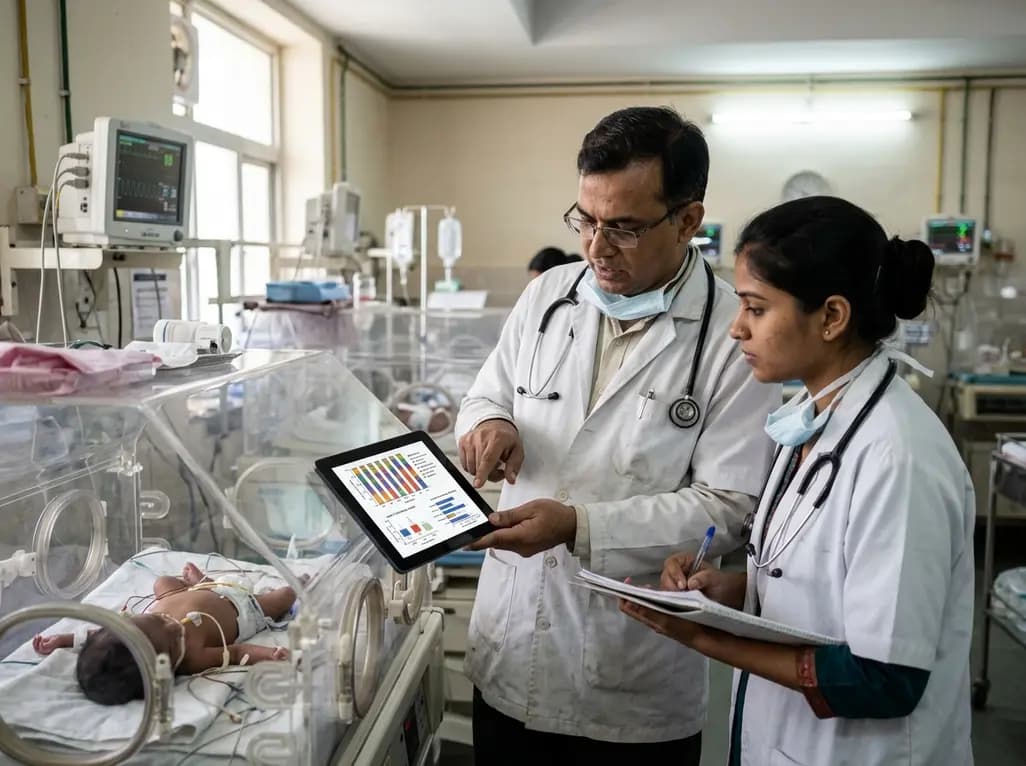
A prospective cohort study demonstrates that feeding tubes, formula exposure, aortic cross-clamp duration, and socioeconomic deprivation disrupt the neonatal gut microbiome in congenital heart disease, emphasizing the need for targeted nutritional and perioperative gut-protective strategies.
Today
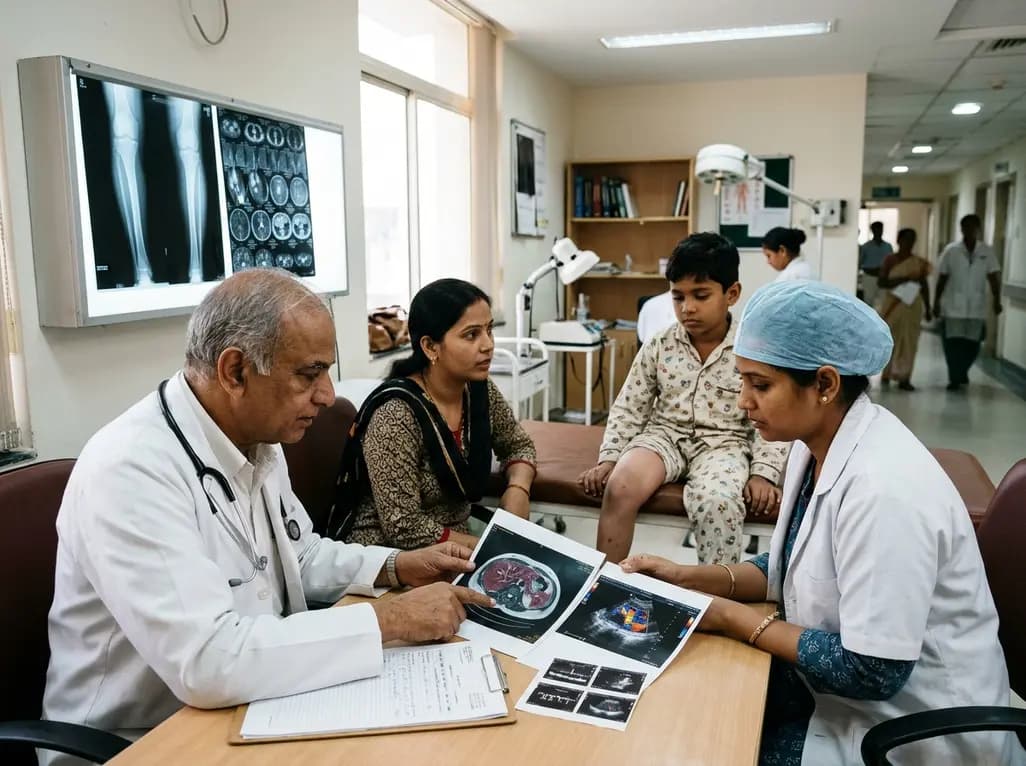
Deep intramuscular vascular malformations in pediatric Klippel-Trenaunay syndrome can mimic Maffucci syndrome. Multimodality imaging with Doppler ultrasound and MRI, along with histopathology, ensures prompt differential diagnosis, targeted surgical debulking, and optimized conservative surveillance.
Yesterday

A longitudinal feasibility pilot study highlights that combining polygenic risk score disclosure with in-person lifestyle counseling significantly enhances genomic literacy in individuals at risk for type 2 diabetes, overcoming educational disparities and reinforcing patient motivation.
Today
