.webp&w=384&q=75)

Loading, please wait...
Loading, please wait...

Chronic Obstructive Pulmonary Disease (COPD) is no longer viewed merely as a localized lung condition. Instead, clinicians recognize it as a systemic disorder characterized by significant extrapulmonary manifestations. Among these, the emergence of Respiratory Sarcopenia in COPD represents a critical area of concern for modern pulmonology. Respiratory sarcopenia specifically describes the concurrent presence of respiratory muscle weakness and decreased respiratory muscle mass. While systemic sarcopenia is well-documented, this respiratory-specific phenotype offers unique insights into patient prognosis. Recent research, such as the study by Yoshioka and colleagues, highlights that this condition affects a substantial portion of smoking cohorts. Consequently, understanding how muscle depletion at the level of the diaphragm and intercostals influences airflow is essential. Furthermore, identifying these patients early can help mitigate long-term functional decline and improve overall survival rates.
Determining the exact prevalence of respiratory sarcopenia remains a challenge due to varying diagnostic definitions. However, recent evidence suggests that individuals within COPD-enriched smoking cohorts face a disproportionately high risk. Specifically, studies indicate that nearly one-fifth of smokers with airflow obstruction meet the criteria for this condition. This prevalence often increases with age and the severity of the underlying lung disease. Moreover, researchers have noted that even smokers without overt obstruction can exhibit signs of respiratory muscle wasting. This finding is particularly important because it suggests that tobacco smoke may exert direct toxic effects on muscle fibers. Therefore, clinicians must look beyond simple spirometry when evaluating long-term smokers. Notably, the intersection of malnutrition and chronic inflammation further accelerates muscle loss in these individuals. Resultantly, the combined burden of lung damage and muscle weakness creates a precarious clinical situation for many aging patients.
Accurate diagnosis is the cornerstone of effective management for Respiratory Sarcopenia in COPD. Clinicians typically utilize a combination of physiological and imaging-based assessments to confirm the diagnosis. Maximal Inspiratory Pressure (MIP) and Maximal Expiratory Pressure (MEP) serve as primary tools for evaluating respiratory muscle strength. Specifically, values below 70% of the predicted range often signal significant weakness. In addition to strength, measuring muscle mass is vital. Historically, this required complex imaging like CT scans to calculate the cross-sectional area of the pectoralis or diaphragm muscles. However, newer ultrasound techniques offer a non-invasive and bedside alternative for assessing diaphragmatic thickness. Additionally, handgrip strength is frequently used as a proxy for general muscle health, though it may not always reflect respiratory-specific deficits. Thus, a multi-faceted diagnostic approach ensures that no patient with significant muscle depletion is overlooked during routine clinical evaluations.
The functional consequences of respiratory muscle depletion are profound and multi-dimensional. Patients suffering from respiratory sarcopenia often report higher levels of dyspnea, even during low-intensity activities. This occurs because the weakened diaphragm must work harder to overcome the increased elastic load of hyperinflated lungs. Furthermore, studies have shown a direct correlation between low respiratory muscle mass and reduced exercise capacity. For instance, individuals with this condition typically achieve shorter distances on the 6-minute walk test. Similarly, the risk of acute exacerbations increases when the respiratory pump is compromised. When a patient cannot clear secretions effectively due to expiratory muscle weakness, they become more susceptible to secondary infections. Consequently, these functional limitations lead to a significant decrease in health-related quality of life. Therefore, addressing muscle health is just as important as optimizing bronchodilator therapy for maintaining patient independence and activity levels.
Managing respiratory sarcopenia requires a comprehensive, multidisciplinary strategy that integrates exercise, nutrition, and pharmacological optimization. Pulmonary rehabilitation stands as the most effective intervention for reversing muscle dysfunction. Specifically, high-intensity endurance and resistance training can improve both peripheral and respiratory muscle performance. Moreover, Targeted Inspiratory Muscle Training (IMT) has shown promise in specifically strengthening the diaphragm. This approach involves using a handheld device to provide resistance during inhalation, thereby inducing hypertrophic changes in the respiratory muscles. Additionally, nutritional support is vital; ensuring adequate protein intake helps mitigate the catabolic state associated with chronic inflammation. Some clinicians also explore the use of vitamin D supplementation to enhance muscle contractility. Ultimately, a personalized care plan that combines these modalities offers the best chance for improving functional outcomes. Regular monitoring of muscle strength allows for adjustments in therapy to meet the evolving needs of the patient.
The evolving understanding of respiratory sarcopenia is set to transform the future of COPD management in India and globally. As our population ages, the prevalence of these comorbid muscle conditions will likely rise. Therefore, integrating muscle mass screening into standard COPD protocols is becoming increasingly necessary. Future research will likely focus on identifying specific biomarkers that can predict muscle wasting before it becomes clinically apparent. Furthermore, the development of pharmacological agents that target myostatin or other muscle-growth pathways holds significant potential. In contrast to traditional therapies, these new approaches could offer systemic benefits for both lung and muscle health. Notably, digital health tools and home-based monitoring systems may soon allow for better tracking of respiratory strength. By embracing these innovations, the medical community can move toward a more holistic model of care. This transition will ensure that patients receive comprehensive support for every facet of their respiratory health.
General sarcopenia refers to the age-related loss of skeletal muscle mass and strength throughout the entire body. In contrast, respiratory sarcopenia specifically focuses on the muscles involved in breathing, such as the diaphragm and intercostals. While the two often coexist, a patient can have respiratory muscle weakness without significant limb muscle loss. This distinction is vital because respiratory-specific weakness directly impacts lung function and the sensation of breathlessness.
Yes, research indicates that smoking can lead to muscle wasting independently of airflow obstruction. The toxins in tobacco smoke promote systemic inflammation and oxidative stress, which directly damage muscle fibers and impair protein synthesis. This means that chronic smokers may develop respiratory muscle weakness and decreased muscle mass long before they meet the clinical criteria for COPD. Early screening for muscle health is therefore recommended for all long-term smokers.
The most effective method for strengthening these specific muscles is Inspiratory Muscle Training (IMT). This involves using a specialized device that provides calibrated resistance during inhalation. By performing these exercises regularly, patients can increase the strength and endurance of their diaphragm. When combined with a broader pulmonary rehabilitation program and proper nutritional intake, IMT significantly reduces dyspnea and improves the overall exercise capacity of individuals with respiratory sarcopenia.
Disclaimer: This content is for informational and educational purposes only. It is not intended as medical advice or to replace a consultation with a qualified healthcare professional. Always seek the advice of your physician or other qualified health provider with any questions you may have regarding a medical condition. Refer to the latest local and national guidelines for clinical practice.
References
Yoshioka Y et al. Prevalence and functional impact of respiratory sarcopenia in a COPD-enriched smoking cohort. Respir Investig. 2026 Jul 14. doi: undefined. PMID: 42447588.
Benz E, Trajanoska K, Lahousse L, et al. Sarcopenia in COPD: a systematic review and meta-analysis. Eur Respir Rev 2019; 28: 190049.
Sato S, Miyazaki S, Tamaki A, et al. Respiratory sarcopenia: a position paper by four professional organizations. Geriatr Gerontol Int. 2022; 22(1): 23-35.

Read summarized clinical updates, watch expert medical content, and earn CME certifications right from your smartphone.
Open your smartphone camera to scan and install.





Respiratory sarcopenia significantly impacts patients with COPD and smokers. This comprehensive review examines its prevalence, diagnostic challenges, and the functional consequences of respiratory muscle weakness, highlighting the need for integrated pulmonary and nutritional care.
3 months ago
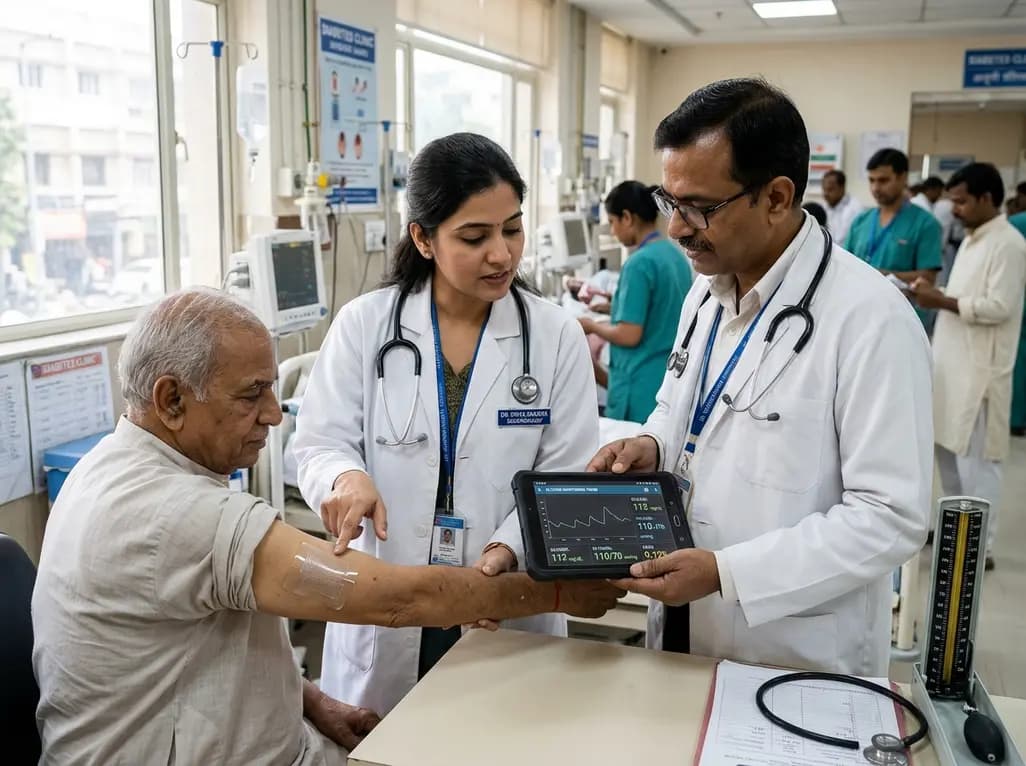
A breakthrough ultrathin multimodal sensor decouples physical hemodynamic monitoring from disposable electrochemical calibration, achieving long-term wearable glucose prediction with 81.36% accuracy and a 9.12% MARD. This offers a robust, drift-free solution for outpatient metabolic surveillance.
Today

Demanding exhaustive hormonal profiling can inadvertently discourage clinical studies involving females. Methodological standards must align with the specific scientific question to expand, not restrict, equitable evidence for women.
Today

Co-administering antiseizure medications and DOACs frequently causes pharmacokinetic interactions, subtherapeutic drug levels, and thromboembolic failures. This review highlights enzyme induction risks, unpredictable outcomes with levetiracetam, and the vital role of therapeutic drug monitoring.
Today
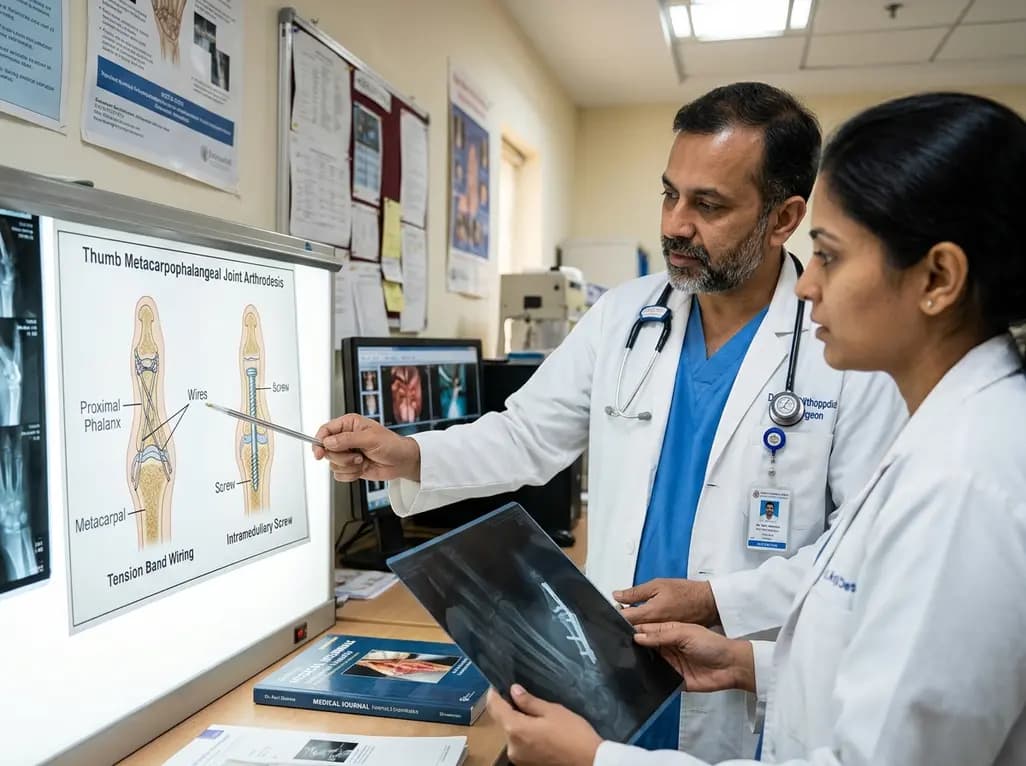
A comparative review of tension band wiring and intramedullary screw fixation in thumb metacarpophalangeal arthrodesis, evaluating union rates, hardware complications, and clinical outcomes.
Today

Following regulatory scrutiny from FSSAI regarding promotional representations and lean muscle preservation claims, Dr. Reddy's Laboratories and Nestlé Health Science are currently reviewing the branding and marketing strategy for their joint nutritional supplement Celevida GLP+.
Today
