.webp&w=384&q=75)

Loading, please wait...
Loading, please wait...
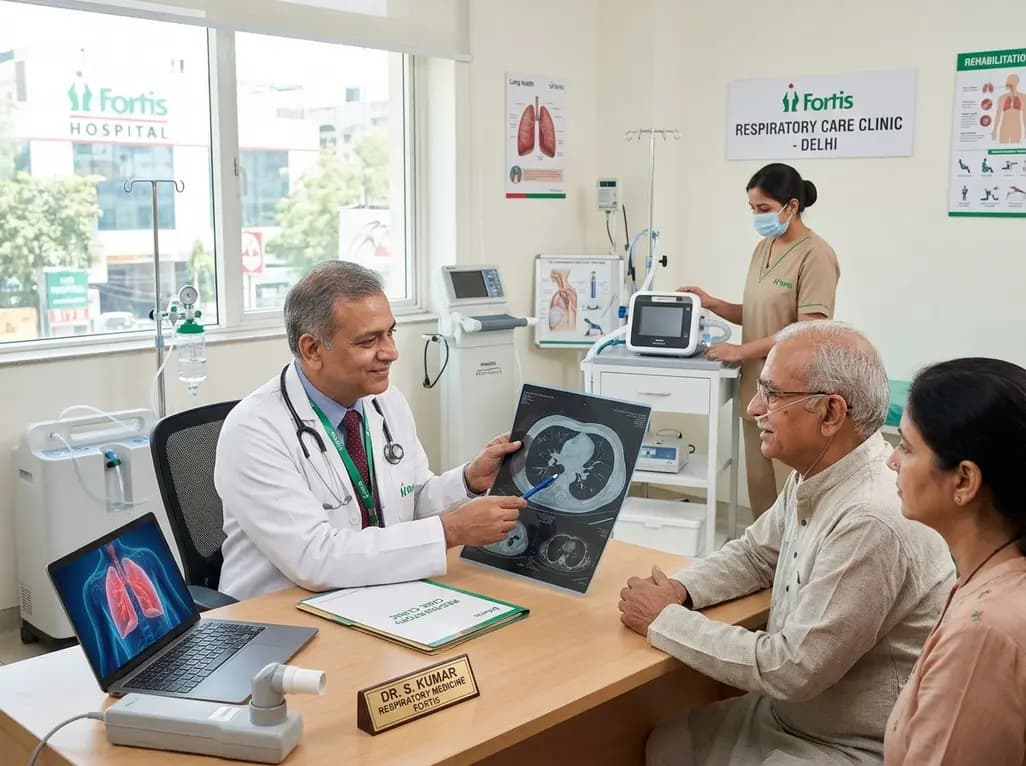
Fortis Healthcare has recently established dedicated respiratory care clinics across its key tertiary centers in Shalimar Bagh and Vasant Kunj, Delhi. Consequently, these specialized facilities aim to bridge critical therapeutic gaps for individuals experiencing advanced respiratory failure and end-stage pulmonary disorders. The growing environmental pollution across the Delhi National Capital Region significantly elevates chronic lung pathology rates. Therefore, these specialized centers offer patients structured pathways for complex evaluations, advanced ventilatory assistance, and organ transplantation workups. Clinicians can now refer patients requiring comprehensive intervention to a single integrated platform.
Chronic respiratory illnesses represent an escalating healthcare crisis throughout urban India. In particular, conditions like severe chronic obstructive pulmonary disease, idiopathic pulmonary fibrosis, and non-cystic fibrosis bronchiectasis cause immense morbidity. Prolonged exposure to toxic ambient air accelerates pulmonary parenchymal degradation and vascular remodeling. As a result, many patients present to tertiary centers only after developing irreversible functional decline and chronic hypercapnic or hypoxemic failure.
Standard pharmacotherapy often provides limited relief once structural lung architecture suffers permanent distortion. Consequently, clinicians must look beyond conventional inhalers and intermittent systemic corticosteroids. Patients at this advanced stage require meticulous longitudinal tracking of forced vital capacity and carbon monoxide diffusing capacity. Furthermore, physicians must identify early signs of pulmonary hypertension and right ventricular strain.
Early identification of impending respiratory collapse allows medical teams to implement supportive therapies before life-threatening crises occur. In addition, prompt clinical recognition facilitates structured counseling regarding disease trajectory and long-term prognosis. By instituting specialized multidisciplinary assessments early, clinicians can prevent recurrent hospital admissions and optimize patient functional capacity. Thus, establishing focused pulmonary units is essential for modern metropolitan healthcare.
The newly launched respiratory care clinics integrate expertise across several clinical specialties to deliver holistic care. Specifically, the initiative unites experienced pulmonologists, transplant surgeons, critical care intensivists, and rehabilitation experts. Dr Govini Balasubramani from Gleneagles Hospital Chennai collaborates with Dr Vikas Maurya and Dr Prashant Saxena from Fortis Healthcare to lead this program. This collaboration bridges inter-regional expertise, bringing high-level lung failure management directly to North India.
Moreover, managing end-stage pulmonary pathology demands synchronized input from multiple allied health domains. Specialized nurses ensure strict adherence to complex medical regimens, while clinical nutritionists design hypercaloric diets to counter pulmonary cachexia. Concurrently, medical social workers provide indispensable psychological guidance and financial counseling to families facing daunting therapeutic pathways.
Additionally, structured pulmonary rehabilitation forms the cornerstone of this multidisciplinary philosophy. Supervised exercise training improves skeletal muscle efficiency, reduces dynamic hyperinflation, and alleviates chronic dyspnea. Patients participate in graded treadmill walking, upper limb ergometry, and targeted diaphragmatic breathing exercises. Consequently, patients achieve greater functional independence despite severe physiological airway obstruction. This coordinated approach significantly enhances overall life quality and stabilizes baseline respiratory performance.
Accurate physiological profiling is fundamental when managing end-stage pulmonary failure. Therefore, the specialized centers employ advanced diagnostic technologies to assess parenchymal architecture and airway dynamics. Interventional pulmonologists utilize flexible video bronchoscopy, endobronchial ultrasound, and cryobiopsy to confirm challenging interstitial diagnoses. Furthermore, comprehensive polysomnography identifies nocturnal hypoventilation and sleep-disordered breathing, which frequently complicate chronic lung disorders.
Simultaneously, non-invasive ventilation serves as a vital therapeutic modality for chronic hypercapnic respiratory failure. Modern bilevel positive airway pressure devices rest fatigued diaphragmatic musculature and wash out accumulated arterial carbon dioxide. Clinicians carefully titrate inspiratory and expiratory pressures during overnight monitoring to prevent nocturnal desaturation. As a result, patients experience improved morning alertness, reduced hospital readmissions, and enhanced daytime energy levels.
In addition, high-flow nasal cannula therapy provides humidified oxygen delivery for severe refractory hypoxemia. This non-invasive support reduces airway resistance and flushes anatomical dead space effectively. When acute exacerbations arise, seamless transitions to intensive care units ensure rapid invasive or extracorporeal life support if indicated. Thus, comprehensive diagnostic and ventilatory capabilities safeguard critically ill pulmonary patients across every disease stage.
For patients with irreversible end-stage pulmonary disease, lung transplantation represents the definitive therapeutic frontier. However, successful surgical outcomes depend entirely upon meticulous candidate selection and appropriate referral timing. The clinical team evaluates prospective recipients according to international consensus guidelines established by the International Society for Heart and Lung Transplantation. Notably, early referral enables comprehensive pre-transplant optimization before severe physiological debility develops.
During the comprehensive evaluation phase, clinicians perform extensive cardiovascular assessments, including right heart catheterization and echocardiography. These diagnostic investigations detect secondary pulmonary vascular hypertension and evaluate right ventricular contractile reserve. Furthermore, teams screen patients for latent infectious foci, bone density loss, and renal insufficiency. Nutritional optimization and pre-habilitation exercise regimens actively prepare patients for the rigorous surgical procedure and post-operative recovery.
In addition, post-transplant care coordination requires dedicated expertise to prevent organ rejection and opportunistic infections. Specialized pulmonologists manage complex immunosuppressive protocols involving calcineurin inhibitors, antimetabolites, and targeted corticosteroids. Regular therapeutic drug monitoring and surveillance bronchoscopies safeguard long-term allograft function. Consequently, this end-to-end transplant evaluation pathway provides renewed hope for patients facing terminal respiratory insufficiency.
Severe atmospheric pollution across northern urban corridors exacerbates chronic respiratory morbidity at unprecedented levels. Fine particulate matter smaller than 2.5 micrometers penetrates deep into alveolar spaces, triggering severe pulmonary and systemic inflammatory cascades. Furthermore, recent research reveals that PM2.5 accounts for millions of global cancer diagnoses, particularly tracheal, bronchial, and lung malignancies. In fact, mitigating particulate exposure could prevent nearly eighteen percent of these thoracic cancers.
Consequently, clinicians must incorporate environmental health strategies into routine pulmonary consultations. Physicians should educate vulnerable patients about daily air quality indexes and the proper utilization of high-efficiency particulate air filtration. Additionally, patients with advanced lung disorders must use certified N95 respirators during peak smog episodes. Clinicians must also ensure that every patient receives annual influenza and pneumococcal immunizations to prevent devastating secondary bacterial infections.
Moreover, digital health monitoring and remote spirometry allow medical teams to detect acute deteriorations promptly. Patients track peak expiratory flow rates and peripheral oxygen saturation at home, relaying values through secure telemedicine platforms. When metrics deteriorate, clinicians can adjust bronchodilators or initiate systemic therapies immediately. Ultimately, combining preventative environmental safeguards with proactive clinical care preserves vital lung function over extended periods.
Q1: What clinical conditions warrant referral to specialized lung failure clinics?
Clinicians should promptly refer patients presenting with progressive end-stage chronic obstructive pulmonary disease, advanced idiopathic pulmonary fibrosis, severe non-cystic fibrosis bronchiectasis, or refractory pulmonary hypertension. Furthermore, individuals experiencing recurrent acute respiratory failure exacerbations, persistent hypercapnia despite maximal pharmacotherapy, or resting hypoxemia requiring continuous supplemental oxygen benefit substantially from these specialized clinics. Timely referral allows teams to evaluate candidates for non-invasive ventilation, pulmonary rehabilitation, or potential lung transplantation.
Q2: How does non-invasive ventilation assist patients with advanced hypercapnic lung failure?
Non-invasive positive pressure ventilation delivers preset inspiratory and expiratory pressures via a non-invasive mask interface. Consequently, this ventilatory modality rests chronically fatigued respiratory muscles, enhances alveolar ventilation, and facilitates physiological carbon dioxide elimination. In addition, nocturnal non-invasive ventilation prevents sleep-related hypoxemia and desaturation episodes. As a result, patients experience improved daytime cognitive alertness, fewer emergency hospital admissions, and significantly enhanced functional exercise tolerance throughout daily activities.
Q3: When should a pulmonologist initiate evaluation for lung transplantation?
Pulmonologists should initiate lung transplant evaluations when a patient faces a high risk of death within two to three years despite maximal medical management. Specifically, clinical triggers include rapid decline in forced vital capacity, severe oxygen dependency, secondary pulmonary hypertension, or recurrent life-threatening exacerbations. Early listing evaluation ensures sufficient time for physiological pre-habilitation, cardiovascular risk stratification, and immunological cross-matching before irreversible organ failure occurs.
Disclaimer: This content is for informational and educational purposes only. It does not constitute medical advice or replace professional judgment. Refer to the latest local and national guidelines for clinical practice.
References

Read summarized clinical updates, watch expert medical content, and earn CME certifications right from your smartphone.
Open your smartphone camera to scan and install.





Fortis Hospitals has established specialized lung failure clinics in Shalimar Bagh and Vasant Kunj, offering comprehensive care for end-stage respiratory diseases. The centers deliver advanced diagnostics, non-invasive ventilation support, pulmonary rehabilitation, and streamlined lung transplant evaluations.
last month

A systematic review of 41 preclinical studies reveals that baicalin dampens systemic inflammation, inhibits NF-κB and NLRP3 pathways, and improves organ preservation in sepsis models. However, substantial study heterogeneity and a complete lack of human clinical trials highlight the need for further translational research.
Today
Discover the crucial distinctions between mesonephric and mesonephric-like proliferations of the female genital tract. Learn the key histomorphologic, immunohistochemical, and molecular differences essential for accurate diagnosis and clinical management.
Today
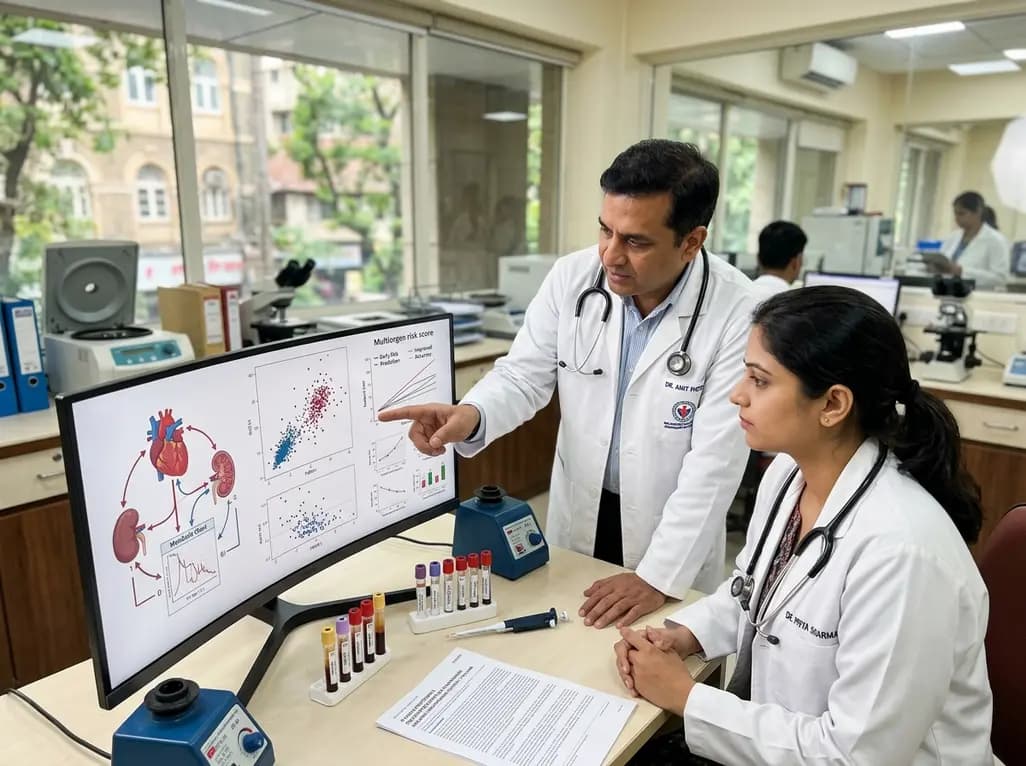
A large UK Biobank study reveals that plasma proteomic signatures capture preclinical organ damage and improve multiorgan risk prediction across early CKM syndrome stages 0 to 2 beyond traditional PREVENT clinical models.
Today
A narrative review investigates whether the articularis genus muscle functions as an independent anatomical entity or blends with the vastus intermedius. We evaluate its morphology, role in retracting the suprapatellar bursa, and direct clinical significance in anterior knee pain and arthroplasty.
Today

A Bayesian multilevel meta-analysis reveals that aerobic training combined with moderate carbohydrate restriction modestly lowers HbA1c in type 2 diabetes. However, sparse data and very low certainty leave incremental benefits over exercise or diet alone unproven, highlighting the need for individualized care.
Today
