.webp&w=384&q=75)

Loading, please wait...
Loading, please wait...

Global geopolitical conflict, environmental crises, and human rights violations have triggered record numbers of displaced individuals worldwide. Clinicians frequently encounter these vulnerable communities in varied healthcare settings. Understanding the intricate link between resilience and mental health is critical for designing targeted psychiatric interventions. Forcibly displaced persons endure immense hardships before, during, and after migration. Consequently, evaluating how psychological resilience protects against affective disorders offers valuable insights for humanitarian aid and clinical practice.
Forced displacement places extraordinary psychological demands on individuals, families, and entire communities. Migrants frequently experience acute physical danger, systematic persecution, bereavement, and the loss of social networks. In addition, post-migration stressors such as legal instability, marginalization, socioeconomic hardship, and language barriers exacerbate these vulnerabilities. Therefore, displaced individuals experience markedly elevated rates of post-traumatic stress disorder, major depressive disorder, generalized anxiety, and non-specific psychological distress compared to non-displaced groups.
However, despite enduring extreme adversity, displaced individuals consistently demonstrate profound capacities for adaptation and recovery. Healthcare professionals must avoid viewing displaced individuals purely through a lens of psychopathology. Instead, clinicians should recognize the personal and community strengths that facilitate survival. Psychological resilience represents the capacity to maintain equilibrium or recover adaptively when confronting profound trauma. Consequently, empirical research has increasingly sought to quantify how personal resources buffer against trauma-induced mental illness.
A recent systematic review and meta-analysis published by Lane and colleagues comprehensively examined the statistical association between resilience and mental health among forcibly displaced cohorts. The investigators conducted exhaustive literature searches across MEDLINE Ultimate, APA PsycInfo, and SCOPUS through January 2024. Eligible studies quantitatively evaluated statistical associations between validated resilience scales and standardized psychological endpoints in displaced populations. Ultimately, thirty-one peer-reviewed investigations met the inclusion criteria, encompassing a pooled sample of 6,656 participants.
The researchers applied random-effects meta-analyses across distinct psychiatric symptom categories to generate pooled effect estimates. Furthermore, they appraised methodological quality utilizing the National Institutes of Health Quality Assessment Tool for Observational Cohort and Cross-Sectional Studies. The investigators aimed to clarify conflicting observational reports regarding protective psychological mechanisms. By compiling global data across diverse geopolitical contexts, this systematic review provides vital clarity on how inner coping assets correlate with lower psychiatric morbidity in displaced populations.
The statistical synthesis revealed consistent, statistically significant negative correlations between resilience and every examined psychopathological domain. Most notably, resilience exhibited its strongest protective association against major depressive symptoms across fourteen studies (k = 14, n = 2,952, r = -0.34, 95% CI [-0.41; -0.26]). This moderate negative correlation indicates that displaced individuals who report greater psychological resilience experience markedly lower symptom burdens of persistent low mood, anhedonia, and hopelessness.
Similarly, resilience demonstrated an inverse association with general psychological distress across ten studies (k = 10, n = 2,712, r = -0.29, 95% CI [-0.36; -0.23]). When evaluating generalized anxiety, the meta-analysis found a significant negative relationship across seven cohorts (k = 7, n = 1,516, r = -0.19, 95% CI [-0.27; -0.11]). Finally, thirteen studies assessing post-traumatic stress demonstrated an inverse association (k = 13, n = 2,446, r = -0.15, 95% CI [-0.23; -0.06]). Although post-traumatic stress symptoms showed a smaller effect size than depression, the association remained statistically significant. Thus, resilience consistently buffers against diverse dimensions of emotional distress.
Despite these compelling findings, the meta-analysis highlighted several prominent methodological limitations within the existing literature. First, the synthesized effect sizes exhibited substantial statistical heterogeneity. This variance likely reflects divergent measurement instruments, diverse resettlement environments, and distinct cultural interpretations of resilience. Second, the vast majority of included studies relied heavily on cross-sectional designs. As a result, researchers cannot infer definitive causal directions between personal resilience and psychological distress.
Third, investigators frequently employed convenience sampling or non-random recruitment methods within specific refugee camps or reception centers. These non-probability sampling approaches create selection bias and constrain generalizability. Furthermore, many studies featured relatively modest sample sizes, which can diminish statistical precision. Researchers also rarely accounted for structural post-migration determinants, including detention status, financial security, or host-country social integration. Therefore, clinicians must interpret these correlational findings within their appropriate context.
These findings provide clear guidance for psychiatrists, family physicians, and mental health professionals serving forcibly displaced communities. Clinicians should adopt a balanced approach that combines trauma treatment with strength-based assessments. When conducting intake evaluations, practitioners must assess existing coping strategies, self-efficacy, and social support rather than focusing exclusively on psychopathology. Identifying existing inner strengths helps clinicians tailor therapeutic interventions to build upon individual capabilities.
Moreover, psychological interventions should actively foster resilience-promoting skills alongside trauma processing. Evidence-based therapies, including cognitive behavioral therapy and transdiagnostic community support models, benefit from incorporating problem-solving and emotional regulation training. Healthcare systems must also establish multi-tiered frameworks that address basic social determinants of health. By stabilizing housing, legal standing, and community integration, clinical services create the necessary foundation for personal resilience to flourish. Consequently, medical teams can effectively mitigate depression and trauma across diverse migrant populations.
Future studies must transition beyond cross-sectional observations toward rigorous longitudinal methodologies. Prospective cohort tracking will allow investigators to evaluate how psychological resilience evolves across different migration phases. Additionally, researchers should explore the dynamic interaction between individual traits and external community assets. Because resilience is multifaceted, cultural context profoundly shapes how individuals conceptualize and express emotional coping mechanisms.
Furthermore, intervention researchers should design randomized controlled trials that specifically evaluate scalable, culturally adapted psychosocial programs. Investigating whether targeted resilience-building interventions directly reduce subsequent psychiatric disorders remains an essential priority. Standardizing resilience assessment scales across multi-lingual populations will also enhance data comparability across global humanitarian contexts. Ultimately, advancing this evidence base will empower healthcare professionals to deliver culturally competent, highly effective psychiatric care to displaced communities.
The meta-analysis revealed a moderate, statistically significant negative association between resilience and depressive symptoms (r = -0.34). Displaced individuals with higher self-reported resilience consistently reported fewer symptoms of persistent sadness, fatigue, and despair, suggesting that personal coping resources provide a protective buffer against depressive illness.
Yes, resilience demonstrated a statistically significant negative correlation with post-traumatic stress symptoms (r = -0.15). Although the protective effect was smaller than that observed for depression, higher resilience levels nonetheless correlated with lower severity of traumatic re-experiencing, hyperarousal, and avoidance behaviors following forced migration.
Healthcare providers should integrate strengths-based assessments into standard psychiatric evaluations for displaced patients. Rather than assessing only trauma and deficits, clinicians should identify existing coping skills, foster social support networks, and implement culturally adapted psychosocial interventions that bolster self-efficacy alongside routine clinical care.
Disclaimer: This content is for informational and educational purposes only. It is not intended to be a substitute for professional medical advice, diagnosis, or treatment. Always seek the advice of your physician or other qualified health provider with any questions you may have regarding a medical condition. Refer to the latest local and national guidelines for clinical practice.
References

Read summarized clinical updates, watch expert medical content, and earn CME certifications right from your smartphone.
Open your smartphone camera to scan and install.





A systematic review and meta-analysis evaluated 31 studies to examine how resilience influences mental health in forcibly displaced populations. Findings show significant negative associations with depression, psychological distress, anxiety, and PTSD, highlighting key pathways for psychiatric intervention.
Today
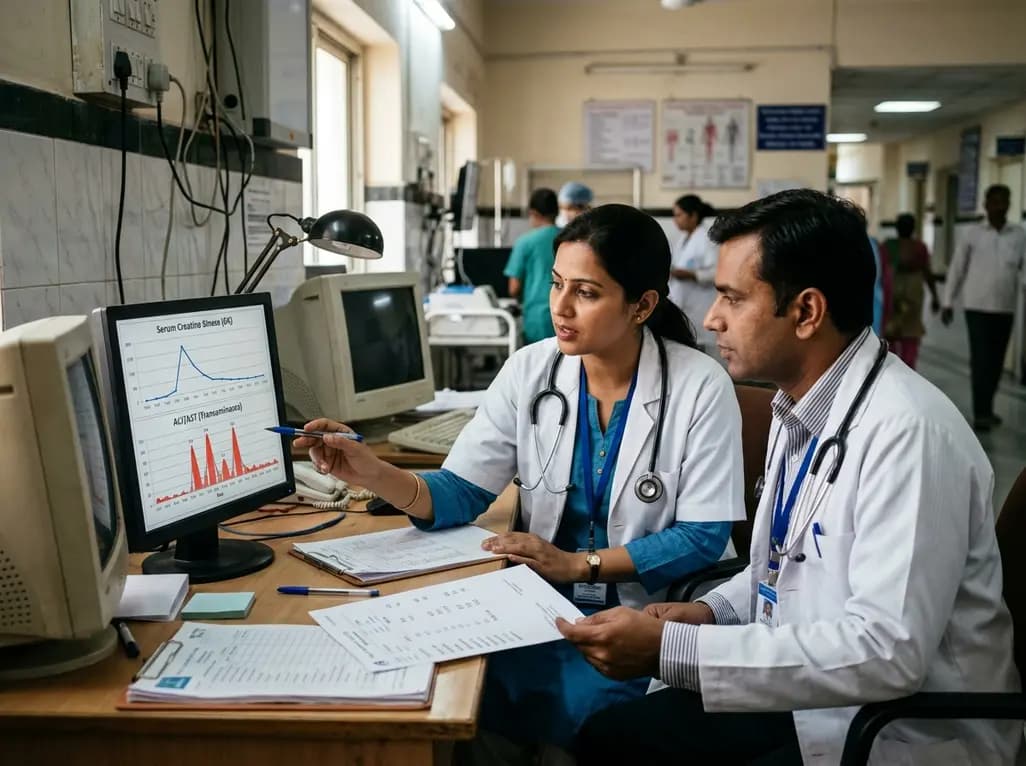
A recent case shows that exertional rhabdomyolysis can trigger marked transaminase spikes despite moderate creatine kinase elevation. Preserved hepatic synthetic function confirms muscle injury rather than liver failure, guiding conservative hydration and preventing unnecessary invasive diagnostics.
Today

A pharmacometric and machine learning study reveals that specific vaginal bacteria alter cervical antiretroviral exposure, highlighting the need for precision HIV PrEP strategies.
Today
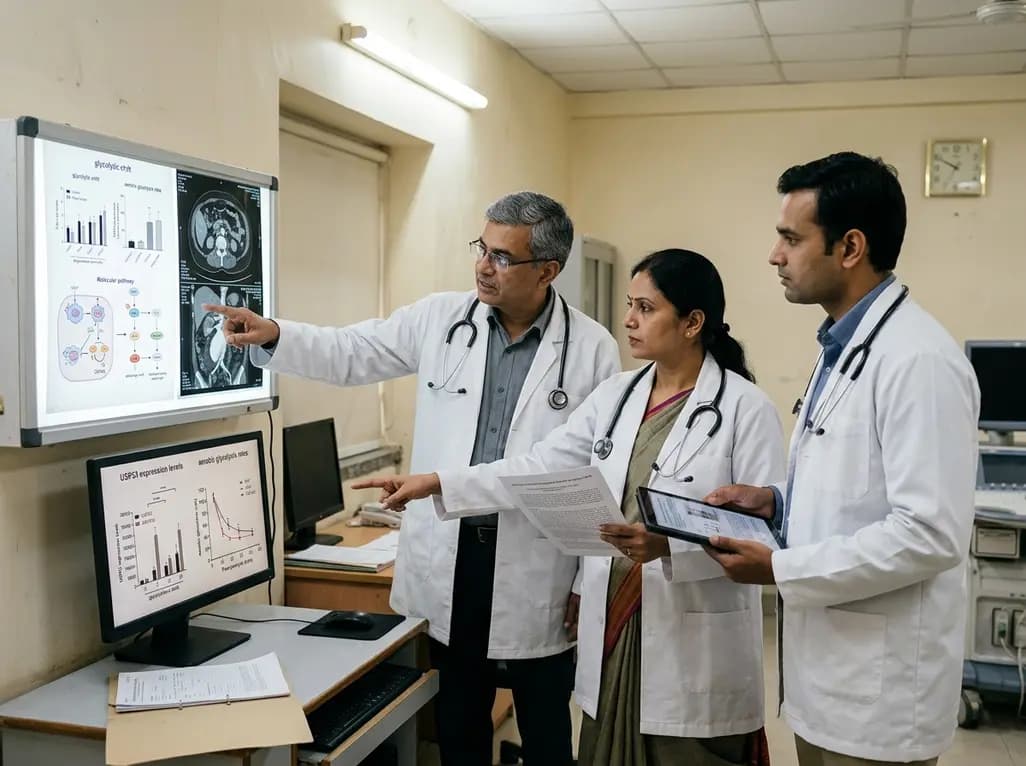
Abdominal aortic aneurysm rupture remains a catastrophic vascular emergency. Groundbreaking research reveals that USP53 accelerates aneurysm progression by reprogramming smooth muscle cell metabolism toward aerobic glycolysis, highlighting a promising target beyond conventional diameter-based surveillance.
Today
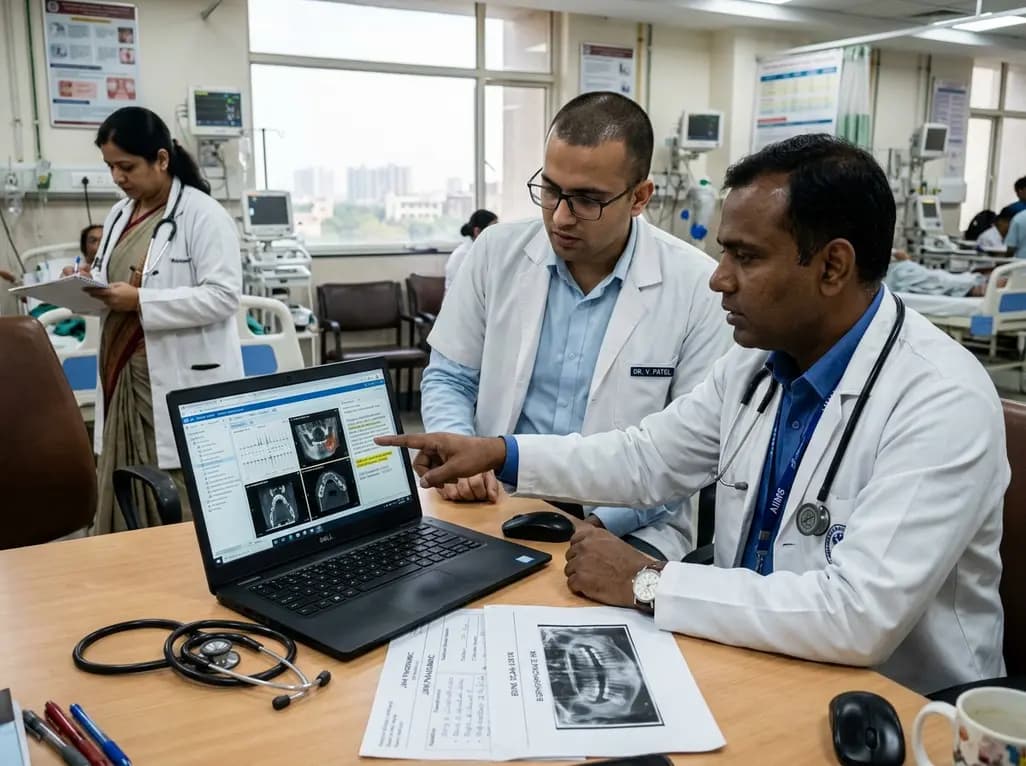
A breakthrough study leverages natural language processing to accurately identify incident medication-related osteonecrosis of the jaw and track antiresorptive drug holidays from clinical narratives in electronic health records, advancing osteoporosis pharmacovigilance and dental safety.
Today
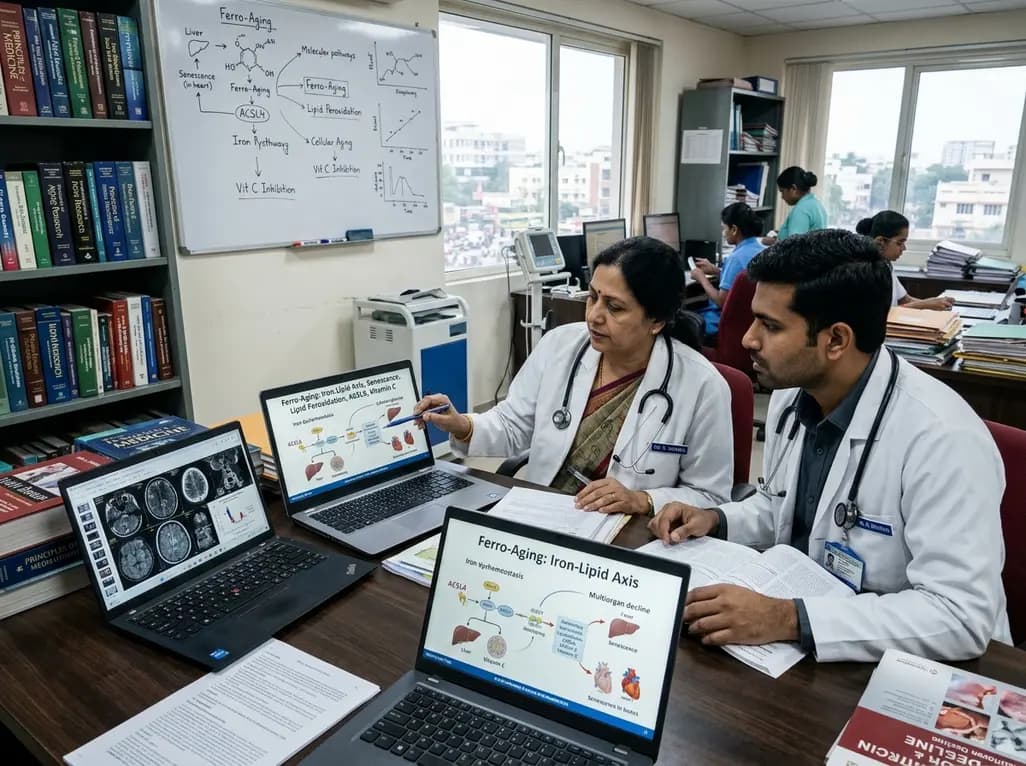
Recent research defines ferro-aging as a conserved iron-lipid axis driving organ decline across primates. Age-related iron dyshomeostasis stimulates ACSL4-mediated lipid peroxidation, promoting cellular senescence. Notably, vitamin C directly inhibits ACSL4, suppressing phospholipid oxidation and multi-organ decay.
Today
