.webp&w=384&q=75)

Loading, please wait...
Loading, please wait...

Healthcare systems worldwide are increasingly adopting digital tools to manage the health of aging populations. Recent research highlights that the remote assessment of older adults is not only feasible but also highly valued by the consumers themselves. The Remote Assessment and Management of Physical Function (RAMP) Working Group conducted a comprehensive Delphi process to determine what older adults prioritize in digital health interventions. This study underscores a significant shift toward patient-centered tele-geriatrics, providing a roadmap for clinicians to implement these tools effectively.
The modified Delphi process reached a consensus on 18 critical statements, which researchers distilled into seven core recommendations. Notably, participants aged 60 and older identified physical function as a top health priority. They expressed a strong willingness to participate in remote assessment of older adults to maintain their independence. However, the success of these programs depends on several factors. Consumers prefer interventions that are easily accessible and tailored to individual needs. For example, some patients prefer self-led exercises, while others thrive under clinician-led supervision. Consequently, flexibility in delivery is essential for long-term engagement.
Integrating remote assessments into routine practice can significantly enhance geriatric care. Validated tests like the 'sit-to-stand' and 'timed-up-and-go' (TUG) can be safely performed via live videoconferencing. Furthermore, these remote evaluations help identify early signs of frailty and fall risks without requiring the patient to travel. Doctors should ensure that patients have the necessary technology and equipment before starting. Additionally, involving a care partner at home often improves the reliability of the data collected during these sessions. Therefore, clinicians must assess both the physical environment and the digital literacy of their patients to ensure safety and accuracy.
Most studies show good agreement between remote and in-person assessments for lower-limb strength and balance. However, clinicians should interpret walking speed and complex gait metrics with caution when measured via standard video calls.
While many seniors are willing to use technology, barriers often include complex device setups and a lack of clear instructions. Providing simplified, step-by-step guides and ensuring high-quality support from clinicians can mitigate these challenges.
Yes, proactive remote monitoring allows for early detection of health deterioration. By managing complexities within the home-based setting, healthcare providers can often reduce unplanned emergency department visits and hospital admissions.
Disclaimer: This content is for informational and educational purposes only and does not constitute medical advice. Always seek the advice of a qualified healthcare provider regarding a medical condition. Refer to the latest local and national guidelines for clinical practice.
References
1. Dent E et al. Developing Consumer Consensus on Remote Assessment and Management of Physical Function in Older Adults (RAMP): International Modified Delphi Process. JMIR Aging. 2026 Feb 06. doi: 10.2196/75791. PMID: 41650449.
2. Lord SR et al. Remote assessment of physical function in older people: feasibility, safety and agreement with in-person administration. PMC. 2025 Sep 27.
3. Buta B. Telehealth: remote assessments of physical function and frailty measures. Johns Hopkins University School of Medicine. 2022 Jan 04.

Read summarized clinical updates, watch expert medical content, and earn CME certifications right from your smartphone.
Open your smartphone camera to scan and install.





A new international Delphi process identifies key preferences for remote physical function assessment in older adults, emphasizing accessibility and safety....
8 months ago
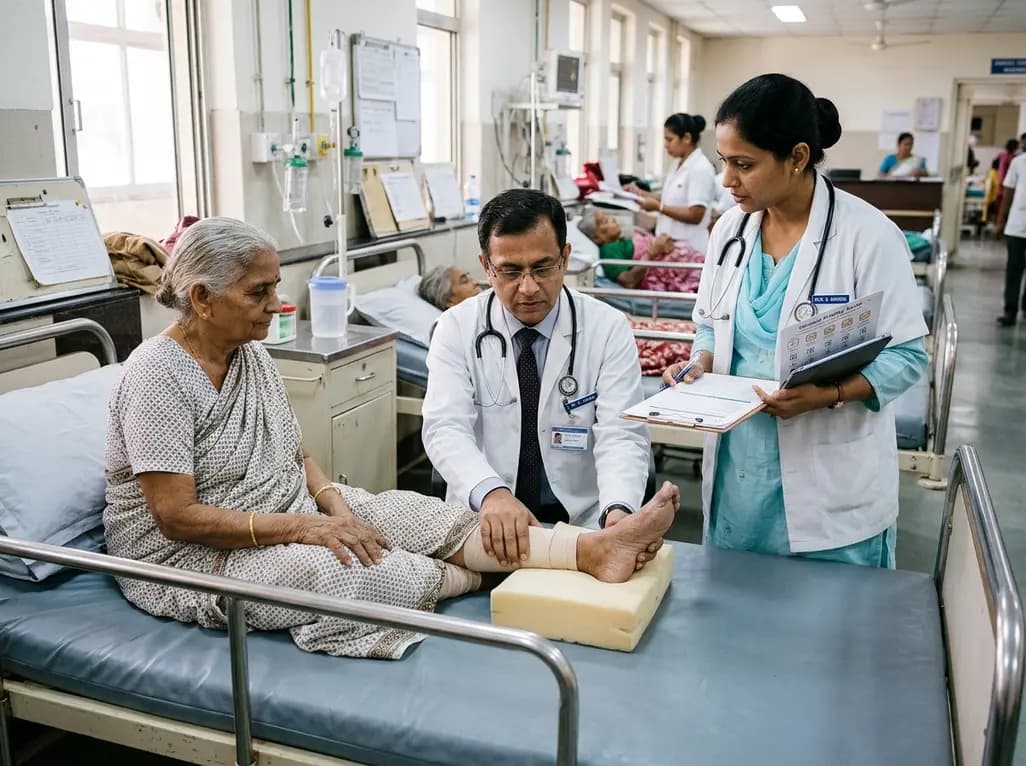
A retrospective cohort study reveals that frailty quadruples the odds of pressure injuries in hospitalized older adults. Integrating the Clinical Frailty Scale with comprehensive geriatric care is crucial for identifying vulnerability early and implementing targeted multidisciplinary prevention.
Today
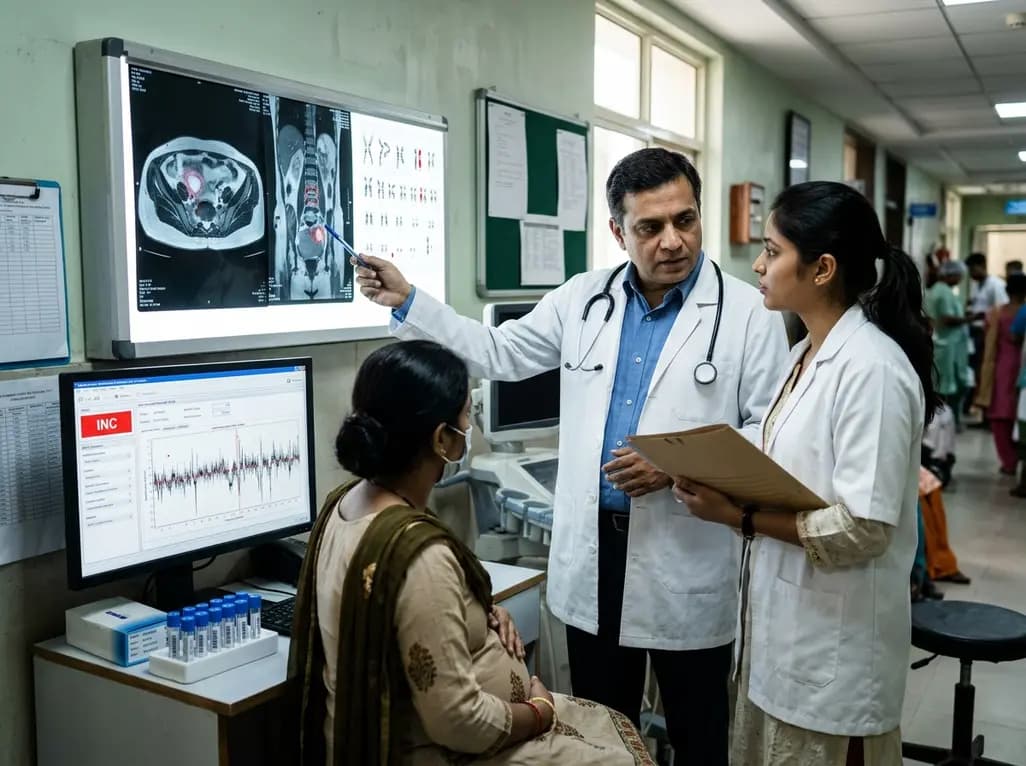
Occult maternal malignancy accounts for 3.82% of persistent unreportable NIPT results with genomic noise. Multiple chromosomal aberrations, notably on chromosome 18, warrant thorough oncological evaluation and whole-body MRI to ensure timely maternal diagnosis while preserving fetal care.
Today
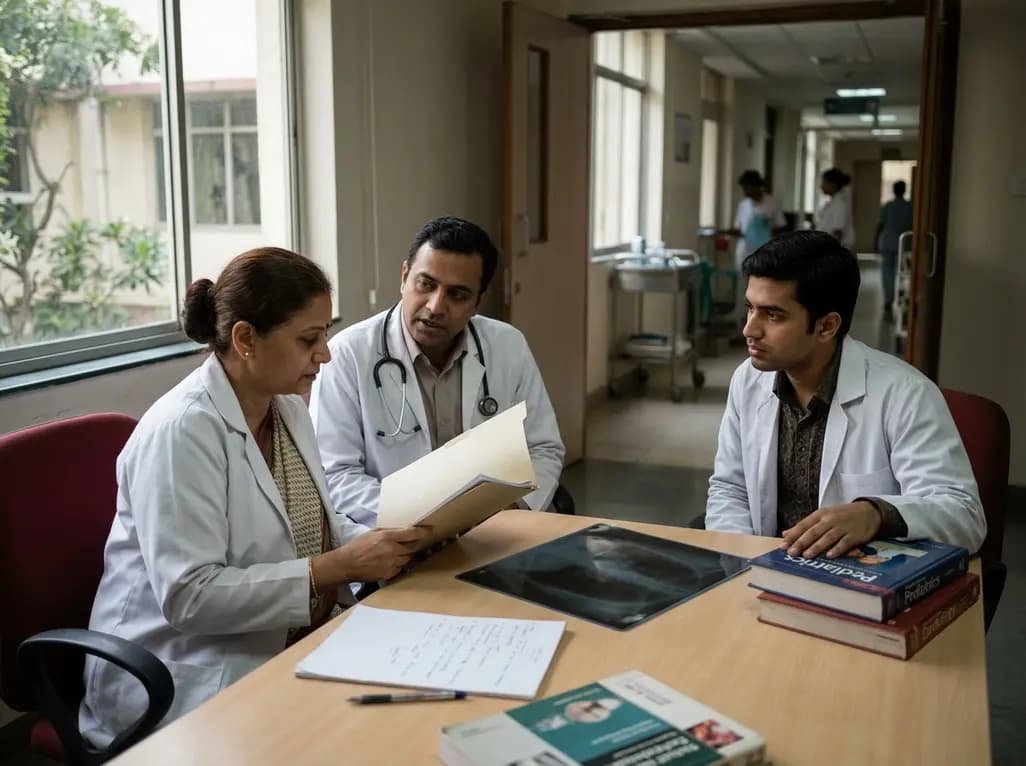
This article reviews the forensic and clinical complexities of acute myocarditis arising on left ventricular hypertrophy in children, highlighting early diagnostic red flags and multidisciplinary postmortem autopsy protocols.
Today

A randomized controlled trial demonstrates that an eight-week dual-task training intervention significantly improves static and dynamic postural control over standard balance exercises in individuals with chronic ankle instability, addressing critical neurocognitive deficits during athletic and daily activities.
Today

A retrospective cohort study of 7,716 ICU patients from the MIMIC-IV database demonstrates that Gradient Boosting Decision Trees significantly outperform traditional SOFA scores in predicting in-hospital mortality among patients with sepsis and diabetes, with SHAP analysis providing clinical interpretability.
Today
