.webp&w=384&q=75)

Loading, please wait...
Loading, please wait...

Prescription safety remains a cornerstone of effective outpatient healthcare delivery across the globe. In ambulatory care, clinicians frequently face challenges when coordinating therapy for patients with multiple chronic illnesses. Under these circumstances, drug-related problems can arise silently, leading to avoidable adverse events, treatment failures, and increased healthcare expenditures. A recent landmark study investigated how a structured clinical pharmacy intervention reduces these medication discrepancies in an outpatient tertiary setting.
Ambulatory healthcare services manage millions of patient visits daily across diverse clinical specialties. However, outpatient prescribing is inherently vulnerable to errors due to high patient turnover, fragmented documentation, and increasingly complex drug regimens. Consequently, drug-related problems represent a major threat to patient safety in routine ambulatory practice. These issues encompass inappropriate drug selection, incorrect dosages, unintended drug-drug interactions, and improper administration intervals. Furthermore, polypharmacy significantly increases the likelihood of medication errors among older adults with multimorbidity. When healthcare providers fail to recognize these therapeutic conflicts promptly, patients experience preventable toxicities, treatment failure, or uncontrolled disease progression. In many developing and transitional healthcare systems, clinical pharmacists remain underutilized in routine outpatient clinics. As a result, busy prescribers shoulder the entire burden of pharmacotherapy review without secondary safety checks. Recognizing this critical systemic gap, healthcare researchers have designed targeted interprofessional collaborative models. These strategies actively integrate clinical pharmacists into the outpatient workflow to identify hazards before medications reach patients. Moreover, systematic evaluations demonstrate that structured pharmaceutical care enhances patient adherence and long-term therapeutic outcomes.
To evaluate collaborative prescribing safety, researchers conducted a comprehensive quasi-experimental study at a tertiary hospital in Vietnam. The investigators analyzed electronic outpatient prescription records during two distinct two-week observation windows before and after a four-week multifaceted intervention. Specifically, the study enrolled adult outpatient visits where clinicians prescribed at least two medications simultaneously. The intervention combined prospective prescription reviews with timely prescriber feedback, interactive educational sessions, and practical clinical reminders. In addition, the team utilized the internationally validated Pharmaceutical Care Network Europe framework to classify identified therapeutic issues systematically. An independent expert panel also assessed potentially harmful discrepancies using the validated Doerper consensus methodology. Multivariable logistic regression models adjusted for essential confounders, including patient age, baseline comorbidities, and total medication count. Therefore, this rigorous methodological design provided objective data on how structured pharmacist reviews influence real-world outpatient prescription quality and overall patient safety across diverse clinical departments. Additionally, the research team analyzed changes in problem density to measure comprehensive institutional improvements over time.
The study evaluated 8,832 electronic prescription records, comparing 4,586 baseline encounters with 4,246 post-intervention encounters. The primary outcome demonstrated a striking decline in the overall proportion of prescriptions containing at least one discrepancy. Specifically, the prevalence of problematic prescriptions dropped from 65.7% before the intervention to 37.3% following program implementation. This substantial reduction achieved high statistical significance and reflected widespread improvements across clinical specialties. Furthermore, the overall density of therapeutic discrepancies decreased significantly from 1.22 problems per prescription down to 0.55 problems per prescription. Beyond numerical reductions, the intervention successfully lowered the occurrence of potentially harmful prescribing errors from 2.4% to 1.7%. Multivariable regression confirmed that the pharmacist-led strategy independently reduced error risks regardless of patient age or chronic disease burden. Consequently, these findings confirm that proactive pharmacist review directly mitigates high-risk prescribing errors in busy outpatient environments. Moreover, the observed benefits persisted across both acute and chronic clinical encounters. Thus, the intervention proved equally effective in reducing minor administrative oversights and major clinical hazards.
These compelling results offer practical insights for hospital administrators, general practitioners, and clinical specialists worldwide. First, prospective prescription review provides an essential safety buffer in high-volume ambulatory departments. When clinical pharmacists evaluate drug regimens before dispensing, they swiftly catch inappropriate dosing schedules, contraindications, and critical drug interactions. Second, regular educational feedback loops empower physicians to adjust their future prescribing behaviors constructively. Rather than functioning as punitive audits, collaborative reviews foster mutual trust and ongoing professional dialogue between doctors and pharmacists. Additionally, this interprofessional synergy optimizes therapeutic outcomes in vulnerable populations suffering from multimorbidity. Patients receiving multiple maintenance therapies gain immediate protection against preventable adverse drug reactions. Therefore, healthcare institutions should actively embed clinical pharmacists into outpatient workflows to elevate care standards, optimize medication efficacy, and reduce preventable hospital readmissions. Furthermore, establishing dedicated clinical pharmacy units enhances patient satisfaction and reinforces evidence-based prescribing guidelines across all outpatient services. Ultimately, joint clinical decision-making creates a more resilient healthcare infrastructure capable of preventing costly medication-related hospital admissions.
Implementing structured clinical pharmacy services in emerging healthcare economies presents unique operational challenges. Many outpatient clinics in developing countries face heavy patient volumes, limited consultation times, and restricted access to automated decision-support software. Consequently, manual prescription screening can strain existing pharmacy personnel if leadership fails to allocate sufficient resources. To overcome these barriers, healthcare facilities must implement tiered risk-stratification protocols. For example, pharmacists can prioritize reviews for high-risk elderly patients, individuals receiving narrow therapeutic index drugs, and cases involving polypharmacy. Moreover, integrating automated alert systems within electronic health records can streamline routine screening tasks. Targeted continuing medical education seminars also help align prescribers with updated clinical guidelines. Ultimately, institutional leaders must view clinical pharmacy integration as a high-value investment in healthcare quality rather than an administrative expense. In addition, establishing standardized communication channels ensures seamless interaction between clinical pharmacists and prescribing physicians during peak hours. Consequently, low-resource hospitals can achieve substantial safety gains through smart prioritization and efficient workflow reorganization.
Clinicians and healthcare administrators can implement several proven strategies to replicate these positive outcomes in daily practice:
By embedding these evidence-based principles into routine clinical workflows, healthcare organizations can systematically reduce therapeutic risks and safeguard patient well-being across all outpatient specialties. Furthermore, continuous quality monitoring ensures that clinical teams sustain these prescribing improvements over the long term. Consequently, investing in structured pharmacy collaboration protects patients, reduces liability, and elevates overall clinical performance.
Common outpatient medication discrepancies include incorrect dosing schedules, inappropriate drug selection, omission of indicated therapies, and clinically significant drug-drug interactions. Additionally, improper administration timing relative to food intake and unintended medication duplication frequently occur in complex multi-drug regimens. These therapeutic errors typically arise from heavy clinical workloads, rapid outpatient consultations, polypharmacy, and fragmented medical record systems across diverse healthcare delivery networks.
Prospective review occurs before medications are dispensed to the patient, enabling clinical pharmacists to identify and intercept potential prescribing errors immediately. In contrast, retrospective audits analyze prescriptions after dispensing and administration have occurred. Consequently, prospective interventions prevent immediate adverse drug toxicities and therapeutic failures in real time, whereas retrospective evaluations primarily inform institutional policy development, educational initiatives, and quality assurance benchmarking.
Geriatric patients, individuals with moderate to severe renal impairment, and patients managing multiple chronic medical conditions derive the greatest benefit from structured pharmacist reviews. Furthermore, patients prescribed polypharmacy regimens containing five or more concurrent medications face substantial risks of harmful drug interactions. Targeted medication reconciliation effectively identifies therapeutic conflicts, prevents adverse drug reactions, and optimizes treatment adherence in these vulnerable clinical groups.
Disclaimer: This content is for informational and educational purposes only and should not be considered medical advice. Always consult a qualified healthcare provider for diagnosis and treatment. Refer to the latest local and national guidelines for clinical practice.
References

Read summarized clinical updates, watch expert medical content, and earn CME certifications right from your smartphone.
Open your smartphone camera to scan and install.





A quasi-experimental study reveals that a multifaceted clinical pharmacist intervention significantly reduces outpatient drug-related problems from 65.7% to 37.3%, curbing potentially harmful prescribing errors and enhancing ambulatory patient safety.
4 weeks back
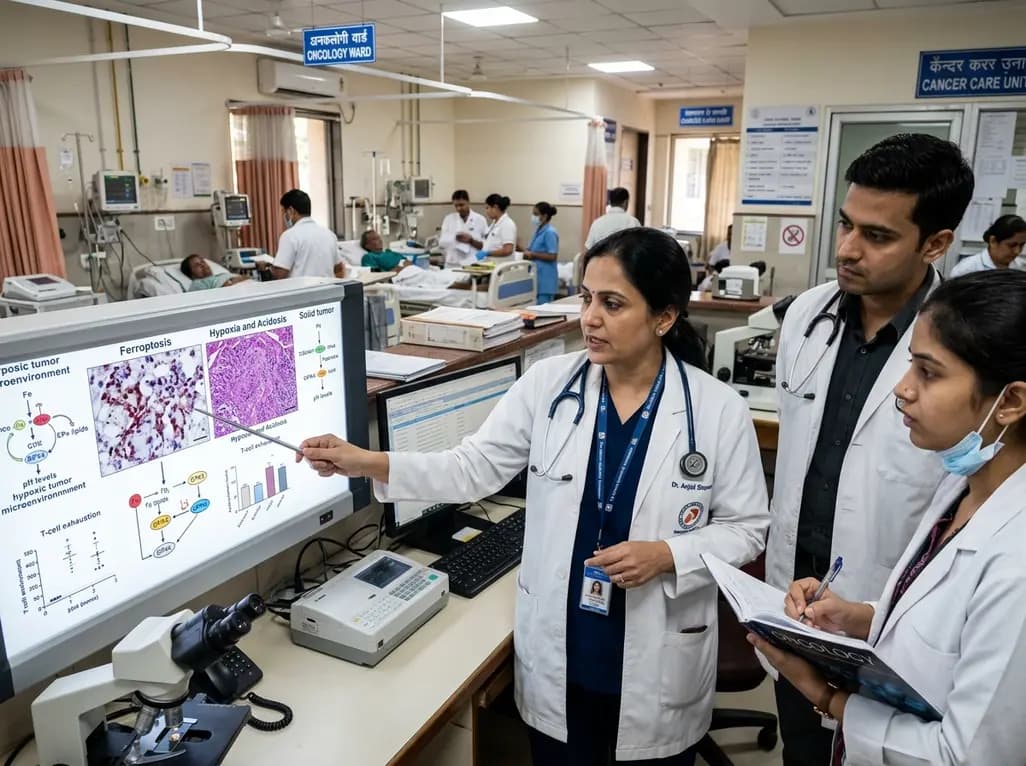
Targeting ferroptosis provides a compelling strategy to dismantle hypoxia- and acidosis-driven immunosuppression in solid tumors, enhancing response to modern immunotherapy.
Today

Findings from Project Viva indicate that sustained postpartum weight retention, rather than excessive gestational weight gain alone, directly worsens women's mid-life cardiovascular health, degrading blood pressure and glycemic parameters decades after delivery.
Today
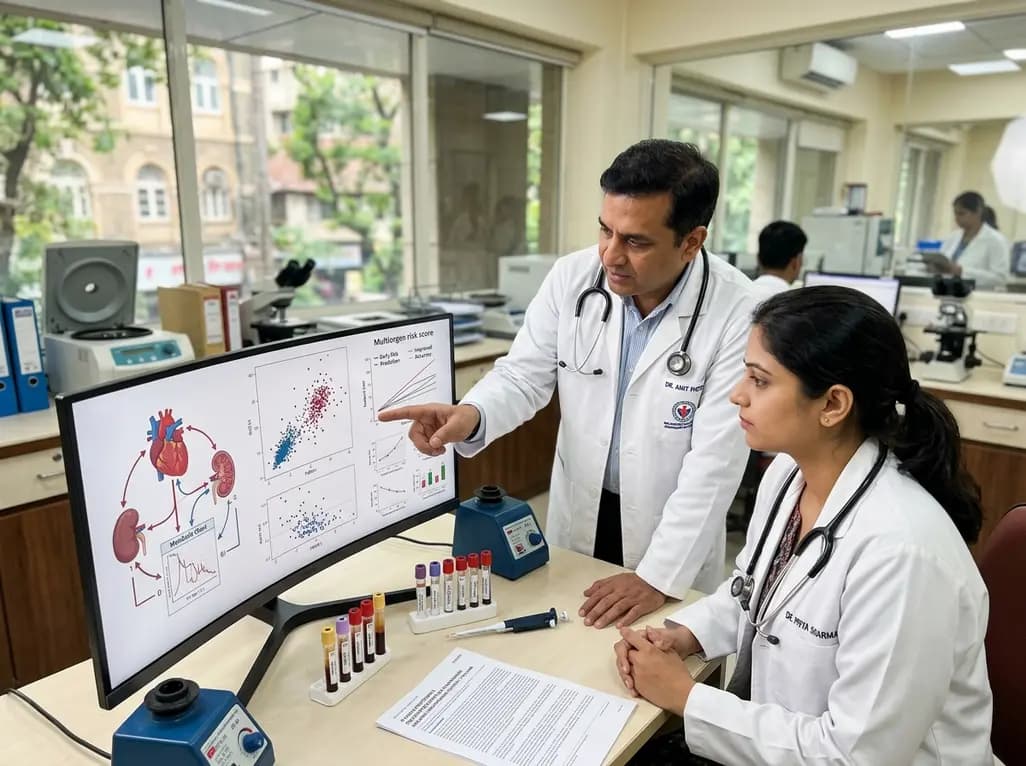
A large UK Biobank study reveals that plasma proteomic signatures capture preclinical organ damage and improve multiorgan risk prediction across early CKM syndrome stages 0 to 2 beyond traditional PREVENT clinical models.
Today

A retrospective CBCT study reveals that superior TMJ space asymmetry correlates moderately with occipital condyle-atlas-axis asymmetry in unilateral TMJ osteoarthritis, highlighting an imaging correlate between jaw biomechanics and upper cervical alignment rather than a standalone diagnostic marker.
Today

A Bayesian multilevel meta-analysis reveals that aerobic training combined with moderate carbohydrate restriction modestly lowers HbA1c in type 2 diabetes. However, sparse data and very low certainty leave incremental benefits over exercise or diet alone unproven, highlighting the need for individualized care.
Today
