.webp&w=384&q=75)

Loading, please wait...
Loading, please wait...
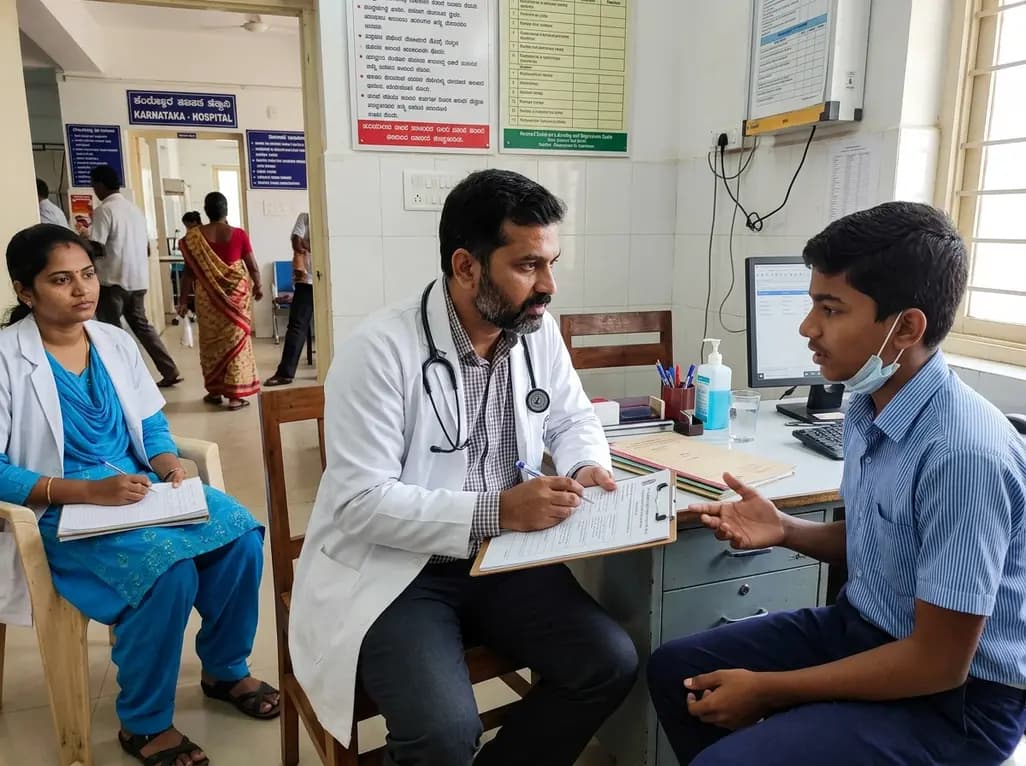
Adolescent mental health represents an escalating public health concern across India, where youth suicide rates remain alarming. Effective prevention strategies demand accurate diagnostic screening instruments. Clinicians frequently utilize international assessment tools to identify emotional disorders in young patients. However, Western psychometric scales often fail to reflect culturally nuanced expressions of emotional distress. Consequently, establishing rigorous RCADS-47 cultural validation is essential for child and adolescent psychiatric care in India. The Revised Children’s Anxiety and Depression Scale screens for anxiety and depressive disorders across six specific subscales. Nevertheless, linguistic barriers and semantic ambiguities can significantly distort self-reported symptom scores. Without rigorous cultural adaptation, practitioners risk misinterpreting symptoms or missing critical internalizing pathology entirely. Researchers recently addressed this gap by conducting cognitive interviews among adolescents in Karnataka. By evaluating how teenagers interpret each question, the study provides vital evidence to enhance diagnostic precision. This qualitative evaluation ensures that standardized screening instruments accurately reflect adolescent emotional experiences in Indian healthcare settings.
Adolescent psychiatric morbidity is rising rapidly in urban and semi-urban Indian populations. Academic pressure, rapid modernization, and societal stigma create substantial psychological distress among teenagers. Unfortunately, primary healthcare clinics often lack culturally validated screening tools to detect internalizing disorders early. When clinicians deploy unadjusted foreign assessment metrics, significant diagnostic discrepancies frequently emerge. For example, Indian adolescents often articulate emotional suffering through somatic complaints rather than overt psychological descriptions. Similarly, anxiety frequently centers around academic performance and familial expectations rather than individualistic concerns. Therefore, directly importing international scales without semantic adaptation produces unreliable epidemiological data. Pediatricians and mental health professionals require assessment tools that resonate with local socio-cultural contexts. Validated screening measures facilitate timely identification of major depressive disorder, generalized anxiety, and social phobia. Consequently, robust screening tools empower clinicians to initiate targeted psychosocial and pharmacological interventions. Strengthening early diagnostic accuracy directly supports national suicide prevention initiatives and optimizes adolescent mental health outcomes across India.
To determine how Indian youth interpret psychiatric questionnaires, researchers utilized the Think Aloud cognitive interview protocol. This qualitative technique requires participants to verbalize their thought processes while answering questionnaire items in real time. Specifically, investigators recruited twelve adolescents aged 13 to 17 years in Karnataka to evaluate the English version of the RCADS-47. Researchers documented participants' comprehension, interpretation of phrasing, and rationale for choosing specific responses. Trained analysts subsequently transcribed and coded the responses according to predefined cognitive categories. Whenever three or more adolescents encountered comprehension difficulties with a question, researchers flagged that item for rephrasing. Cognitive interviewing provides invaluable insights that standard statistical factor analysis cannot capture. Moreover, this approach identifies misleading colloquialisms and unfamiliar grammatical structures before widespread psychometric deployment. By uncovering subtle comprehension barriers, the think-aloud methodology establishes a solid scientific foundation for adapting clinical tools. Consequently, this qualitative step ensures that questionnaire revisions preserve diagnostic construct validity while maintaining semantic clarity for young respondents.
The cognitive interview findings revealed substantial comprehension challenges among the adolescent participants. Out of 47 scale items, researchers identified 14 problematic questions, confirming the necessity of RCADS-47 cultural validation. Difficulties primarily arose from complex English syntax, ambiguous idioms, and unfamiliar psychological terms. For instance, several items describing internal somatic tension caused notable confusion among participants. In addition, adolescents frequently struggled with response option formatting, confusing frequency terms like "sometimes" and "often." Most notably, the Obsessive-Compulsive Disorder subscale exhibited the highest concentration of problematic items. Teenagers often misunderstood clinical descriptions of intrusive thoughts and neutralizing compulsions. Furthermore, social phobia and generalized anxiety questions occasionally triggered ambiguous interpretations regarding normal adolescent behavior. These findings clearly demonstrate that unvalidated screening tools risk producing inaccurate clinical severity scores. Therefore, rephrasing the 14 identified items is essential before conducting broader epidemiological testing. Adapting these questions ensures that the scale accurately captures psychopathology without imposing foreign linguistic barriers on Indian youth.
A closer examination of the subscales reveals why specific psychiatric concepts require careful cultural contextualization. Within the Obsessive-Compulsive Disorder subscale, adolescents frequently conflated pathological compulsions with routine cultural practices, hygiene habits, or religious rituals. Consequently, standard Western phrasing failed to distinguish between distressing mental compulsions and normative daily routines. Similarly, panic disorder items assessing physiological sensations, such as trembling or palpitations, were occasionally attributed to environmental heat or physical fatigue. Moreover, generalized anxiety questions describing worry required simpler vocabulary to prevent misinterpretation among bilingual adolescents. In the depression subscale, items measuring anhedonia and worthlessness required linguistic adjustments to capture adolescent emotional expressions accurately. When phrasing is ambiguous, adolescents may misjudge symptom severity, leading to clinical misclassification. Thus, modifying these vulnerable items ensures that questions evaluate genuine psychological distress rather than lexical ambiguity. Refining subscale items enhances the instrument's diagnostic utility across diverse clinical and school-based settings in India.
These study results provide essential clinical insights for pediatricians, psychiatrists, and family physicians practicing in India. Currently, many healthcare facilities administer standard English psychometric questionnaires without assessing linguistic suitability. Clinicians must recognize that elevated symptom scores on unadapted instruments may reflect lexical confusion rather than true psychopathology. Conversely, subtle phrasing difficulties might cause distressed adolescents to underreport severe depressive or anxious symptoms. Therefore, healthcare providers should never rely solely on self-report questionnaires for definitive psychiatric diagnoses. Instead, practitioners must combine screening tools with detailed clinical interviews and collateral family histories. Furthermore, clinicians should actively clarify confusing terms when administering psychometric scales to adolescent patients. Healthcare institutions must support ongoing research to translate and validate pediatric screening tools across regional Indian languages. Implementing culturally validated instruments will dramatically improve diagnostic accuracy, reduce diagnostic delays, and foster early intervention. Ultimately, these clinical improvements will strengthen adolescent psychiatric care and support healthier developmental trajectories across the nation.
Cultural validation ensures that psychological screening questions accurately reflect local idioms of distress and linguistic comprehension. Direct translation or unadjusted use of Western tools often leads to misinterpretation, false positives, or underreported symptoms. Validating instruments within target populations guarantees diagnostic precision and reliable psychometric assessment in clinical practice.
The Obsessive-Compulsive Disorder subscale presented the most significant comprehension challenges among Indian adolescents. Participants frequently confused clinical compulsions with culturally normative rituals, daily habits, or familial discipline. Clarifying these items through careful rephrasing is necessary to distinguish authentic psychopathology from routine cultural behaviors during psychiatric screening.
Clinicians should interpret unvalidated English screening metrics cautiously, recognizing potential semantic ambiguities and cultural discrepancies. Healthcare providers should clarify confusing questions directly with adolescent patients during consultations. Furthermore, self-report questionnaire scores must always be corroborated with thorough clinical interviews, parental observations, and developmental histories before finalizing diagnoses.
Disclaimer: This content is for informational and educational purposes only and does not constitute medical advice, diagnosis, or treatment. Healthcare professionals should rely on their clinical judgment and verify details independently. Refer to the latest local and national guidelines for clinical practice.
References

Read summarized clinical updates, watch expert medical content, and earn CME certifications right from your smartphone.
Open your smartphone camera to scan and install.





Researchers evaluated the cultural validity of the RCADS-47 among Indian adolescents in Karnataka using think-aloud interviews. Fourteen problematic items were identified, notably within the OCD subscale, highlighting the need for semantic adaptation to improve mental health screening precision.
last month
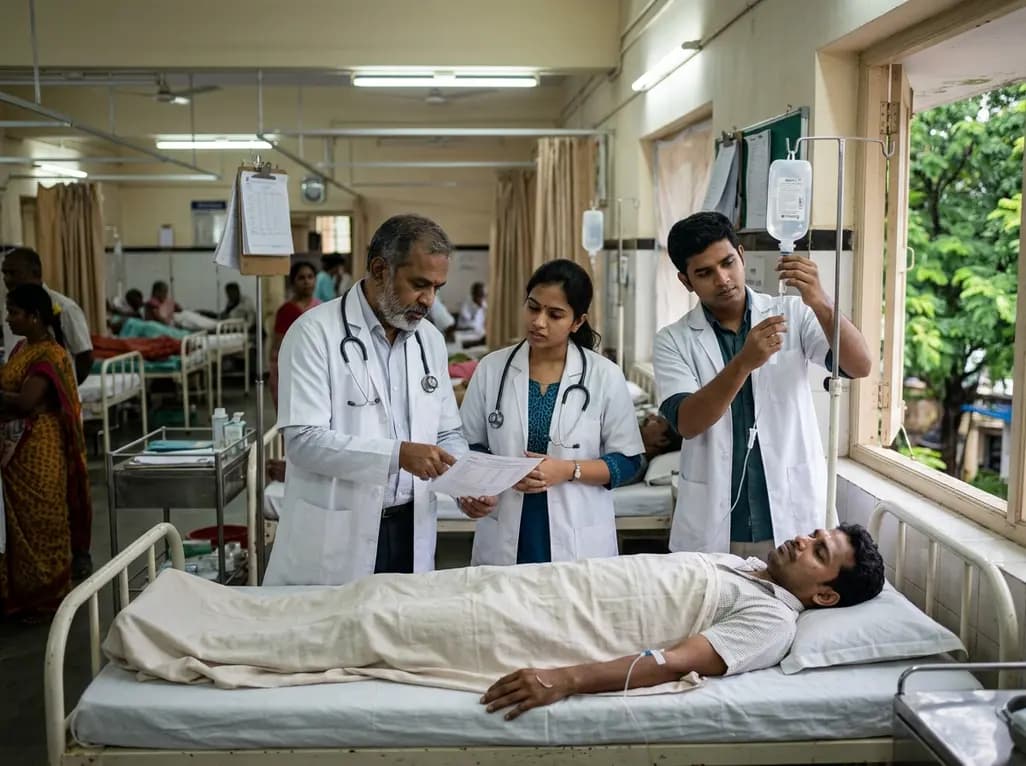
With post-monsoon dengue surges threatening South Asian health systems, physicians must refine triage and management. This guide covers vital warning signs, plasma leakage detection, crystalloid titration, and vector containment strategies to prevent mortality during seasonal arboviral epidemics.
Today
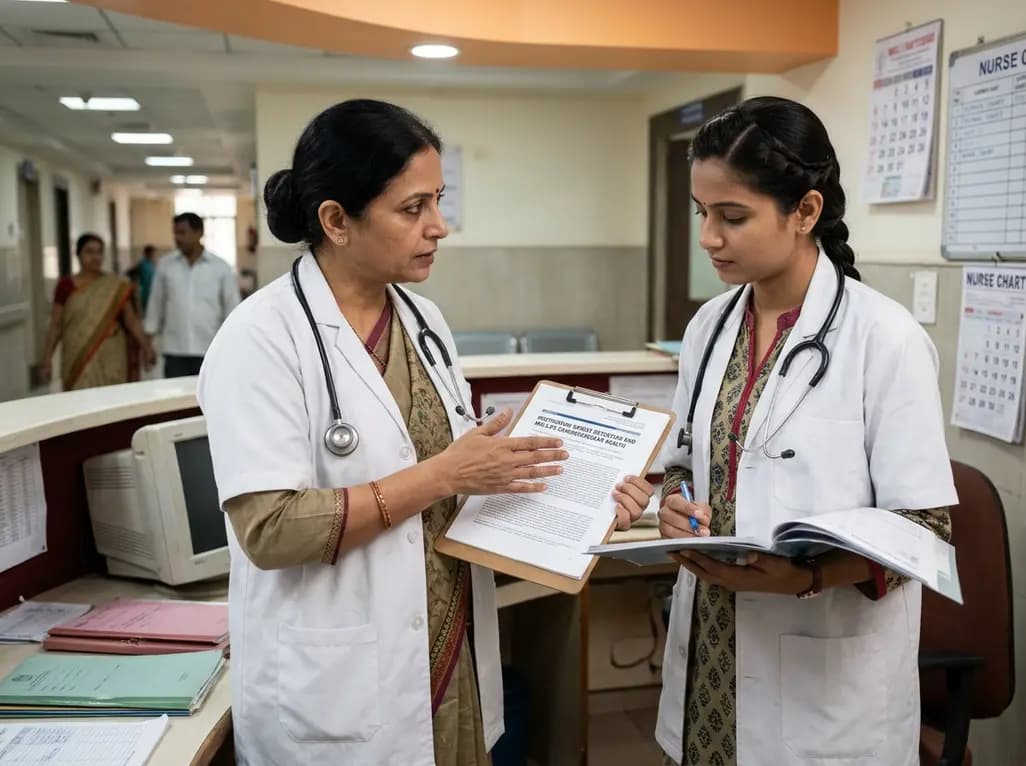
Findings from Project Viva indicate that sustained postpartum weight retention, rather than excessive gestational weight gain alone, directly worsens women's mid-life cardiovascular health, degrading blood pressure and glycemic parameters decades after delivery.
Today
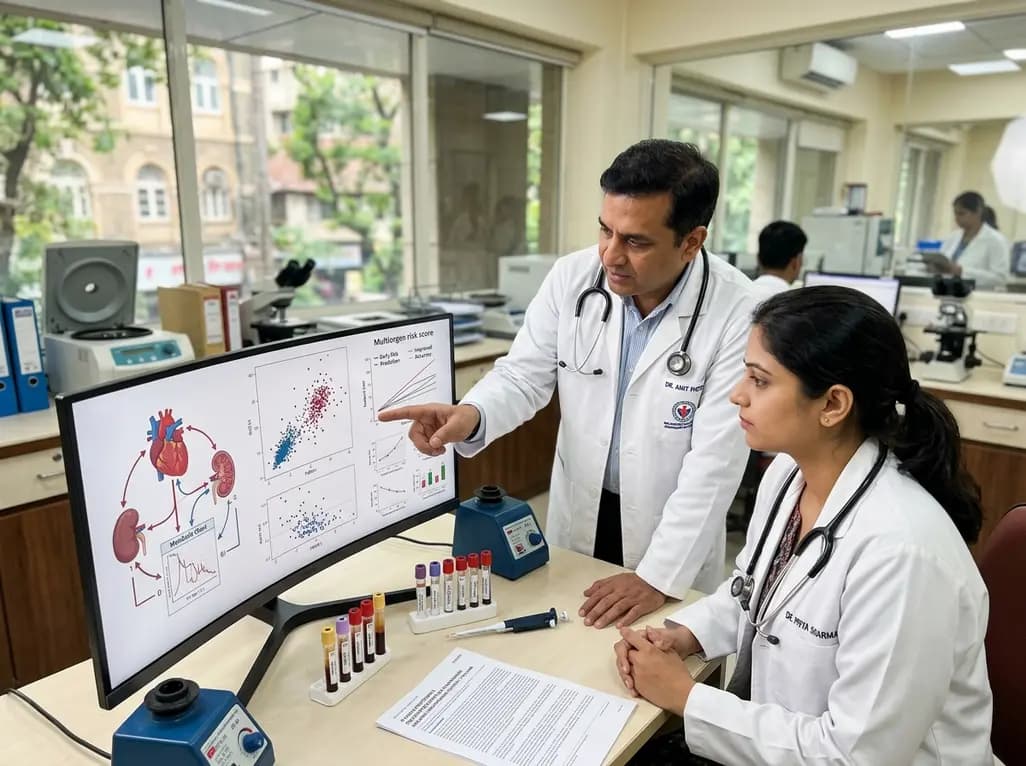
A large UK Biobank study reveals that plasma proteomic signatures capture preclinical organ damage and improve multiorgan risk prediction across early CKM syndrome stages 0 to 2 beyond traditional PREVENT clinical models.
Today
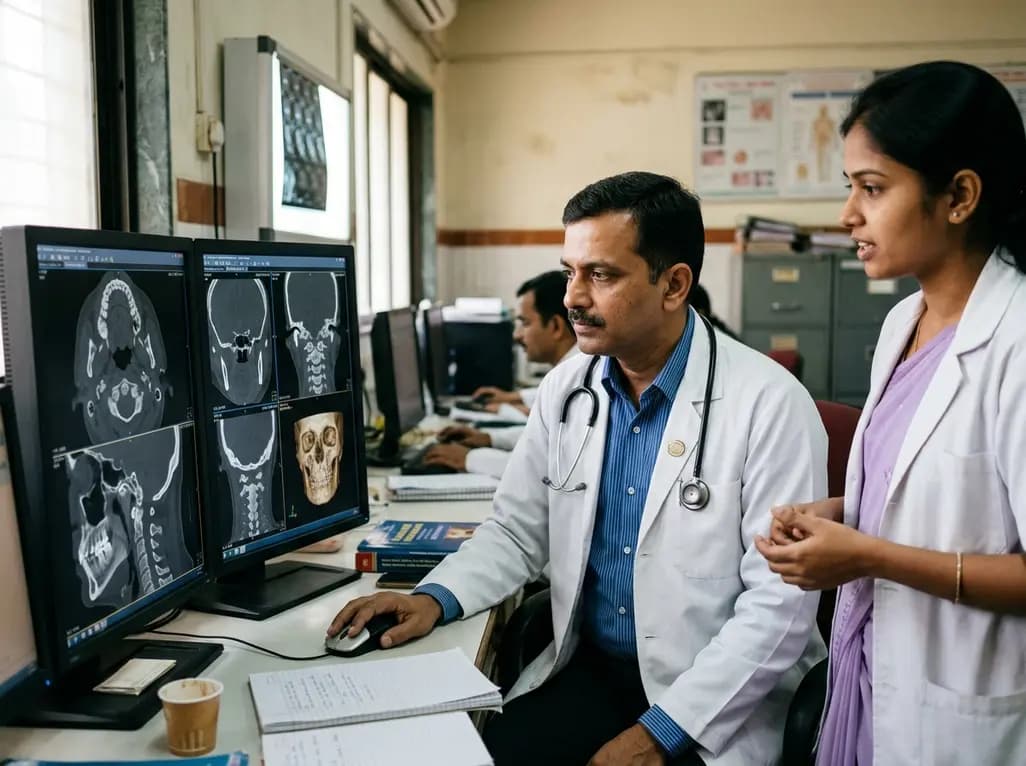
A retrospective CBCT study reveals that superior TMJ space asymmetry correlates moderately with occipital condyle-atlas-axis asymmetry in unilateral TMJ osteoarthritis, highlighting an imaging correlate between jaw biomechanics and upper cervical alignment rather than a standalone diagnostic marker.
Today

A Bayesian multilevel meta-analysis reveals that aerobic training combined with moderate carbohydrate restriction modestly lowers HbA1c in type 2 diabetes. However, sparse data and very low certainty leave incremental benefits over exercise or diet alone unproven, highlighting the need for individualized care.
Today
