.webp&w=384&q=75)

Loading, please wait...
Loading, please wait...
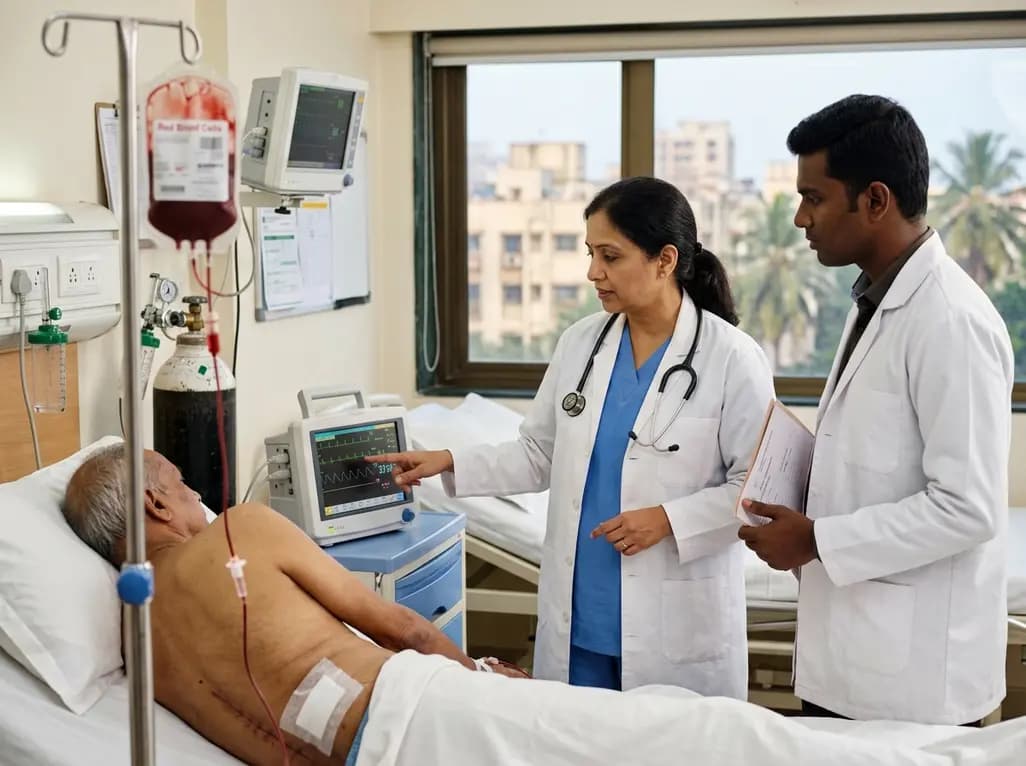
Surgical intervention for secondary vertebral column malignancies represents a complex clinical undertaking that carries considerable perioperative morbidity. Patients presenting with spinal metastases frequently suffer from cancer-associated cachexia, advanced disease burdens, prior radiotherapy, and systemic cytotoxic therapies that suppress host immunity. During major open decompressive and stabilizing procedures, significant surgical blood loss often necessitates perioperative allogenic red blood cell transfusion to maintain hemodynamic stability and vital organ perfusion. However, expanding evidence suggests that blood products induce clinically meaningful transfusion-related immunomodulation, potentially predisposing vulnerable individuals to secondary postoperative infectious complications. A rigorous multi-institutional cohort study of 796 patients has demonstrated that allogenic blood administration substantially elevates the likelihood of 30-day infectious outcomes following spinal metastasis surgery, prompting clinicians to critically reassess intraoperative transfusion triggers and implement meticulous blood management protocols.
Surgeons managing spinal metastases frequently encounter formidable intraoperative hemorrhage due to hypervascular tumor biology and extensive osseous reconstruction. Consequently, perioperative red blood cell administration remains widespread in contemporary practice. In the multicenter investigation, over 40% of patients received allogenic blood products during or immediately following surgical intervention. Subsequent statistical analysis revealed an overall 30-day infection incidence of 16% across the entire study population. Most importantly, multivariable logistic regression models determined that receiving a red blood cell transfusion was independently correlated with more than a two-fold increase in the odds of developing an infection (odds ratio 2.28). This association persisted robustly even after comprehensive sensitivity adjustments accounted for significant baseline confounders, including preoperative hemoglobin concentrations, operative duration, intraoperative blood loss volume, and total hospital length of stay, confirming blood administration as an independent prognostic hazard.
The biological rationale linking allosensitization to increased postoperative infection stems from transfusion-related immunomodulation, commonly designated as TRIM. Whenever an immunocompromised oncology patient receives allogenic blood components, foreign donor leukocytes and accumulated bioactive biological mediators infuse into the host circulation. Over storage intervals, preserved erythrocytes release immunosuppressive soluble factors, microparticles, unesterified iron, and arginase, which impair innate and adaptive immune cell function. Specifically, these foreign molecules suppress cytotoxic T-lymphocyte proliferation, downregulate natural killer cell activity, attenuate monocyte antigen presentation, and promote inhibitory regulatory T-cell differentiation. Consequently, the recipient encounters a temporary state of profound systemic immune paresis. In the vulnerable postoperative window, this blunted cell-mediated defense creates an opportunistic biological environment that permits opportunistic pathogens to colonize surgical incisions, instrumentation hardware, the urinary tract, and the respiratory epithelium.
A pivotal secondary objective of this clinical investigation centered on evaluating whether a safe threshold or minimal dose of allogenic blood exists. Extensive dose-response analyses established that even minimal exposure to donor blood, encompassing just a single unit of packed red cells, significantly escalates infectious vulnerability. The incremental risk displayed a noticeable linear dose-dependent pattern, whereby each additional unit transfused conferred higher infectious morbidity. These empirical findings underscore that no truly benign volume of donor red blood cells exists for patients undergoing surgical stabilization of metastatic spine lesions. Therefore, operating surgeons, neurocritical care intensivists, and anesthesiologists cannot assume that small-volume or single-unit transfusions carry negligible infectious consequences. Instead, clinical teams must recognize every administered unit as an active pharmacological intervention bearing both systemic immunologic liabilities and immediate clinical risks.
Given the marked correlation between donor blood exposure and postoperative sepsis, modern surgical oncology demands the standardized execution of Patient Blood Management (PBM) pathways. Preoperatively, clinicians should identify and correct reversible hematologic deficiencies, incorporating intravenous iron formulations or erythropoiesis-stimulating agents when oncologically appropriate. Intraoperatively, surgeons must utilize advanced hemostatic technologies, meticulous bipolar dissection, antifibrinolytic pharmacotherapy such as tranexamic acid, and automated cell-salvage systems to conserve autologous circulating volume. Postoperatively, clinical teams must enforce strict restrictive transfusion thresholds, withholding red blood cell administration in stable individuals unless hemoglobin levels drop below 70 to 80 g/L or overt hemodynamic compromise occurs. By transitioning from liberal historical practices toward restrictive, goal-directed transfusion strategies, multidisciplinary surgical care teams can successfully protect oncologic patients against preventable infectious morbidities.
Mitigating infectious complications after metastatic spine surgery requires cohesive, proactive collaboration among spine surgeons, medical oncologists, neuro-anesthesiologists, and infectious disease consultants. Because postoperative infections frequently derail necessary adjuvant systemic therapies, radiation schedules, and rehabilitation timelines, preserving patient immune competence represents a paramount therapeutic objective. Surgical teams must formulate individualized perioperative care plans that balance spinal stability against surgical invasiveness, considering minimally invasive stabilization techniques whenever clinically feasible to diminish muscular disruption and operative hemorrhage. Simultaneously, anesthesiology teams must optimize hemodynamic stability without relying prematurely on blood products as simple volume expanders. Through comprehensive multidisciplinary coordination and rigorous surveillance of infectious markers, clinical institutions can noticeably improve perioperative survival, shorten institutional stays, and enhance overall quality of life for patients confronting advanced spinal metastatic disease.
Allogenic blood contains foreign donor cellular antigens and accumulated bioactive mediators that suppress recipient host defenses. This phenomenon, known as transfusion-related immunomodulation, impairs cytotoxic T-cell function, attenuates natural killer cell responsiveness, and reduces macrophage phagocytosis. As a consequence of this transient systemic immunosuppression, surgical patients experience heightened vulnerability to invasive bacterial colonization within operative wounds, the urinary system, and the pulmonary parenchyma during the critical postoperative recovery window.
Current clinical research demonstrates that no completely safe minimum threshold exists for allogenic red blood cell administration. Even the infusion of a single unit of donor packed red cells substantially elevates the adjusted odds of developing systemic or surgical site infections within 30 days postoperatively. Furthermore, accumulating evidence indicates that infectious complications scale upward in a dose-dependent fashion with each additional red blood cell unit transfused.
Surgical teams can minimize donor blood utilization by rigorously implementing Patient Blood Management principles. Key perioperative interventions include correcting preoperative nutritional and hematologic deficiencies, utilizing intraoperative antifibrinolytics such as tranexamic acid, leveraging intraoperative autologous cell salvage, and performing meticulous hemostatic surgical dissection. Additionally, clinicians should strictly enforce restrictive postoperative transfusion guidelines, reserving allogenic red blood cells exclusively for symptomatic anemia or significant physiologic decompensation.
Disclaimer: This content is for informational and educational purposes only. It does not constitute medical advice, diagnosis, or treatment recommendations. Refer to the latest local and national guidelines for clinical practice.
References
de Reus DC et al. Allogenic Red Blood Cell Transfusion Increases Risk of Overall Infection After Surgery for Spinal Metastasis: A Retrospective Multi-Institutional Cohort Study of 796 Patients. Spine (Phila Pa 1976). 2026 Sep 07. doi: 10.1097/BRS.0000000000005837. PMID: 42704890.
Mueller MM, Van Remoortel H, Meybohm P, et al. Patient Blood Management: Recommendations From the 2018 Frankfurt Consensus Conference. JAMA. 2019;321(10):983-997.
Carson JL, Stanworth SJ, Guyatt G, et al. Clinical Practice Guidelines From the AABB: Red Blood Cell Transfusion Thresholds and Storage. JAMA. 2016;316(19):2025-2035.

Read summarized clinical updates, watch expert medical content, and earn CME certifications right from your smartphone.
Open your smartphone camera to scan and install.





A multi-institutional cohort study reveals that perioperative red blood cell transfusion more than doubles the risk of postoperative infection following surgery for spinal metastases, highlighting the urgent clinical need for restrictive transfusion protocols and enhanced patient blood management strategies.
last month
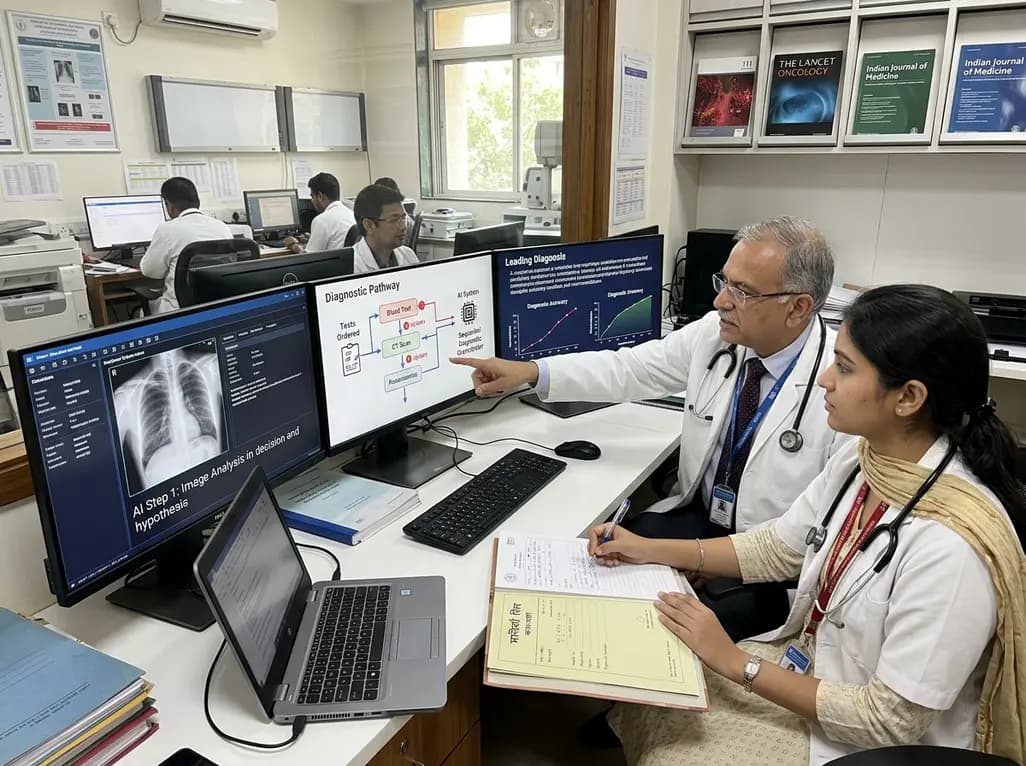
A breakthrough peer-reviewed study demonstrates that a sequential AI diagnosis system can mirror real-world clinical reasoning. By ordering stepwise tests and updating hypotheses dynamically, this multi-agent orchestrator achieved superior diagnostic accuracy while reducing investigative costs.
Today

A prenatal case highlights severe glutaric acidemia type II presenting as bilateral hyperechoic cystic kidneys at 18 weeks. Whole-exome sequencing revealed a novel homozygous ETFDH frameshift variant, demonstrating the power of rapid genetic testing in fetal renal anomalies.
Today

Review how tailored exercise programs benefit frail older patients with heart failure. Explore pathophysiological mechanisms, individualized training prescriptions, and strategies to overcome adherence barriers in clinical practice.
Yesterday

This comparative study evaluates posterior labral tears with and without glenohumeral instability, highlighting distinct demographic patterns, MRI underestimation in stable shoulders, and successful arthroscopic repair outcomes.
Yesterday

A clinical study demonstrates that early intervention with tocilizumab, either as monotherapy or bridged with corticosteroids, achieves significant proptosis reduction and resolves active inflammation in treatment-naive thyroid eye disease.
Yesterday
