.webp&w=384&q=75)

Loading, please wait...
Loading, please wait...
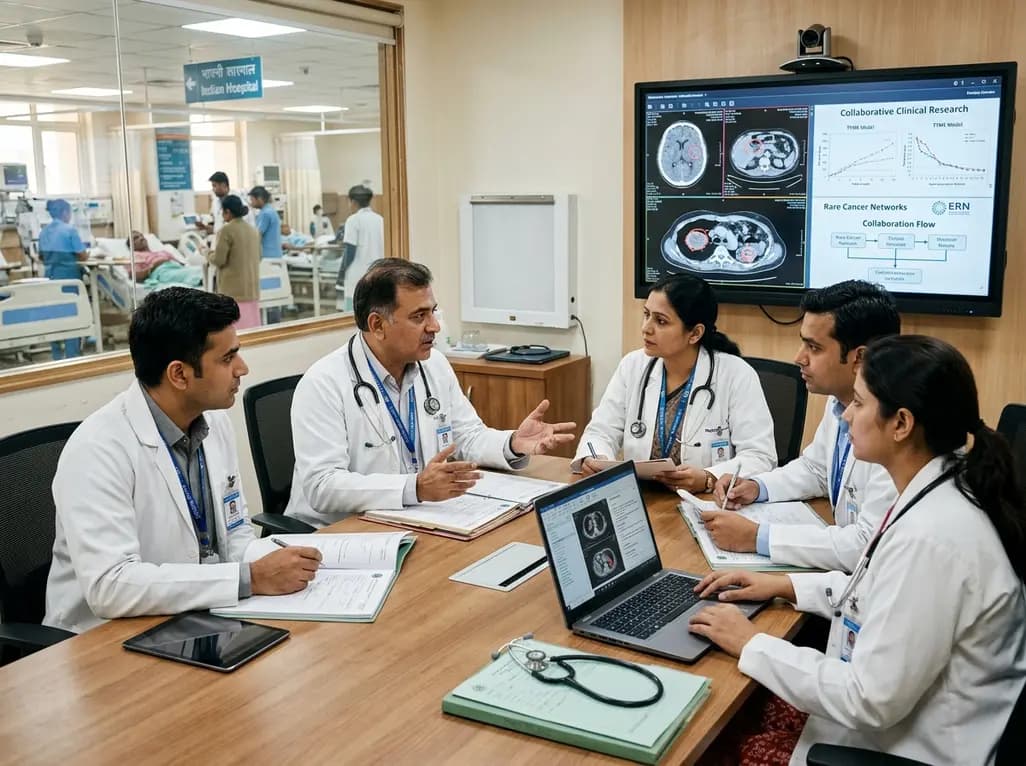
Managing uncommon malignancies remains one of the most formidable challenges in modern oncology. While individual rare tumors occur infrequently, they collectively account for nearly a quarter of all cancer diagnoses worldwide. Unfortunately, clinical expertise is often dispersed across geographically distant centers. Establishing structured rare cancer collaborative networks is therefore essential to bridge clinical gaps, standardize therapeutic protocols, and foster high-impact research for complex diseases such as thymic epithelial tumors.
Rare cancers encompass an exceptionally heterogeneous group of neoplasms with an incidence of fewer than six cases per 100,000 individuals annually. Consequently, general oncologists encounter these conditions infrequently, which frequently leads to delayed diagnoses, misclassifications, and non-standardized treatment approaches. Pathological assessment often presents significant ambiguity because specialized diagnostic biomarkers and molecular profiling require dedicated oncopathology expertise. Furthermore, clinical trials for rare tumors struggle with sluggish recruitment, leaving clinicians with limited phase III evidence to guide first-line and salvage therapies. Patients often experience significant disparities in survival compared to those with common solid malignancies. Thus, overcoming clinical isolation and fragmented case volumes represents the primary imperative in modern rare disease oncology.
To overcome geographic isolation and diagnostic fragmentation, rare cancer collaborative networks unite tertiary referral hubs, community hospitals, and academic researchers into cohesive healthcare ecosystems. These networks establish unified clinical governance models that ensure equitable access to evidence-based management pathways. Moreover, collaborative alliances streamline patient referral mechanisms, ensuring that complex cases promptly reach specialized centers without unnecessary administrative hurdles. By pooling institutional knowledge, networks develop harmonized clinical practice guidelines that reduce unwanted treatment variations. In addition, collective networks facilitate centralized biological sample banking, enabling translational researchers to investigate novel oncogenic drivers and identify druggable therapeutic targets across diverse patient cohorts.
The Italian TYME network represents a pioneering framework specifically dedicated to thymic epithelial tumors, including thymomas and thymic carcinomas. By establishing a national registry, standardizing histopathological criteria, and integrating thoracic surgeons, medical oncologists, and radiation specialists, TYME has transformed fragmented clinical care into focused academic collaboration. Similarly, European Reference Networks, particularly EURACAN, exemplify the power of multinational cooperation across adult solid rare cancers. These initiatives demonstrate that structured consortia enhance diagnostic precision through mandatory expert second opinions and synchronized registry data. Consequently, participating centers report higher adherence to clinical guidelines, improved enrollment in international registries, and enhanced access to novel therapeutic compounds for previously underserved patient populations.
Digital health infrastructure serves as the technological backbone for modern oncology networks. Secure web-based platforms allow multidisciplinary tumor boards to convene virtually, bringing together medical oncologists, thoracic surgeons, pathologists, and radiologists to review complex cases in real time. Furthermore, interoperable disease registries systematically collect real-world clinical data, treatment outcomes, and long-term toxicities. This continuous data aggregation generates robust longitudinal evidence that complements traditional prospective trials. Standardized electronic health records also facilitate cross-institutional data sharing while maintaining strict patient privacy standards. Ultimately, these digital solutions eliminate geographical barriers, enabling community clinicians to access tertiary-level expert opinions without requiring patients to travel extensive distances for initial consultations.
The operational principles established by the TYME network and European reference models provide actionable blueprints for global oncology, particularly in diverse healthcare environments like India. Initiatives such as the National Cancer Grid demonstrate how federated institutional networks can establish uniform treatment guidelines, conduct multicenter clinical trials, and pool diagnostic capabilities across hundreds of hospitals. Expanding dedicated sub-networks for rare thoracic, endocrine, and mesenchymal tumors within existing national frameworks will markedly reduce diagnostic delays. Continued public investment, sustainable health policy support, and interoperable digital registries remain essential to scale these collaborative ecosystems. Through structured institutional partnerships, clinicians can ensure that rare cancer patients receive standardized, high-quality, and evidence-driven oncological care.
Collaborative networks are essential because rare malignancies suffer from fragmented expertise, delayed diagnoses, and limited clinical evidence. By connecting specialized centers with community hospitals, these networks standardize diagnostic workflows, facilitate expert second opinions, and aggregate patient cohorts. Consequently, clinicians gain access to evidence-based management guidelines and centralized molecular testing, which substantially improves clinical decision-making and patient survival outcomes across diverse healthcare settings.
The Italian TYME network optimizes the management of thymic epithelial tumors by integrating multidisciplinary specialists, centralized pathological reviews, and longitudinal registries. This structured approach eliminates clinical isolation, standardizes surgical and systemic therapeutic strategies, and accelerates translational research. As a result, patients benefit from uniform clinical standards, timely expert interventions, and improved access to innovative clinical trials for rare thoracic malignancies.
Virtual tumor boards enable multidisciplinary panels comprising medical oncologists, surgeons, radiologists, and specialized pathologists to review complex cases collaboratively via digital platforms. This process eliminates geographical disparities, provides timely expert consensus on ambiguous diagnostic findings, and formulates individualized treatment plans without requiring patients to travel, ensuring prompt and high-quality clinical care.
Disclaimer: This content is for informational and educational purposes only. It is not intended to be a substitute for professional medical advice, diagnosis, or treatment. Refer to the latest local and national guidelines for clinical practice.
References
Trama A et al. From fragmentation to focus: building collaborative networks for rare cancer research - the Italian TYME network as a model for care and innovation? Expert Rev Anticancer Ther. 2026 Aug 24. doi: 10.1080/14737140.2026.2723471. PMID: 42634880.
Blay JY et al. European Reference Network for rare adult solid cancers, statement and integration to health care systems of member states: a position paper of the ERN EURACAN. ESMO Open. 2021;6(4):100174.
Pramesh CS et al. The National Cancer Grid of India. Indian J Med Paediatr Oncol. 2014;35(3):226-227.

Read summarized clinical updates, watch expert medical content, and earn CME certifications right from your smartphone.
Open your smartphone camera to scan and install.





Rare cancers present complex diagnostic and therapeutic hurdles due to clinical fragmentation. Collaborative networks, exemplified by the Italian TYME initiative and European Reference Networks, provide a blueprint for multidisciplinary care, standardized registries, and accelerated clinical research in oncology.
last month
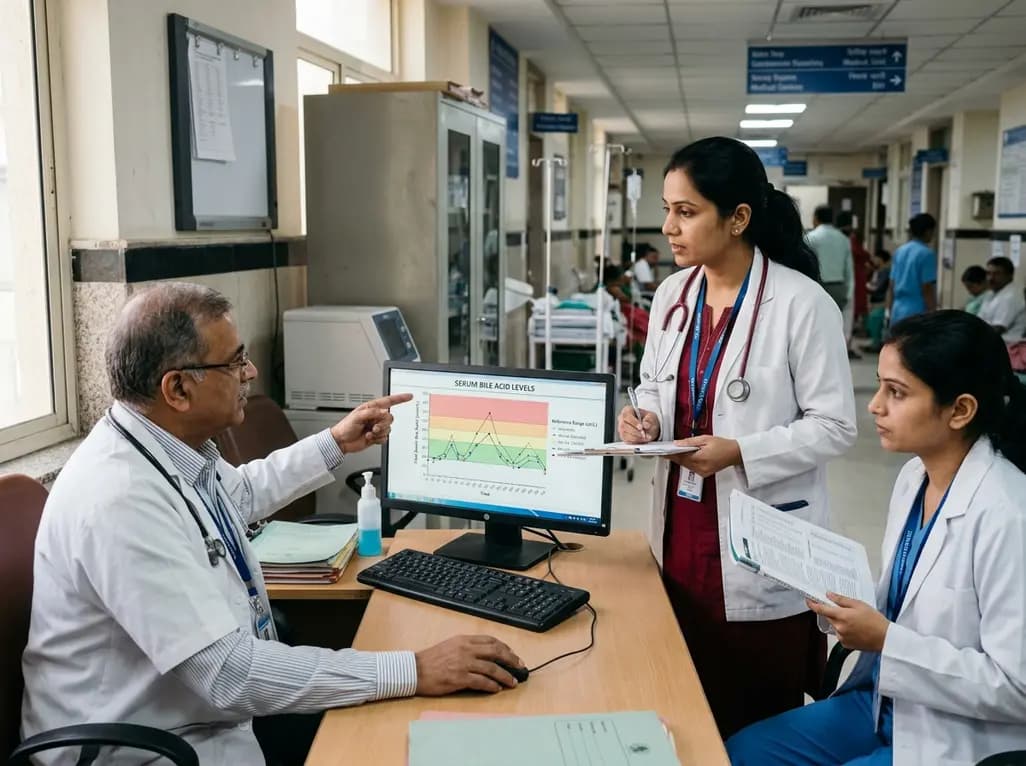
A comprehensive analysis of serum bile acid variability establishes robust reference ranges and reveals how sex, age, BMI, and smoking alter circulating profiles.
Today

A retrospective cost-minimization study of 16,695 Medicare patients reveals that pelvic floor muscle therapy and pessaries incur less than half the 1-year costs of primary sling surgery, supporting conservative management as initial therapy.
Today
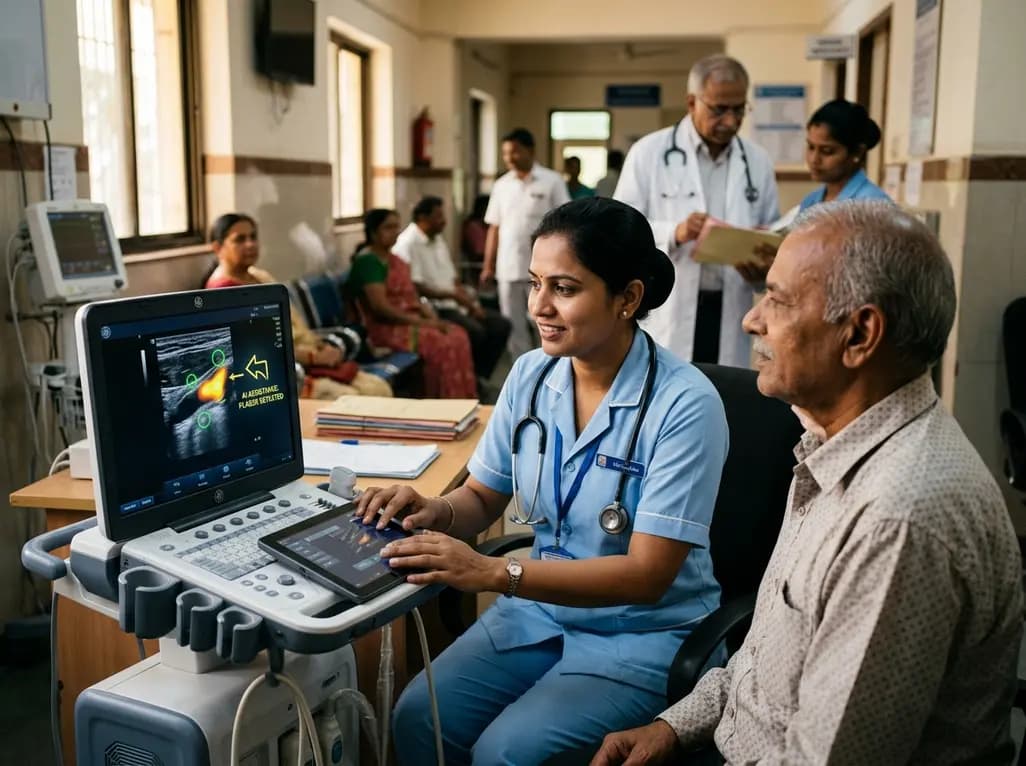
A user-centered study demonstrates that AI-assisted carotid ultrasound enables nonexpert primary care staff to detect subclinical atherosclerosis. With real-time guidance and workflow optimization, this technology supports early cardiovascular risk communication and task-shifting in routine clinical practice.
Today
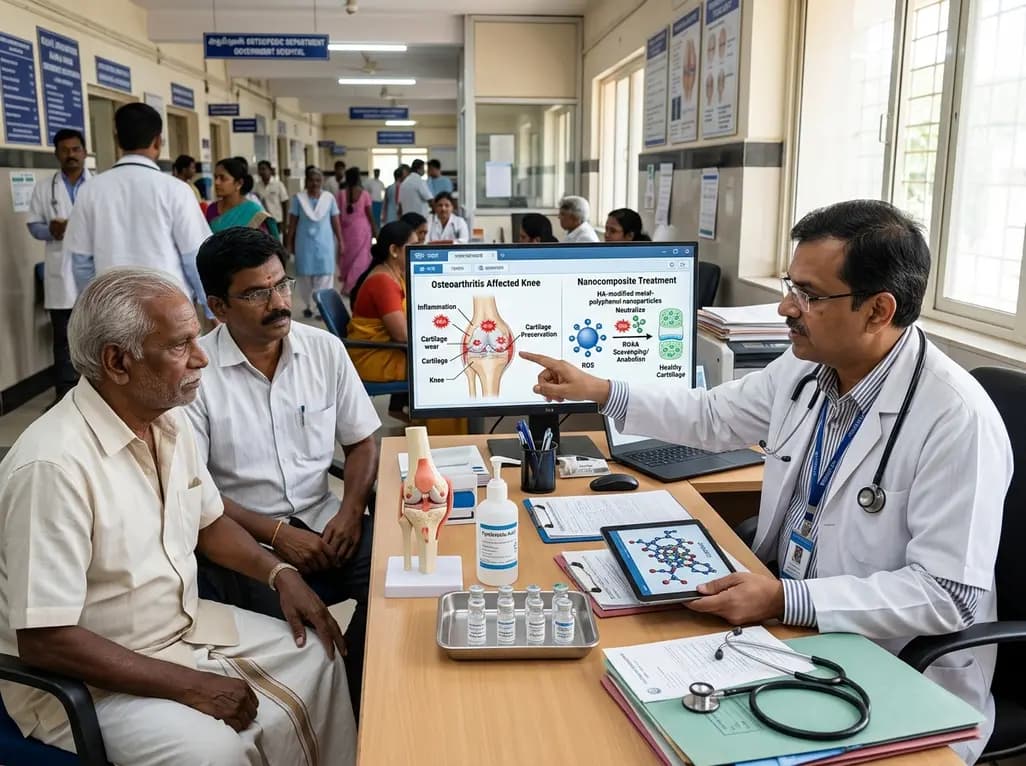
A hyaluronic acid-modified metal-polyphenol nanocomposite successfully eliminates reactive oxygen species in chondrocytes, halts cartilage breakdown, and promotes tissue anabolism, presenting a novel disease-modifying strategy for early osteoarthritis.
Today
A pilot randomized trial demonstrates that digital wellness applications and medically tailored meals significantly attenuate rapid weight regain following GLP-1 receptor agonist discontinuation, providing valuable transitional support for long-term obesity management.
Today
