

Loading, please wait...
Loading, please wait...

Oral malignancies represent an escalating global public health emergency, particularly in regions with prevalent carcinogenic habits. Recent molecular investigations demonstrate how host genetic architecture modulates external environmental hazards. Specifically, evaluating the RAD51 oral cancer risk provides vital biological insights into personalized disease vulnerability. The RAD51 recombinase plays a central role in preserving genomic integrity through homologous recombination repair. When external carcinogens induce double-strand DNA breaks, effective repair pathways prevent malignant transformation. However, common inherited polymorphisms can alter enzymatic efficiency. Consequently, deciphering the interplay between host genetics and toxic exposures remains essential for precision oncology.
Maintaining genomic stability requires prompt repair of dangerous DNA double-strand breaks. In human cells, homologous recombination provides an accurate, error-free mechanism for resolving chromosomal damage. The RAD51 gene encodes a crucial recombinase that catalyzes strand exchange and homologous pairing during this repair cascade. Therefore, robust RAD51 activity protects chromosomal architecture against daily genotoxic assaults. However, functional single nucleotide polymorphisms within this gene can modulate transcription rates or modify transcript stability. Consequently, these genetic alterations impair cellular resistance against environmental toxins.
In oral tissues, continuous contact with chemical mutagens damages genomic DNA. While healthy mucosal cells promptly recruit repair proteins, defective RAD51 function permits chromosomal instability. As a result, somatic mutations accumulate rapidly within the stratified squamous epithelium. Furthermore, defective homologous recombination accelerates neoplastic transformation and promotes tumor progression. Clinicians must recognize that constitutional DNA repair capacity varies across different patient cohorts. Therefore, evaluating RAD51 polymorphisms expands our understanding of head and neck carcinogenesis. Solitary genetic alterations rarely produce tumors on their own. Instead, they act as powerful susceptibility modifiers during ongoing toxic exposures.
A large case-control study conducted in Taiwan investigated 958 histologically confirmed oral cancer patients alongside 958 matched healthy controls. Researchers genotyped three specific RAD51 polymorphisms: rs2619679, rs5030789, and rs1801320. Specifically, the study team used polymerase chain reaction-restriction fragment length polymorphism methods with blinded duplicate validation. All genotype distributions among control participants conformed closely to Hardy-Weinberg equilibrium standards. Multivariable logistic regression models subsequently calculated adjusted odds ratios to establish definitive statistical correlations.
Interestingly, primary unstratified analyses revealed that none of the three variants significantly increased oral cancer susceptibility independently. For instance, analyzing rs1801320 showed that the heterozygous CG genotype yielded an odds ratio of 1.09. Similarly, the homozygous CC genotype generated an odds ratio of 1.44 without reaching statistical significance. These initial data indicated that RAD51 polymorphisms alone do not determine baseline oral cancer risk. However, malignant transformation rarely stems from single genetic variants acting in isolation. Rather, subtle repair deficiencies require external environmental catalysts to manifest clinically. Therefore, investigators performed detailed exposure-stratified analyses to uncover hidden interactions.
When investigators stratified study participants by smoking status, remarkable gene-environment interactions emerged. Cigarette smoke delivers potent mutagens, including polycyclic aromatic hydrocarbons and tobacco-specific nitrosamines, directly to oral tissues. Consequently, these compounds induce heavy oxidative stress and complex double-strand breaks. Among active smokers, the rs5030789 AG genotype significantly elevated cancer risk, producing an adjusted odds ratio of 1.43. Furthermore, smokers carrying the homozygous AA genotype experienced an odds ratio of 2.76, reflecting a substantial risk surge.
Similarly, smokers carrying rs1801320 variants demonstrated heightened oncogenic vulnerability. Specifically, smokers with the CG genotype showed an adjusted odds ratio of 1.50, whereas homozygous CC carriers reached an odds ratio of 2.08. Thus, tobacco exposure significantly amplifies the RAD51 oral cancer risk among susceptible allele carriers. Intriguingly, non-smokers carrying the rs1801320 CG genotype displayed a contrasting protective effect, showing an adjusted odds ratio of 0.43. Consequently, these findings prove that environmental exposures fundamentally govern whether a genetic variant promotes or prevents malignancy.
Alcohol consumption represents another major lifestyle exposure that modifies mucosal vulnerability. The human body metabolizes ethanol into acetaldehyde, a known mutagen that forms destructive DNA adducts. Moreover, alcohol increases mucosal permeability, allowing lipophilic tobacco carcinogens to penetrate deep into epithelial layers. When investigators analyzed alcohol drinkers, the rs1801320 CG genotype correlated with elevated oral cancer risk, yielding an adjusted odds ratio of 1.31. Furthermore, alcohol consumers carrying the CC genotype exhibited a doubled risk, demonstrating an adjusted odds ratio of 2.01.
In contrast, stratified analyses regarding betel quid chewing showed no statistically significant risk changes for these specific alleles. This difference suggests that different chemical carcinogens engage distinct repair mechanisms. Alcohol-induced DNA adducts place heavy demands on homologous recombination pathways. Therefore, impaired RAD51 activity allows dangerous genomic lesions to persist in active drinkers. When individuals combine alcohol use with tobacco smoking, these synergistic carcinogenic mechanisms overwhelm mucosal defenses. Consequently, gene-environment interactions explain why certain exposed individuals develop aggressive oral carcinomas while others remain unaffected.
These observational findings offer crucial insights for contemporary oncology and dental practice. Currently, conventional screening relies on self-reported social histories and physical mucosal examinations. However, integrating validated genetic biomarkers could greatly improve clinical risk stratification. Healthcare providers can identify vulnerable smokers and drinkers who carry sensitizing RAD51 genotypes. Consequently, targeted surveillance programs could detect premalignant dysplasias before invasive carcinoma develops.
Furthermore, individualized genetic risk communication could strengthen lifestyle cessation interventions. Patients often fail to appreciate how inherited traits amplify the harms of lifestyle habits. Explaining that specific alleles double or triple cancer risk provides tangible motivation for smoking and alcohol cessation. Additionally, understanding DNA repair deficiencies may guide future therapeutic choices. Tumors with impaired homologous recombination often show increased sensitivity to platinum chemotherapeutics and novel DNA-damaging drugs. Therefore, analyzing RAD51 variants bridges public health prevention with customized clinical management.
The RAD51 gene encodes an essential recombinase protein responsible for homologous recombination, which accurately repairs lethal double-strand DNA breaks. When single nucleotide polymorphisms alter RAD51 transcription or enzymatic stability, mucosal cells struggle to resolve chronic cellular injury. Tobacco smoke and alcohol metabolites produce substantial mutational burdens in oral tissues. Consequently, defective repair enables dangerous mutations to accumulate unchecked, accelerating genomic instability and driving malignant oncogenic progression.
RAD51 polymorphisms exhibit minimal independent pathogenicity in clean, unexposed environments because baseline cellular repair demands remain relatively low. However, cigarette smoke and alcohol intake expose the oral epithelium to intense genotoxic stress, requiring robust homologous recombination to preserve integrity. In the presence of these severe carcinogens, inherited genetic repair deficiencies become clinically consequential. Therefore, elevated cancer susceptibility manifests primarily through complex gene-environment interactions rather than solitary genetic determinants.
Identifying RAD51 variants allows clinicians to stratify tobacco and alcohol users into distinct oncogenic risk tiers for targeted clinical management. High-risk genotype carriers can undergo frequent, vigilant oral mucosal examinations, facilitating early detection of premalignant lesions like leukoplakia. Furthermore, communicating personal genetic risk provides powerful personalized motivation for smoking and alcohol cessation counseling. Ultimately, these precision insights help optimize preventive resources and improve long-term patient outcomes.
Disclaimer: This content is for informational and educational purposes only... Refer to the latest local and national guidelines for clinical practice.
References

Read summarized clinical updates, watch expert medical content, and earn CME certifications right from your smartphone.
Open your smartphone camera to scan and install.





A Taiwanese case-control study reveals that RAD51 polymorphisms alone do not increase oral cancer risk, but significantly elevate susceptibility when combined with smoking and alcohol consumption. These findings highlight the critical role of gene-environment interactions in oral carcinogenesis.
Today
A study in acute care and ICUs reveals that clinicians prefer in-person interpretation over remote modalities during high-stakes encounters, end-of-life discussions, and severe patient communication barriers like delirium, highlighting the indispensable value of human presence in critical care.
Today
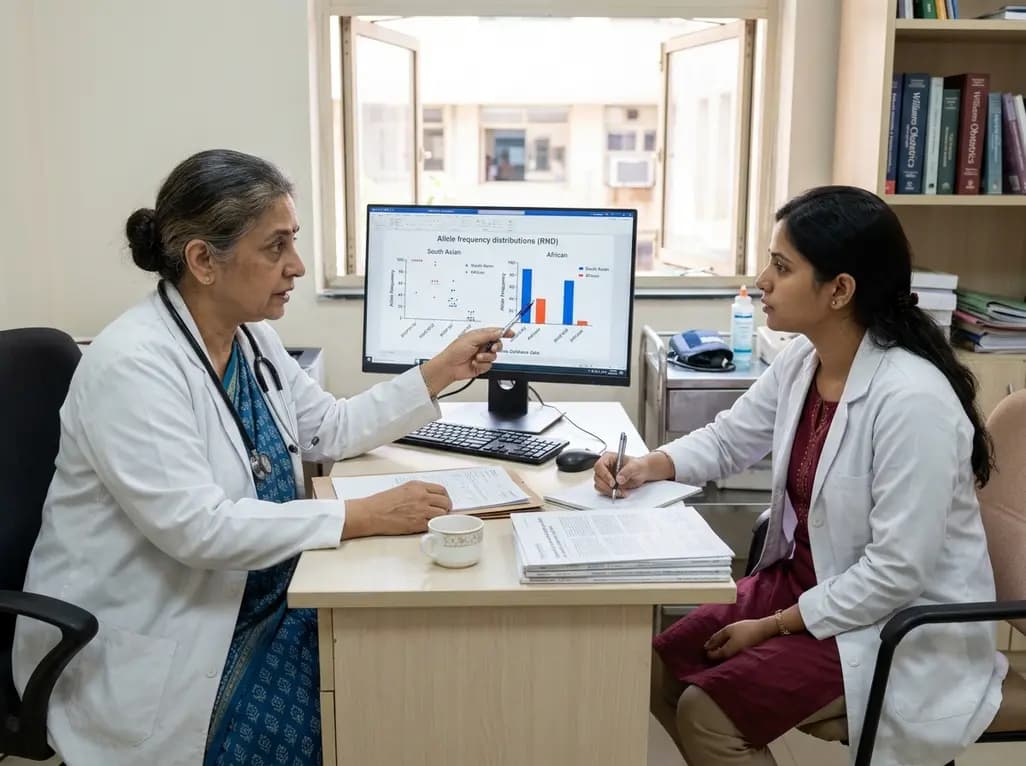
Large genomic databases like gnomAD and All of Us offer crucial insights into the population prevalence of partial RHD genotypes. Identifying these variants helps clinicians mitigate anti-D alloimmunization risks in transfusion medicine and obstetric care across diverse ancestral populations.
Yesterday

A retrospective cohort study evaluated low-dose (50 mg) versus standard-dose (100 mg) alteplase in high-risk pulmonary embolism. The study showed comparable 24-hour hemodynamic stability and mortality, alongside a significant reduction in mechanical ventilation duration and fewer major bleeding events.
Today
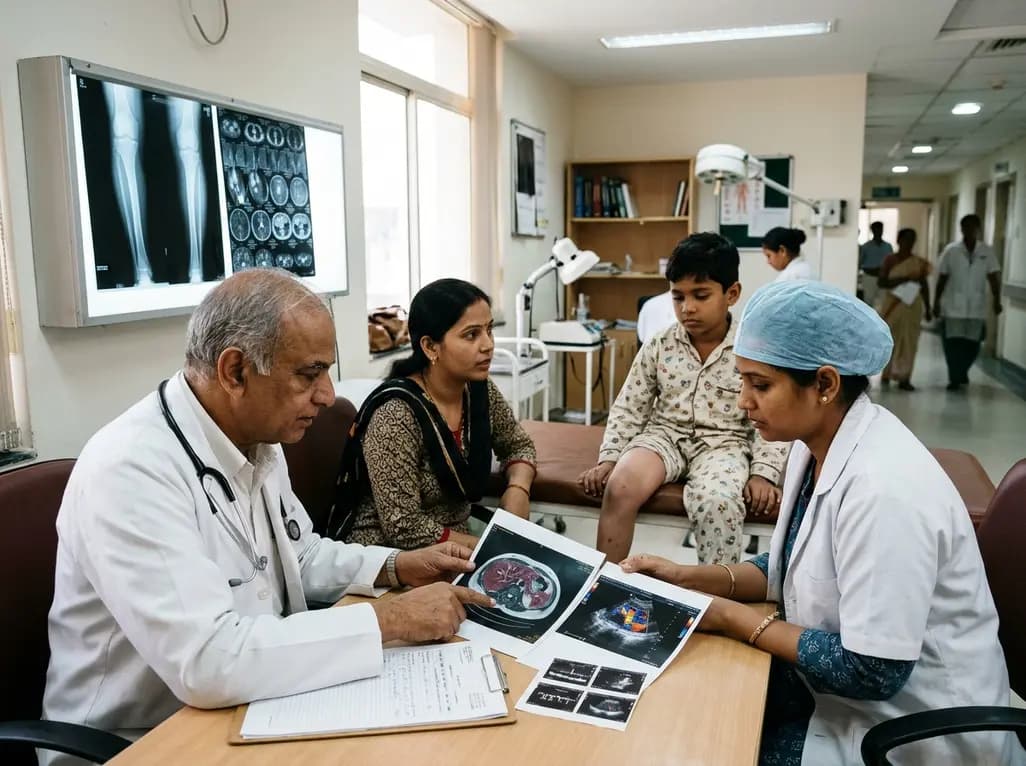
Deep intramuscular vascular malformations in pediatric Klippel-Trenaunay syndrome can mimic Maffucci syndrome. Multimodality imaging with Doppler ultrasound and MRI, along with histopathology, ensures prompt differential diagnosis, targeted surgical debulking, and optimized conservative surveillance.
Today
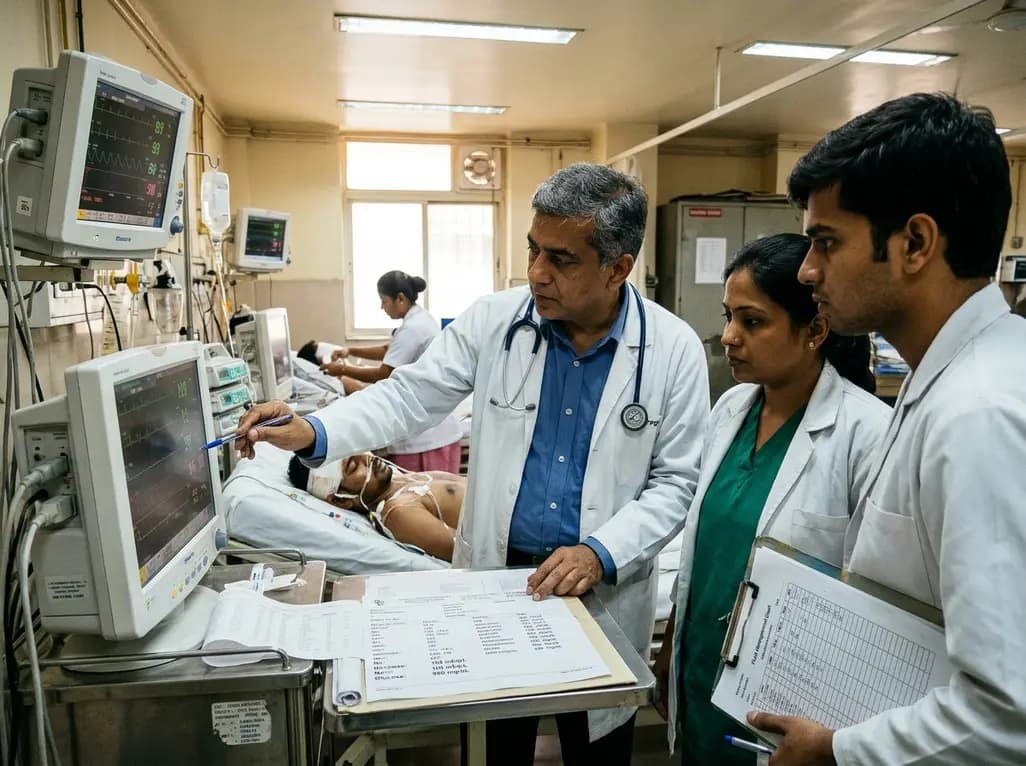
A complex clinical case reveals how adipsic hypernatremia after traumatic brain injury, combined with hyperosmolar hyperglycemic state, triggers life-threatening dehydration and extensive venous thromboembolism, emphasizing the vital role of meticulous fluid management and vigilance.
Today
