.webp&w=384&q=75)

Loading, please wait...
Loading, please wait...
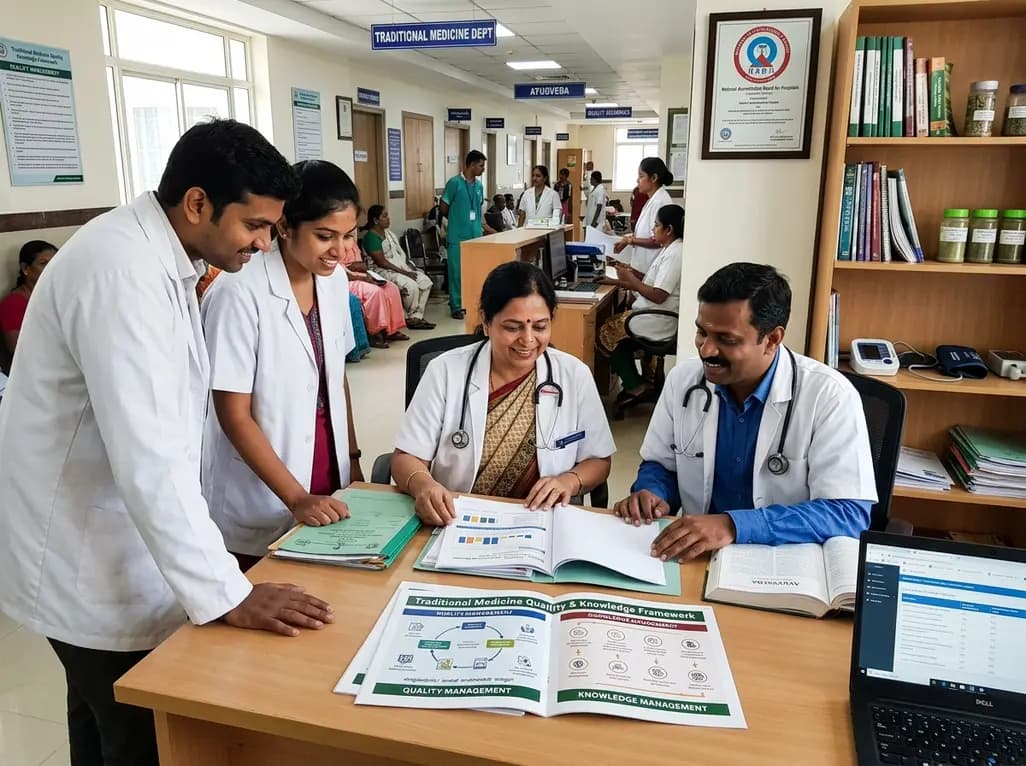
Traditional medicine hospitals hold a unique position across global healthcare systems, bridging ancient cultural wisdom and contemporary biomedical expectations. These clinical facilities deliver care rooted in classical healing paradigms while meeting strict regulatory standards. However, institutional leadership frequently encounters friction when attempting to standardize tacit medical traditions without diluting their foundational principles. A comprehensive scoping review has systematically examined the critical intersection of quality management and knowledge governance within traditional, complementary, and ethnomedicine-based clinical institutions. By synthesizing global evidence, researchers established an implementation blueprint that transforms how healthcare institutions validate, standardize, and safely apply ancestral therapeutic wisdom in daily inpatient and outpatient clinical routines.
Modern healthcare delivery demands rigorous clinical governance, measurable outcomes, and robust patient safety benchmarks. Consequently, traditional medicine hospitals face complex operational pressures that go far beyond standard statutory compliance. Clinicians must preserve time-tested philosophical frameworks while also generating verifiable clinical evidence for regulatory authorities and discerning patients. Furthermore, ethnomedicine services often struggle with fragmented documentation, subjective diagnostic criteria, and unstandardized treatment preparation.
Therefore, integrating structured healthcare quality frameworks with dynamic knowledge management offers a practical remedy for clinical institutions. This systematic integration enables healthcare providers to capture valuable empirical knowledge from experienced senior practitioners. In addition, it translates traditional diagnostic parameters into reproducible, standardized clinical workflows without eroding their unique cultural foundations. Modern institutional frameworks facilitate systematic data collection across routine clinical encounters, allowing physicians to monitor therapeutic outcomes transparently. By establishing consistent clinical documentation, hospitals significantly reduce unwarranted treatment variations. Ultimately, this balanced approach protects traditional intellectual heritage while aligning hospital operations with global quality mandates, fostering public confidence and multidisciplinary collaboration.
The comprehensive scoping review identified seven interdependent thematic domains essential for operationalizing quality and knowledge governance in ethnomedicine settings. First, robust institutional governance and clear accountability establish organizational leadership and oversight. Second, evidence generation and context-sensitive standardization ensure that clinical guidelines respect traditional theory while adopting systematic safety precautions. Third, institutions must prioritize the preservation and structured transfer of tacit clinical wisdom from master healers to modern trainees.
Fourth, comprehensive patient safety mechanisms and proactive clinical risk management prevent herb-drug interactions and adverse therapy incidents. Fifth, delivering culturally and linguistically responsive, person-centered care ensures that patients feel respected, informed, and actively involved in their therapeutic journeys. Sixth, establishing robust digital knowledge infrastructure and continuous organizational learning enables hospitals to collect electronic health records and track real-world clinical performance. Finally, structured clinical integration, transparent referral pathways, and standardized outcome measurements connect traditional services with mainstream healthcare facilities. When hospitals address all seven domains simultaneously, they build a resilient clinical ecosystem that safeguards patient welfare, validates clinical efficacy, and elevates overall operational standards.
To operationalize these diverse domains, researchers formulated the Quality-Knowledge Integration Cycle. This dynamic model links four foundational inputs: classical traditional knowledge, external scientific evidence, routine clinical data, and patient-reported experiences. These diverse streams feed directly into a continuous five-stage operational cycle consisting of validation, codification, knowledge sharing, clinical application, and structured feedback evaluation.
Initially, clinicians critically validate traditional formulations and interventions against modern pharmacological safety and efficacy data. Next, teams codify tacit clinical insights into clear standard operating procedures, electronic clinical decision support tools, and clinical practice algorithms. Subsequently, educational programs and multidisciplinary grand rounds share this codified wisdom across clinical departments. During the application phase, practitioners deliver individualized care guided by these validated protocols. Finally, systematic clinical audits and patient outcome evaluations generate valuable feedback that continuously updates the institutional knowledge base. By anchoring this dynamic cycle against established healthcare quality dimensions, such as safety, effectiveness, equity, and patient-centeredness, traditional healthcare centers maintain operational excellence while fostering continuous scientific inquiry and sustainable organizational learning.
Preserving tacit clinical expertise represents one of the greatest operational vulnerabilities in traditional medical institutions. Historically, master clinicians transmitted nuanced diagnostic skills and proprietary treatment modifications solely through informal apprenticeships. When senior practitioners retire, valuable clinical knowledge often disappears permanently. Therefore, healthcare facilities must implement systematic knowledge capture mechanisms, including video documentation, structured mentorship debriefs, and digitized clinical registries.
Simultaneously, traditional institutions must enhance clinical safety surveillance to identify adverse events and therapy-related complications promptly. Herbal formulations, heavy-metal preparations, and intensive physical modalities like Panchakarma require stringent quality control, reliable raw material authentication, and standardized hygiene protocols. Furthermore, multidisciplinary clinical teams must actively monitor concurrent allopathic medication usage to prevent hazardous pharmacological interactions. Implementing electronic adverse event reporting systems empowers nursing staff and junior doctors to flag safety anomalies without fear of punitive reprisal. Consequently, formalizing knowledge transfer while enforcing stringent clinical safety benchmarks creates an institutional environment where clinical excellence thrives consistently.
For healthcare institutions in India and other nations with vibrant traditional medical systems, this integration framework provides timely guidance. In India, the National Accreditation Board for Hospitals and Healthcare Providers maintains dedicated accreditation standards for AYUSH hospitals. These national standards mandate strict compliance with medication management, patient rights, infection prevention, and continuous quality improvement.
Healthcare administrators can utilize the Quality-Knowledge Integration Cycle to satisfy accreditation benchmarks while advancing clinical research. Specifically, hospitals should establish dedicated clinical governance committees that include both traditional medical specialists and biomedical doctors. Moreover, deploying customized electronic medical record systems tailored to traditional diagnostic modalities, such as Prakriti analysis and classical disease classifications, streamlines documentation. Standardized documentation facilitates large-scale retrospective cohort studies and real-world evidence generation. Additionally, fostering inter-professional training workshops cultivates mutual respect between conventional physicians and traditional practitioners. By systematically aligning clinical workflows with international quality benchmarks, healthcare organizations can champion evidence-informed traditional healthcare and expand access to safe, high-quality integrative treatment options globally.
Traditional medicine hospitals maintain patient safety by establishing standardized clinical protocols, validating herbal formulations, and conducting routine hygiene audits. In addition, institutions implement digital adverse event reporting systems and screen patients for potential herb-drug interactions. By providing structured staff training in infection control and emergency management, these healthcare facilities successfully protect patient welfare while delivering specialized traditional therapies.
The Quality-Knowledge Integration Cycle is an implementation framework that combines classical traditional knowledge, external scientific evidence, routine clinical data, and patient feedback. This dynamic model guides clinical institutions through five iterative stages: validation, codification, knowledge sharing, practical application, and performance feedback. Consequently, it enables traditional hospitals to maintain high standards of patient safety, clinical efficacy, and continuous organizational learning.
This implementation framework closely mirrors the National Accreditation Board for Hospitals and Healthcare Providers standards for AYUSH hospitals in India. Both approaches emphasize structured clinical documentation, robust medication management, continuous quality improvement, and patient rights. By adopting this cyclical knowledge framework, AYUSH facilities can systematically fulfill national accreditation criteria while preserving their distinctive classical therapeutic heritage.
Disclaimer: This content is for informational and educational purposes only and does not constitute medical advice, formal accreditation guidance, or regulatory endorsement. Healthcare practitioners and administrators must consult institutional protocols and refer to the latest local and national guidelines for clinical practice.
References

Read summarized clinical updates, watch expert medical content, and earn CME certifications right from your smartphone.
Open your smartphone camera to scan and install.





A scoping review outlines an implementation framework linking quality management and knowledge governance in traditional medicine hospitals, enhancing safety, patient care, and clinical efficacy.
4 weeks back
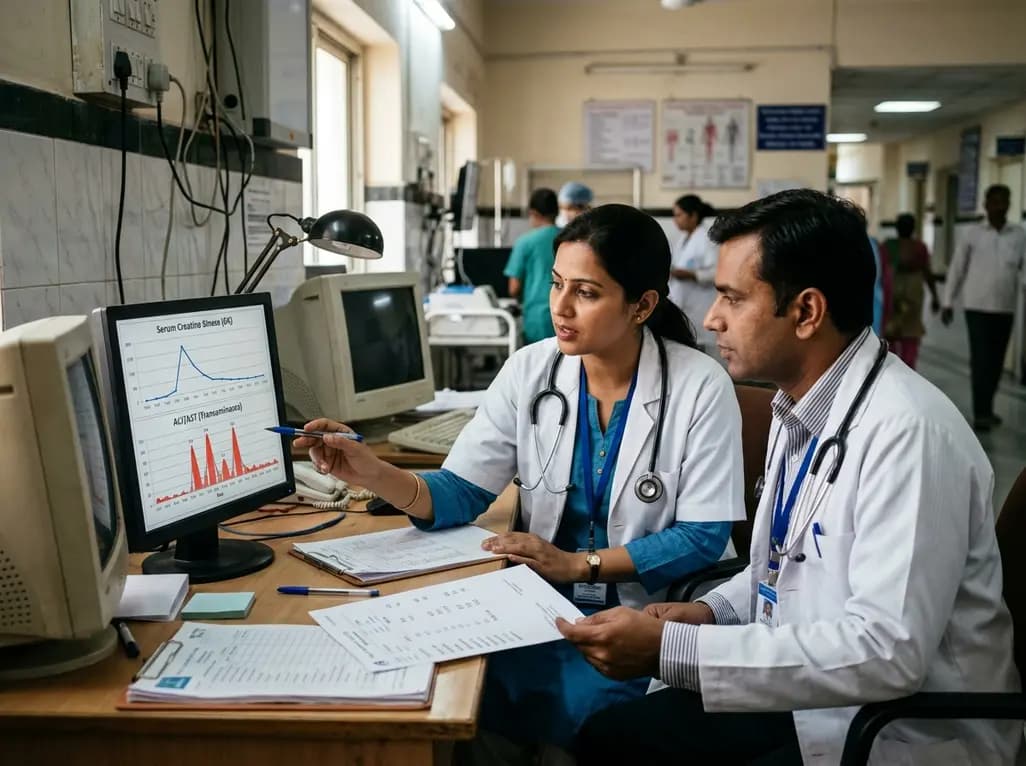
A recent case shows that exertional rhabdomyolysis can trigger marked transaminase spikes despite moderate creatine kinase elevation. Preserved hepatic synthetic function confirms muscle injury rather than liver failure, guiding conservative hydration and preventing unnecessary invasive diagnostics.
Today
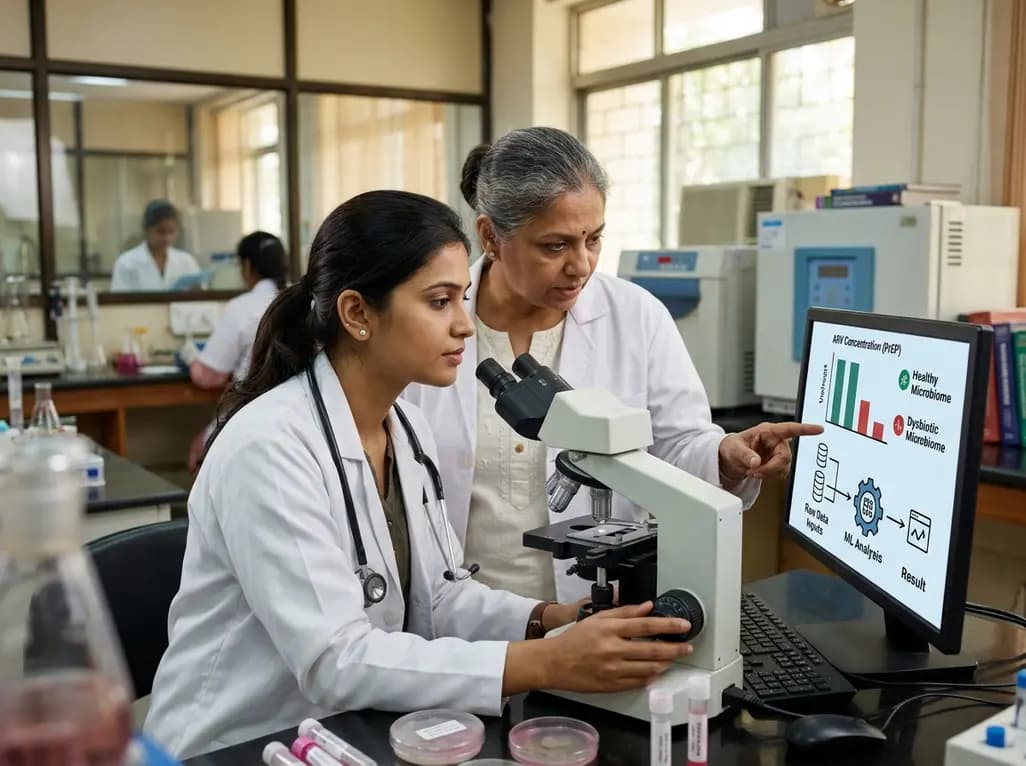
A pharmacometric and machine learning study reveals that specific vaginal bacteria alter cervical antiretroviral exposure, highlighting the need for precision HIV PrEP strategies.
Today
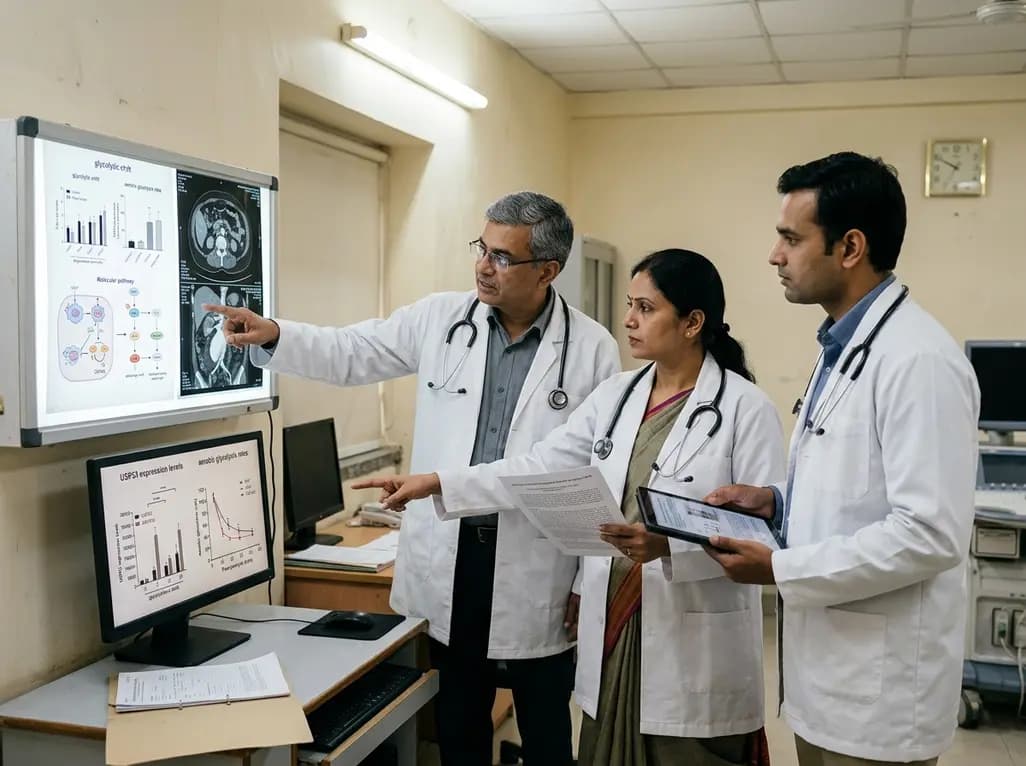
Abdominal aortic aneurysm rupture remains a catastrophic vascular emergency. Groundbreaking research reveals that USP53 accelerates aneurysm progression by reprogramming smooth muscle cell metabolism toward aerobic glycolysis, highlighting a promising target beyond conventional diameter-based surveillance.
Today
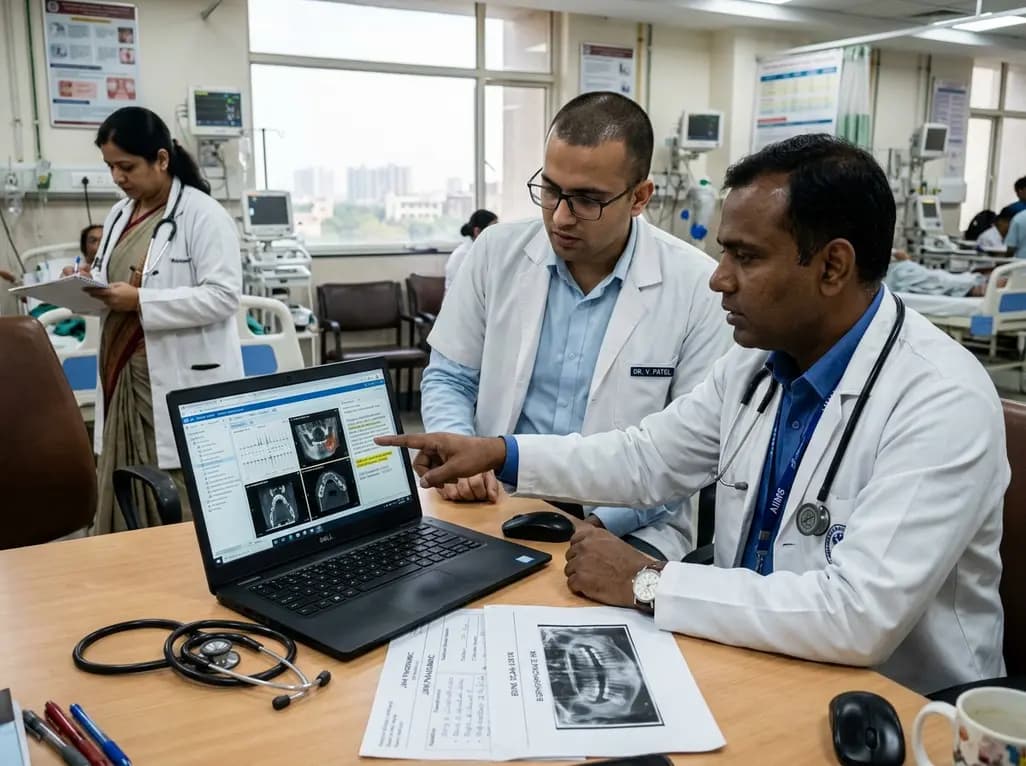
A breakthrough study leverages natural language processing to accurately identify incident medication-related osteonecrosis of the jaw and track antiresorptive drug holidays from clinical narratives in electronic health records, advancing osteoporosis pharmacovigilance and dental safety.
Today
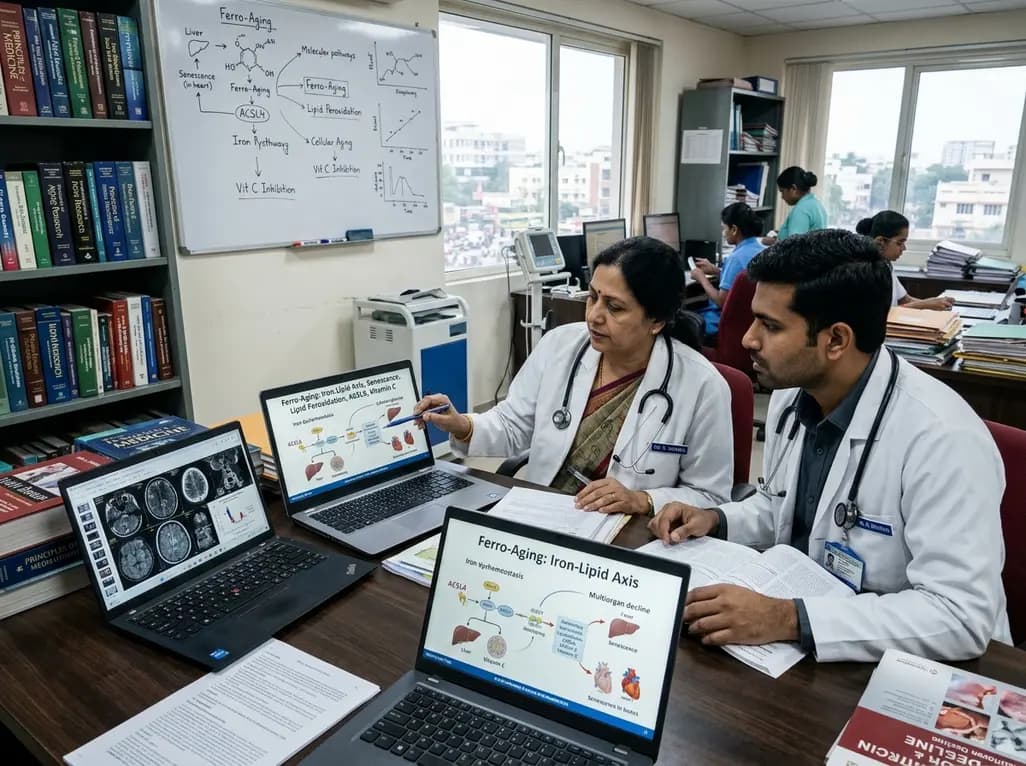
Recent research defines ferro-aging as a conserved iron-lipid axis driving organ decline across primates. Age-related iron dyshomeostasis stimulates ACSL4-mediated lipid peroxidation, promoting cellular senescence. Notably, vitamin C directly inhibits ACSL4, suppressing phospholipid oxidation and multi-organ decay.
Yesterday
