.webp&w=384&q=75)

Loading, please wait...
Loading, please wait...
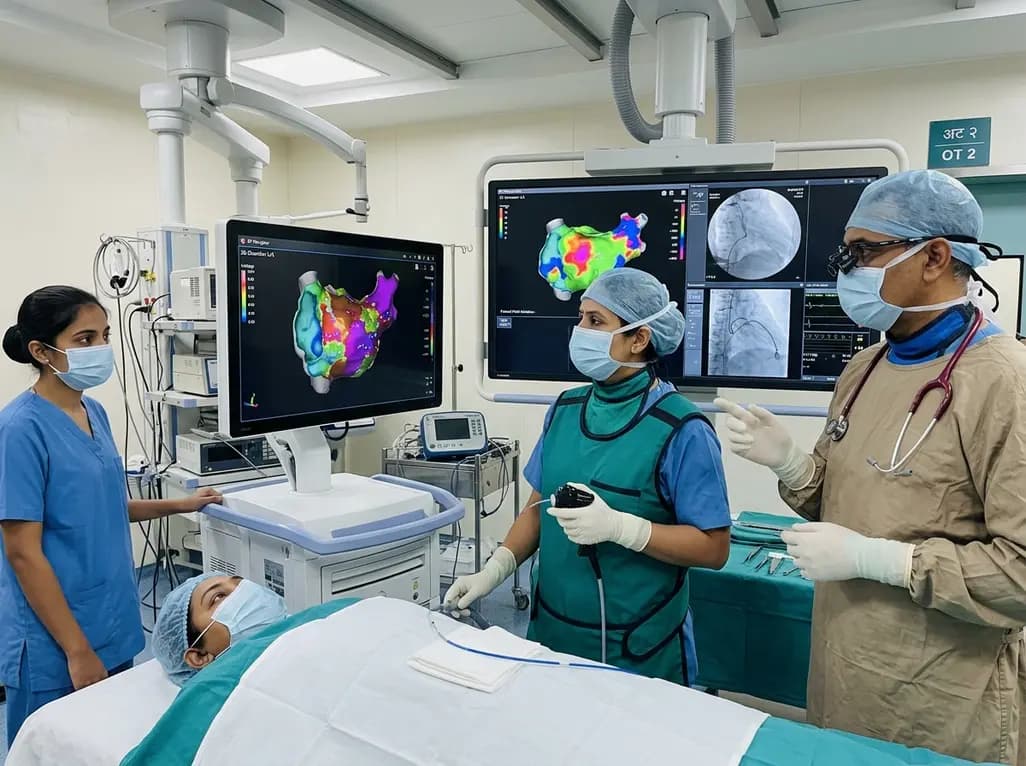
The landscape of cardiac electrophysiology is experiencing rapid technological innovation, largely driven by advances in pulsed field ablation. Medical device breakthroughs continue to transform how clinicians address complex arrhythmias, particularly drug-refractory atrial fibrillation. With major medical technology innovators raising financial forecasts due to accelerating device adoption, electrophysiology laboratories worldwide are witnessing a clear paradigm shift. Consequently, healthcare providers are transitioning away from older modalities toward tissue-selective platforms that optimize procedural safety, enhance operational efficiency, and improve long-term therapeutic outcomes for cardiovascular patients.
Pulsed field ablation represents a revolutionary nonthermal modality designed for targeted cardiac tissue disruption. The underlying mechanism relies on irreversible electroporation, wherein high-voltage electrical fields generate microscopic pores in targeted myocardial cell membranes. This cellular permeabilization disrupts homeostatic equilibrium, ultimately causing controlled cell death without inducing significant thermal coagulation. In contrast to legacy approaches, this modality exploits varying tissue-specific electrical field thresholds. Consequently, myocardial cells demonstrate heightened susceptibility to electroporation compared to adjacent anatomical structures.
Because cardiomyocytes possess the lowest electrical threshold among thoracic tissues, operators can achieve transmural pulmonary vein isolation with remarkable precision. Furthermore, this targeted delivery prevents extensive collateral damage. The rapid discharge of microsecond-scale electrical pulses creates durable, contiguous lesions within seconds. Therefore, clinicians can significantly reduce overall procedural times while maintaining exceptional acute isolation rates. In addition, electrophysiologists report shorter learning curves when mastering these specialized multi-electrode catheter configurations.
Early clinical registries confirm that irreversible electroporation achieves reliable lesion durability across diverse patient cohorts. As a result, electrophysiology laboratories are managing higher procedure volumes while standardizing workflow efficiency across complex cardiovascular cases.
For several decades, cardiac electrophysiology relied almost exclusively on thermal energy platforms, such as radiofrequency ablation and cryoballoon systems. Although thermal modalities demonstrated reproducible efficacy, their non-selective energy transfer introduced severe procedural risks. Specifically, excessive heat or extreme cold can easily propagate beyond the left atrial myocardium into neighboring anatomical structures. Major thermal complications include atrioesophageal fistula formation, persistent phrenic nerve palsy, coronary arterial spasm, and pulmonary vein stenosis.
In contrast, pulsed field ablation offers superior tissue selectivity that virtually eliminates thermal collateral injury. Clinical trial data consistently indicate an absence of esophageal thermal ulceration following electroporation procedures. Similarly, transient phrenic nerve stunning occurs far less frequently, resolving rapidly when compared to cryothermal injury. Moreover, the risk of pulmonary vein narrowing decreases dramatically because the energy spares the extracellular collagen matrix and vascular smooth muscle architecture.
Additionally, shorter total energy application times substantially reduce patient exposure to general anesthesia. This shortened operative duration lowers intraoperative fluid loading and minimizes hemodilution risks. Ultimately, these safety improvements translate to fewer critical post-procedure admissions and lower overall healthcare utilization.
Beyond electrophysiology, modern cardiovascular medicine is experiencing tremendous progress in transcatheter structural heart interventions. Valvular heart disease, particularly degenerative mitral and tricuspid regurgitation, presents a growing clinical burden among aging patient populations. Historically, severe valvular pathology necessitated open-heart surgery, which frequently carried prohibitive risks for frail individuals with multiple comorbidities. Today, novel transcatheter edge-to-edge repair devices and percutaneous annuloplasty systems provide viable therapeutic alternatives.
Recent industry investments in specialized heart-valve repair companies highlight the surging clinical demand for non-surgical solutions. These catheter-based technologies allow interventional cardiologists to reshape dysfunctional valve architecture with sub-millimeter precision under fluoroscopic and echocardiographic guidance. Furthermore, early therapeutic intervention stabilizes ventricular remodeling and alleviates chronic heart failure symptoms. Consequently, patients experience marked functional improvements, lower hospitalization rates, and enhanced quality of life.
Moreover, combined electrophysiological and structural heart approaches are increasingly common in complex patients. Treating concurrent valvular dysfunction and atrial arrhythmias holistically produces superior hemodynamic stability. As device profiles continue to miniaturize, interventionalists can navigate tortuous vascular anatomies with greater ease, expanding treatment eligibility to previously untreatable populations.
Surgical robotics represents another pivotal growth frontier transforming cardiovascular and general surgical disciplines. While robotic assistance has achieved significant penetration in certain urological and gynecological surgeries, soft-tissue robotic adoption in emerging healthcare markets remains under one percent. However, ongoing capital investments in modular robotic surgical platforms are set to accelerate international adoption rates. Modern robotic consoles provide magnified three-dimensional visualization, tremor filtration, and wristed instrumentation that exceeds human dexterity.
In cardiovascular and thoracic interventions, robotic platforms facilitate minimally invasive coronary revascularization, epicardial ablation, and valve reconstruction. Surgeons operate through tiny thoracoscopic ports, avoiding traditional median sternotomies entirely. Consequently, patients benefit from significantly less intraoperative blood loss, lower infection rates, and reduced postoperative analgesic requirements. In addition, hospital lengths of stay decrease substantially, allowing patients to resume normal daily activities within weeks rather than months.
Furthermore, complementary robotic systems offer enhanced ergonomics that mitigate surgeon fatigue during prolonged procedures. As emerging surgical platforms enter clinical practice, enhanced competition will expand access across resource-conscious healthcare systems. Ultimately, robotic integration democratizes complex surgical techniques, ensuring reproducible, high-precision clinical outcomes across diverse medical centers.
The rapid convergence of pulsed field ablation, structural valve repair, and surgical robotics signals a transformative era in cardiovascular medicine. For treating physicians, staying informed about these evolving technological platforms is essential for optimizing clinical referral pathways and treatment strategies. Early referral for catheter ablation in symptomatic atrial fibrillation preserves sinus rhythm, prevents adverse atrial remodeling, and reduces stroke risk. Similarly, timely structural intervention halts irreversible myocardial dilation in valvular regurgitation.
Additionally, clinical multidisciplinary heart teams are becoming indispensable for navigating these sophisticated treatment choices. Electrophysiologists, cardiac surgeons, imaging specialists, and general cardiologists must collaborate closely to select the most appropriate modality for each individual patient. By matching unique patient anatomy with tailored technological tools, clinicians maximize efficacy while minimizing procedural risks. In addition, comprehensive post-market surveillance and real-world registries will remain vital to refine patient selection criteria and monitor long-term outcomes.
Finally, robust patient education regarding novel minimally invasive options empowers shared decision-making. As emerging medtech platforms expand globally, clinicians will deliver safer, more efficient, and increasingly personalized cardiovascular care.
Q1: How does pulsed field ablation differ from conventional thermal ablation?
Pulsed field ablation utilizes short, high-voltage electrical fields to induce irreversible electroporation, creating pores in targeted cell membranes. Unlike radiofrequency or cryoablation, which depend on extreme heat or freezing, this modality is tissue-selective. Because cardiomyocytes have low electroporation thresholds, the energy selectively isolates pulmonary veins while sparing adjacent structures like the esophagus and phrenic nerve from thermal collateral injury.
Q2: Why are heart valve repair technologies gaining significant strategic focus?
Catheter-based valve repair platforms provide minimally invasive alternatives for patients with severe mitral or tricuspid regurgitation who face high surgical risks. By repairing or reshaping dysfunctional leaflets and annuluses percutaneously, these devices relieve symptoms, reverse adverse cardiac remodeling, and reduce heart failure hospitalizations. Consequently, growing demand from aging populations drives continuous technological refinement and clinical adoption.
Q3: What role will surgical robotics play in future interventional cardiology?
Surgical robotics enhances dexterity, visualization, and precision during minimally invasive cardiovascular and thoracic procedures. Robotic platforms allow surgeons to perform complex epicardial ablations, coronary bypasses, and valve repairs through tiny ports rather than sternotomies. This approach reduces surgical trauma, blood loss, and recovery times, expanding access to advanced surgical care across emerging and developed healthcare markets.
Disclaimer: This content is for informational and educational purposes only. It does not constitute medical advice or replace professional judgment. Refer to the latest local and national guidelines for clinical practice.
References

Read summarized clinical updates, watch expert medical content, and earn CME certifications right from your smartphone.
Open your smartphone camera to scan and install.





Rapid advancements in pulsed field ablation, structural heart repair, and surgical robotics are reshaping cardiac care. Discover how next-generation technologies reduce procedural complications, shorten operative times, and improve clinical outcomes across modern cardiology and surgical practices.
4 weeks back

Red blood cell transfusion is critical in sickle cell disease management but brings significant immunological complexity, including alloimmunisation and iron overload. Extended RBC phenotyping and tailored protocols optimize clinical safety.
Today
Discover the crucial distinctions between mesonephric and mesonephric-like proliferations of the female genital tract. Learn the key histomorphologic, immunohistochemical, and molecular differences essential for accurate diagnosis and clinical management.
Today
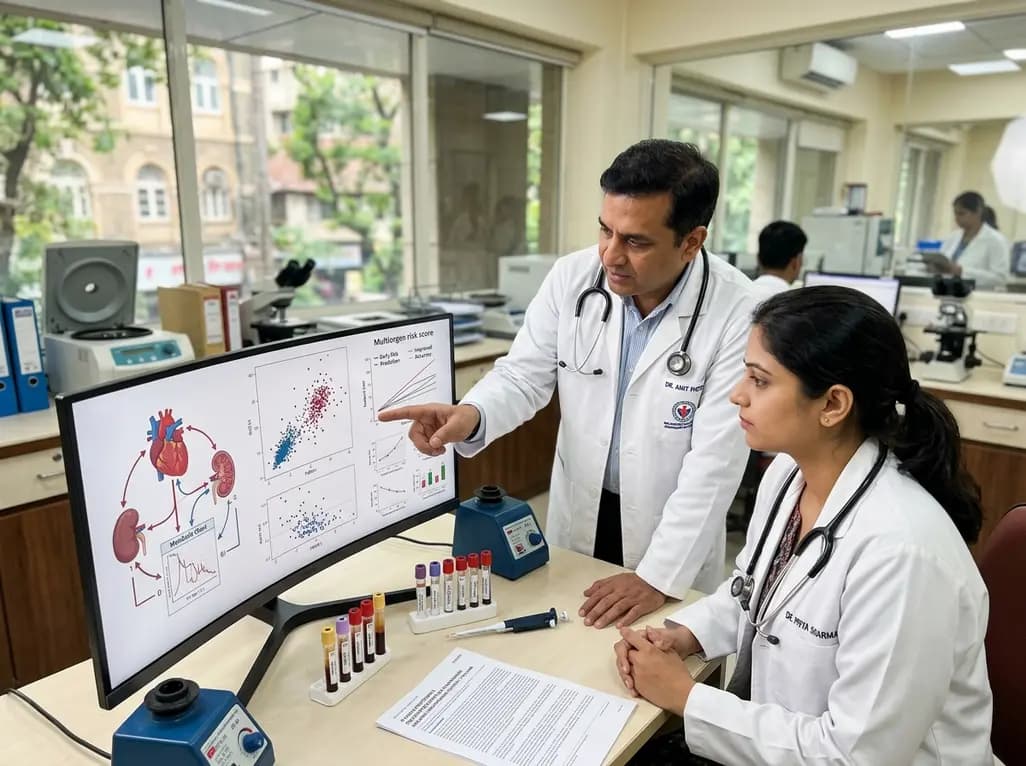
A large UK Biobank study reveals that plasma proteomic signatures capture preclinical organ damage and improve multiorgan risk prediction across early CKM syndrome stages 0 to 2 beyond traditional PREVENT clinical models.
Today
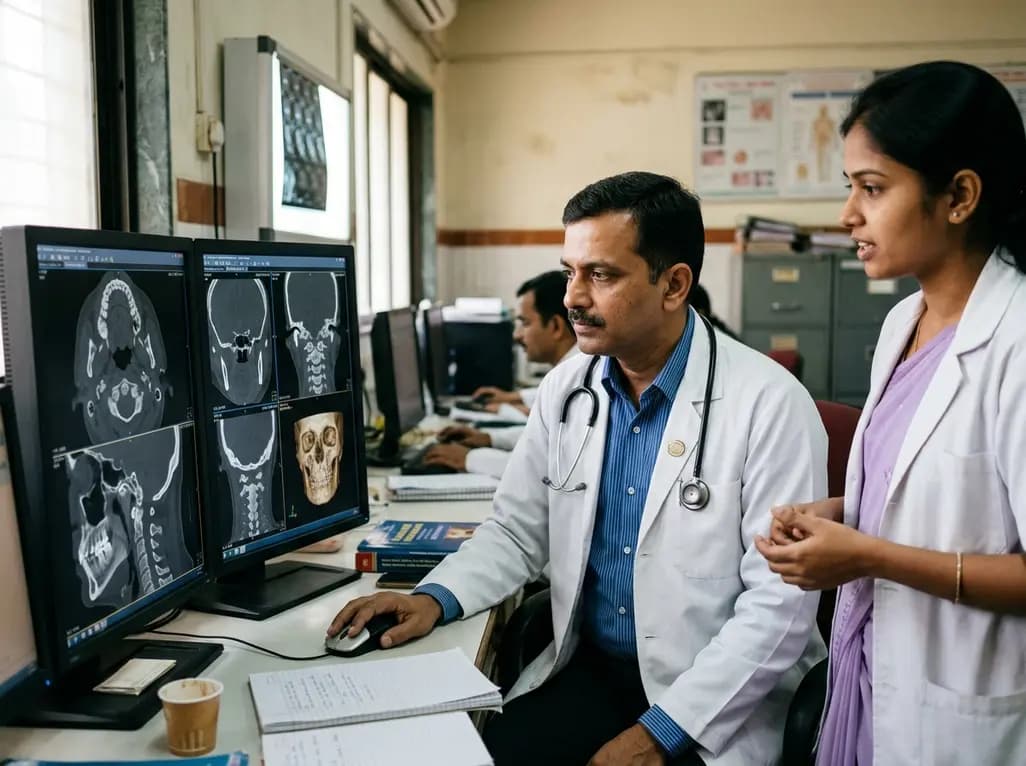
A retrospective CBCT study reveals that superior TMJ space asymmetry correlates moderately with occipital condyle-atlas-axis asymmetry in unilateral TMJ osteoarthritis, highlighting an imaging correlate between jaw biomechanics and upper cervical alignment rather than a standalone diagnostic marker.
Today

A Bayesian multilevel meta-analysis reveals that aerobic training combined with moderate carbohydrate restriction modestly lowers HbA1c in type 2 diabetes. However, sparse data and very low certainty leave incremental benefits over exercise or diet alone unproven, highlighting the need for individualized care.
Today
