.webp&w=384&q=75)

Loading, please wait...
Loading, please wait...

Major physical trauma and surgical procedures impose profound physiological and mental stress on patients. While many individuals suffer persistent depressive symptoms following operative interventions, others demonstrate remarkable psychological resilience. Historically, clinicians viewed this adaptive capacity primarily as a psychosocial attribute shaped by external support systems. However, emerging evidence reveals that genomic pathways fundamentally regulate human emotional recovery. A landmark prospective study published in Psychological Medicine provides definitive insights into the genetic architecture governing recovery from severe physiological stress. By tracking massive patient cohorts over time, researchers identified a key genetic locus associated with post-injury emotional stability.
Evaluating resilience requires objective longitudinal clinical assessments rather than static cross-sectional evaluations. In this prospective multi-center study, investigators evaluated 12,946 surgical patients enrolled in the China Surgery and Anesthesia Cohort. The research team assessed depressive symptoms before surgery and tracked patients systematically at one, six, and twelve months postoperatively using the 9-item Patient Health Questionnaire. Consequently, researchers could model dynamic recovery trajectories rather than relying on isolated postoperative evaluations. The team employed linear mixed-effects models to predict individual depressive symptom scores over time based on baseline characteristics. Furthermore, investigators classified participants whose observed scores fell within the lowest twenty-fifth percentile of model residuals as exhibiting true psychological resilience. Among the enrolled cohort, 2,328 individuals, representing 18.0 percent of the surgical population, met this rigorous definition. These resilient individuals consistently maintained a substantially lower prevalence of psychological distress throughout the entire twelve-month postoperative trajectory. In addition, resilient participants reported significantly better functional outcomes and higher quality of life. Thus, this mathematical residual approach successfully separated innate biological resilience from low baseline disease severity or minor surgical trauma.
To identify inherited determinants of stress recovery, the researchers conducted a comprehensive genome-wide association study on the surgical cohort. Notably, this genomic analysis uncovered a lead single-nucleotide polymorphism on chromosome seven designated as rs11766511. This variant reached rigorous genome-wide significance with a p-value of 3.082 × 10⁻⁸, establishing a robust statistical signal. Furthermore, fine-mapping and linkage disequilibrium analyses mapped this significant locus directly to the sidekick cell adhesion molecule 1 gene, commonly known as SDK1. The investigators demonstrated that genetic variations within this specific genomic region directly correlate with human emotional adaptation under acute physiological adversity. Previously, psychiatric genetics struggled to isolate clear loci for stress resilience because diverse environmental variables frequently confounded retrospective studies. However, by leveraging prospective longitudinal tracking after standardized surgical trauma, this study minimized confounding environmental noise. Consequently, the discovery of the SDK1 locus offers a verified molecular candidate for understanding why certain individuals resist trauma-induced depression. This breakthrough transitions the study of mental resilience from abstract psychological concepts into tangible molecular biology.
Independent replication represents a fundamental benchmark for validating novel genetic associations in clinical medicine. Therefore, the researchers evaluated the rs11766511 variant in an independent prospective cohort of 2,285 patients from the China Severe Trauma Cohort. These individuals had sustained acute, life-threatening physical injuries requiring urgent hospitalization and intensive surgical stabilization. Genotype stratification revealed that patients carrying the GG genotype exhibited a significantly lower symptom burden compared to AA carriers. Specifically, the investigators observed a significant reduction in depressive symptoms on the PHQ-9 scale, with a beta coefficient of negative 0.94. Moreover, patients with the protective G allele demonstrated lower levels of generalized anxiety and fewer trauma-related sleep disturbances. Although the additive genetic model showed a non-significant protective trend across all secondary endpoints, the direction of effect remained remarkably consistent. This replication across two distinct clinical populations confirms that the protective effect extends beyond elective surgery to accidental physical trauma. Consequently, the G allele appears to confer a broad biological buffer against multiple adverse neuropsychiatric sequelae following major bodily damage.
The biological function of the SDK1 gene provides compelling explanations for the observed clinical findings. SDK1 encodes a transmembrane cell adhesion molecule that concentrates specifically at synaptic junctions within the central nervous system. During neural development and synaptic remodeling, these adhesion molecules guide precise synaptic connectivity and stabilize neuronal arborization. Furthermore, preclinical studies indicate that sidekick adhesion molecules regulate structural plasticity in critical stress-responsive brain regions, including the hippocampus and prefrontal cortex. When severe physical trauma activates the hypothalamic-pituitary-adrenal axis, neuroinflammatory cascades often compromise synaptic integrity. However, optimal SDK1-mediated adhesion preserves synaptic architecture and maintains balanced neurotransmission under intense corticosteroid exposure. Individuals carrying protective genetic variants likely maintain stronger synaptic stability across frontolimbic networks, preventing maladaptive structural remodeling. In addition, preserved synaptic connectivity allows patients to retain top-down cognitive control over emotional arousal during recovery. Thus, SDK1 does not merely correlate with mental health; it appears to support the structural scaffolding necessary for neural resilience.
These genetic discoveries carry substantial implications for clinical practice, particularly within developing healthcare ecosystems such as India. India faces an enormous burden of accidental trauma, road traffic injuries, and major elective surgeries each year. Consequently, thousands of patients experience chronic postoperative depression, prolonged disability, and delayed return to the workforce. Currently, surgical and intensive care teams in India focus almost exclusively on anatomical repair and hemodynamic stability. However, clinicians often overlook psychological vulnerability, despite its profound impact on wound healing, rehabilitation compliance, and mortality. Incorporating standardized psychological assessments, such as the PHQ-9, into routine preoperative and trauma admission workflows can identify vulnerable patients early. Furthermore, while routine genetic screening remains impractical for resource-limited settings today, understanding these biological mechanisms helps eliminate the stigma surrounding post-injury depression. Clinicians must recognize that emotional recovery depends on biological determinants alongside personal coping efforts. Therefore, integrating targeted psychiatric support within multidisciplinary surgical pathways represents a vital public health priority across Indian tertiary care hospitals.
In longitudinal research, investigators define psychological resilience as exhibiting significantly lower depressive symptoms than statistically predicted following physical stress. Using linear mixed-effects models, researchers track symptom trajectories over twelve months. Patients who consistently remain in the lowest quartile of residual depression scores demonstrate true biological and emotional resilience.
The SDK1 gene encodes a cell adhesion molecule crucial for synaptic formation and structural maintenance within central nervous system circuits. During acute traumatic stress, optimal SDK1 function preserves synaptic integrity across frontolimbic pathways. This structural stability prevents maladaptive neuronal remodeling and mitigates trauma-induced neuroinflammation, thereby promoting emotional recovery.
Clinicians across India should integrate baseline psychological screening tools, like the PHQ-9, into routine preoperative and trauma protocols. Identifying vulnerable patients early allows surgical teams to implement preemptive psychological prehabilitation, optimize perioperative analgesia, and establish multidisciplinary mental health support, reducing post-injury depression and enhancing long-term surgical recovery.
Disclaimer: This content is for informational and educational purposes only and does not constitute medical advice, diagnosis, or treatment. Healthcare professionals should exercise their independent clinical judgment when interpreting research findings. Patient care decisions must be tailored to individual clinical circumstances, institutional protocols, and current regulatory standards. Refer to the latest local and national guidelines for clinical practice.
References

Read summarized clinical updates, watch expert medical content, and earn CME certifications right from your smartphone.
Open your smartphone camera to scan and install.





A prospective study of over 15,000 surgical and trauma patients has uncovered a significant genetic determinant of psychological resilience. Researchers mapped the rs11766511 locus to the SDK1 gene, linking neural adhesion pathways to reduced depression and better mental health trajectories after severe physical stress.
Today
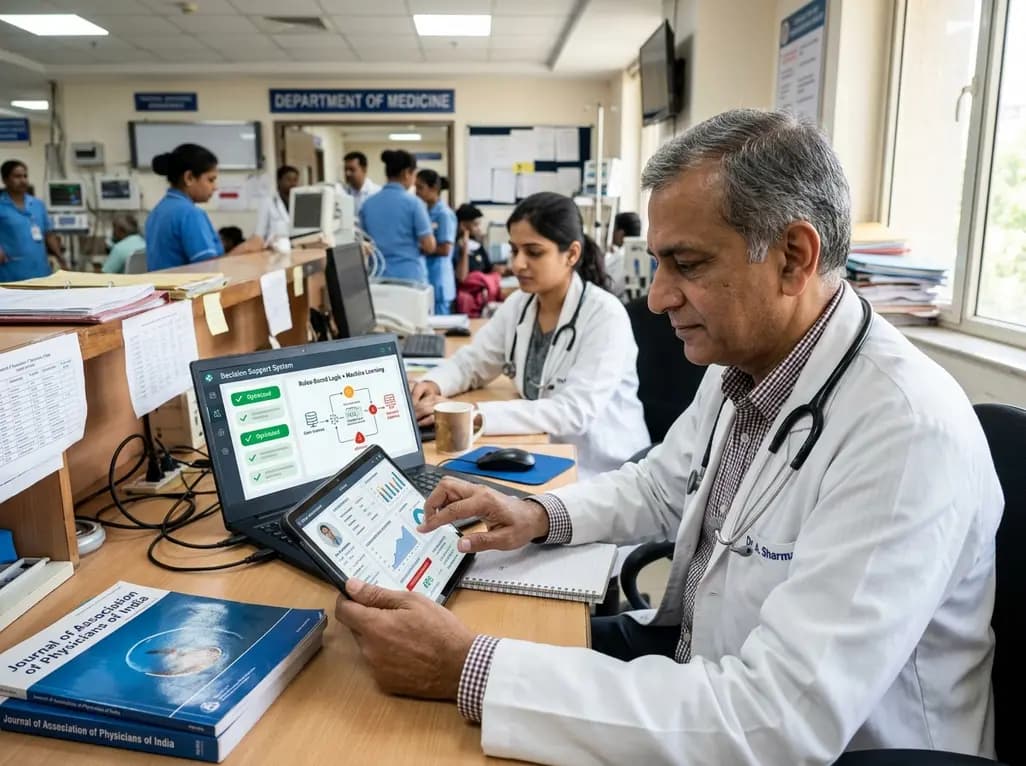
A multicenter study validates a hybrid clinical decision support system combining rule-based logic and machine learning to optimize anticoagulant prescription reviews, reducing alert fatigue and intercepting prescribing errors.
Today
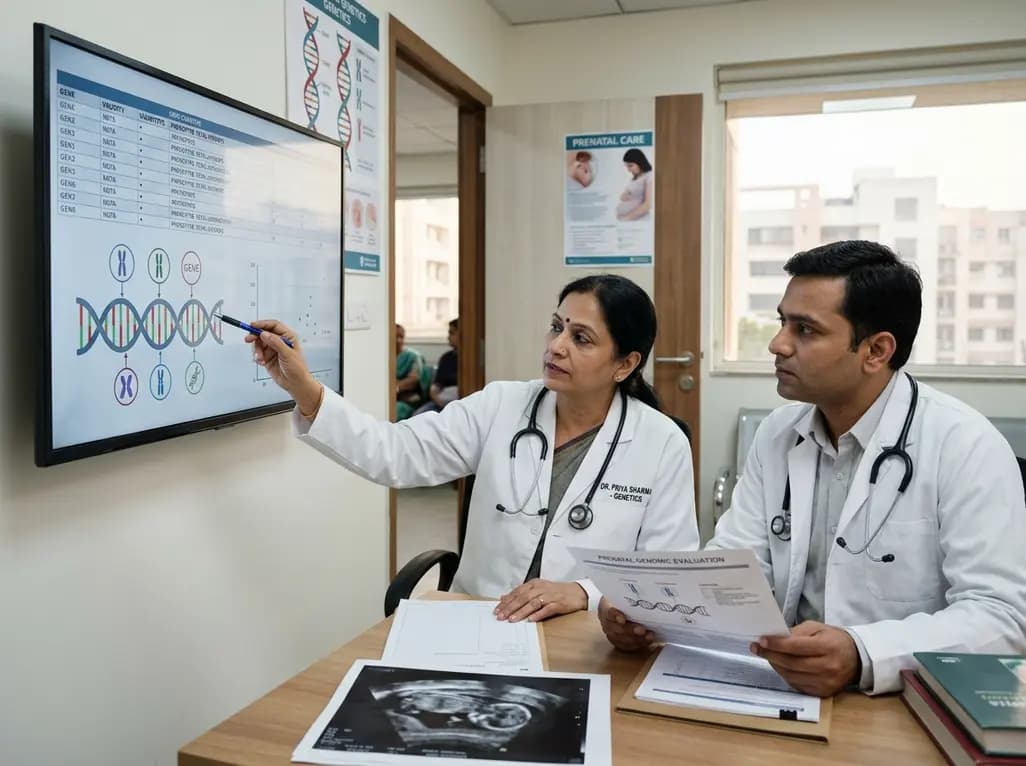
The ClinGen Prenatal Gene Curation Expert Panel evaluated 63 disease relationships across 61 genes, establishing clinical validity for severe fetal phenotypes like hydrops and stillbirth to enhance prenatal genomic interpretation and clinical care.
Today
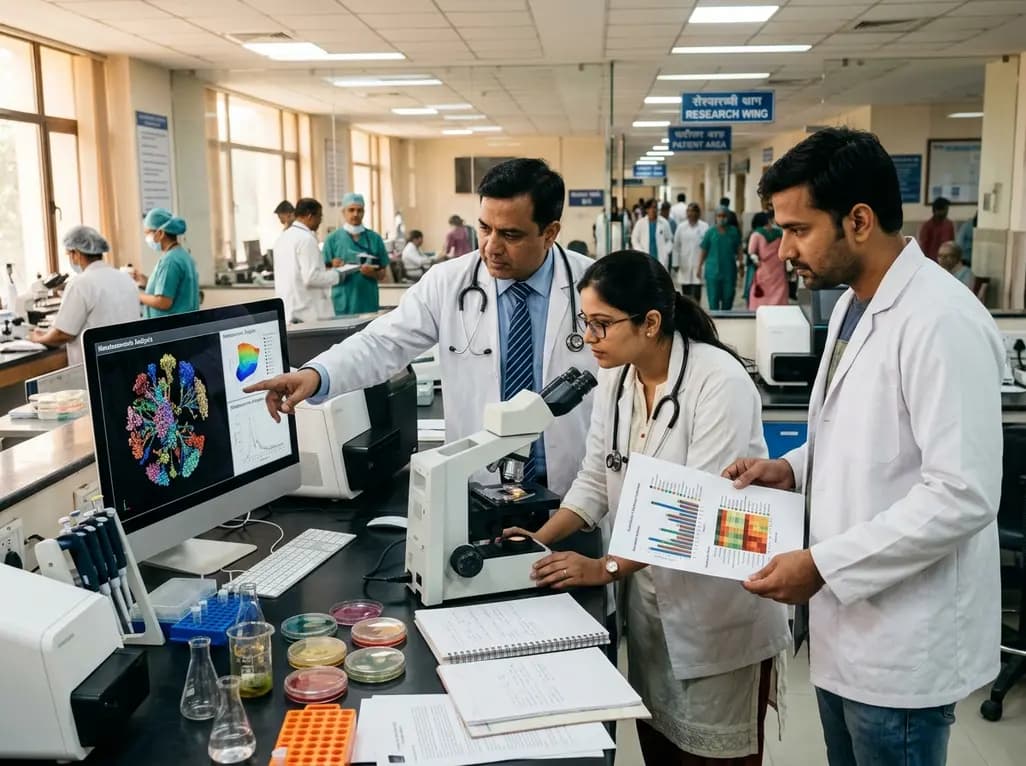
A metataxonomic study reveals distinct gut bacteriome biomarkers in type 2 diabetes, obesity, and cardiovascular complications, identifying specific bacterial shifts that pave the way for precision metabolic medicine.
Today
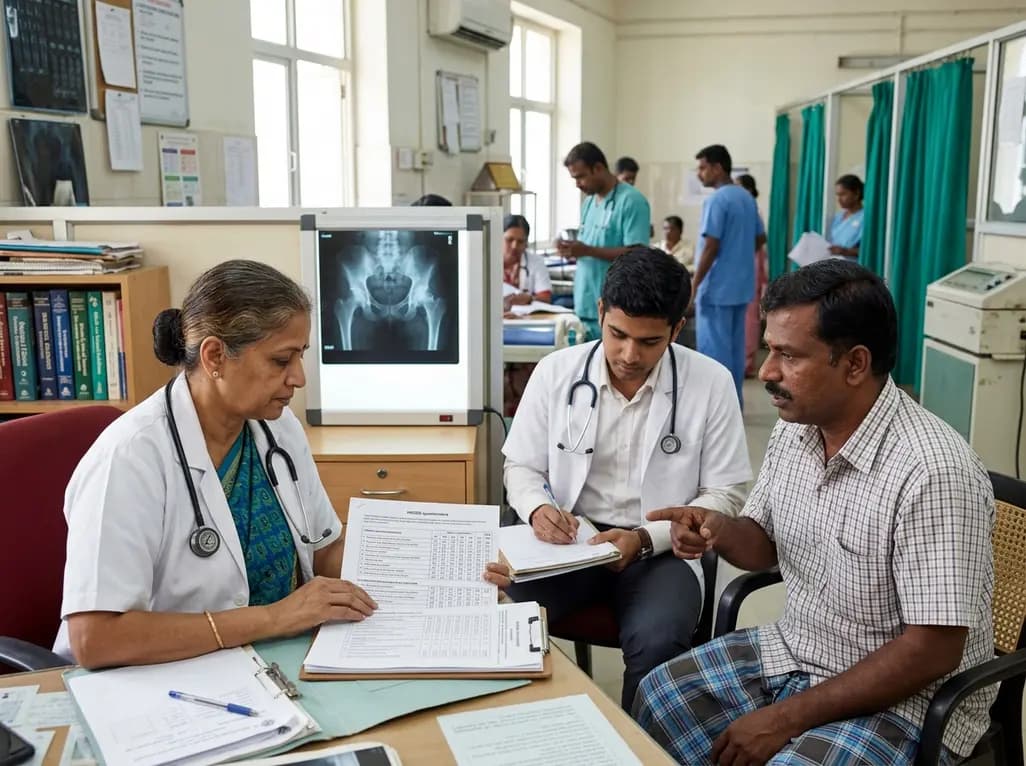
A psychometric validation study confirms that the Turkish Copenhagen Hip and Groin Outcome Score (HAGOS-T) offers excellent reliability, construct validity, and interpretability for patients with hip osteoarthritis, providing clinicians with a robust tool for functional assessment.
Today

Clinical guidelines rely heavily on isolated biomarkers like IGF-1 and HbA1c. However, portal insulin delivery fundamentally gates hepatic growth hormone sensitivity. This physiological continuum unites type 1 and type 2 diabetes, obesity, cirrhosis, and acromegaly, challenging conventional treatment strategies.
Today
