

Loading, please wait...
Loading, please wait...

Maintaining rigorous psychiatric inpatient safety remains a vital priority for behavioral health systems worldwide. Psychiatric inpatient units care for individuals experiencing acute mental distress, creating distinct clinical challenges. Consequently, psychiatric settings require proactive risk mitigation rather than reactive protocols. A comprehensive register study across 36 Finnish psychiatric units revealed 152 serious safety incidents between 2021 and 2023. These adverse events included severe patient aggression, self-harm, physical injuries, and notable care discontinuities. Furthermore, these occurrences severely compromise therapeutic environments and stretch organizational resources. Clinicians and hospital administrators must therefore evaluate these patterns to strengthen prevention, enhance nursing care, and protect vulnerable patients.
Patient safety research historically focused on general medical wards and surgical units. Consequently, acute psychiatric settings remained significantly underrepresented in adverse event registries. However, rigorous incident documentation provides indispensable clarity regarding structural and behavioral hazards. The multi-unit register analysis captured 152 high-severity events that threatened patient and staff welfare. Aggressive outbursts and self-injurious actions constituted the primary drivers of reported harm. In addition, unexpected physical injuries and environmental accidents posed recurring hazards. These events indicate that behavioral crises often escalate when ward environments lack structured containment. Moreover, operational discontinuities in handover communication amplified vulnerability during shift changes. Therefore, healthcare leadership must treat incident logs as essential diagnostic instruments. By identifying latent operational failures, psychiatric facilities can eliminate systemic vulnerabilities before crisis events manifest.
Interpersonal aggression and self-harm represent the most acute management challenges within inpatient wards. Patients suffering from acute psychosis, severe depression, or bipolar mania frequently experience intense emotional distress. As a result, inner turbulence can rapidly erupt into verbal conflict or physical violence. Similarly, non-suicidal self-injury and active suicide attempts require immediate, resource-intensive clinical containment. When patients access unapproved objects or find unmonitored physical spaces, physical harm frequently occurs. Furthermore, systemic fragmentation within hospital workflows exacerbates these clinical vulnerabilities. Miscommunication between attending psychiatrists, ward nurses, and support personnel frequently delays timely medication administration. Additionally, incomplete documentation during patient transfers leaves oncoming shifts uninformed about critical behavioral escalations. Healthcare facilities must therefore institutionalize rigorous handovers and continuous observation. By maintaining open communication across clinical disciplines, psychiatric teams can detect agitation early and intervene before physical violence erupts.
The register study underscored a striking vulnerability within child and adolescent psychiatric services. Adolescent inpatient units documented a noticeably higher rate of serious incidents than adult wards. Young patients undergoing acute psychiatric admissions often display marked emotional lability, impulsivity, and trauma-related behavioral outbursts. Furthermore, behavioral contagion represents an impactful dynamic in youth facilities. When one young patient engages in self-harm or aggressive defiance, surrounding peers frequently mirror that behavior. In addition, adolescent patients often resist standard verbal boundaries when experiencing acute distress. This volatility creates immense pressure for psychiatric nurses and healthcare assistants. Moreover, staff members face elevated workloads and substantial emotional strain during such shifts. Consequently, adolescent facilities require specialized staffing models and youth-focused de-escalation training. Mental health teams must emphasize proactive, trauma-informed care rather than authoritarian boundary enforcement. When clinicians establish collaborative safety agreements, adolescents develop healthier coping strategies and incident rates diminish.
Serious safety events produce substantial clinical, ethical, and economic ramifications across healthcare organizations. Following acute violence or severe self-injury, patients often experience acute psychological deterioration. Consequently, clinical teams may transfer affected patients to locked intensive care units. Such transfers disrupt therapeutic alliances and significantly prolong hospital stays. In addition, acute behavioral crises frequently prompt emergency restrictive interventions, including physical restraint and chemical tranquilization. Although emergency containment preserves physical safety during imminent danger, restrictive practices carry recognized emotional and physical hazards. Patients frequently report lasting trauma, which undermines subsequent adherence to psychiatric treatment. Simultaneously, nursing staff experience moral injury, physical exhaustion, and heightened turnover following coercive interventions. Furthermore, adverse events generate considerable organizational expenses through extended bed occupancy and legal consultations. Therefore, healthcare leaders must prioritize restraint reduction strategies. By investing in de-escalation competencies and proactive nursing interventions, institutions minimize reliance on emergency coercive measures.
Preventing inpatient safety incidents requires integrated organizational reforms and architectural innovation. Specifically, mental health establishments must redesign ward spaces by eliminating potential ligature fixtures and enhancing observation lines. Creating sensory de-escalation rooms provides agitated individuals with calm retreats before distress escalates into violence. In addition, psychiatric services must standardize clinical protocols for psychotropic medication titration and physical health assessments. Continuous professional training in non-violent crisis management equips nursing staff to manage confrontations safely. Furthermore, these clinical principles closely mirror legal requirements within India's Mental Healthcare Act 2017. Section 97 of the Act strictly outlaws seclusion and establishes rigorous guidelines for emergency physical restraint. The treating psychiatrist must authorize any restraint application, and staff must document the intervention thoroughly. Moreover, hospitals must report all restrictive procedures to the respective Mental Health Review Board monthly. By combining supportive architectural design with statutory compliance, healthcare systems can create safe, therapeutic environments that protect patient dignity.
A serious patient safety incident in psychiatric care encompasses any preventable event causing substantial harm, clinical deterioration, or severe distress to a patient. Common examples include physical aggression, deliberate self-harm, suicide attempts, major medication errors, and patient falls. In addition, critical care discontinuities during handovers or unauthorized unit departures represent serious incidents. These events disrupt clinical recovery, prolong hospital admissions, and require immediate institutional reporting and systematic root-cause analysis.
Adolescent psychiatric units experience higher incident rates primarily due to the severe emotional dysregulation and heightened impulsivity characteristic of acute adolescent crises. Furthermore, peer contagion heavily magnifies behavioral unrest, meaning that one patient's distress or self-harm often triggers distress in others. Adolescents also show greater sensitivity to environmental confinement and authority conflicts. Consequently, managing adolescent wards requires lower patient-to-nurse ratios, specialized sensory environments, and youth-centered de-escalation techniques to mitigate behavioral escalation effectively.
Under Section 97 of India's Mental Healthcare Act 2017, clinicians can only employ physical restraint when it represents the sole viable method to prevent imminent harm to the individual or others. Seclusion remains completely prohibited under Indian law. A psychiatrist must explicitly authorize the restraint, and staff must continuously monitor the patient. Additionally, establishments must immediately record every incident in medical charts and report them monthly to the Mental Health Review Board.
Disclaimer: This content is for informational and educational purposes only and should not be considered as medical or clinical advice. Readers should verify details independently and consult a qualified healthcare professional before making clinical decisions. Refer to the latest local and national guidelines for clinical practice.
References

Read summarized clinical updates, watch expert medical content, and earn CME certifications right from your smartphone.
Open your smartphone camera to scan and install.





A multi-unit register study of psychiatric inpatient care reveals 152 serious incidents, predominantly involving aggression and self-harm, especially in adolescent units. Mitigating these risks requires environmental upgrades, standardized workflows, enhanced staffing, and compliance with mental health regulations.
Today

A 60-year-old woman presented with subacute cerebellar ataxia, dysautonomia, and hyperreflexia. Despite negative commercial antibody panels, tissue-based assays and phenotypic evolution to blepharospasm guided diagnostic resolution through specialized neuroimmunology testing.
Today
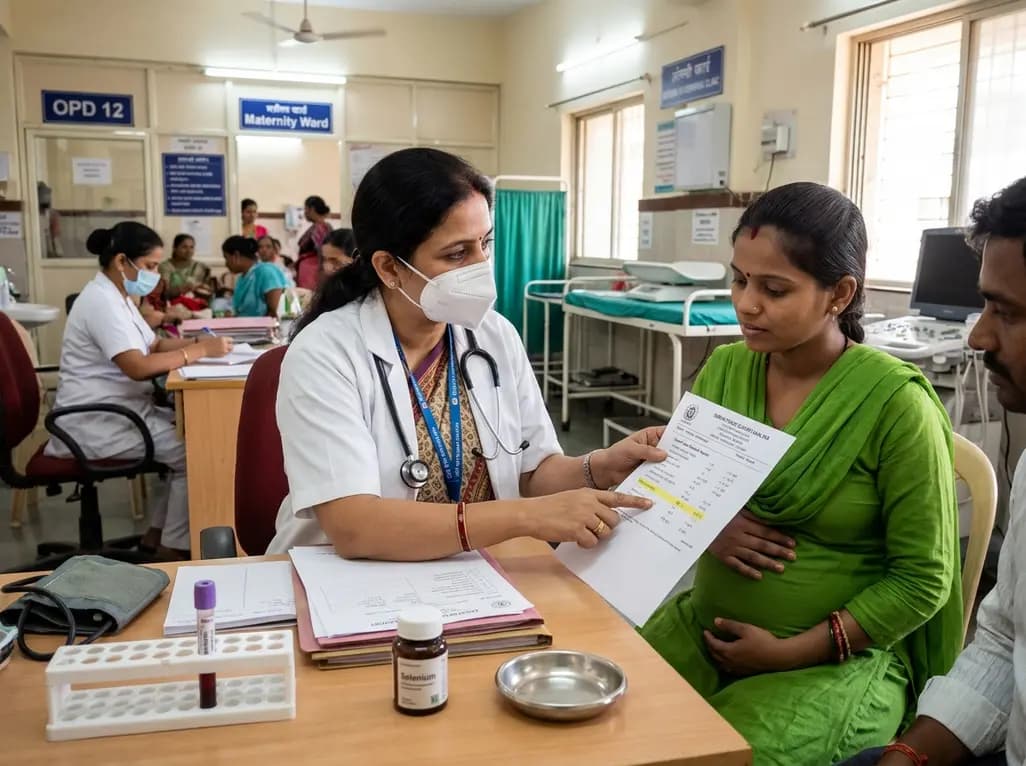
A prospective study reveals significant first-trimester trace-element alterations in pregnant women with epilepsy. Lower serum selenium independently predicted subsequent seizure recurrence despite prior remission, highlighting the vital clinical role of micronutrient profiling during antenatal care.
Today
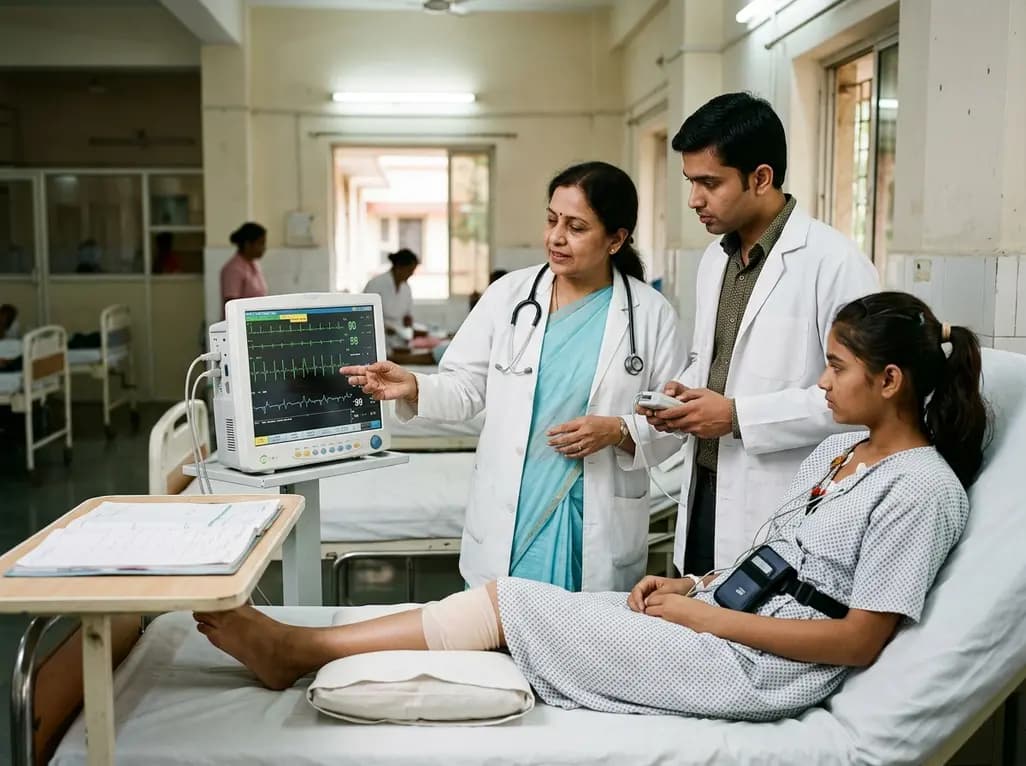
A 15-year-old patient presented with knee arthralgia and acute rheumatic fever, exhibiting complex arrhythmias including AV blocks and non-sustained ventricular tachycardia despite lacking severe valvulitis. This highlights the importance of extended Holter monitoring in pediatric rheumatic carditis.
Today
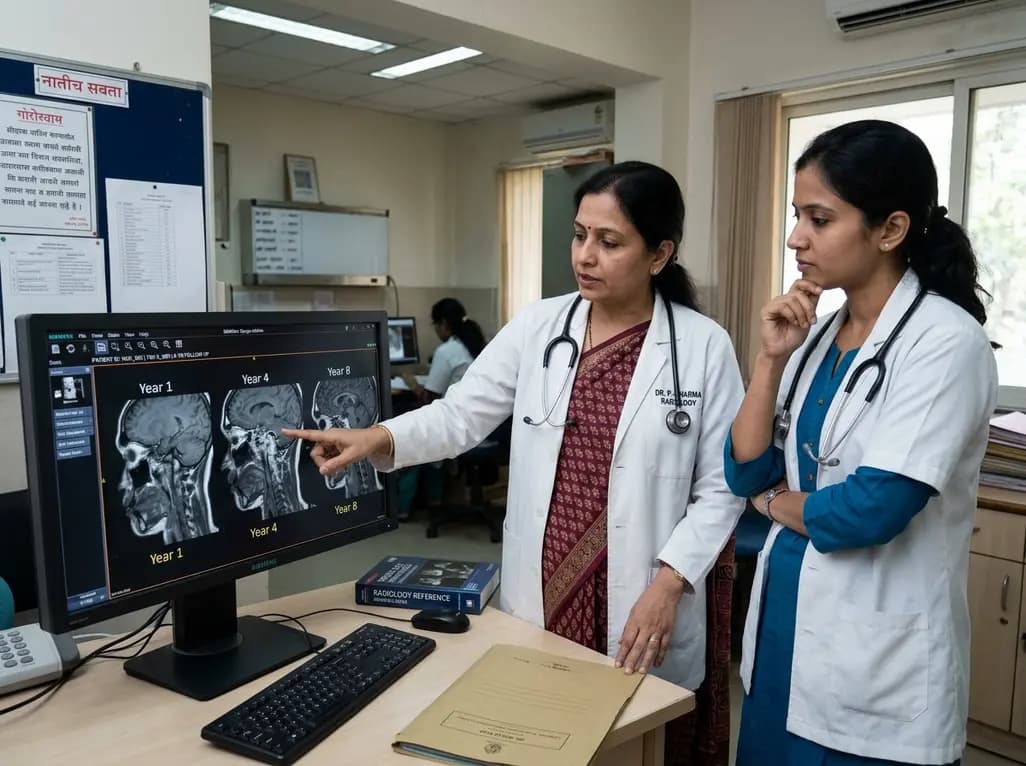
An eight-year longitudinal imaging follow-up reveals severe temporomandibular joint remodeling in nodulosis-arthropathy-osteolysis (NAO) syndrome. Despite extensive osseous destruction, the patient maintained functional jaw opening without TMJ interventions, highlighting the role of conservative management.
Today

Discover essential clinical insights into AGLP1-type amyloidosis, a rare localized complication of glucagon-like peptide-1 analog injections. Learn how histopathology and mass spectrometry differentiate benign iatrogenic amyloidomas from systemic disease, preventing misdiagnosis and unwarranted therapies.
Today
