.webp&w=384&q=75)

Loading, please wait...
Loading, please wait...

Major depressive disorder remains one of the leading global causes of disability and psychological distress. In recent years, growing scientific and public interest has highlighted the therapeutic potential of psychedelic compounds. Consequently, psilocybin use in depression has increased across the United States. Many clinicians feared that individuals experimenting with psychedelics might abandon conventional psychiatric care. However, robust epidemiological evidence addressing this concern has remained scarce. A comprehensive study using nationally representative data from the 2024 National Survey on Drug Use and Health offers clear clinical insights. The findings clarify how self-directed psilocybin consumption interacts with standard psychiatric therapies. Moreover, the results illuminate critical gaps between patient expectations and actual healthcare delivery. Clinicians must understand these patterns to effectively support patients navigating mood disorders.
The investigation evaluated data from 6,793 individuals aged 12 years and older who experienced a past-year major depressive episode. Among this population, researchers identified that approximately 7.3 percent reported past-year psilocybin use. Notably, demographic analyses demonstrated distinct patterns among consumers of this serotonergic substance. Psilocybin users were significantly more likely to be younger, male, unmarried, and employed full-time. In contrast, older demographics and married individuals exhibited substantially lower rates of psychedelic consumption. Furthermore, individuals using psilocybin displayed higher rates of concurrent polysubstance consumption and recreational drug experimentation. Clinicians should observe these distinct demographic variables closely during routine psychiatric evaluations. Many patients encounter widespread media portrayals describing psilocybin as an effortless, rapid cure for treatment-resistant mood disturbances. Consequently, younger individuals often explore naturalistic psilocybin without medical supervision or structured psychotherapeutic integration. Therefore, healthcare providers must recognize that psychedelic consumption represents a growing trend among active working adults with depressive illness.
Psychiatrists frequently worry that individuals who take psychedelics will disengage from standard evidence-based treatments. For instance, clinicians feared patients might refuse outpatient psychotherapy, avoid prescription antidepressants, or reject inpatient crisis care. However, the multivariable Poisson regression analysis demonstrated that psilocybin use did not lower mental health treatment utilization. After researchers adjusted for sociodemographic factors, alcohol use disorders, and prescription misuse, treatment utilization remained consistent between groups. Psilocybin users sought outpatient therapy, telehealth consultations, and inpatient admissions at rates equivalent to non-users. Additionally, psilocybin users consulted physicians for depressive feelings and adhered to prescribed psychotropic medications at comparable levels. Therefore, naturalistic psilocybin consumption does not displace conventional psychiatric management. Patients do not appear to abandon conventional medicine in favour of psychedelics. Instead, individuals likely view psychedelic experimentation as an adjunct rather than an outright alternative to routine medical interventions. This critical finding provides reassurance to clinicians managing patients with severe depressive illness.
Although conventional care utilization remained stable, the study unveiled a troubling disparity regarding patient satisfaction. Specifically, individuals reporting psilocybin consumption exhibited a markedly higher perceived unmet need for mental health care. More than half of psilocybin users, precisely 52.0 percent, reported unmet treatment needs compared to only 33.9 percent of non-users. In adjusted statistical models, psilocybin use was associated with a 44 percent increased prevalence of perceived unmet need. This substantial difference indicates that conventional mental health options fail to provide adequate relief for these patients. Furthermore, individuals experiencing chronic, refractory symptoms often seek unconventional therapies out of desperation. Patients frequently endure residual affective symptoms, medication side effects, or long waiting lists for psychotherapeutic appointments. Consequently, they perceive standard therapies as insufficient for their complex emotional distress. Thus, high perceived unmet need likely drives individuals toward alternative modalities rather than psychedelic use causing disaffection with standard care.
Controlled clinical trials demonstrate impressive therapeutic results when clinicians administer pharmaceutical-grade psilocybin alongside rigorous psychological support. However, real-world naturalistic use lacks these vital clinical safeguards. When patients purchase uncontrolled mushrooms or synthetic analogs, they encounter unknown potencies and potential chemical adulterants. Furthermore, individuals consume these compounds in unpredictable environments without trained therapists present to navigate challenging psychological reactions. Acute psychedelic experiences can precipitate acute panic, severe paranoia, cardiovascular strain, and perceptual destabilization. In rare instances, unsupervised use triggers prolonged hallucinogen persisting perception disorder or unmasks underlying psychotic disorders. Additionally, co-ingestion with prescription antidepressants or stimulants introduces risks of serotonergic toxicity and adverse physiological interactions. Physicians must educate patients that self-administration differs fundamentally from regulated psychedelic-assisted psychotherapy. Without therapeutic preparation, dosing safety, and cognitive integration, unsupervised use exposes vulnerable individuals to substantial psychological and medical harm. Therefore, clinicians must actively discourage unregulated experimentation while offering safe clinical alternatives.
These findings carry vital clinical implications for psychiatrists, general practitioners, and family physicians worldwide. First, healthcare providers must establish non-judgmental, open dialogues regarding complementary and illicit substance use. Many depressed patients conceal psychedelic experimentation because they fear clinical reprimand or stigma. When physicians inquire about psilocybin use constructively, they uncover critical insights into the patient's unresolved depressive distress. Second, doctors should recognize self-directed psychedelic use as a potential clinical indicator of treatment resistance or therapeutic dissatisfaction. If a patient explores psilocybin, the clinician should re-evaluate current antidepressant regimens and assess psychotherapeutic fit. Moreover, practitioners can optimize existing evidence-based strategies, including switching medications, augmenting therapy, or introducing neuromodulation. Finally, clinicians must explain the current state of psychedelic medicine objectively. Doctors must distinguish ongoing rigorous scientific research from illicit self-treatment. By validating patient frustration and optimizing clinical regimens, physicians can bridge the gap in perceived unmet treatment need effectively.
No, the latest epidemiological data show that psilocybin use does not decrease antidepressant adherence. Individuals with major depression who report past-year psilocybin consumption continue taking prescribed psychiatric medications at rates comparable to non-users. Patients generally explore psychedelics alongside conventional therapies rather than abandoning evidence-based psychopharmacology entirely.
Individuals who turn to psilocybin frequently experience severe, persistent, or treatment-resistant depressive symptoms. Because conventional antidepressants and psychotherapy often fail to achieve full remission, these patients perceive substantial gaps in their clinical care. Consequently, high perceived unmet need drives them to explore alternative, self-directed therapeutic options.
Clinical trials administer pure psilocybin with precise dosing, extensive preparatory counseling, and continuous medical supervision during dosing sessions. In contrast, unsupervised recreational use lacks standardized dosing, chemical purity, and trained psychological integration. This absence of clinical safeguards elevates the risk of acute anxiety, cardiovascular strain, and psychological harm.
Disclaimer: This content is for informational and educational purposes only and should not be taken as professional medical advice. Always consult a qualified healthcare provider for personal health concerns, diagnosis, or treatment. Refer to the latest local and national guidelines for clinical practice.
References

Read summarized clinical updates, watch expert medical content, and earn CME certifications right from your smartphone.
Open your smartphone camera to scan and install.





A nationwide US study reveals that psilocybin use in depression does not reduce conventional mental health care utilization, though users report significantly higher unmet treatment needs. Clinicians must recognize self-medication as a signal of persistent depressive distress.
Today

The CARE study protocol introduces a multilingual, RAG-powered conversational interface designed by IIT Bombay to support tobacco cessation in India. Evaluating feasibility and behavioral outcomes across three cessation centers, this digital health initiative aims to enhance quitting support for diverse users.
Today

A large UK cohort study of 1.4 million women shows that pregnancy complications, including gestational diabetes, hypertension, and preterm birth, substantially raise long-term risks for hypertension, chronic kidney disease, type 2 diabetes, and cardiovascular events, highlighting early postpartum intervention needs.
Today
A cross-sectional study reveals that hypertension knowledge, illness perceptions, depression, and substance use significantly predict self-care behaviors. Addressing mental health and cognitive beliefs in primary care is crucial for optimal blood pressure control and cardiovascular disease prevention.
Today
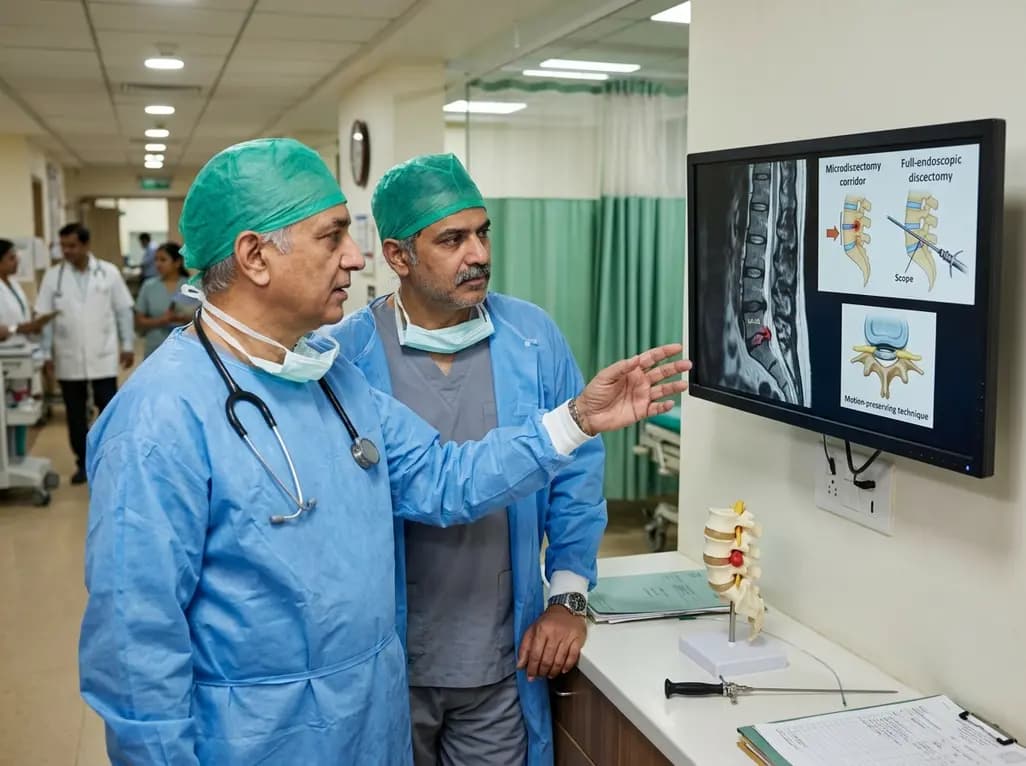
This clinical overview examines recent advancements in lumbar disc herniation surgery, comparing microscopic and full-endoscopic discectomy while highlighting biportal techniques and emerging motion-preserving innovations for spine specialists.
Today

Small interfering RNA (siRNA) therapeutics harness RNA interference to degrade disease-causing messenger RNA. By delivering hepatocyte-targeted, durable gene silencing, agents targeting PCSK9, LPA, and angiotensinogen offer potent cardiovascular risk reduction with infrequent, biannual dosing schedules.
Today
