.webp&w=384&q=75)

Loading, please wait...
Loading, please wait...

Tobacco use remains a catastrophic contributor to preventable morbidity across India, driving severe non-communicable conditions and aggressive oral malignancies. While conventional tobacco cessation centers and national quitlines offer essential counseling, systemic operational barriers often constrain their daily follow-up capacity. Consequently, healthcare providers need scalable digital innovations that reinforce behavioral modifications outside clinical settings. Integrating interactive AI tobacco cessation platforms provides an unprecedented opportunity to extend supportive interventions directly into patients' daily environments. These novel systems deliver personalized reinforcement during acute cravings, thereby bridging critical gaps between scheduled clinic visits.
Moreover, traditional clinical encounters in busy outpatient departments rarely afford adequate time for intensive behavioral therapy. In addition, rural and socioeconomically disadvantaged tobacco users encounter severe geographical barriers when attempting to access physical counseling facilities. Therefore, conversational artificial intelligence can operate as an accessible digital companion throughout the patient's recovery journey. By supplementing hospital workflows, this technology empowers healthcare workers to maintain therapeutic rapport without exhausting local infrastructure. Ultimately, adopting such digital solutions enhances routine practice, improves patient compliance, and standardizes evidence-based cessation advice across diverse Indian demographics.
To overcome operational bottlenecks, researchers designed the Conversational Interface to Quit Tobacco, widely known as the CARE platform. Developed in collaboration with the Indian Institute of Technology Bombay, the CARE interface leverages retrieval-augmented generation. This advanced large language model architecture prevents algorithmic hallucinations by strictly anchoring responses in validated medical literature and cessation guidelines. Furthermore, the development team prioritizes user-centered co-design through extensive in-depth interviews with trained counselors, tobacco users, and clinical specialists. As a result, the chatbot delivers evidence-informed behavioral guidance that directly reflects real-world clinical realities.
Importantly, cultural and linguistic personalization remains central to the design philosophy of the CARE application. India exhibits immense linguistic diversity, which frequently hinders generic health communication campaigns across varied states. Consequently, CARE features multilingual conversational capabilities seamlessly integrated into an accessible mobile interface. Patients receive prompt, culturally resonant motivation and stress-reduction tips in their native dialects. Thus, the RAG-powered engine combines technical robustness with localized behavioral science principles. Clinicians can confidently recommend such verified digital tools, knowing that the system delivers accurate clinical knowledge while avoiding unreliable recommendations.
India confronts an unusual addiction crisis characterized by the widespread consumption of both smoked and smokeless tobacco products. While western literature predominantly emphasizes cigarette smoking, millions of Indian citizens regularly consume gutkha, khaini, and zarda. Consequently, these smokeless habits produce extraordinarily high rates of oral submucous fibrosis and invasive head and neck carcinomas. Unfortunately, standard international digital cessation tools completely overlook the psychological nuances of smokeless tobacco consumption. The CARE initiative directly addresses this diagnostic gap by tailoring behavioral algorithms to both modes of addiction.
Additionally, clinicians recognize that smokeless tobacco users experience distinct social cues, tactile habits, and withdrawal manifestations. Therefore, the CARE conversational agent delivers habit-specific coping mechanisms alongside standard craving diversion techniques. For example, the software offers targeted educational prompts regarding oral mucosal healing, dental hygiene recovery, and chemical dependency timelines. Simultaneously, the platform addresses combustible tobacco users with tailored carbon monoxide education and respiratory wellness trackers. By addressing both forms of dependency within a unified architecture, the intervention offers comprehensive therapeutic utility across varied outpatient cohorts.
The CARE evaluation protocol implements a rigorous three-phase methodological timeline to establish intervention validity across clinical sites. Phase one focuses on comprehensive codevelopment between February and August 2026 across three dedicated tobacco cessation centers. Subsequently, investigators will conduct phase two feasibility testing from September 2026 to August 2027 to measure system usability, acceptability, and patient engagement. Finally, phase three executes a six-month prospective assessment between September and November 2027. This systematic progression ensures thorough testing prior to extensive community deployment.
To quantify behavioral shifts, the research team utilizes several established psychometric instruments across multiple follow-up intervals. In particular, clinicians assess nicotine addiction severity using the Fagerström Test for Nicotine Dependence. Furthermore, investigators track self-efficacy dynamics via the Smoking Self-Efficacy Questionnaire and examine motivational ambivalence through the Decisional Balance Scale. Researchers also administer structured Knowledge Score Questionnaires to measure patient health literacy improvements. Quantitative analyses will employ multivariate logistic regression models, while thematic evaluations capture nuanced qualitative feedback from participants. Consequently, this multi-layered framework provides robust baseline metrics regarding intervention performance and longitudinal participant retention.
Clinicians must interpret initial protocol outcomes within the context of a single-group pre-post study design. Because the pilot lacks a concurrent randomized control arm, observed outcomes serve as hypothesis-generating indicators rather than definitive causal proof. Nonetheless, preliminary data on feasibility and interface usability offer indispensable guidance for real-world integration. Healthcare facilities frequently lack dedicated cessation personnel, which restricts comprehensive counseling in high-volume settings. Therefore, demonstrating robust patient interaction with an automated chatbot validates AI assistance as a scalable clinical force multiplier.
Moreover, insights gathered from this pilot will directly inform subsequent definitive randomized controlled trials across Indian healthcare networks. Successful pilot execution also establishes clear pathways for integrating CARE into the National Tobacco Control Programme. As healthcare infrastructure expands digital health records and telemedicine portals, conversational interfaces can readily interface with routine primary care consultations. In addition, low implementation costs make this digital paradigm uniquely attractive for resource-constrained public health systems. Ultimately, incorporating verified conversational assistants enables medical teams to sustain personalized cessation guidance without overburdening hospital staff.
Retrieval-augmented generation links large language models directly to verified clinical guidelines, preventing misleading statements or fabricated medical advice during automated patient dialogues. Furthermore, this computational framework enables conversational interfaces to deliver accurate, context-specific behavioral guidance. Consequently, users receive safe, evidence-based coping tactics for acute withdrawal symptoms. For practicing clinicians, this architecture provides crucial reassurance that digital recommendations strictly align with standard medical protocols and established health guidelines.
The CARE evaluation protocol utilizes several standardized psychometric tools to track user transformation across the six-month study period. Specifically, investigators deploy the Fagerström Test for Nicotine Dependence to measure physical addiction severity. Additionally, researchers utilize the Smoking Self-Efficacy Questionnaire, the Decisional Balance Scale, and structured Knowledge Score Questionnaires. These validated instruments objectively monitor craving resistance, motivational readiness, and comprehension, thereby providing reliable behavioral data for clinical analysis.
Smokeless tobacco accounts for the majority of tobacco consumption in India, heavily driving oral precancerous lesions and malignant transformations. However, conventional cessation platforms predominantly target cigarette smokers, often neglecting regional chewing habits like gutkha and khaini. Therefore, developing specialized digital interventions that address the unique triggers and physical withdrawal of smokeless forms remains essential. Tailored conversational agents successfully fill this clinical void by delivering culturally relevant, habit-specific counseling.
Disclaimer: This content is for informational and educational purposes only... Refer to the latest local and national guidelines for clinical practice.
References

Read summarized clinical updates, watch expert medical content, and earn CME certifications right from your smartphone.
Open your smartphone camera to scan and install.





The CARE study protocol introduces a multilingual, RAG-powered conversational interface designed by IIT Bombay to support tobacco cessation in India. Evaluating feasibility and behavioral outcomes across three cessation centers, this digital health initiative aims to enhance quitting support for diverse users.
Today
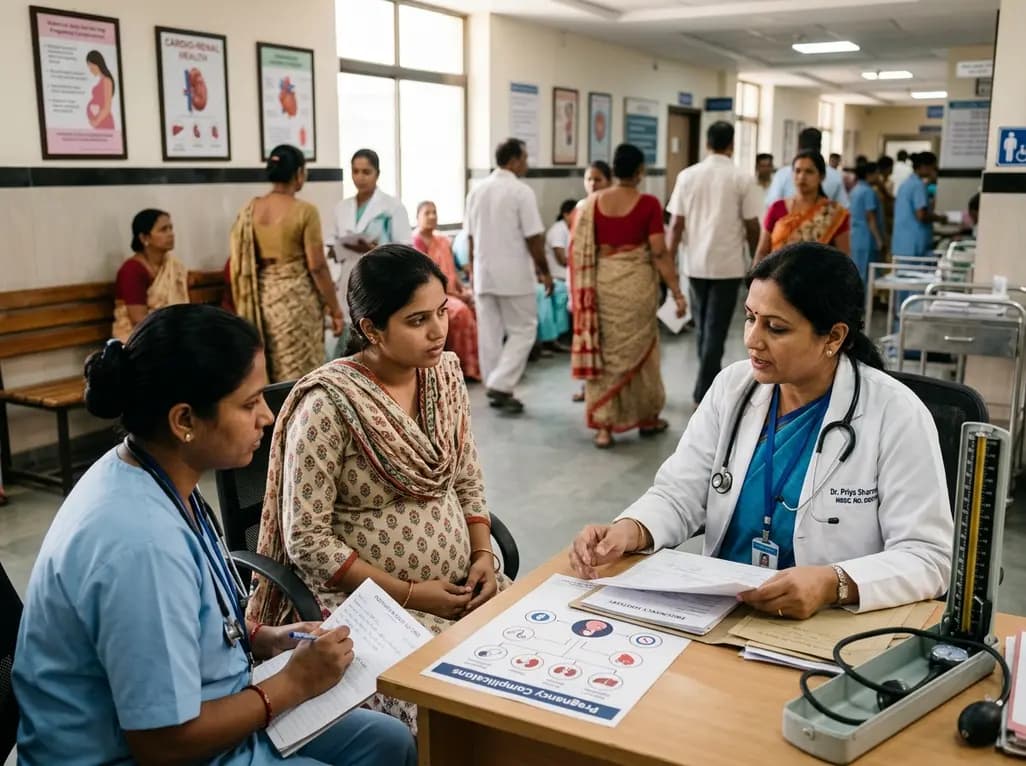
A large UK cohort study of 1.4 million women shows that pregnancy complications, including gestational diabetes, hypertension, and preterm birth, substantially raise long-term risks for hypertension, chronic kidney disease, type 2 diabetes, and cardiovascular events, highlighting early postpartum intervention needs.
Today
A cross-sectional study reveals that hypertension knowledge, illness perceptions, depression, and substance use significantly predict self-care behaviors. Addressing mental health and cognitive beliefs in primary care is crucial for optimal blood pressure control and cardiovascular disease prevention.
Today
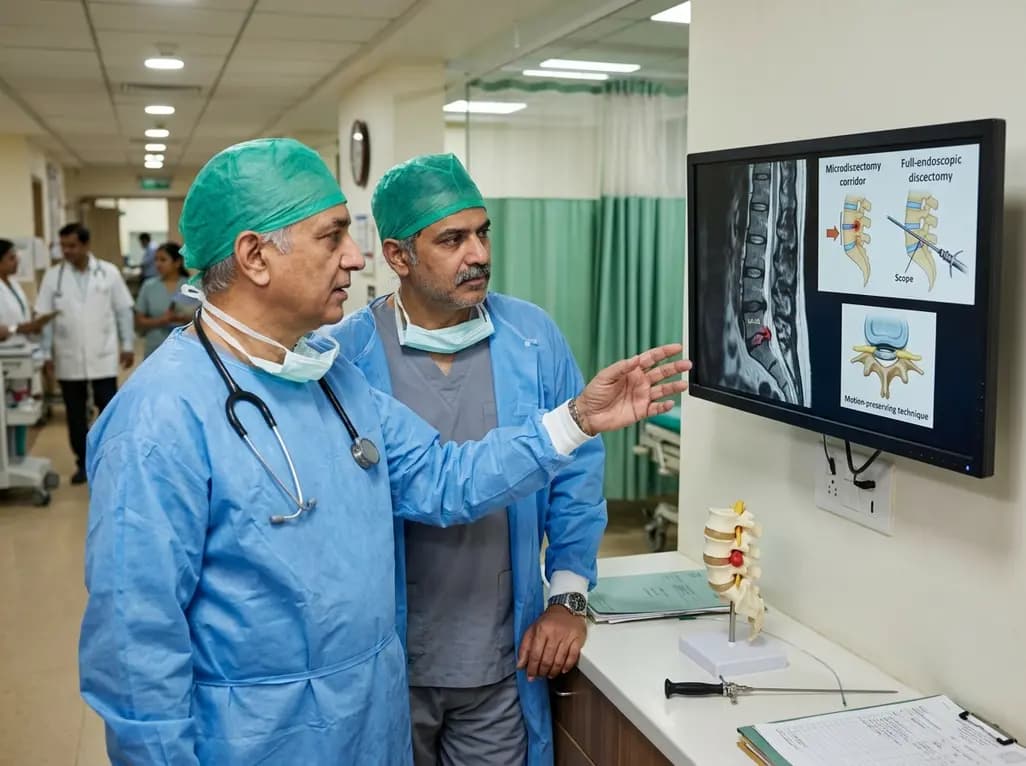
This clinical overview examines recent advancements in lumbar disc herniation surgery, comparing microscopic and full-endoscopic discectomy while highlighting biportal techniques and emerging motion-preserving innovations for spine specialists.
Today

Small interfering RNA (siRNA) therapeutics harness RNA interference to degrade disease-causing messenger RNA. By delivering hepatocyte-targeted, durable gene silencing, agents targeting PCSK9, LPA, and angiotensinogen offer potent cardiovascular risk reduction with infrequent, biannual dosing schedules.
Today
