.webp&w=384&q=75)

Loading, please wait...
Loading, please wait...

Proximal femoral osteotomy remains a vital joint-preserving intervention for adolescents and young adults in 2026. These patients frequently suffer from symptomatic deformities that, if left uncorrected, lead to early-onset osteoarthritis. Consequently, mastering modern proximal femoral osteotomy techniques is essential for orthopedic surgeons aiming to restore hip mechanics while maintaining articular cartilage. Recent developments emphasize a shift toward intra-articular corrections and highly specific preoperative mapping.
Surgical hip dislocation serves as a foundational approach for contemporary hip preservation. This method provides surgeons with circumferential access to the femoral head, neck, and acetabulum. Moreover, it achieves this exposure while strictly preserving the retinacular blood supply. Therefore, clinicians can perform a direct dynamic assessment of impingement during the procedure. Additionally, this approach allows for the simultaneous treatment of intra-articular pathology, ensuring a comprehensive restorative effort for the patient.
The introduction of the extended retinacular flap has significantly transformed surgical possibilities in recent years. Specifically, this flap enables intra-articular corrections directly at the level of the femoral neck and head. Furthermore, it allows for larger, more anatomically accurate corrections compared to traditional extra-articular methods. Because the correction occurs closer to the actual deformity, there is notably less secondary displacement. Consequently, the extended retinacular flap expands the indications for complex cases that previously lacked viable surgical options.
Successful outcomes in hip preservation rely heavily on technical precision and meticulous planning. Surgeons must now combine standardized radiographs with advanced torsion analysis using CT or MRI. Furthermore, MRI-based cartilage assessment provides critical insights into the joint's viability. Notably, the success of the procedure depends on patient age, the timing of the correction, and the baseline status of the cartilage. Therefore, a multidisciplinary approach involving advanced imaging is indispensable for modern orthopedic practice.
Indications include symptomatic proximal femoral deformity in adolescents and young adults who have preserved joint cartilage and deformities amenable to surgical correction.
This technique allows for intra-articular correction closer to the site of the deformity. It results in more powerful corrections with significantly less secondary displacement than extra-articular osteotomies.
Surgical success depends largely on the existing state of the cartilage. MRI helps surgeons determine if the joint is healthy enough to benefit from preservation surgery or if degeneration is too advanced.
Disclaimer: This content is for informational and educational purposes only. It does not constitute medical advice or establish a doctor-patient relationship. Refer to the latest local and national guidelines for clinical practice.
References
Schaible SF et al. Indications and techniques of proximal femoral osteotomies in 2026. EFORT Open Rev. 2026 May 01. doi: 10.1530/EOR-2026-0076. PMID: 42065229.
Ganz R, Huff TW, Leunig M. Extended retinacular soft-tissue flap for intra-articular hip surgery: surgical technique, indications, and results of application. Instr Course Lect. 2009;58:241-255.
Schoenecker PL, Rich MM, Nunley RM. Proximal Femoral Osteotomy in the Skeletally Immature Patient With Deformity. ClinicalGate. 2015.

Read summarized clinical updates, watch expert medical content, and earn CME certifications right from your smartphone.
Open your smartphone camera to scan and install.





A clinical update on proximal femoral osteotomy techniques in 2026, focusing on surgical hip dislocation, intra-articular correction, and joint preservation...
4 months ago
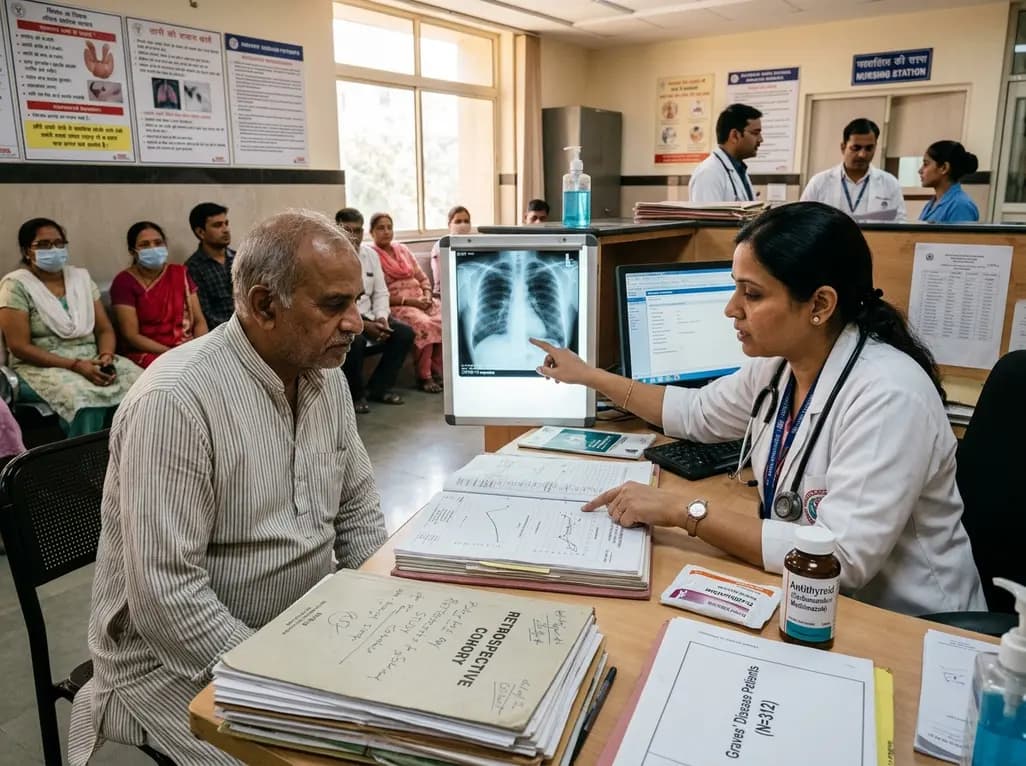
A retrospective cohort study evaluates the short- and long-term impacts of SARS-CoV-2 infection on patients with Graves' disease receiving antithyroid drug therapy, highlighting thyroid status destabilization, clinical symptom exacerbations, and post-viral sequelae.
Today
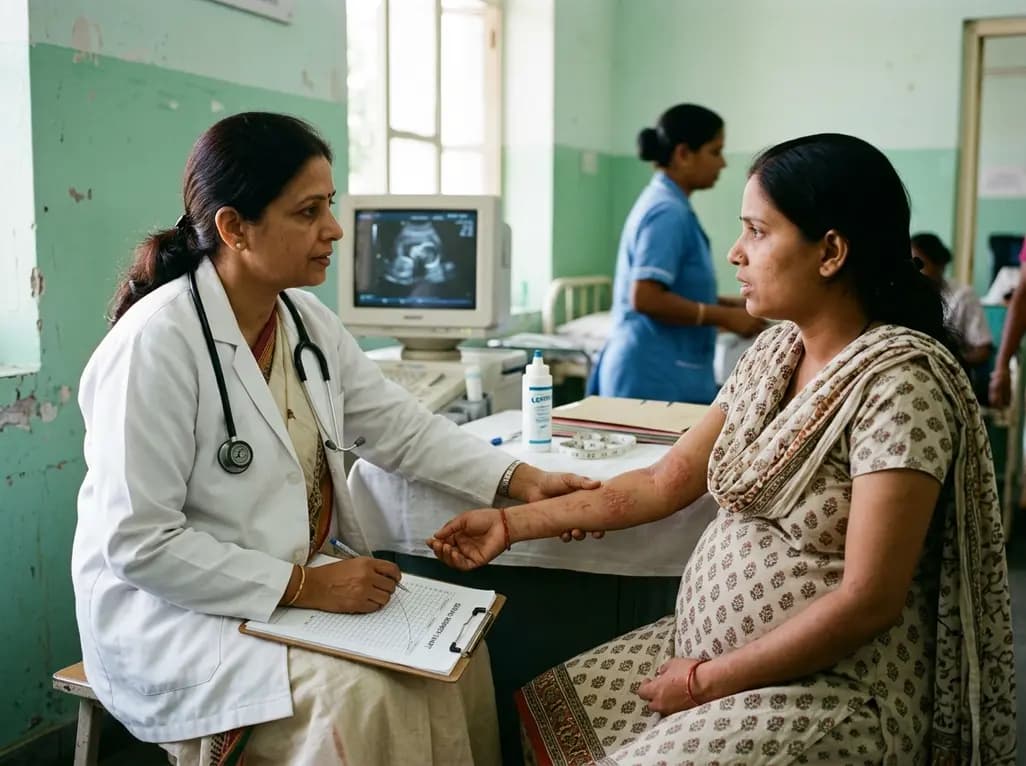
A comprehensive meta-analysis of over 278,000 women demonstrates that maternal atopic dermatitis significantly increases risks of premature rupture of membranes and low birth weight. Discover essential clinical insights on disease mechanisms, serial antenatal growth monitoring, and safe therapeutic interventions.
Yesterday
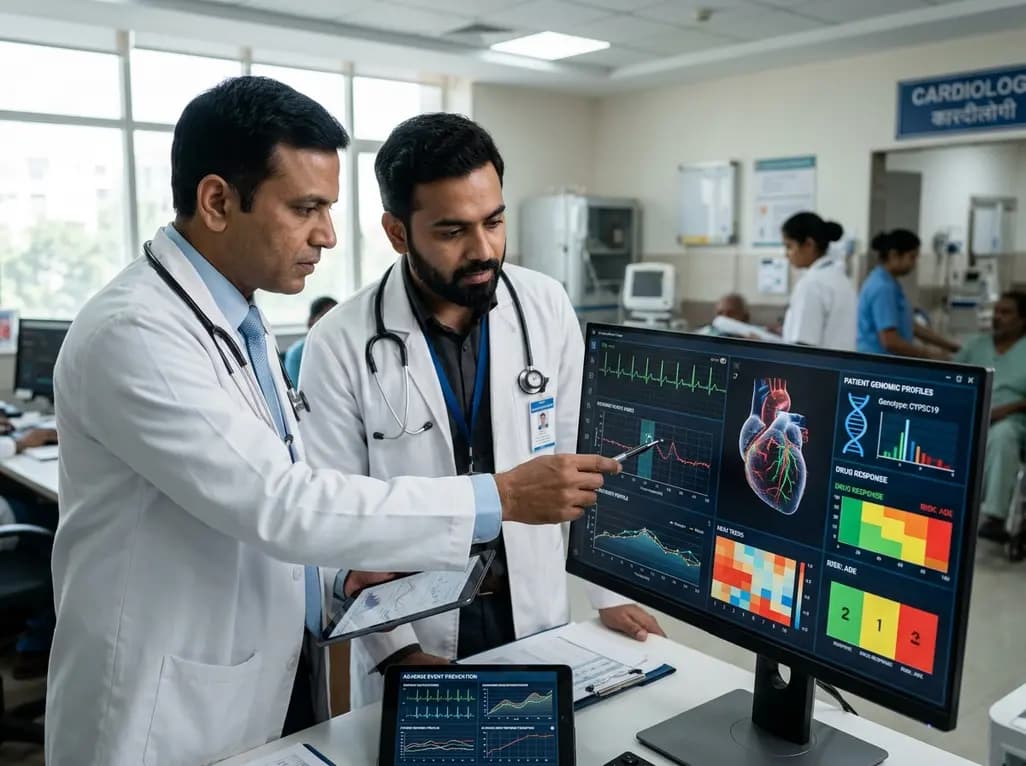
Pharmacogenomics and artificial intelligence are revolutionizing cardiology by tailoring therapies to individual genetic profiles and clinical data, reducing adverse drug events, and improving cardiovascular patient outcomes.
Today
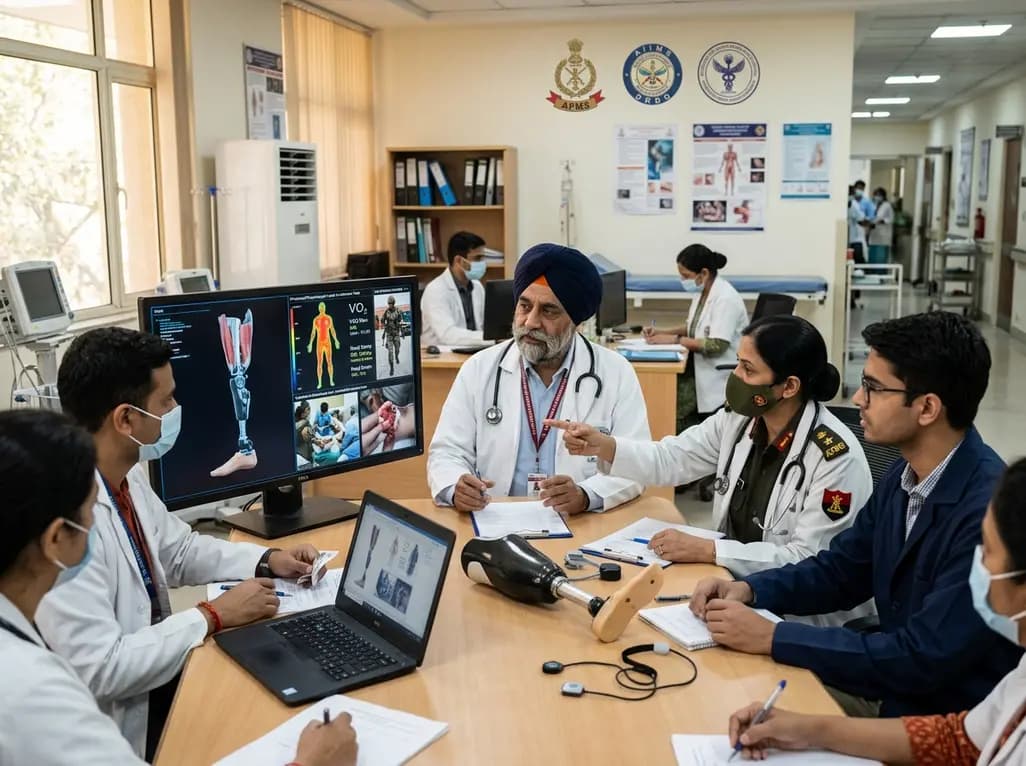
India's premier scientific bodies have joined the Armed Forces Medical Services to solve unique physiological and operational challenges faced by soldiers. The national collaboration covers combat casualty care, artificial intelligence diagnostics, bionic prosthetics, and extreme-environment physiological resilience.
Today
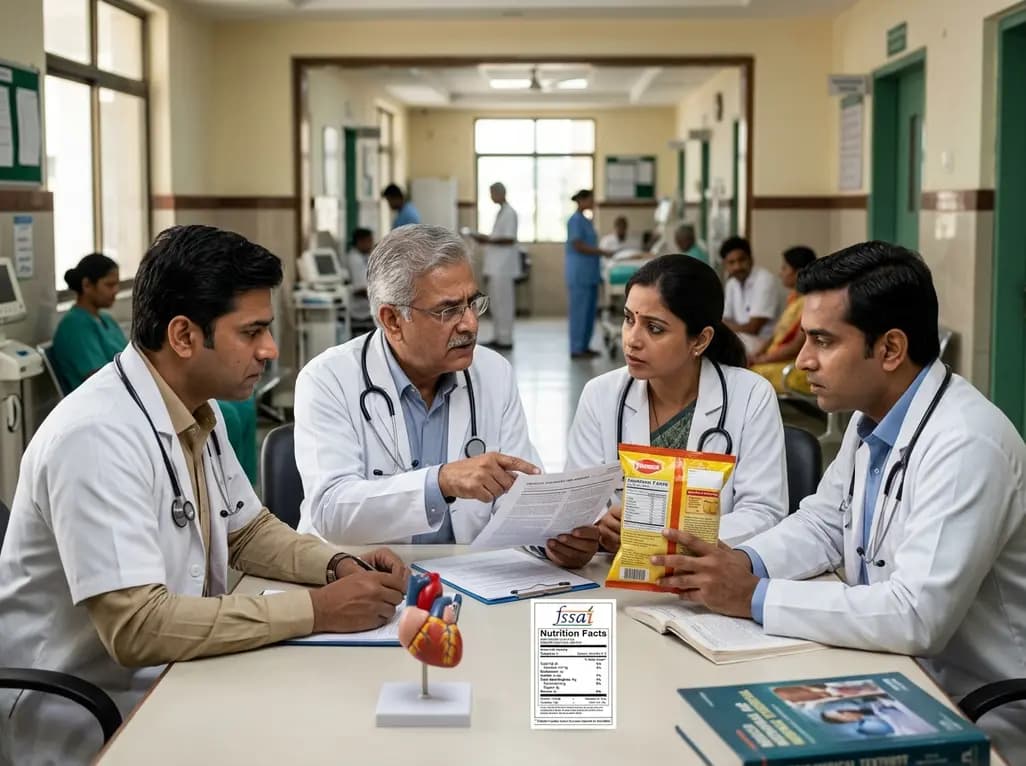
Over 60 international public health researchers have advised FSSAI to mandate front-of-pack warning labels for any packaged product high in even one critical nutrient: sugar, saturated fat, or sodium. This reform counters phased rollouts to accelerate consumer protection and address India's chronic disease burden.
Today
