.webp&w=384&q=75)

Loading, please wait...
Loading, please wait...
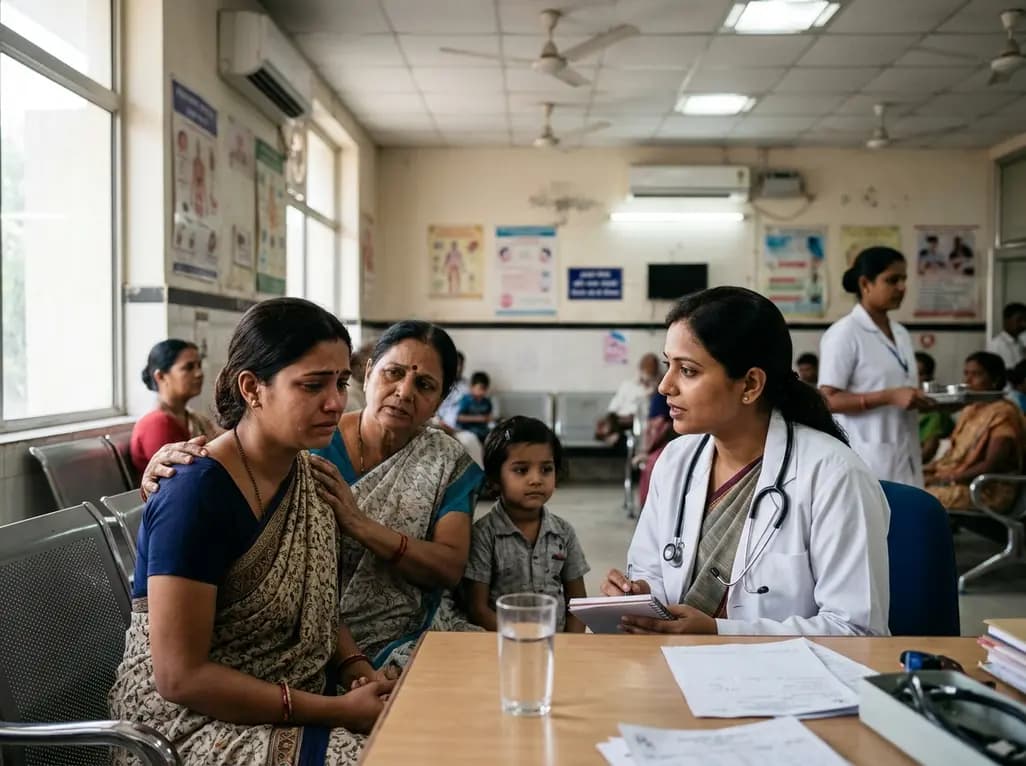
Problem gambling does not only harm the individual but also creates a ripple effect throughout their social network. Clinicians refer to these individuals in the social circle as affected others. A recent Swedish population study has shed light on the widespread impact of this issue. It highlights that nearly 11.1% of the population are problem gambling affected others who have experienced gambling-related stress through a close associate within the past year.
Researchers drew data from the Gambling and Health 2021 survey, which identifies friends as the most common group impacted. Specifically, 5.4% of respondents reported being affected friends. However, family members and colleagues also face significant risks. Consequently, the emotional burden varies significantly depending on the nature of the relationship. Moreover, these findings suggest that the social cost of gambling extends much further than previously estimated.
The study links affected other status to a higher prevalence of adverse health outcomes. Notably, these individuals often suffer from moderate mental distress regardless of the relationship type. Family members face even higher risks of serious mental distress. Additionally, behavioral issues like hazardous alcohol use and at-risk gambling appear more frequently among affected family and friends. Relational health also suffers, often manifesting as increased arguments or work-related conflicts. Furthermore, some friend-based relationships report instances of violence.
Clinicians should screen for the social impact of gambling during routine mental health assessments. Because the harm is heterogeneous, interventions must consider the specific relationship type. For instance, workplace conflicts predominate for colleagues, while intimate partner issues dominate for family members. Addressing these second-hand harms is essential for a holistic public health approach in clinical practice. Consequently, supporting the social network may ultimately improve outcomes for the gambler as well.
Disclaimer: This content is for informational and educational purposes only. It does not constitute medical advice, diagnosis, or treatment. Always seek the advice of your physician or another qualified health provider with any questions you may have regarding a medical condition. Refer to the latest local and national guidelines for clinical practice.
References
Sundqvist K et al. Affected Others of Problem Gambling: Prevalence and Health Associations Across Relationship Types - A Population-Representative Swedish Study. J Gambl Stud. 2026 Jun 06. doi: 10.1007/s10899-026-10522-2. PMID: 42250198.
World Health Organization. Gambling. 2024. [Online]. Available from: https://www.who.int/news-room/fact-sheets/detail/gambling
Dowling NA et al. Addressing gambling harm to affected others: A scoping review (Part I: Prevalence, socio-demographic profiles, gambling profiles, and harm). Clin Psychol Rev. 2025 Mar;102542. doi: 10.1016/j.cpr.2025.102542.
Research indicates that for every individual with a gambling disorder, an average of six to eight other people, such as family and friends, experience negative consequences.
Affected others frequently report moderate to serious mental distress, including anxiety, depression, and feelings of isolation or self-blame.

Read summarized clinical updates, watch expert medical content, and earn CME certifications right from your smartphone.
Open your smartphone camera to scan and install.





A Swedish study reveals that 11.1% of the population are affected others of problem gambling, facing significant mental, behavioral, and relational health r...
4 months ago

A retrospective cohort study of 7,716 ICU patients from the MIMIC-IV database demonstrates that Gradient Boosting Decision Trees significantly outperform traditional SOFA scores in predicting in-hospital mortality among patients with sepsis and diabetes, with SHAP analysis providing clinical interpretability.
Today

Occult maternal malignancy accounts for 3.82% of persistent unreportable NIPT results with genomic noise. Multiple chromosomal aberrations, notably on chromosome 18, warrant thorough oncological evaluation and whole-body MRI to ensure timely maternal diagnosis while preserving fetal care.
Today

This article reviews the forensic and clinical complexities of acute myocarditis arising on left ventricular hypertrophy in children, highlighting early diagnostic red flags and multidisciplinary postmortem autopsy protocols.
Today

This comparative study evaluates posterior labral tears with and without glenohumeral instability, highlighting distinct demographic patterns, MRI underestimation in stable shoulders, and successful arthroscopic repair outcomes.
Yesterday

A clinical study demonstrates that early intervention with tocilizumab, either as monotherapy or bridged with corticosteroids, achieves significant proptosis reduction and resolves active inflammation in treatment-naive thyroid eye disease.
Yesterday
