.webp&w=384&q=75)

Loading, please wait...
Loading, please wait...

Reconstructive craniofacial surgeons in low- and middle-income countries frequently encounter late-presenting oral clefts. Performing primary palatoplasty in adults presents distinct technical and anatomical challenges compared to routine pediatric intervention. Adult tissues display reduced vascularity, established scar tissue, and chronic compensatory oral patterns. Consequently, reconstructive surgeons must balance functional speech restoration with the elevated danger of tissue breakdown and palatal fistulae. A recent landmark retrospective study from Lahore, Pakistan, examining 395 adult patients offers crucial clinical insights into these surgical complexities and functional outcomes.
Adult patients presenting with unrepaired cleft palates carry significant physical and psychosocial burdens. In this large cohort of 395 individuals, the mean patient age was 21.6 years, with a slight male predominance of 55.6 percent. Interestingly, bilateral incomplete cleft palate (Veau Class II) represented the predominant structural phenotype, accounting for 35.9 percent of the observed cases. Unlike infants whose palatal shelves retain remarkable viscoelasticity, mature adults possess rigid, fibrotic palatal tissues. Moreover, decades of uncorrected anatomy force patients to develop deeply ingrained compensatory articulation patterns. Therefore, clinicians must appreciate that surgical closure in mature individuals is not merely a delayed pediatric procedure. Rather, it represents a complex reconstructive endeavor demanding tailored preoperative planning. Surgical teams must thoroughly evaluate velopharyngeal dimensions, maxillary arch anatomy, and mucosal tissue quality before scheduling intervention. Furthermore, reconstructive surgeons should clearly counsel mature candidates about realistic structural and functional expectations. While anatomical closure is achievable, resolving longstanding compensatory speech habits requires comprehensive long-term commitment. Thus, evaluating baseline phenotype severity remains fundamental for optimizing individual operative strategies and surgical success.
Selecting an appropriate operative technique dictates tissue tension and overall healing success. In the study cohort, surgeons utilized the von Langenbeck bipedicled flap, the Bardach two-flap palatoplasty, or midline incision-only techniques based on anatomical morphology. However, wide adult cleft defects often demand strategic operative modifications to avoid catastrophic flap ischemia. Surgeons frequently mobilized lateral relaxing incisions and extensive nasal mucosal layers to achieve a durable, tension-free closure along the midline. Additionally, surgeons incorporated adjunctive pharyngeal flaps when preoperative assessments revealed significant velopharyngeal gap dimensions. Preserving the greater palatine neurovascular bundles remains essential during lateral dissection to safeguard flap viability. When closing broad cleft gaps, surgeons must also prioritize a robust two-layer or three-layer repair. Specifically, reconstructing the levator veli palatini muscle sling through meticulous intravelar veloplasty restores dynamic velar mobility. Consequently, tension-free muscular retropositioning establishes an effective physical barrier between the nasal and oral cavities. Reconstructive teams must avoid excessive electrocautery, which damages microvasculature and compromises healing. Therefore, careful tissue handling and anatomical reconstruction represent the cornerstones of successful adult palatoplasty.
Palatal fistula formation represents the most formidable complication encountered during late palate closure. In this extensive adult cohort, postoperative fistulae occurred in 16.9 percent of patients, primarily clustered at the hard-soft palate junction. This vulnerable anatomical junction experiences substantial biomechanical tension during swallowing, speaking, and mastication. More importantly, multivariate statistical analysis revealed that advancing age was an independent risk factor for fistula development. Each additional year of age increased the odds of fistula occurrence by five percent, yielding an adjusted odds ratio of 1.05. As patients age, oral mucosal vascularity diminishes, and chronic local inflammation reduces tissue compliance. Furthermore, mature adult tissue beds heal with greater rigidity, making closure under tension particularly dangerous. Consequently, surgeons operating on older adults must exercise heightened caution during flap elevation and transposition. Clinicians should consider proactive flap modifications, such as buccal fat pad transposition or acellular dermal matrices, when primary tension appears excessive. In addition, meticulous postoperative care, including a strict liquid-to-soft diet, reduces oral mechanical stress. Addressing these age-related risk factors directly empowers surgical teams to minimize devastating anastomotic breakdown.
Although anatomical closure presents mechanical challenges, functional speech improvement remains achievable in mature populations. The cohort demonstrated a statistically significant improvement in composite speech scores, which decreased from 14.6 to 12.3 postoperatively. This quantitative enhancement reflects decreased hypernasality, reduced audible nasal emission, and improved intraoral pressure generation. Nevertheless, closing the palatal cleft in adulthood does not instantly eliminate compensatory articulation errors. Over decades, patients develop maladaptive tongue placements, such as glottal stops and pharyngeal fricatives, to bypass velopharyngeal insufficiency. Because these motor patterns remain deeply entrenched in adult neural pathways, surgery alone cannot fully restore normal articulation. Therefore, intensive postoperative speech therapy must accompany every adult palatoplasty. Specialized speech-language pathologists help patients relearn correct phonetic placement once the soft palate achieves anatomical integrity and mobility. Moreover, objective speech evaluation, including nasometry and videofluoroscopy, provides vital data regarding velopharyngeal competence during recovery. Clinicians should maintain realistic expectations while encouraging adult patients throughout their rehabilitation journey. Ultimately, functional success requires combining precise surgery with dedicated speech rehabilitation.
Managing adult cleft palate repair requires a comprehensive multidisciplinary strategy extending far beyond the operating room. Adult patients often present with neglected dental caries, collapsed maxillary arches, and psychological distress from social stigma. Consequently, preoperative dental hygiene optimization and orthodontic expansion improve surgical access and reduce oral bacterial loads. Anesthesiologists must anticipate challenging intubations due to restricted mouth opening, altered craniofacial anatomy, and tissue stiffness. Postoperatively, aggressive oral hygiene protocols, effective multimodal analgesia, and structured dietary limitations prevent early flap dehiscence. Furthermore, surgical teams must schedule close, regular follow-up visits to detect subclinical fistulae or wound infection early. Psychosocial support plays an equally critical role in adult cleft care. Many mature patients experience chronic social isolation, anxiety, and depression linked to speech impairments and facial differences. Therefore, integrating clinical psychologists, social workers, and dental specialists into the cleft care team ensures holistic patient recovery. By establishing dedicated adult cleft pathways, reconstructive centers can deliver transformative physical, functional, and emotional outcomes for this underserved demographic.
Advancing age diminishes microvascular tissue perfusion and reduces mucosal elasticity across the hard and soft palate. In mature adults, long-term exposure to oral pathogens often induces chronic mucosal inflammation and tissue scarring. Consequently, mobilized surgical flaps experience greater tension during midline closure. These physiological changes significantly compromise wound healing dynamics at vulnerable transition zones, directly explaining why older adults face a five percent higher fistula risk per year of age.
Surgeons frequently utilize the Bardach two-flap palatoplasty or the bipedicled von Langenbeck technique for adult repairs. However, exceptionally wide clefts require strategic modifications to ensure completely tension-free midline approximation. Surgeons often perform extensive subperiosteal dissection, lateral relaxing incisions, and meticulous intravelar veloplasty. Additionally, vascularized adjunctive tissue, such as buccal mucosal flaps or superiorly based pharyngeal flaps, provides essential tissue coverage and reduces excessive biomechanical stress across the palatal suture lines.
Yes, surgical palatal closure significantly improves velopharyngeal function, reduces hypernasality, and minimizes nasal air escape in adult patients. However, adult patients retain deeply ingrained compensatory speech habits developed over decades of living with an open cleft. Consequently, anatomical repair must be paired with dedicated, long-term speech therapy. With structured phonation exercises and regular auditory feedback, adult patients achieve substantial, clinically meaningful improvements in overall speech intelligibility and social communication.
Disclaimer: This content is for informational and educational purposes only and does not constitute medical advice, diagnosis, or treatment. Healthcare professionals should rely on their own clinical judgment and independent medical decision-making. Refer to the latest local and national guidelines for clinical practice.
References

Read summarized clinical updates, watch expert medical content, and earn CME certifications right from your smartphone.
Open your smartphone camera to scan and install.





A cohort study of 395 adult patients undergoing primary palatoplasty reveals a 16.9% fistula rate, linked to advancing age, alongside significant speech improvements.
Today
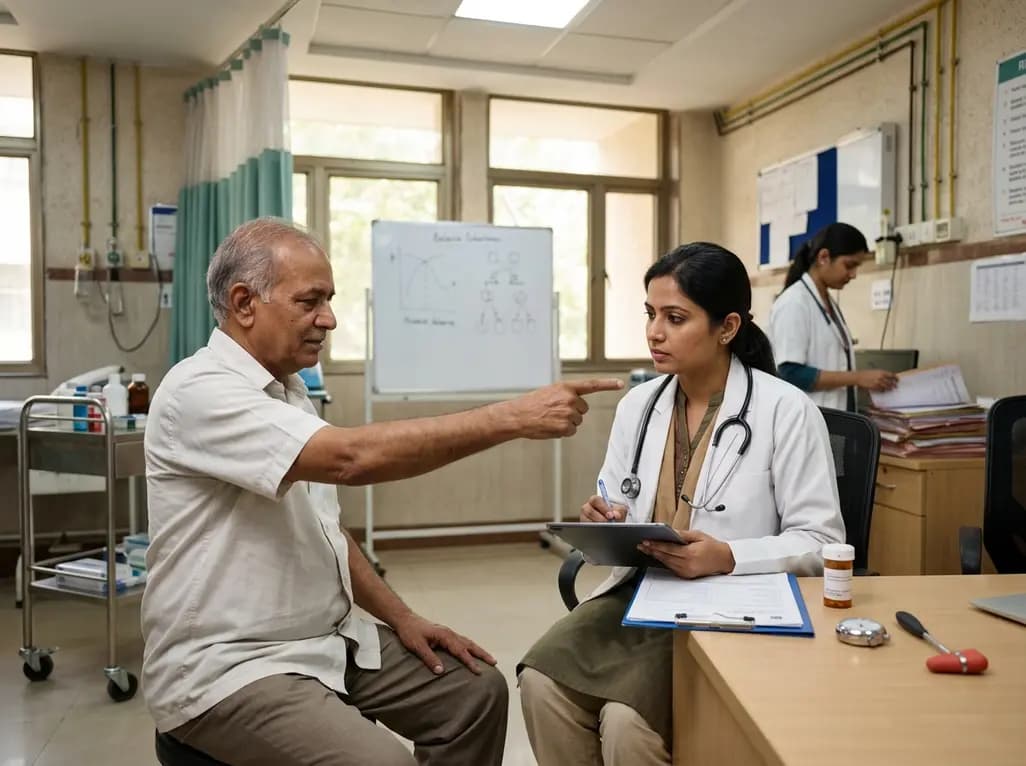
A randomized trial shows oral DL-3-n-butylphthalide (200 mg thrice daily) significantly slows functional decline in spinocerebellar ataxia type 3 over 12 months, improving SARA and SCAFI scores with favorable safety and zero serious adverse events.
Today

A comprehensive 26-year cancer registry analysis reveals significant declines in cervical cancer incidence alongside stable rates of non-cervical anogenital malignancies. These epidemiologic findings provide critical insights for expanding HPV vaccination, diagnostic vigilance, and preventative oncology care.
Today

A Bayesian network meta-analysis evaluates exercise training in HFpEF, demonstrating that combined aerobic and resistance training, HIIT, and moderate continuous training significantly enhance peak VO2, while functional electrical stimulation uniquely improves quality of life without altering cardiac remodeling.
Today
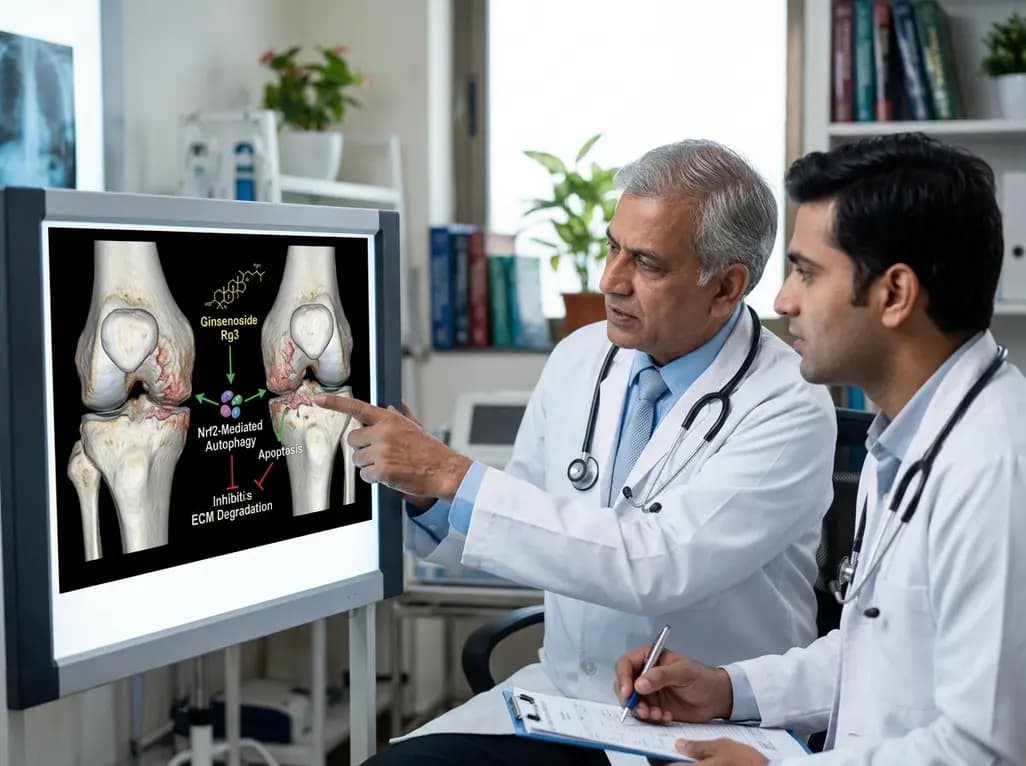
A study reveals that Ginsenoside Rg3 attenuates osteoarthritis progression by modulating the Nrf2-mediated autophagy pathway, reducing chondrocyte apoptosis, and curbing extracellular matrix degradation, offering promising chondroprotective potential.
Today
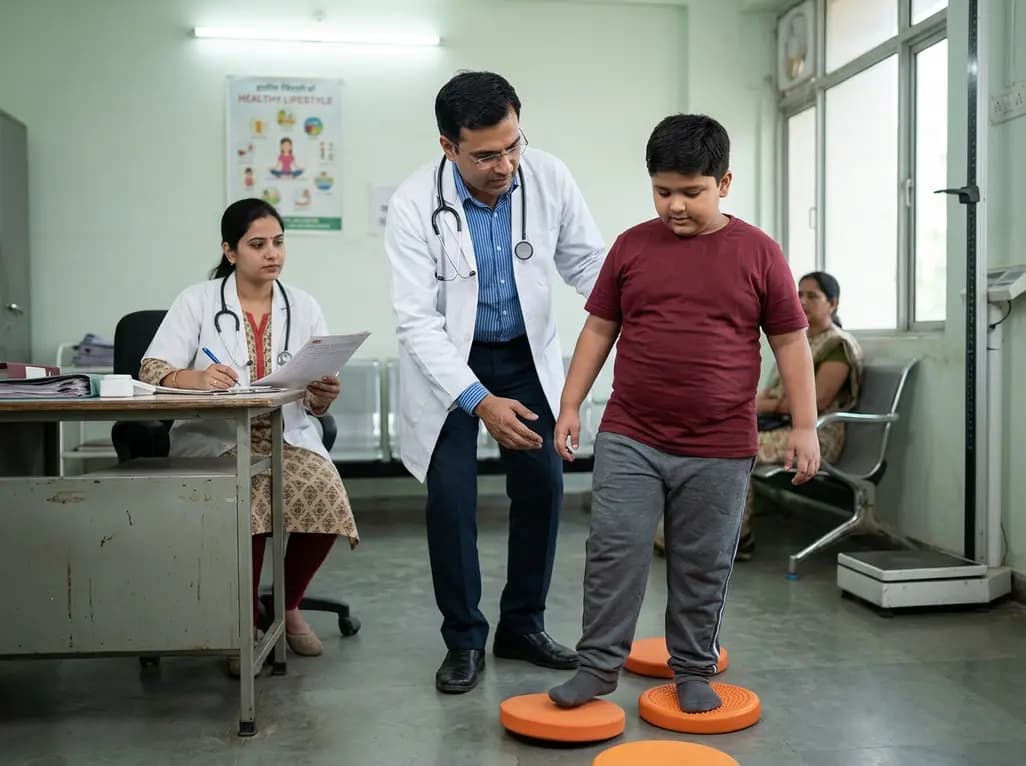
A cross-sectional study demonstrates that lower pediatric motor competence strongly correlates with adverse metabolic syndrome markers, including central adiposity, elevated triglycerides, and low HDL cholesterol, emphasizing early neuromuscular interventions in youth with overweight and obesity.
Today
