.webp&w=384&q=75)

Loading, please wait...
Loading, please wait...
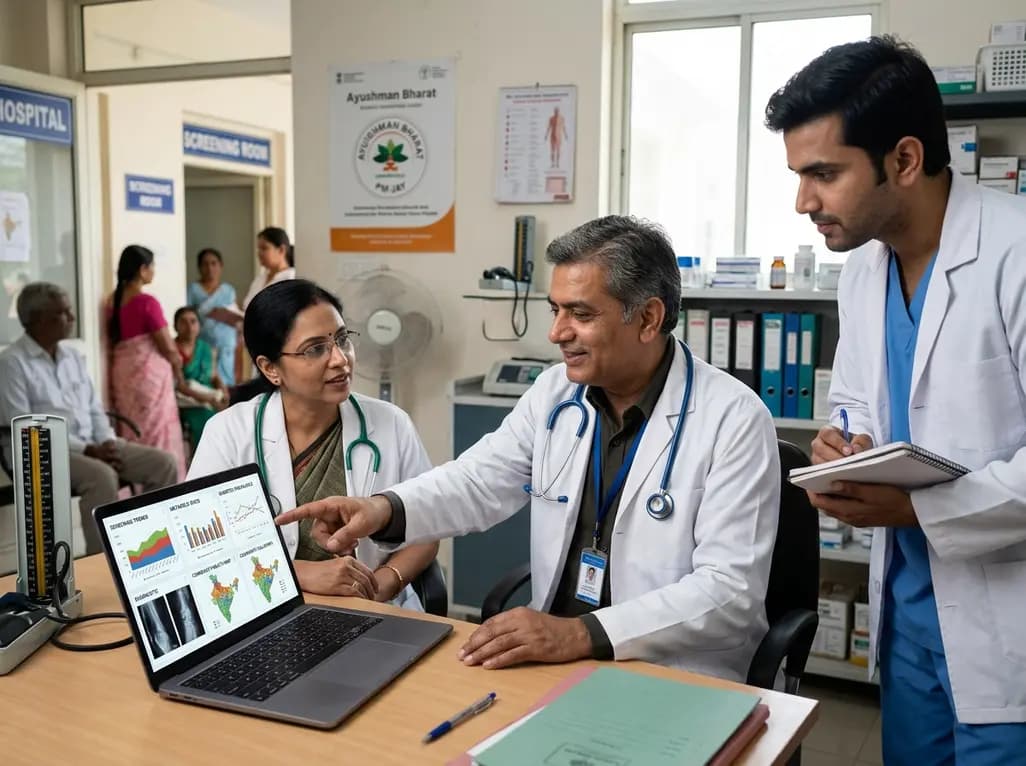
Preventive healthcare is rapidly emerging as the most sustainable framework for India's transforming medical landscape. During a recent address at an advanced imaging facility, Defence Minister Rajnath Singh emphasized that early disease detection is critical for safeguarding public health and economic vitality. Currently, non-communicable diseases such as cardiovascular disorders, type 2 diabetes, chronic kidney ailments, hypertension, and malignancies represent a monumental challenge. Consequently, adopting proactive clinical interventions can dramatically curb morbidity and prevent catastrophic personal and national health expenditures.
Non-communicable diseases do not manifest overnight; rather, they progress silently across decades through insidious pathophysiological changes. For instance, subtle metabolic dysregulations like insulin resistance, dyslipidemia, hepatic steatosis, and borderline blood pressure serve as early indicators of disease progression. When clinicians identify these intermediate biomarkers early, they can initiate targeted lifestyle interventions and low-cost pharmacotherapy. Therefore, proactive primary screening shifts the clinical paradigm from delayed symptom crisis management to early preservation of organ reserve. Furthermore, chronic vascular inflammation and microvascular injuries often remain asymptomatic until major adverse cardiovascular events occur. Routine lipid profiling, periodic glycated hemoglobin assessments, and baseline vascular evaluations allow clinicians to intervene before irreversible structural damage occurs. In addition, addressing behavioral risk factors including sedentary habits, poor dietary nutrition, chronic psychosocial distress, and tobacco exposure forms the foundation of preventative management. Consequently, structured periodic health checks empower clinicians to tailor preventive strategies to individual cardiovascular and metabolic risk profiles. Ultimately, mitigating these underlying drivers preserves lifelong functional capacity and reduces premature mortality.
From a macro- and microeconomic viewpoint, preventive healthcare offers substantial financial returns for households, employers, and national healthcare systems. Treating advanced chronic diseases involves intensive care admissions, specialized interventional procedures, and lifelong multidrug regimens that frequently cost lakhs of rupees. In contrast, comprehensive annual health checkups, routine biochemical screenings, dietary counseling, and basic prophylactic medications cost only a fraction of those amounts. Thus, early intervention substantially reduces out-of-pocket medical expenditure, which currently drives millions of families into medical debt. Moreover, chronic disability directly diminishes workforce productivity, leading to significant economic output loss and increased societal dependency. By keeping working-age adults healthy and functionally active, preventive strategies bolster overall labor force participation and domestic output. Additionally, commercial insurers and corporate employers increasingly recognize that investing in workplace wellness and periodic screening curtails expensive inpatient claims over time. Therefore, systematic resource allocation toward early risk mitigation creates a fiscally resilient healthcare ecosystem. In effect, preventative clinical protocols align clinical efficacy with national economic sustainability, ensuring that health resources deliver maximum long-term societal value.
India currently enjoys a favorable demographic dividend characterized by a predominantly youthful population. However, epidemiological models project a dramatic expansion of the geriatric population by 2050, bringing unprecedented chronic disease burdens. If healthcare infrastructure remains purely reactive, the impending surge in multi-morbidity among older adults will overwhelm tertiary hospitals and intensive care units. Consequently, institutionalizing preventive care across all life stages is essential to ensure healthy aging and maintain functional independence. Furthermore, older adults frequently suffer from complex clusters of conditions, including osteopenia, cognitive impairment, sarcopenia, and metabolic syndromes. Early detection of these geriatric syndromes allows multidisciplinary teams to implement timely physical rehabilitation, nutritional support, and sensory correction. In addition, preventive vaccination schedules and routine cognitive screenings protect vulnerable seniors from avoidable hospitalizations and acute functional decline. Primary healthcare providers must therefore integrate comprehensive geriatric assessments into routine outpatient evaluations. By prioritizing preventative geriatric protocols today, the healthcare delivery network can prevent systemic hospital overcrowding in coming decades. Ultimately, proactive age-friendly care pathways preserve dignity, optimize quality of life, and strengthen societal resilience.
Diagnostic medicine is undergoing an unprecedented technological revolution driven by artificial intelligence, automated pathology, high-resolution imaging, and molecular genomics. These emerging tools enable clinicians to detect microstructural and cellular abnormalities long before clinical symptoms emerge. For example, machine learning algorithms can analyze routine retinal photographs or digital electrocardiograms to predict systemic cardiovascular risks accurately. Similarly, advanced low-dose computed tomography and liquid biopsies enhance early cancer detection, making curative treatment possible. However, technological advancement must remain strictly anchored to patient safety, clinical validation, algorithmic transparency, and stringent data security. Clinicians must maintain empathetic communication because diagnostic testing inherently evokes patient anxiety, vulnerability, and anticipation. Therefore, ethical artificial intelligence deployment requires eliminating algorithmic biases across diverse demographic cohorts while protecting sensitive patient records. Furthermore, integrating point-of-care digital diagnostics into primary healthcare centers democratizes access to high-quality testing across rural geographies. When cutting-edge technologies assist well-trained primary practitioners, diagnostic precision expands across underserved regions. In summary, harnessing digital health tools responsibly accelerates the preventive healthcare transition while maintaining highest standards of medical ethics.
To make preventive healthcare universally accessible, policy initiatives must effectively bridge the divide between advanced diagnostics and grassroots populations. Through the Ayushman Bharat initiative, the establishment of Ayushman Arogya Mandirs has created an extensive network for population-based non-communicable disease screening. Frontline healthcare teams conduct extensive door-to-door community assessments for hypertension, diabetes, and oral, breast, and cervical malignancies. Consequently, millions of underprivileged citizens now receive early screening, primary medications, and timely specialist referrals without incurring crippling out-of-pocket costs. Furthermore, substantial investments in state-level medical education, such as the rapid expansion of medical colleges and postgraduate seats in Uttar Pradesh, strengthen rural clinical capacity. By expanding clinical training seats and deploying qualified physicians to peripheral health centers, healthcare accessibility improves significantly across formerly underserved districts. Additionally, continuous digital tracking on national health portals guarantees proper treatment adherence and long-term clinical monitoring for diagnosed patients. Ultimately, ensuring that preventive services reach the most vulnerable citizen remains the ultimate benchmark of public health governance. Through robust primary infrastructure and sustained universal health coverage, India establishes an enduring foundation for national health security.
Q1: Why is early screening for non-communicable diseases considered economically superior to tertiary treatment?
Early screening for non-communicable diseases costs very little, requiring only basic diagnostic tests, lifestyle modifications, and affordable medications. Conversely, managing advanced chronic diseases involves intensive hospitalizations, surgical interventions, and expensive long-term therapeutics that cost lakhs of rupees. By detecting metabolic abnormalities before irreversible complications arise, preventive screening protects families from catastrophic out-of-pocket healthcare expenses while significantly reducing public health system expenditures.
Q2: How does India's shifting demographic profile impact the urgency of preventive healthcare?
India currently possesses a young demographic profile, but projections indicate a substantial increase in the geriatric population by 2050. As individuals age, their vulnerability to chronic multi-morbidities like cardiovascular disease, diabetes, and cognitive decline rises sharply. Without proactive preventive care models established today, future geriatric disease burdens will overwhelm hospital facilities and critical care units across the country.
Q3: What role does artificial intelligence play in modern preventive diagnostics?
Artificial intelligence enhances modern preventive diagnostics by analyzing high-resolution imaging, electrocardiograms, and molecular data to detect early cellular and physiological alterations. These intelligent algorithms identify subtle warning patterns that might precede overt clinical symptoms, enabling timely clinical intervention. However, healthcare professionals must ensure algorithmic transparency, rigorous data privacy, and ethical oversight to preserve patient trust and safety.
Disclaimer: This content is for informational and educational purposes only. It does not constitute medical advice or replace professional judgment. Refer to the latest local and national guidelines for clinical practice.
References

Read summarized clinical updates, watch expert medical content, and earn CME certifications right from your smartphone.
Open your smartphone camera to scan and install.





Preventive healthcare is rapidly emerging as the cornerstone of sustainable modern medicine in India. By identifying metabolic warnings early, integrating AI diagnostics, and scaling community screening through initiatives like Ayushman Bharat, clinicians can curb NCDs and protect long-term socioeconomic security.
last month
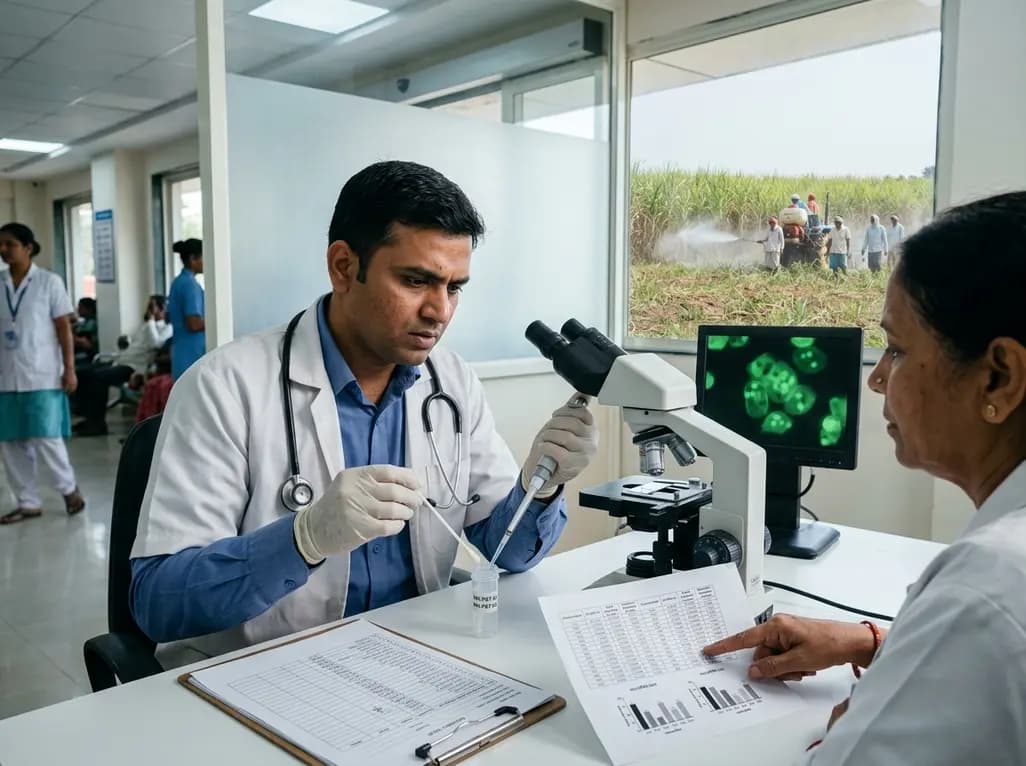
A landmark biomonitoring study reveals that chronic pesticide exposure significantly alters buccal microRNA expression and increases micronucleus frequency in agricultural workers. These findings uncover actionable molecular signatures of oxidative stress, inflammation, and genomic instability.
Today
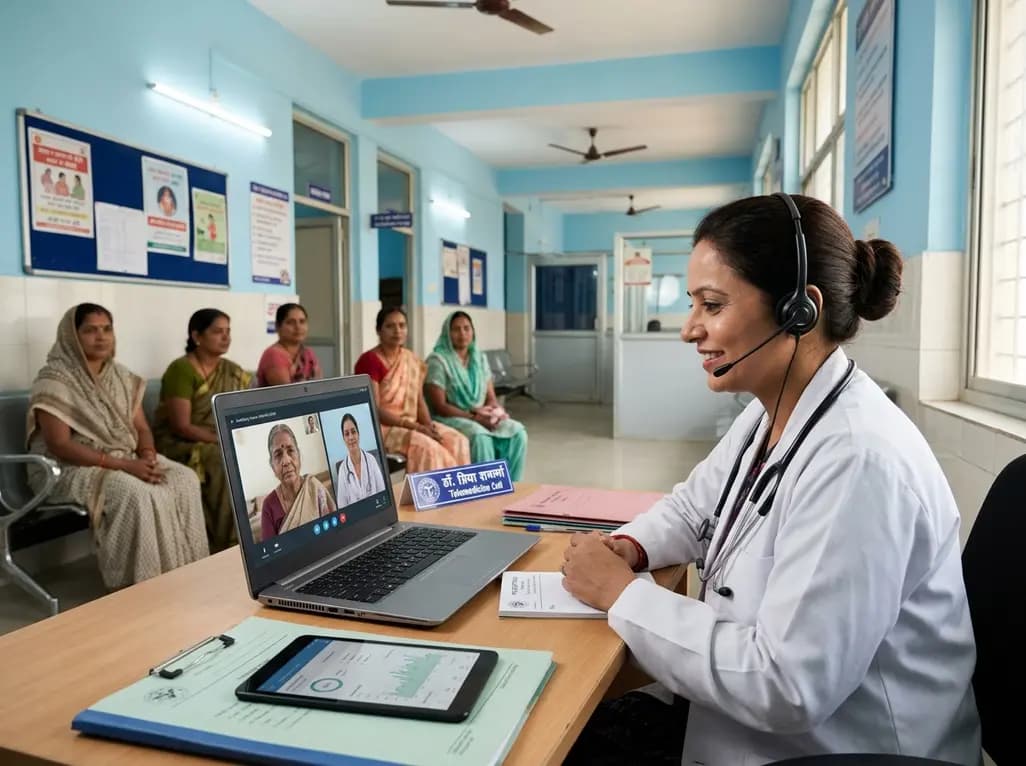
India's national digital health service achieved a historic milestone of fifty crore virtual consultations. Notably, female patients account for over fifty-seven percent of utilisation, demonstrating improved healthcare accessibility for remote communities, chronic disease management, and primary triage.
Today
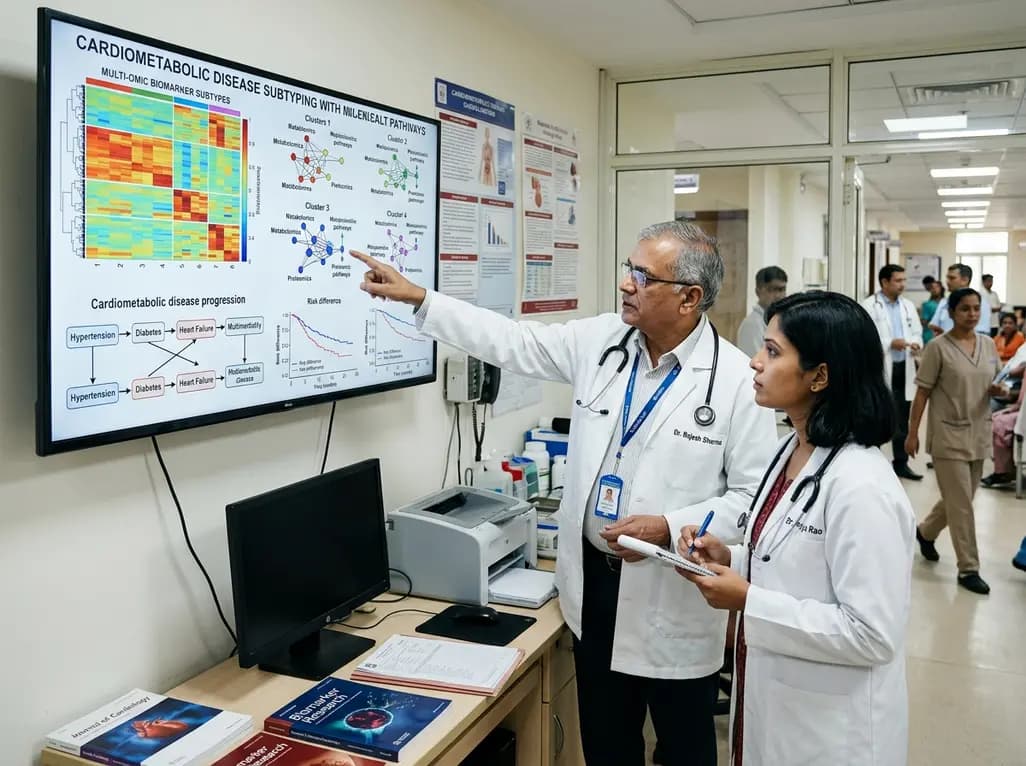
A large UK Biobank study identified four routine biomarker subtypes that predict cardiometabolic disease progression to multimorbidity. Integrating multi-state modelling, metabolomics, and proteomics revealed distinct biological pathways, offering new avenues for tailored clinical risk stratification.
Today
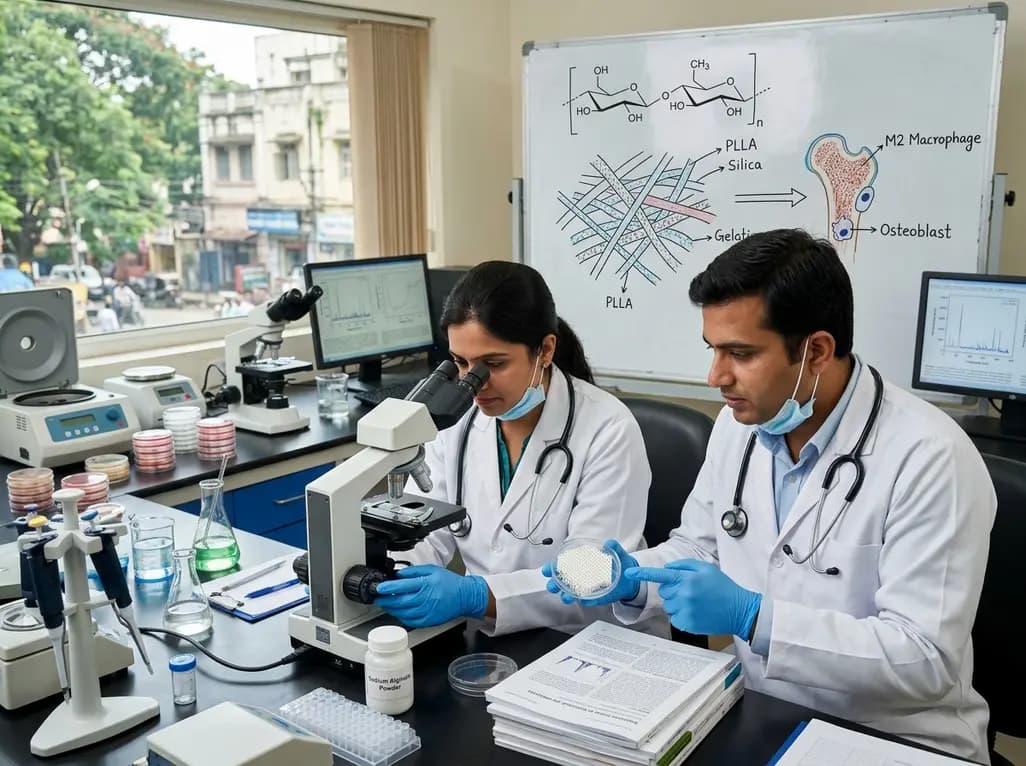
Dual-nanofiber interpenetrating network scaffolds combining silica and PLLA/gelatin nanofibers with sodium alginate achieve complementary mechanical stability, immunomodulatory M2 macrophage polarization, and enhanced osteogenesis for advanced bone repair.
Today
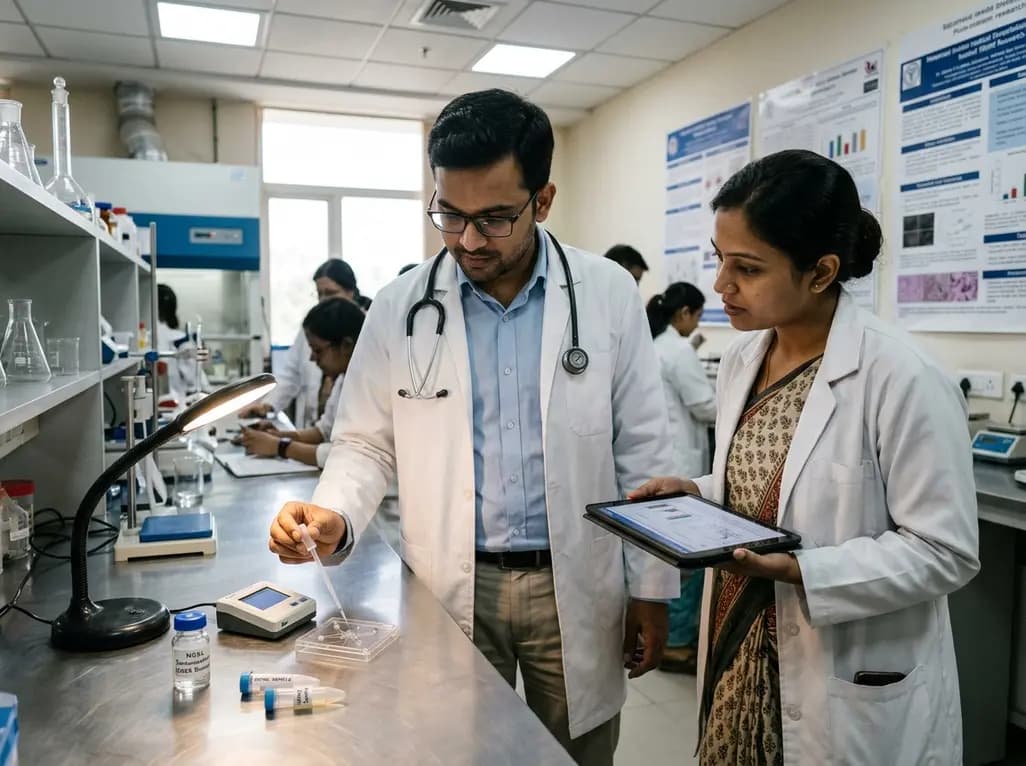
Researchers at IISER Berhampur have engineered a covalent organic framework immunosensor that detects urinary NGAL. This novel nanotechnology platform distinguishes diabetic nephropathy from other renal conditions, enabling rapid, minimally invasive stratification and earlier clinical intervention for patients.
Today
