

Loading, please wait...
Loading, please wait...

Dementia underdiagnosis poses a major barrier to timely healthcare interventions across low- and middle-income nations. Recent findings from the Brazilian Longitudinal Study of Aging highlight notable shifts in undiagnosed dementia across community-dwelling older adults over five years. Although diagnostic gaps narrowed substantially among disadvantaged populations, the overall burden of undetected cognitive impairment remains alarming. Consequently, healthcare providers and policy architects must examine these epidemiological trends to build proactive detection strategies.
The ELSI-Brazil investigation evaluated two representative national waves spanning from 2015 to 2021. Researchers examined 5,432 older adults in wave one and 6,929 participants in wave two. They defined dementia using a validated diagnostic algorithm incorporating cognitive testing, daily functional status, and informant accounts. Algorithmic dementia without prior medical diagnosis defined undiagnosed cases. Overall, total dementia prevalence remained statistically stable across the observation period, recording 6.21% in wave one and 5.02% in wave two. In contrast, the prevalence of undiagnosed dementia in the general older population decreased significantly from 5.53% to 3.86%. Furthermore, among individuals living with confirmed dementia, the proportion of undiagnosed cases fell from 89.66% to 77.17%. This represents a meaningful absolute reduction in missing diagnoses across five years. Therefore, these findings demonstrate that systematic health services can achieve measurable diagnostic headway despite broad socioeconomic constraints. Nevertheless, the lingering 77% underdiagnosis rate confirms that millions of cognitively impaired adults still navigate life without essential clinical recognition.
Historically, socioeconomic disadvantages and geographic remoteness have driven severe disparities in cognitive health outcomes. Fortunately, the ELSI-Brazil analysis demonstrated that diagnostic improvements were concentrated heavily among the most vulnerable demographic tiers. For instance, the prevalence of missing dementia diagnoses dropped by 2.57 percentage points among women. Similarly, non-White individuals experienced a 2.72 percentage point decline in undetected cognitive illness. Adults with four or fewer years of schooling registered an equivalent diagnostic improvement of 2.71 percentage points. Most remarkably, residents of Brazil's socioeconomically challenged Northeast region achieved an impressive decline of 4.68 percentage points. Primary care expansion through the Family Health Strategy played an instrumental role in bridging these historic inequities. Family physicians and community health agents conduct home visits, thereby identifying early functional decline among vulnerable seniors. However, substantial baseline disparities still linger between wealthy urban centers and rural territories. Consequently, physicians must remain alert to atypical presentations in patients with limited formal education.
Primary healthcare infrastructure serves as the primary defense against late-stage dementia identification. Longitudinal observations demonstrate that sustained primary care continuity fundamentally improves diagnostic rates over time. Because general practitioners interact regularly with elderly patients, they can detect subtle behavioural changes and functional decline before severe neurodegeneration occurs. Furthermore, routine chronic disease consultations provide ideal opportunities to screen vulnerable individuals suffering from hypertension, diabetes, or stroke. Integrating brief informant questionnaires into routine outpatient assessments allows physicians to capture meaningful cognitive changes without requiring extensive specialist consultations. In addition, multi-professional primary teams can educate family caregivers about common dementia signs, effectively debunking the myth that memory loss is simply normal aging. Therefore, strengthening frontline primary care networks remains the most effective mechanism for shrinking the diagnostic gap. Clinicians who incorporate structured functional checks into daily visits ensure that frail older individuals receive timely, life-altering diagnoses.
Physicians practicing in resource-constrained environments require efficient, validated screening tools that account for low literacy levels. Standard pencil-and-paper assessments frequently produce false-positive results among individuals with minimal formal education. Consequently, clinicians should deploy culturally validated instruments such as the Memory Impairment Screen, the Mini-Cog, or the 10/66 Dementia Research Group battery. In addition, healthcare teams should systematically incorporate informant-based functional questionnaires. Informant reports offer exceptional diagnostic sensitivity because family members observe daily compensatory behaviors that cognitive screening might miss. Clinicians must also investigate reversible contributors to cognitive dysfunction, including polypharmacy, hypothyroidism, severe depression, and sensory deficits. Correcting untreated visual or hearing impairment often produces noticeable cognitive improvements while facilitating accurate neurocognitive evaluations. Moreover, basic laboratory panels should rule out vitamin B12 deficiency and metabolic disturbances during initial visits. Combining structured informant interviews with practical cognitive tests ensures reliable distinction between neurodegenerative decline and educational limitations.
The epidemiological lessons from Brazil offer valuable practical insights for other emerging economies, particularly India. Both countries face rapid demographic aging alongside pronounced regional disparities and overburdened specialized neurology centers. In India, community studies reveal that up to ninety percent of individuals with dementia remain undiagnosed. Therefore, healthcare systems cannot rely exclusively on tertiary memory clinics to solve this public health challenge. Instead, national health programs must integrate dementia screening algorithms into primary health centres and Health and Wellness Centres. Empowering accredited social health activists and community nurses to administer simple cognitive checklists can mirror the successful Brazilian outreach model. In addition, general practitioners must receive dedicated training to recognize non-amnestic presentations, including early executive dysfunction or neuropsychiatric changes. Early clinical recognition enables families to establish financial safeguards and initiate appropriate lifestyle interventions. Proactive community-based case finding transforms dementia management from reactive crisis response into structured chronic care.
Dementia underdiagnosis persists due to widespread societal stigma, the mistaken belief that cognitive decline represents normal aging, and scarce specialized diagnostic resources. Additionally, standard cognitive tests frequently fail illiterate individuals, while primary care clinicians lack structured time and screening algorithms to evaluate early functional loss during routine consultations.
Clinicians should utilize validated informant-based assessment tools, such as the Informant Questionnaire on Cognitive Decline in the Elderly, alongside culturally adapted tests like the 10/66 battery. These instruments evaluate longitudinal functional changes in daily activities rather than academic skills, effectively preventing diagnostic errors related to low educational attainment.
Early identification allows clinicians to correct reversible contributing conditions, manage vascular risk factors, and initiate symptomatic medical therapies promptly. Furthermore, timely diagnosis empowers families to establish care plans, anticipate behavioral complications, mitigate caregiver distress, and implement home safety modifications before severe neurocognitive crises or avoidable hospitalizations occur.
Disclaimer: This content is for informational and educational purposes only and is intended solely for healthcare professionals. It does not constitute medical advice, diagnosis, or treatment recommendations. Clinical decisions should always be made by qualified healthcare providers based on individual patient assessment, clinical judgment, and current medical standards. The views expressed do not necessarily reflect the official policy or position of any medical institution or regulatory body. Refer to the latest local and national guidelines for clinical practice.
References

Read summarized clinical updates, watch expert medical content, and earn CME certifications right from your smartphone.
Open your smartphone camera to scan and install.





A 5-year nationwide cohort study from ELSI-Brazil demonstrates a significant decline in undiagnosed dementia among older adults, driven by primary care outreach to vulnerable groups. However, over 77% of dementia cases remain undetected, highlighting the urgent need for proactive case finding across LMIC settings.
Today

Maternal cardiovascular risk factors such as hypertension, obesity, and diabetes significantly elevate offspring cardiovascular disease risk through placental dysfunction and fetal programming. Enhancing preconception screening and antenatal care offers clinicians a powerful strategy to protect long-term heart health.
Today
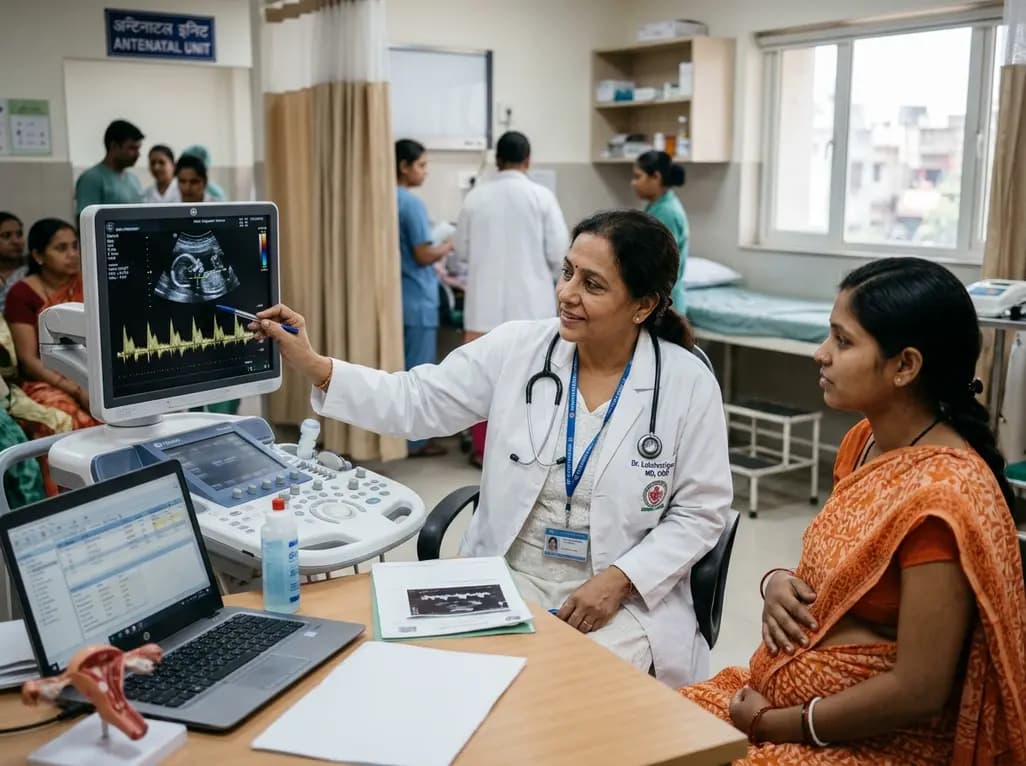
Non-RhD alloimmunization poses an emerging challenge in modern obstetric care as RhIG reduces RhD cases. This review highlights key non-RhD antigens, Doppler monitoring, and neonatal management strategies.
Today

New phase I data evaluate the impact of food and beverages on enlicitide, the first oral PCSK9 inhibitor. While food reduces peak absorption, model simulations demonstrate robust LDL-C lowering of approximately 60%, confirming meaningful pharmacokinetic forgiveness and flexible real-world administration.
Today

A retrospective cohort study reveals that lumbar spine bone mineral density does not distinguish extremity long bone fracture status in adults with severe motor and intellectual disabilities. Because age drove fracture risk rather than spinal density, clinicians must adopt comprehensive assessment tools.
Today

A landmark UK Biobank study by Karolinska Institutet researchers reveals that optimal rest mitigates neurodegeneration in cardiometabolic illness. Patients maintaining high sleep quality demonstrated superior cognitive scores and larger brain volumes, highlighting sleep optimization as an actionable clinical strategy.
Yesterday
