.webp&w=384&q=75)

Loading, please wait...
Loading, please wait...

Prescription stimulants provide established clinical benefit for attention-deficit/hyperactivity disorder. However, rising rates of prescription stimulant misuse among adolescents and young adults present a growing concern for clinicians globally. Recent epidemiological data highlight important shifts in consumption patterns. While clinicians traditionally viewed adolescent males as the primary demographic for substance misuse, recent evidence reveals shifting generational trends. Specifically, young females now exhibit marked vulnerability during mid-adolescence. Consequently, healthcare providers must recognize these emerging patterns to optimize clinical detection and timely intervention.
To evaluate multi-decade trends without tracking identical individuals indefinitely, researchers construct pseudo-cohorts from large cross-sectional datasets. Analysts evaluated repeated cross-sections from the National Survey on Drug Use and Health covering 2002 through 2023. By tracking defined age groups across consecutive survey waves, investigators evaluated prescription stimulant misuse alongside illicit stimulant exposure. This analytical approach enables epidemiologists to distinguish distinct age-specific vulnerabilities from broader societal shifts.
Moreover, the findings demonstrated that nonmedical stimulant use varied considerably across successive generational groups. Each generation encountered evolving degrees of clinical medication availability, academic pressure, and public awareness. Consequently, older adolescents and young adults reported changing rates of nonmedical exposure over the two-decade timeline. Furthermore, nonprescription stimulant use, such as illicit methamphetamine and cocaine consumption, followed separate developmental pathways compared to diverted pharmaceuticals.
Importantly, pseudo-cohort modeling underscores how expanded prescribing practices influence community supply. Because stimulant production increased markedly over the past two decades, adolescents obtain diverted tablets with unprecedented ease. As a result, clinical vigilance must extend beyond formal patient consultations into broader school and community environments.
Historically, addiction registries documented higher rates of illicit drug use among adolescent males. However, recent survey analyses reveal an unexpected demographic shift that demands clinical attention. Specifically, researchers observed that mid-adolescent females demonstrated higher past-year rates of prescription stimulant misuse compared to male peers. Across multiple pseudo-cohorts, girls aged fourteen to sixteen exceeded boys by over two percentage points in self-reported nonmedical consumption.
Additionally, this emerging sex difference reflects distinct psychosocial drivers. Teenage girls frequently report misusing stimulants to manage severe academic demands, chronic fatigue, and pervasive performance expectations. Moreover, appetite suppression and weight control serve as persistent secondary motivations among young females. Because modern social environments impose intense achievement standards, many young women view stimulant pharmaceuticals as practical performance tools.
In contrast, adolescent males more frequently report taking stimulants to achieve intoxication or enhance recreational social experiences. Therefore, clinicians cannot rely on uniform risk profiles. Pediatricians and psychiatrists must evaluate female adolescents for subtle academic distress and fatigue rather than classic behavioral conduct disturbances.
The pathway toward hazardous stimulant exposure often begins with seemingly harmless academic motivations. Many secondary and university students view diverted prescription stimulants as effective study aids rather than regulated controlled substances. Because peers frequently describe these medications as cognitive enhancers, young people severely underestimate cardiovascular and psychiatric hazards. Furthermore, digital communication platforms facilitate informal drug sharing among classmates during high-stakes examination cycles.
Nevertheless, recurrent nonmedical stimulant use alters central dopamine circuits and fosters pharmacological tolerance. As tolerance mounts, individuals require escalating quantities to achieve equivalent alertness and focus. Consequently, some young adults eventually transition from oral prescription tablets to potent nonprescription stimulants, including black-market amphetamines and illicit powders. This progression significantly elevates the risk of substance dependence, severe psychiatric morbidity, and unintentional poisoning.
Importantly, contemporary drug supplies contain dangerous contaminants, including synthetic opioids like illicit fentanyl. Therefore, teenagers who consume counterfeit tablets obtained through unregulated channels face life-threatening overdose risks. Healthcare professionals must proactively educate young patients regarding these fatal contamination hazards.
These evolving epidemiological patterns carry vital clinical implications for pediatricians, psychiatrists, and primary care providers. When managing attention disorders, practitioners must establish structured prescribing protocols to prevent medication diversion. For example, clinicians should require formal treatment contracts, monitor refill intervals, and limit dispensing quantities. In addition, providers must counsel parents regarding safe home storage and supervised medication administration.
Moreover, clinical practices must implement validated substance use screening instruments during routine adolescent health visits. Screening tools such as the CRAFFT questionnaire identify early nonmedical drug consumption before severe dependence emerges. If an adolescent discloses misuse, clinicians should promptly evaluate comorbid mood disorders, anxiety, or unaddressed learning difficulties.
Furthermore, healthcare teams must replace punitive reactions with supportive therapeutic interventions. Clinicians should provide clear psychoeducation, nonjudgmental behavioral counseling, and harm reduction guidance. By fostering open communication, physicians empower young patients to discuss academic stressors without resorting to dangerous self-medication. Accordingly, active clinical oversight preserves access to essential treatments while minimizing community harm.
Although this study evaluated United States survey data, the findings offer vital lessons for healthcare professionals across India. In urban Indian settings, intense competition for board and entrance examinations places tremendous psychological pressure on adolescents. Consequently, anecdotal reports and clinical observations indicate growing nonmedical use of methylphenidate, modafinil, and related wakefulness-promoting agents. Indian practitioners must therefore remain alert when evaluating young patients presenting with insomnia, unexplained tachycardia, or sudden weight fluctuations.
Furthermore, India regulates central nervous system stimulants strictly under Schedule X, mandating duplicate prescription documentation. Nevertheless, diversion continues through informal peer sharing and unregulated online pharmacies. Therefore, Indian pediatricians and psychiatrists must emphasize parental supervision during treatment. Clinicians must advise families that caregivers, rather than adolescents themselves, should store and dispense daily doses.
Similarly, educational institutions across India should implement targeted health awareness campaigns to dispel myths regarding cognitive enhancement. Medical professionals must explain that stimulants do not increase baseline intelligence or replace restorative sleep. Instead, unmonitored use precipitates severe rebound exhaustion, anxiety, and cardiovascular strain. Thus, comprehensive academic mentorship and robust psychological support remain essential to safeguard adolescent health.
Adolescent females often face distinct academic and social pressures that encourage functional drug misuse. Many young women turn to prescription stimulants to sustain long study hours, combat intense physical fatigue, and manage chronic academic stress. Furthermore, some individuals misuse these agents for their appetite-suppressant effects to control body weight. Because females frequently exhibit internalizing symptoms like anxiety and depression, they may misuse diverted stimulants as an unguided coping mechanism for emotional distress.
Clinicians should watch for unexplained cardiovascular irregularities, including persistent resting tachycardia and elevated blood pressure. In addition, patients misusing stimulants frequently exhibit marked insomnia, unexpected weight loss, decreased appetite, and psychomotor agitation. From a psychiatric standpoint, excessive stimulant exposure often causes sudden mood lability, heightened anxiety, irritability, and social withdrawal. In severe cases of chronic misuse, individuals may even develop paranoia, sensory hallucinations, and severe depressive crashes during acute withdrawal phases.
Physicians can significantly reduce diversion by educating parents to maintain physical custody of all pill containers. Families should store controlled substances in locked medicine cabinets and supervise daily administration directly. Furthermore, prescribers should mandate regular clinic follow-up visits, execute formal therapeutic contracts, and conduct routine pill counts. When suspicion of diversion arises, clinicians can transition patients to extended-release formulations or non-stimulant alternatives like atomoxetine, which carry substantially lower abuse and diversion potential.
Disclaimer: This content is for informational and educational purposes only... Refer to the latest local and national guidelines for clinical practice.
References

Read summarized clinical updates, watch expert medical content, and earn CME certifications right from your smartphone.
Open your smartphone camera to scan and install.





A pseudo-cohort study demonstrates evolving trends in prescription stimulant misuse and nonprescription stimulant consumption among adolescents and young adults. Notably, mid-adolescent females showed higher rates of misuse, underscoring the urgent need for targeted clinical screening and harm reduction.
last month

A retrospective cohort study reveals that frailty quadruples the odds of pressure injuries in hospitalized older adults. Integrating the Clinical Frailty Scale with comprehensive geriatric care is crucial for identifying vulnerability early and implementing targeted multidisciplinary prevention.
Today
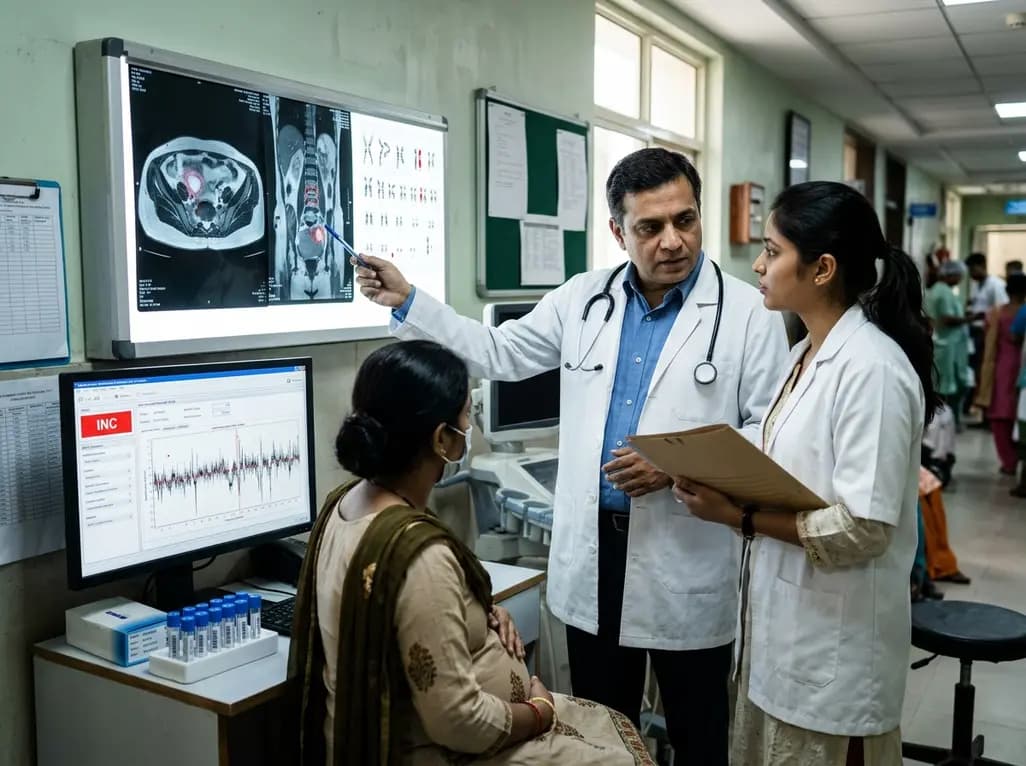
Occult maternal malignancy accounts for 3.82% of persistent unreportable NIPT results with genomic noise. Multiple chromosomal aberrations, notably on chromosome 18, warrant thorough oncological evaluation and whole-body MRI to ensure timely maternal diagnosis while preserving fetal care.
Today

This article reviews the forensic and clinical complexities of acute myocarditis arising on left ventricular hypertrophy in children, highlighting early diagnostic red flags and multidisciplinary postmortem autopsy protocols.
Today
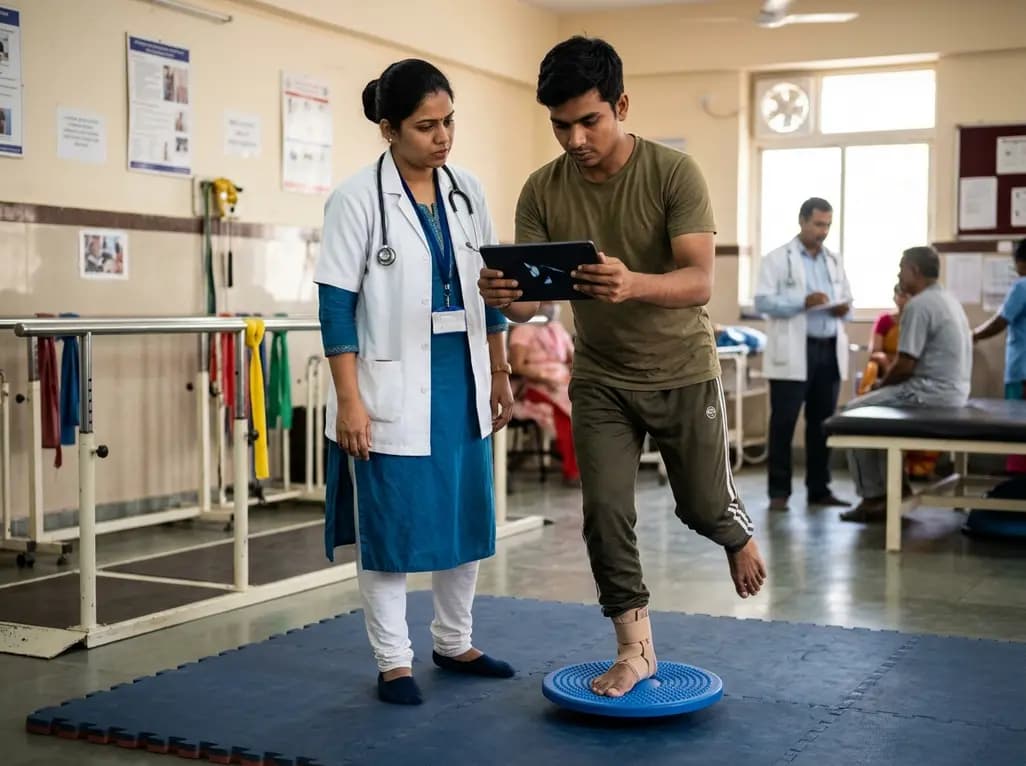
A randomized controlled trial demonstrates that an eight-week dual-task training intervention significantly improves static and dynamic postural control over standard balance exercises in individuals with chronic ankle instability, addressing critical neurocognitive deficits during athletic and daily activities.
Today

A retrospective cohort study of 7,716 ICU patients from the MIMIC-IV database demonstrates that Gradient Boosting Decision Trees significantly outperform traditional SOFA scores in predicting in-hospital mortality among patients with sepsis and diabetes, with SHAP analysis providing clinical interpretability.
Today
