.webp&w=384&q=75)

Loading, please wait...
Loading, please wait...
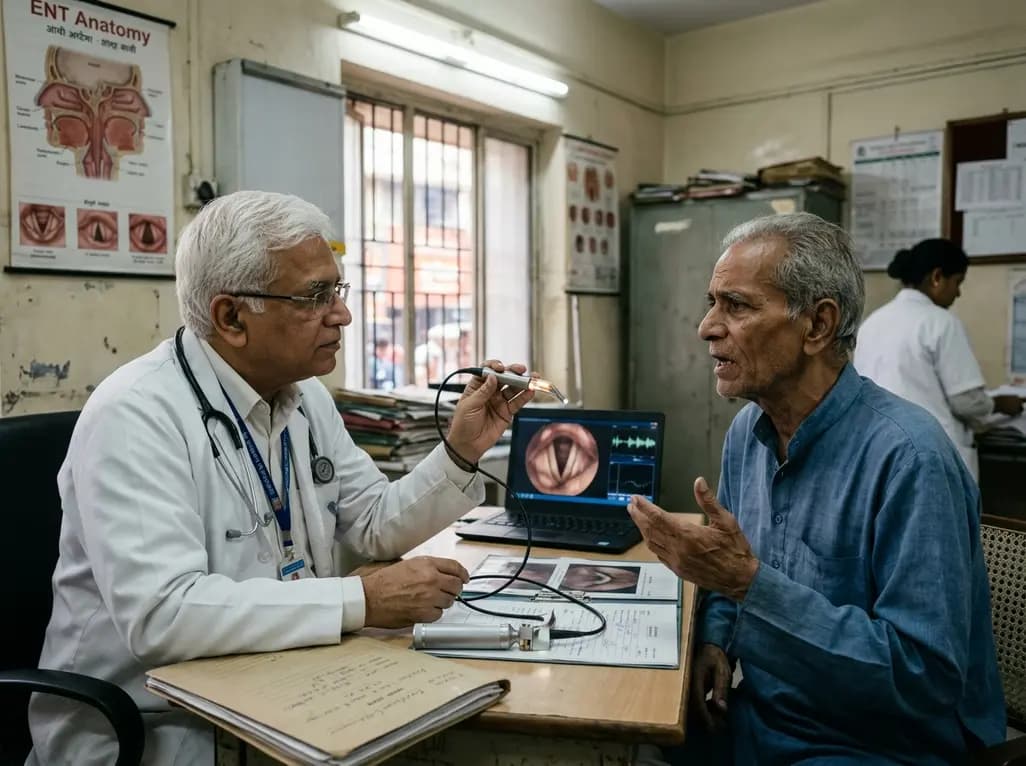
As demographic shifts accelerate globally and across India, geriatric laryngeal health presents evolving diagnostic challenges. In daily clinical practice, physicians frequently encounter senior patients who report vocal weakness, hoarseness, or persistent speaking fatigue. Consequently, understanding the complex connection between presbylarynx and aging voice is essential for targeted clinical intervention. However, structural alterations visible on laryngoscopy do not always correlate neatly with acoustic impairment or patient distress. Therefore, recent clinical investigations highlight a critical disconnect in geriatric voice assessment. Clinicians must recognize how anatomical changes, acoustic measurements, and subjective vocal experiences interact.
Presbylarynx encompasses the progressive physiological atrophy of the thyroarytenoid muscles, loss of lamina propria elastin, and calcification of laryngeal cartilages. Consequently, these structural transformations often lead to vocal fold bowing and incomplete glottic closure during phonation. Many practitioners assume that pronounced vocal fold bowing inevitably translates into measurable acoustic dysfunction and marked subjective disability. Nevertheless, emerging evidence demonstrates that anatomical changes alone fail to predict how elderly individuals actually experience their daily voices. Furthermore, compensatory supraglottic muscle tension frequently masks or mitigates underlying glottic insufficiency in active seniors.
In India, elderly citizens often maintain active community roles or caregiving responsibilities within multigenerational families. Therefore, subtle voice changes can severely affect daily communication and emotional well-being. Clinicians cannot rely solely on indirect laryngoscopy or videostroboscopy to determine functional vocal impairment. Instead, otolaryngologists and geriatricians must adopt a multidimensional diagnostic paradigm. This comprehensive evaluation should integrate objective acoustic analysis, perceptual voice quality ratings, and validated patient-reported outcome measures. By acknowledging these nuances, healthcare professionals can avoid misdirected therapeutic strategies.
A comprehensive cross-sectional study evaluated 107 Cantonese-speaking older adults to examine these diagnostic nuances. Researchers systematically classified participants based on the presence of anatomical presbylarynx and self-reported voice issues. Additionally, the investigators analyzed 15 distinct phonatory outcomes to capture the full spectrum of vocal function. These parameters spanned auditory-perceptual voice severity, cepstral peak prominence (CPP), perturbation metrics, fundamental frequency, vocal intensity, and maximum phonation time. Furthermore, the protocol evaluated perceived vocal effort utilizing the OMNI-Vocal Effort Scale (OMNI-VES) alongside standardized aging voice questionnaires.
To account for demographic confounders, the researchers employed 2 × 2 factorial general linear models adjusting for age and sex. They also applied Benjamini-Hochberg false discovery rate corrections to control for multiple statistical comparisons. By utilizing this rigorous statistical framework, the researchers effectively isolated the independent contributions of anatomical atrophy and self-reported symptoms. Consequently, the investigation provides robust data regarding how structural laryngeal changes interact with subjective vocal handicap. Moreover, examining tonal language speakers adds valuable diversity to international voice literature, expanding evidence beyond Western cohorts.
The study revealed striking insights regarding the relationship between laryngeal structure and objective acoustic parameters. At the unadjusted analysis level, the researchers identified a significant main effect of presbylarynx status on sustained-vowel cepstral peak prominence. Specifically, older individuals without structural presbylarynx demonstrated higher CPP values than those exhibiting vocal fold atrophy. This finding aligns with physiological expectations, as glottic incompetence introduces turbulent airflow and reduces harmonic energy. However, this acoustic difference displayed a small effect size and did not withstand multiple comparison adjustments.
Moreover, self-reported voice issues showed no significant main effect on any perceptual, acoustic, or aerodynamic metrics. Thus, participants who reported experiencing voice problems did not systematically exhibit inferior acoustic scores compared to asymptomatic peers. Similarly, maximum phonation time and fundamental frequency perturbation measures failed to differentiate symptomatic from asymptomatic individuals. These results clearly illustrate that conventional acoustic laboratory metrics cannot reliably capture the functional handicap felt by elderly patients. Therefore, physicians must interpret isolated acoustic abnormalities with caution during routine geriatric consultations.
While acoustic metrics showed minimal differentiation, perceived vocal effort emerged as a clinically pivotal outcome. At the unadjusted level, presbylarynx status significantly affected OMNI-VES ratings. More importantly, the researchers uncovered a notable interaction between presbylarynx status and self-reported voice issues for vocal effort. Specifically, older adults presenting with both structural presbylarynx and subjective voice complaints reported the highest levels of vocal effort. Conversely, participants with isolated vocal fold atrophy without subjective complaints experienced significantly less phonatory strain.
These observations suggest that physical effort reflects the compensatory physiological cost required to achieve adequate glottic closure. Consequently, patients who struggle to maintain acoustic output recruit extrinsic laryngeal muscles, generating perceptible strain and vocal fatigue. However, after applying Benjamini-Hochberg false discovery rate corrections, this statistical interaction was attenuated. Nevertheless, the physiological pattern offers valuable clinical guidance for treating elderly patients. Clinicians should view elevated vocal effort as a primary indicator of functional vocal distress, prompting timely multidimensional rehabilitative assessment.
In the Indian clinical context, these findings carry profound diagnostic and therapeutic significance for otolaryngologists, general physicians, and speech pathologists. First, clinicians should avoid diagnosing pathological vocal disability based solely on stroboscopic findings of vocal fold bowing. Because age-related structural atrophy frequently exists without functional compromise, practitioners should avoid overtreatment with invasive surgical medialization. Second, subjective vocal effort represents a crucial metric that standard acoustic tests often miss. Therefore, incorporating brief self-report scales like the OMNI-VES into outpatient geriatric assessments provides vital functional insight.
When elderly individuals complain of increased speaking effort or afternoon vocal exhaustion, physicians should initiate conservative management promptly. Behavioral voice therapy, emphasizing vocal hygiene, resonance training, and diaphragmatic breath support, remains the foundational frontline therapy. Furthermore, addressing systemic comorbidities common in Indian seniors, such as gastroesophageal reflux, chronic cough, and medication-induced xerostomia, can significantly relieve vocal strain. Ultimately, adopting a patient-centered strategy that prioritizes perceived vocal effort over minor acoustic variations will substantially improve quality of life.
Presbylarynx involves age-related structural atrophy of the vocal fold musculature and connective tissue, causing vocal cord bowing and glottal gap. In contrast, muscle tension dysphonia represents functional hyperactivity of laryngeal and extralaryngeal muscles. However, elderly patients frequently develop secondary muscle tension dysphonia to compensate for underlying presbylarynx glottic insufficiency. Distinguishing primary functional hyperfunction from compensatory effort requires careful videostroboscopic examination, perceptual assessment, and patient-reported vocal fatigue history.
Behavioral voice therapy cannot reverse structural histological changes such as muscle atrophy or loss of elastic fibers. Nevertheless, targeted vocal therapy substantially improves phonatory function, acoustic projection, and glottic closure efficiency. Speech-language pathologists utilize vocal function exercises, resonant voice techniques, and expiratory muscle training to strengthen laryngeal coordination and breath support. Consequently, voice therapy significantly reduces perceived vocal effort and communication fatigue, enabling older adults to maintain effective everyday speech without surgery.
Clinicians reserve surgical intervention, such as vocal fold injection augmentation or medialization thyroplasty, for refractory cases with severe glottic insufficiency. Before contemplating surgery, physicians must verify that conservative voice therapy has failed to relieve significant communicative limitation or vocal exhaustion. Additionally, practitioners must rule out neurological disorders, vocal fold malignancies, and systemic conditions. When selected appropriately, injection augmentation improves vocal fold bulk and medial closure, thereby reducing phonatory effort and restoring conversational volume in debilitated seniors.
Disclaimer: This content is for informational and educational purposes only and does not constitute medical advice, diagnosis, or treatment. Healthcare professionals should exercise independent clinical judgment. Refer to the latest local and national guidelines for clinical practice.
References

Read summarized clinical updates, watch expert medical content, and earn CME certifications right from your smartphone.
Open your smartphone camera to scan and install.





A recent study reveals limited alignment between laryngeal structural changes, acoustic metrics, and self-reported issues in aging voice. However, perceived vocal effort emerges as a vital indicator of functional burden, offering essential diagnostic insights for geriatric laryngology.
Today

At the New Delhi Summit, BRICS leaders adopted a landmark declaration committing member nations to united action against tuberculosis, non-communicable diseases, and future pandemic threats. Key actions include NIMHANS-led mental health networks, digital health architectures, and evidence-based integrative medicine.
Today

Perimenopausal obstructive sleep apnea often goes undetected due to atypical polysomnographic presentations and symptom overlap with menopause. This review details its neurocognitive mechanisms, polysomnography markers, and precision management strategies.
Today

Mitochondrial deubiquitinases regulate organelle turnover by editing ubiquitin tags on damaged mitochondria. Discover how targeting these enzymes, notably USP30, offers therapeutic strategies for neurodegenerative, cardiovascular, and metabolic disorders.
Today
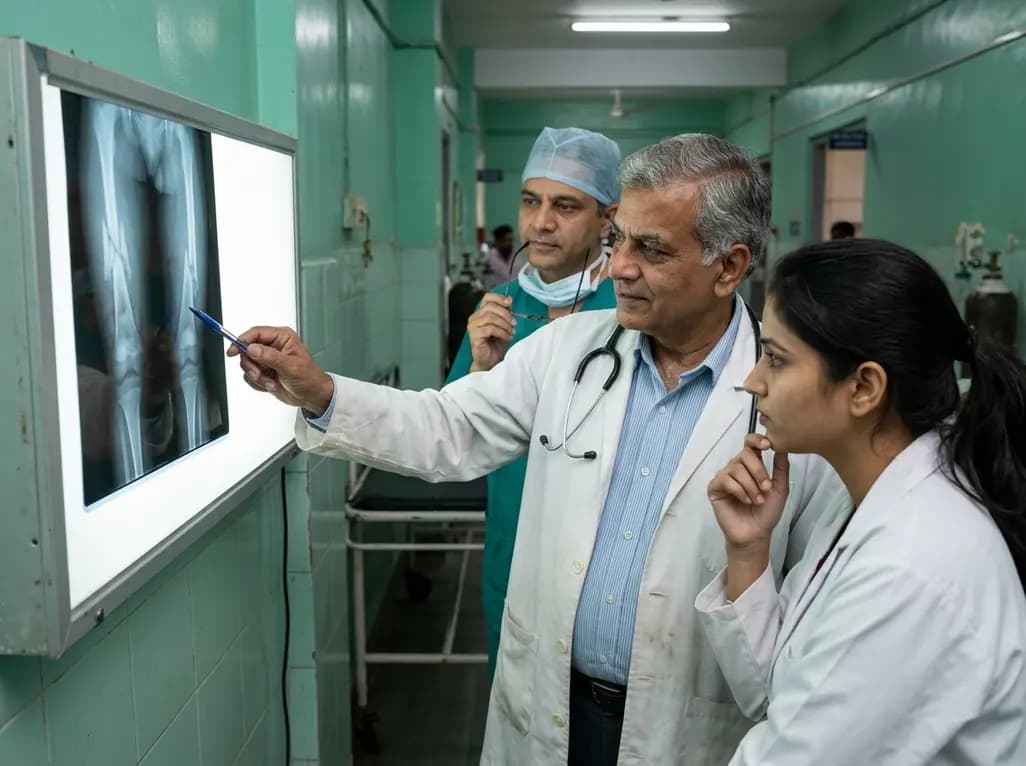
A rare case of a pediatric pathological femoral fracture caused by occult telangiectatic osteosarcoma demonstrates the risks of misdiagnosis after trauma, where intramedullary nailing prompted iatrogenic tumor dissemination and required modular total endoprosthetic reconstruction.
Today
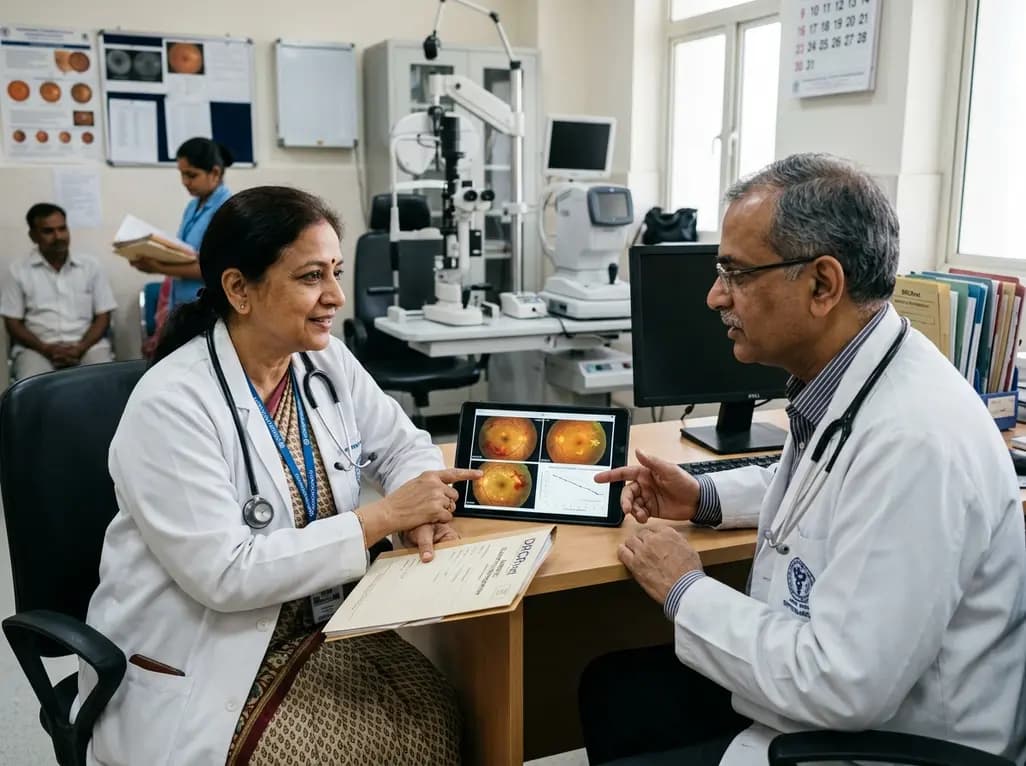
A comprehensive analysis of DRCRnet studies reveals that 15.1% of participants discontinue diabetic retinopathy clinical trials. Identifying baseline demographic and clinical predictors helps ophthalmologists and endocrinologists mitigate real-world treatment dropouts and protect long-term visual outcomes.
Today
