.webp&w=384&q=75)

Loading, please wait...
Loading, please wait...
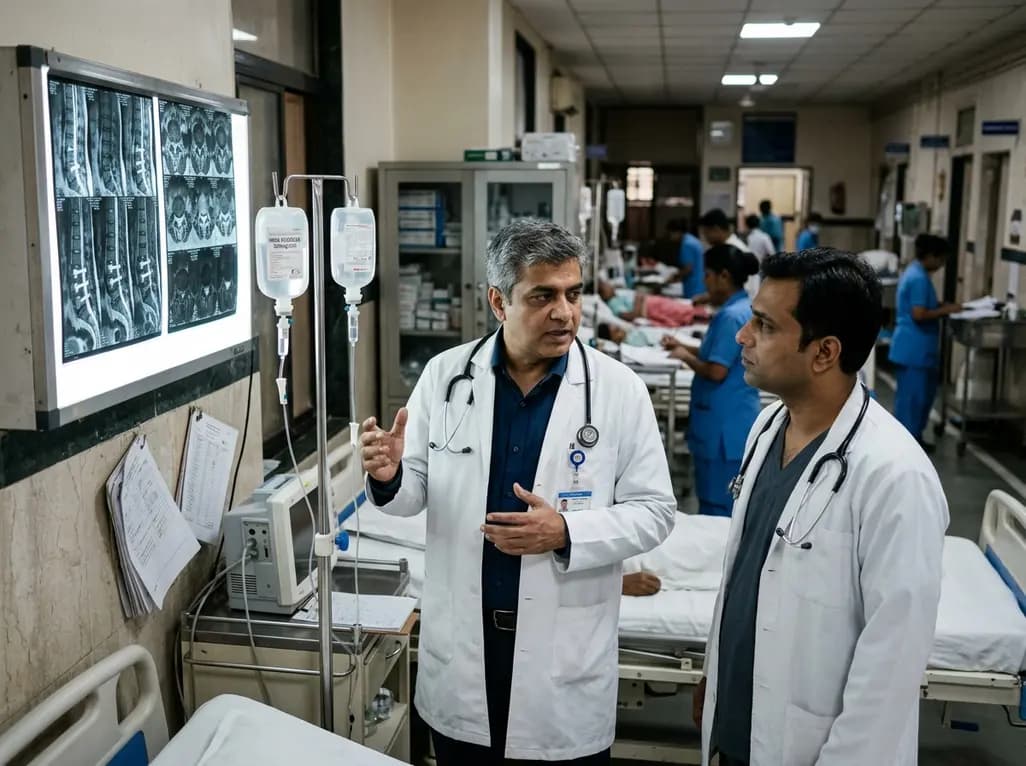
Iron deficiency anemia represents a pervasive yet frequently modifiable clinical challenge in major elective orthopedic procedures. Emerging evidence underscores that preoperative iron supplementation substantially mitigates the heightened risk of adverse outcomes following lumbar spinal fusion. Consequently, perioperative surgical teams must integrate targeted screening and timely therapeutic replenishment into standard spinal care protocols.
Iron deficiency anemia significantly impairs systemic oxygen delivery and compromises cellular metabolism across critical organ systems. Patients undergoing major spine procedures frequently experience substantial intraoperative blood loss and surgical stress. When baseline hemoglobin reserves and iron stores remain depleted, tissues experience persistent microvascular hypoxia. In addition, cellular immune responses weaken, leaving patients susceptible to opportunistic pathogens and impaired tissue repair.
Historically, clinicians often overlooked mild preoperative anemia as an inconsequential laboratory variation. However, contemporary evidence demonstrates that untreated iron deficiency anemia correlates directly with elevated rates of surgical site infections, delayed wound healing, and cardiopulmonary events. Furthermore, anemic patients face a considerably higher likelihood of allogeneic blood transfusions during the perioperative window. These transfusions carry independent risks of immunomodulation, transfusion-associated circulatory overload, and prolonged hospitalization. Therefore, recognizing baseline hematologic status serves as an indispensable prerequisite for optimizing elective surgical candidates.
A comprehensive national database investigation evaluated outcomes in over twenty-seven thousand matched patients undergoing lumbar spinal fusion. The study stratified individuals presenting with iron deficiency anemia to examine the specific protective effects of targeted therapy. Notably, patients receiving preoperative iron supplementation demonstrated marked reductions in major perioperative complications compared to untreated counterparts.
Specifically, the data demonstrated substantial decreases in pulmonary embolism, deep venous thromboembolism, and acute renal complications. Furthermore, treated cohorts experienced significantly lower rates of allogeneic blood transfusion and surgical site infections. Multivariate regression analyses confirmed that preoperative hematologic repletion independently reduced overall morbidity. As a result, restoring functional iron stores before surgical incision provides profound protective value across multiple physiological domains. These findings strongly support moving beyond passive observation toward proactive, protocolized hematologic intervention.
Lumbar fusion surgery involves extensive tissue dissection, bone decortication, and instrumentation, creating substantial metabolic and structural demands. Systemic iron serves as an essential cofactor for mitochondrial enzymes, collagen synthesis, and macrophage function. Consequently, correcting iron deficiency before surgery directly supports postoperative wound tensile strength and local immune vigilance.
In untreated cohorts, tissue hypoxia and suppressed cellular immunity foster a permissive environment for surgical site contamination and urinary tract infections. Moreover, hemodynamic fluctuations secondary to acute-on-chronic anemia increase renal perfusion vulnerability, elevating acute kidney injury risk. Fortunately, preoperative iron therapy replenishes essential ferritin reserves and optimizes oxygen extraction ratios. Therefore, patients maintain superior hemodynamic stability during anesthesia and fluid shifts. This physiological resilience translates into fewer thromboembolic events, reduced infectious sequelae, and lower acute organ failure rates during the immediate postoperative period.
Postoperative complications after complex spine surgery place an immense financial burden on healthcare facilities and patient families. Untreated anemia consistently drives extended hospital stays due to delayed mobilization, intravenous antibiotic administration, and blood management requirements. In contrast, patients receiving appropriate preoperative iron therapy experience faster functional recovery and earlier discharge milestones.
Furthermore, the investigation revealed significant reductions in ninety-day readmission rates among supplemented patients. Minimizing complications such as surgical site breakdowns and thromboembolic events directly prevents expensive emergency evaluations and revision procedures. Subsequently, health economic analyses demonstrate that the minor upfront cost of iron screening and pharmaceutical replacement yields major downstream institutional savings. By curbing extended hospitalizations, ICU transfers, and allogeneic transfusion acquisition costs, surgical departments achieve superior value-based clinical care metrics.
Modern surgical practice emphasizes comprehensive Patient Blood Management pathways designed to detect and treat anemia weeks prior to elective operations. Clinicians must evaluate serum ferritin, transferrin saturation, and complete blood counts during early surgical scheduling visits. This proactive timeline allows adequate duration for oral or intravenous iron preparations to stimulate effective erythropoiesis.
While oral iron remains a accessible first-line option, gastrointestinal side effects and slow absorption kinetics frequently limit its utility in urgent surgical timelines. Consequently, modern intravenous iron formulations offer rapid, well-tolerated replenishment of total body iron deficits within a single clinical infusion session. Anesthesiologists, spine surgeons, and primary care physicians must collaborate seamlessly to identify qualifying patients early. By standardizing these diagnostic algorithms, hospital systems transform routine orthopedic triage into a sophisticated platform for personalized physiological optimization.
Successfully embedding hematologic optimization into spine surgery workflows requires clear multidisciplinary coordination. Pre-anesthesia assessment clinics should routinely include ferritin and transferrin saturation panels whenever hemoglobin levels fall below standard thresholds. When clinicians detect iron deficiency, they should initiate oral or parenteral iron therapy at least two to four weeks before the scheduled fusion date.
Additionally, surgical teams should combine iron repletion with intraoperative blood conservation strategies, such as tranexamic acid administration and meticulous electrocautery technique. Postoperative monitoring must remain vigilant for residual anemia symptoms, ensuring timely rehabilitation engagement. By systematically treating iron deficiency before elective incisions, spine care programs can significantly improve patient safety, reduce complication rates, and streamline overall surgical recovery.
Preoperative iron supplementation significantly decreases postoperative complications, including surgical site infections, pulmonary embolisms, and acute kidney injuries. It also reduces allogeneic blood transfusion requirements and shortens hospital length of stay by optimizing oxygen delivery and baseline tissue healing capacity before major spine surgery.
Surgical teams should screen elective lumbar fusion candidates two to six weeks before their scheduled procedure. This proactive window provides adequate time for laboratory evaluation, patient stratification, and either oral or intravenous iron administration to replenish ferritin stores and stimulate effective erythropoiesis.
Intravenous iron is preferred when the surgical date is less than four weeks away, in cases of severe iron deficiency, or when patients experience gastrointestinal intolerance or malabsorption with oral agents. Intravenous formulations rapidly restore total body iron reserves within a single or dual clinical infusion session.
Disclaimer: This content is for informational and educational purposes only and should not be considered medical advice or a substitute for professional clinical decision-making. Healthcare professionals should exercise their independent judgment when applying this information to patient care. Refer to the latest local and national guidelines for clinical practice.
References

Read summarized clinical updates, watch expert medical content, and earn CME certifications right from your smartphone.
Open your smartphone camera to scan and install.





A large-scale retrospective cohort study reveals that preoperative iron supplementation significantly mitigates postoperative complications, blood transfusion rates, 90-day readmissions, and hospital costs in iron deficiency anemia patients undergoing lumbar spinal fusion.
last month

A recent case shows that exertional rhabdomyolysis can trigger marked transaminase spikes despite moderate creatine kinase elevation. Preserved hepatic synthetic function confirms muscle injury rather than liver failure, guiding conservative hydration and preventing unnecessary invasive diagnostics.
Today

A pharmacometric and machine learning study reveals that specific vaginal bacteria alter cervical antiretroviral exposure, highlighting the need for precision HIV PrEP strategies.
Today
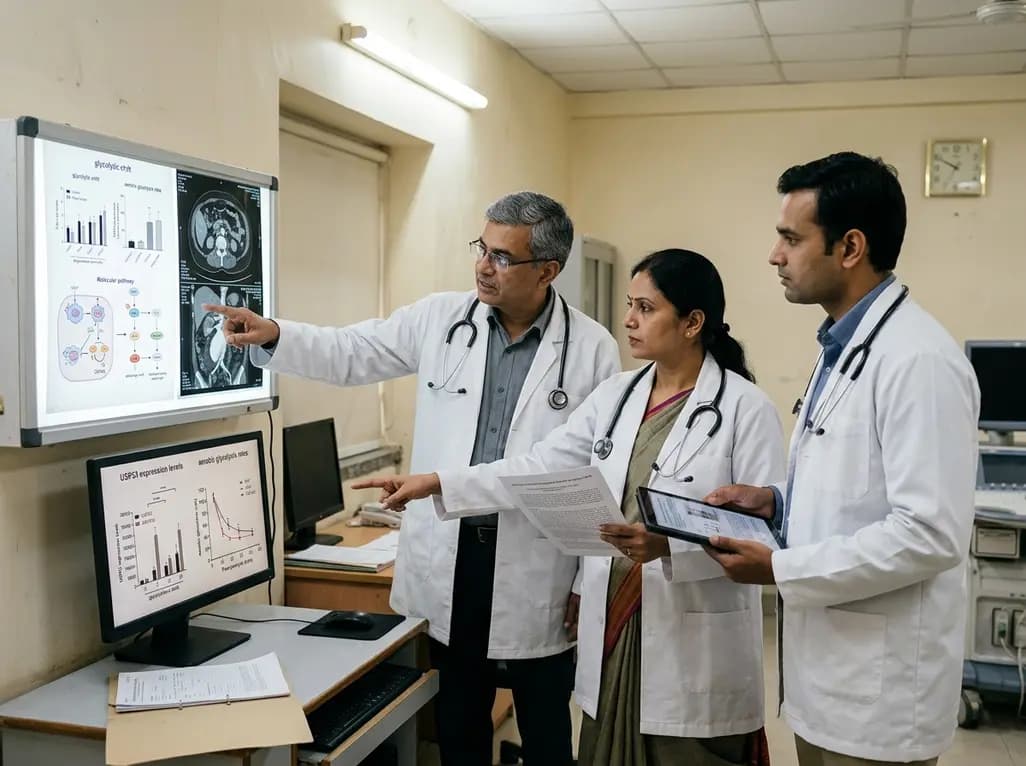
Abdominal aortic aneurysm rupture remains a catastrophic vascular emergency. Groundbreaking research reveals that USP53 accelerates aneurysm progression by reprogramming smooth muscle cell metabolism toward aerobic glycolysis, highlighting a promising target beyond conventional diameter-based surveillance.
Today
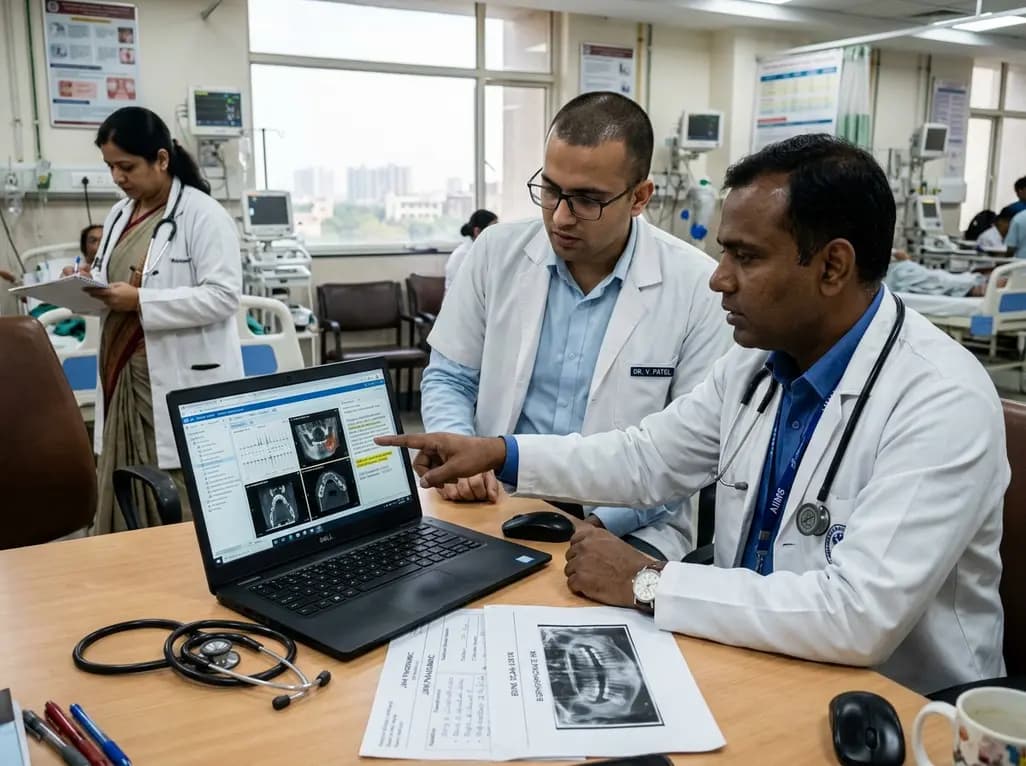
A breakthrough study leverages natural language processing to accurately identify incident medication-related osteonecrosis of the jaw and track antiresorptive drug holidays from clinical narratives in electronic health records, advancing osteoporosis pharmacovigilance and dental safety.
Today
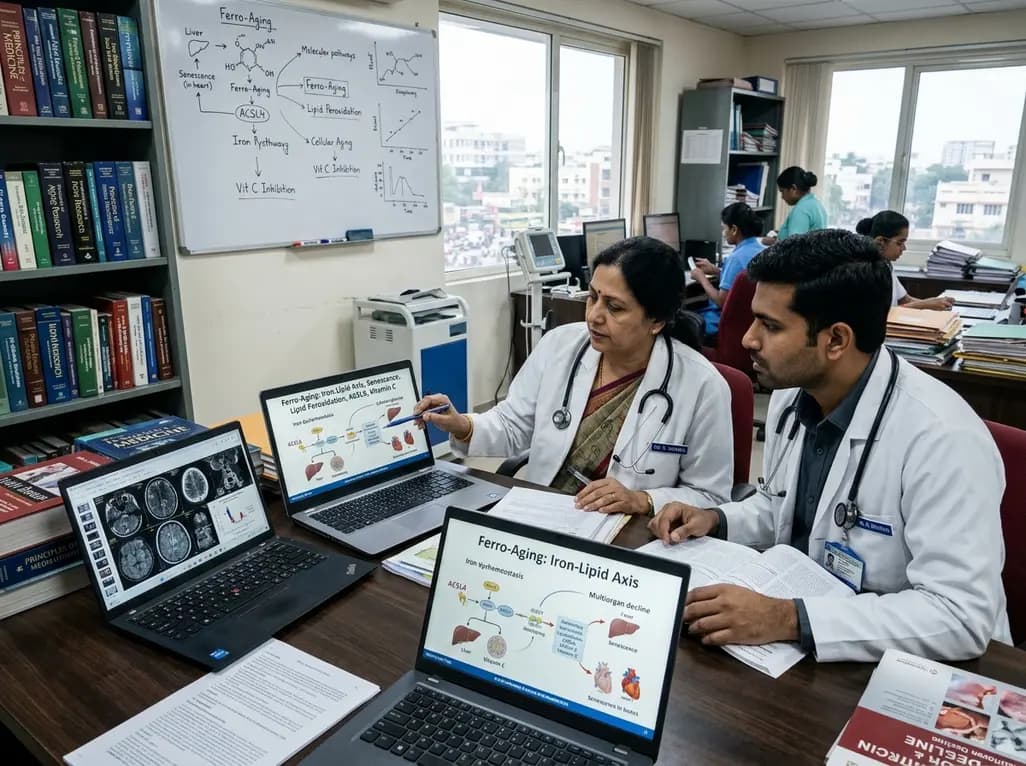
Recent research defines ferro-aging as a conserved iron-lipid axis driving organ decline across primates. Age-related iron dyshomeostasis stimulates ACSL4-mediated lipid peroxidation, promoting cellular senescence. Notably, vitamin C directly inhibits ACSL4, suppressing phospholipid oxidation and multi-organ decay.
Today
