.webp&w=384&q=75)

Loading, please wait...
Loading, please wait...
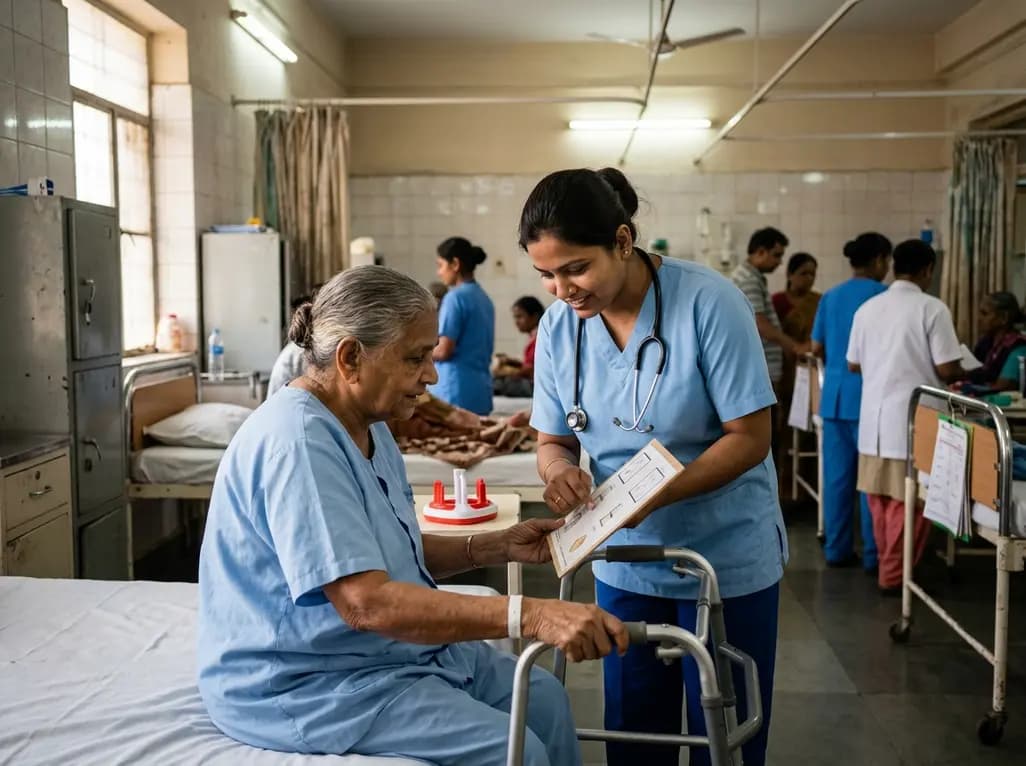
Elderly surgical patients face significant neurocognitive risks during the perioperative period, making postoperative delirium prevention a critical clinical objective. Postoperative delirium is an acute neuropsychiatric disorder characterized by fluctuating attention, altered consciousness, and cognitive deficits. When older adults undergo major orthopedic interventions such as hip arthroplasty or fracture repair under general anesthesia, delirium incidence rises substantially. This complication directly correlates with prolonged hospitalization, escalated healthcare expenditures, accelerated functional decline, and increased long-term mortality. Consequently, identifying high-risk geriatric candidates before surgical induction represents a pivotal opportunity for preventive care. Multimodal prehabilitation has emerged as a promising non-pharmacological strategy. By bolstering physical stamina and cognitive reserve prior to surgery, clinicians can protect baseline cerebral equilibrium. Proactive interventions substantially alter the clinical trajectory of frail geriatric patients.
Accurate risk stratification serves as the foundation for effective postoperative delirium prevention in high-risk geriatric surgical cohorts. In a recent two-phase clinical trial, researchers carefully evaluated older adults aged 70 years and above undergoing hip procedures under general anesthesia. The retrospective cohort phase specifically pinpointed modifiable factors that independently amplified the odds of acute postoperative neurocognitive disturbance. Prolonged preoperative bed rest substantially increased the likelihood of delirium, yielding an odds ratio of 6.66. Immobility accelerates musculoskeletal catabolism and reduces peripheral perfusion, thereby undermining physiological homeostasis before surgical trauma occurs. Furthermore, inadequate patient comprehension of surgical orientation materials showed an extraordinary correlation with delirium onset, presenting an odds ratio of 18.17. Therefore, preoperative cognitive clarity and active physical movement represent primary modifiable targets for clinical mitigation.
Clinicians must recognize that baseline neurocognitive vulnerability frequently intersects with acute physiological stressors in older surgical populations. When elderly patients experience preoperative immobility, microvascular stasis and systemic inflammatory responses accelerate rapidly. Similarly, inadequate comprehension of medical orientation materials reflects either baseline executive dysfunction or poor sensory processing. Both deficits compromise the cognitive reserve required to navigate perioperative stressors, anesthesia emergence, and postoperative analgesia regimens. Therefore, orthopedic surgical teams, geriatricians, and anesthesiologists must collaborate to screen candidates early. Preoperative assessments should systematically measure functional mobility and information retention rather than relying solely on age or basic medical comorbidities. Identifying these functional bottlenecks allows surgical teams to initiate structured, nurse-guided home prehabilitation long before scheduled hospital admission.
To address modifiable vulnerabilities, researchers designed a 14-day home-based prehabilitation protocol led by specialized perianesthesia nurses. This dual-component regimen simultaneously targeted physical conditioning and mental agility. The physical component emphasized low-impact resistance movements, core stabilization, and ambulation routines to counteract the deleterious effects of bed rest. Concurrently, the cognitive arm integrated structured reorientation exercises, memory training tasks, and executive function puzzles. Nurses provided comprehensive educational materials and conducted regular telephonic follow-ups to ensure correct exercise execution and patient comprehension. In addition, nurses actively engaged family caregivers, establishing a supportive domestic environment that reinforced daily protocol adherence. This multimodal synergy strengthened physical endurance while enhancing neuroplastic resilience against anesthetic neurotoxicity and surgical inflammation.
The prospective interventional phase demonstrated high feasibility and clinical safety among elderly participants preparing for hip surgery. Adherence metrics revealed robust patient engagement: 69.5% of participants completed the prescribed physical exercises, 76.3% successfully executed the cognitive training modules, and 64.4% achieved full dual-protocol adherence. Notably, the study recorded zero adverse physical or cognitive events throughout the prehabilitation period. Clinically, postoperative delirium occurred in only 5.1% of patients receiving the dual-component intervention, compared to 12.7% among historical controls. Although this preliminary reduction did not achieve conventional statistical significance due to sample size constraints, the absolute risk reduction of 7.6% indicates strong clinical value. Moreover, these findings affirm that structured home-based prehabilitation is safe, accessible, and highly acceptable to older surgical candidates.
Incorporating nurse-led prehabilitation into standard orthopedic clinical pathways offers substantial benefits for aging surgical populations. Hospital institutions can readily scale these interventions without requiring costly inpatient admissions or invasive pharmacological agents. Specialized nurses can initiate screening during outpatient surgical consultations, immediately prescribing individualized cognitive exercises and mobility plans. Additionally, digital health tools and structured manuals empower caregivers to monitor patient compliance effectively. Because prehabilitation operates upstream of surgical trauma, it directly mitigates perioperative delirium cascades before acute neuroinflammation occurs. Consequently, health systems should consider integrating dual physical-cognitive prehabilitation into standardized orthogeriatric surgical workflows to enhance functional outcomes and shorten recovery times.
Preoperative bed rest and poor comprehension of orientation materials represent significant modifiable risk factors for postoperative delirium. Prolonged immobility diminishes musculoskeletal resilience and baseline physiological reserve, whereas poor orientation comprehension reflects diminished cognitive reserve and heightened perioperative anxiety. Identifying and actively managing these vulnerabilities before surgery allows clinicians to implement targeted prehabilitation strategies that mitigate delirium risk.
Dual-component prehabilitation integrates structured physical conditioning with targeted cognitive exercises to optimize overall patient resilience. Physical exercises improve muscle tone, peripheral circulation, and metabolic regulation, directly counteracting the adverse effects of immobility. Simultaneously, cognitive training exercises strengthen neural pathways and executive functioning, enabling the aging brain to withstand surgical trauma, general anesthesia, and systemic perioperative inflammation.
Nurse-led home interventions provide personalized guidance, structured training manuals, and regular remote follow-ups without requiring frequent hospital visits. This home-based approach minimizes transport barriers and domestic disruptions for older adults. Furthermore, involving nurses ensures rapid identification of compliance challenges, reinforces patient education, engages family caregivers, and maintains high protocol adherence without causing adverse physical events.
Disclaimer: This content is for informational and educational purposes only. It is not intended to be a substitute for professional medical advice, diagnosis, or treatment. Always seek the advice of your physician or other qualified health provider with any questions you may have regarding a medical condition. Please note that while some of the therapies mentioned here may be approved in other parts of the world, they may not yet be approved or available in India. Refer to the latest local and national guidelines for clinical practice.
References
Murakawa Y et al. Prevention of Postoperative Delirium in Elderly Hip Surgery Patients through Preoperative Physical and Cognitive Interventions: A Combined Retrospective and Prospective Study. J Perianesth Nurs. 2026 Aug 13. doi: undefined. PMID: 42599249.
Inouye SK, Westendorp RG, Saczynski JS. Delirium in elderly people. Lancet. 2014;383(9920):911-922.
Hughes CG, Patel MB, Pandharipande PP. Pathophysiology of acute brain dysfunction: What’s new in delirium? Anesthesiol Clin. 2012;30(3):483-505.
Partridge JS, Harari D, Martin FC, Dhesi JK. The impact of pre-optimisation in older surgical patients: a systematic review. Anaesthesia. 2014;69(Suppl 1):8-17.

Read summarized clinical updates, watch expert medical content, and earn CME certifications right from your smartphone.
Open your smartphone camera to scan and install.





A recent study demonstrates the feasibility and clinical utility of nurse-led preoperative physical and cognitive training in reducing postoperative delirium among elderly hip surgery patients, emphasizing modifiable factors like bed rest and orientation comprehension.
last month
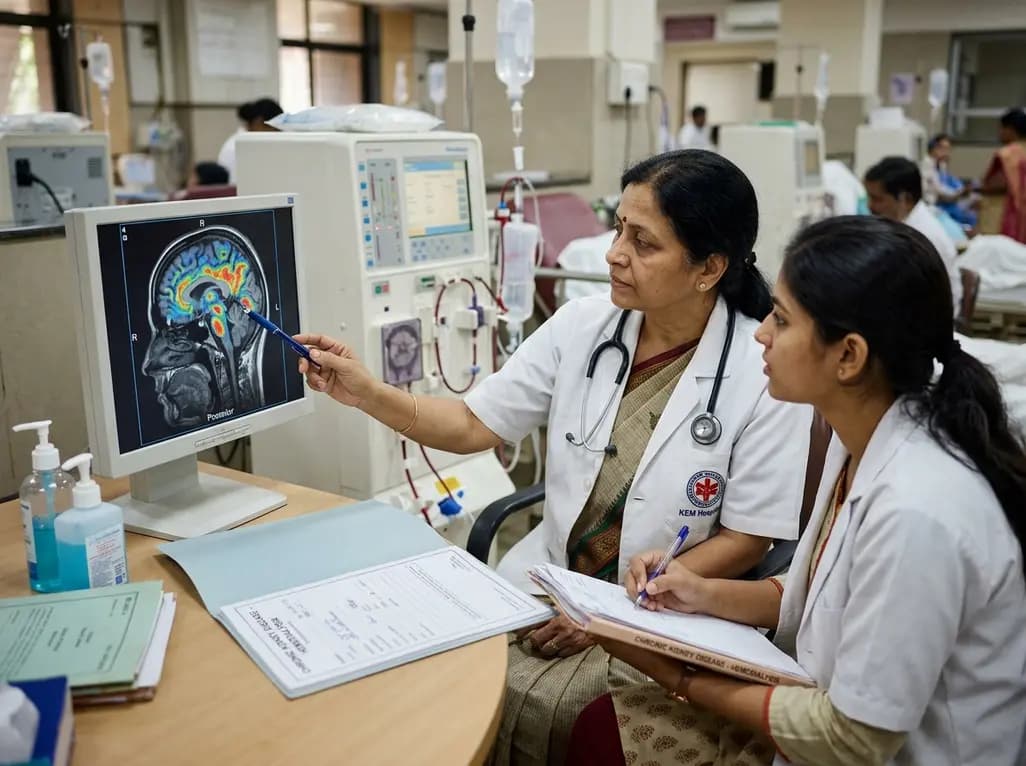
A retrospective clinical analysis reveals that hemodialysis-associated cognitive dysfunction arises from synergistic pathological mechanisms, including severe chronic anemia, worsening renal clearance, abnormal regional brain iron deposition, and an imbalance between neuroinflammatory and neurotrophic factors.
Today

A multiparametric MRI approach combining quantitative T2 shading, apparent diffusion coefficient (ADC) measurements, and morphological signs provides superior diagnostic accuracy over subjective evaluation to differentiate ovarian endometriomas from benign hemorrhagic cysts.
Today
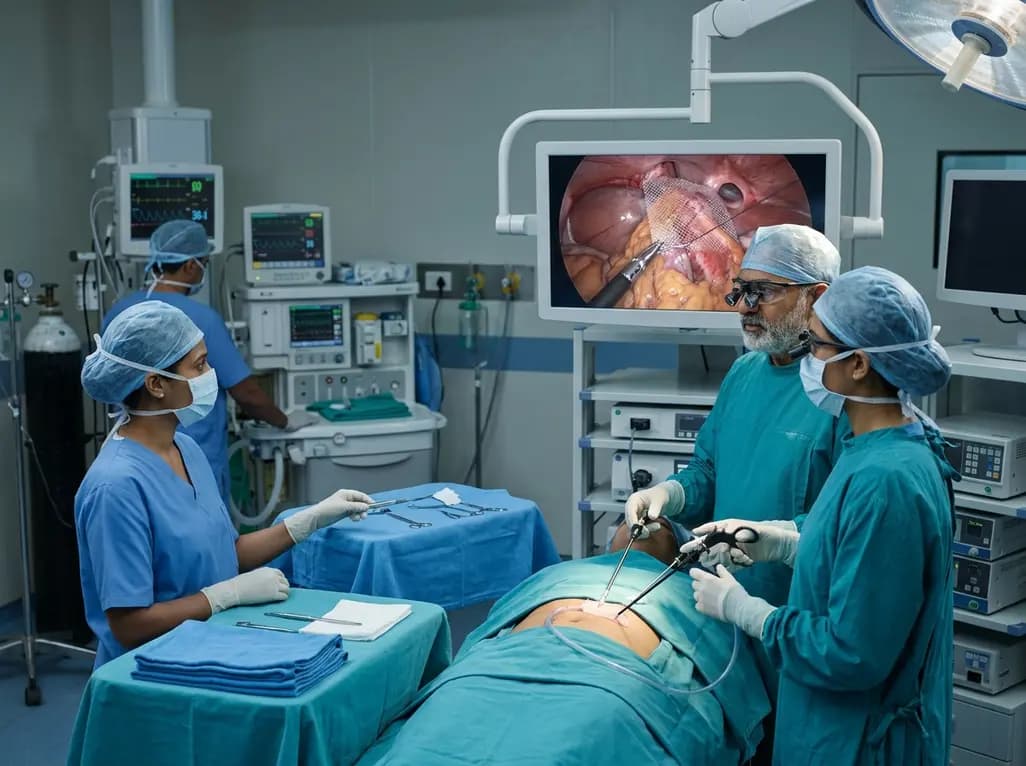
Discover a novel laparoscopic approach for iatrogenic diaphragmatic hernia repair following pedicled omentoplasty. This modified Sugarbaker technique integrates dorsal pedicle lateralization and round ligament reinforcement to secure the diaphragmatic defect while preserving vital omental vascularity.
Today
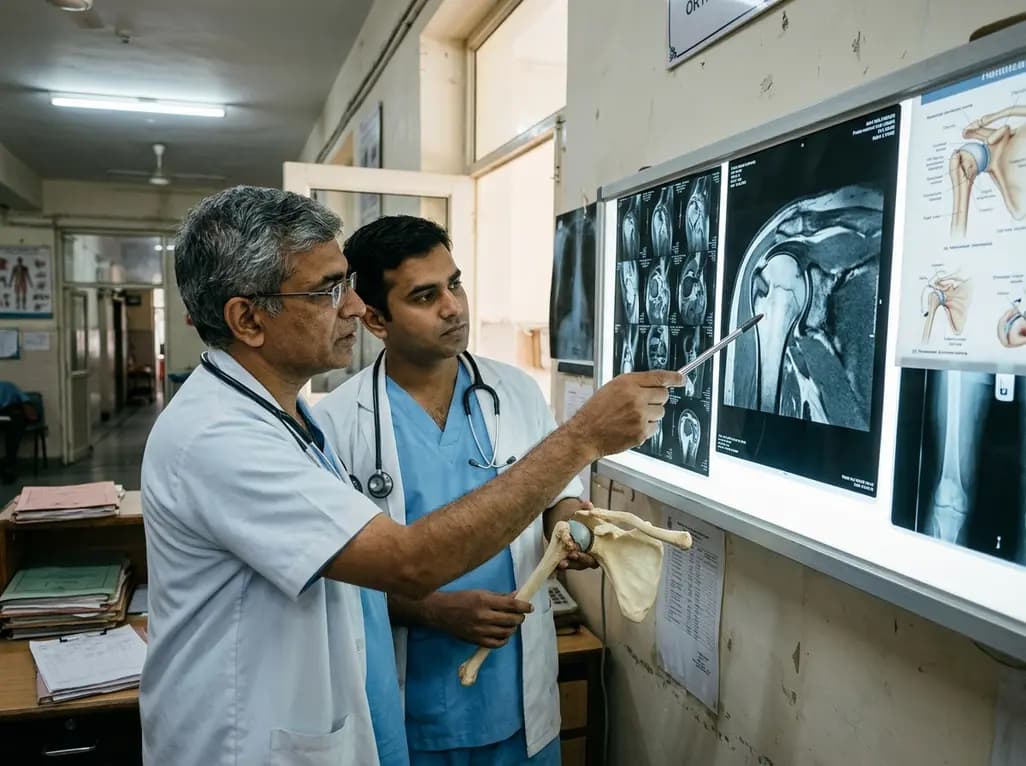
Evaluating Hill-Sachs lesion size and the distance to dislocation is critical in recurrent shoulder instability. As bone loss concepts shift from binary on-track classifications to continuous risk assessment, clinicians must identify when isolated Bankart repair is insufficient and supplementary procedures are needed.
Today

New research reveals that M1 macrophage-derived exosomes aggravate diabetic nephropathy by transferring WTAP to stabilize S1PR2 mRNA. Silencing WTAP in these vesicles attenuates endothelial injury and renal fibrosis, pointing toward innovative nanomedicine therapies.
Today
